
News
‘Living with Omicron does not mean doing nothing about Omicron’- WHO official

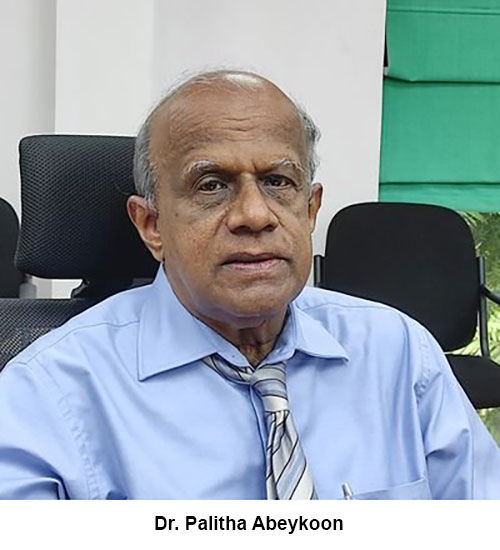
Booster- hesitancy is largely due to misinformation and disinformation that has been floated
Sri Lankan adverse event monitoring system is a regional model
Vaccine hesitancy is a serious threat to global health
The world still ‘has a job to finish’ in terms of bridging vaccine inequality – WHO special envoys
BY RANDIMA ATTYGALLE
Despite the availability of an abundant vaccine supply against COVID-19, less than 35% of Sri Lankans over 12 years have taken the booster dose. Health officials are concerned about this low level of booster intake in a context where more than 95% Lankans over 12 years have received the first dose and nearly 80% of them have also received the second jab.
The floating of misinformation and disinformation both through mainstream and social media is largely attributed to this. Speaking to the Sunday Island, Dr. Palitha Abeykoon, WHO Director-General’s Special Envoy (for South East Asian region for COVID-19) said that Sri Lanka has been one of the most ‘vaccine-compliant countries’ and therefore the vaccine hesitancy which is encountered right now comes as a surprise.
“Even before the advent of the COVID pandemic, in 2019 WHO ranked vaccine hesitancy (which is either the delay in the acceptance or refusal to vaccinate despite the availability of vaccine services) as a serious threat to global health.”
Omicron variant is far more transmissible than the earlier variants and therefore its spread is very rapid. “With the evidence that we have where the vaccine effectiveness seeming to wane slowly over a few months, getting a booster dose makes perfect scientific sense, particularly to prevent serious illness and death. Still many people do not seem to understand the difference between getting infected and the consequences,” remarked Dr. Abeykoon.
The vaccines as the public health official explained, does not prevent infection per se directly and even a vaccinated person can become COVID positive. “But the big difference is that if one has taken two doses and a booster at the correct time one will have the confidence that serious illness will not follow. The growing global evidence is supporting this position of the effectiveness of the vaccines and the booster taken after a certain interval from the second dose.”
The belief that Omicron variant is mild and therefore it is perhaps better to have Omicron and develop natural immunity than getting vaccinated is a risky attitude to have warns Dr. Abeykoon.
“The evidence is Omicron is possibly less severe than Delta but its higher transmissibility will give larger numbers of infections. This would lead to larger numbers getting serious illness and the pressure on health systems will increase. The number of deaths will also increase. Now the evidence that WHO has is that the numbers getting complications and dying are significantly higher for those who did not have at least two doses of vaccine. In Sri Lanka too there has been a near 30% increase in the deaths in the past weeks. Therefore still vaccination is a primary need along with the basic public health and social protection measures.”
Living with Omicron does not mean doing nothing about Omicron, reiterates the WHO official. Since people seem to get infected even after the booster, many question the need for it which is unwise thinking he said. “Getting infected per se is not as the same as getting seriously ill or dying.”
Another myth to be debunked is that the booster has many side effects and results in death. “The risk assessments done have given no such evidence to prove this. The Sri Lankan adverse event monitoring system is excellent; it is in fact a regional model and this too has no evidence to support this misconception.
“Some say that they are being used as guinea pigs here to test these vaccines. The vaccine trials and the follow-up have been going on for a couple of years for most vaccines and therefore this allegation is baseless. Of course being newer vaccines the WHO has advised close monitoring of the post vaccination situation globally,” Dr. Abeykoon remarked.
The fear of infertility is another major misconception to be debunked said the Consultant. There are also certain cultural and religious beliefs which preclude some wanting to take injections. “Getting vaccinated is a choice one makes but we have situations when there is a conflict of personal choice and public good. There are technical and ethical issues contained in this situation.”
In the region Sri Lanka already stands out as a leader in COVID-19 vaccination programme which further consolidates our ‘vaccination tradition’ Dr. Abeykoon pointed out. “There are a few countries that have not been able to cover 40% of the population with two doses, mainly due to supply and delivery issues. In fact we have already surpassed the WHO June global target of 60%.”
To date, and despite WHO’s endless efforts with Member States to deliver lifesaving COVID-19 vaccines to the world’s least-developed countries, through COVAX, particularly, as well as other facilities, there are still 83 Member States which did not reach the target of vaccinating 40% of their populations by the end of 2021.
The latest communiqué by the WHO Director General Dr. Tedros’s Special Envoys for COIVD-19 notes ‘a persistent lack of solidarity accentuating the inequities and unfairness. And this means that even more countries are likely to fall short of the goal of vaccinating 70% of their population by mid-2022.’
On a positive note, Sri Lankan management of the pandemic and people’s compliance with public health measures have been laudable in contrast with some of the Western countries, pointed out the WHO official. “We also recognize the advent of COVID-19 fatigue among many groups and the social and economic implications that have hurt most groups. But the fact that they still, by and large, adhere to the basic prevention measure is heartening.”



Prime Minister Dr. Harini Amarasuriya participated in a high-level dialogue titled “Tourism as Soft Power and Diplomatic Capital” held at the Euronews Hub, Piz Buin Davos, on the sidelines of the World Economic Forum on January 20.
The session explored how tourism functions as a strategic instrument of diplomacy by strengthening international trust, cultural exchange, and regional cooperation through mobility and people-to-people engagement. The Prime Minister shared the panel with Mr. Kuban Omiraliyev, Secretary General of the Organization of Turkic States and Mr. Meshari Alnahar – CEO Aseer Investment Company, Saudi Arabia.
Addressing global trends, the Prime Minister emphasized that Sri Lanka is an example of hope, recovery and resilience in a world of conflict demonstrating how tourism can play a critical role in a changing global environment particularly amid climate shocks, geopolitical instability, and uneven economic recovery. She noted that tourism is not only an economic sector but also a vital diplomatic bridge that supports livelihoods, builds relationships and connects people.
Drawing on Sri Lanka’s recent experience, she highlighted the country’s strong tourism recovery despite multiple crises, including the impact of Cyclone Ditwah. Transparent crisis management and strategic engagement with international partners helped sustain visitor confidence, resulting in record tourist arrivals even in challenging circumstances.
The Prime Minister also underscored the importance of green and climate friendly tourism infrastructure and underlined that Sri Lanka welcomes long term investment in tourism. She pointed out that tourism supports millions of jobs worldwide and that inclusive policies are essential to ensure fair opportunities, particularly for women and vulnerable communities.
[Prime Minister’s Media Division]
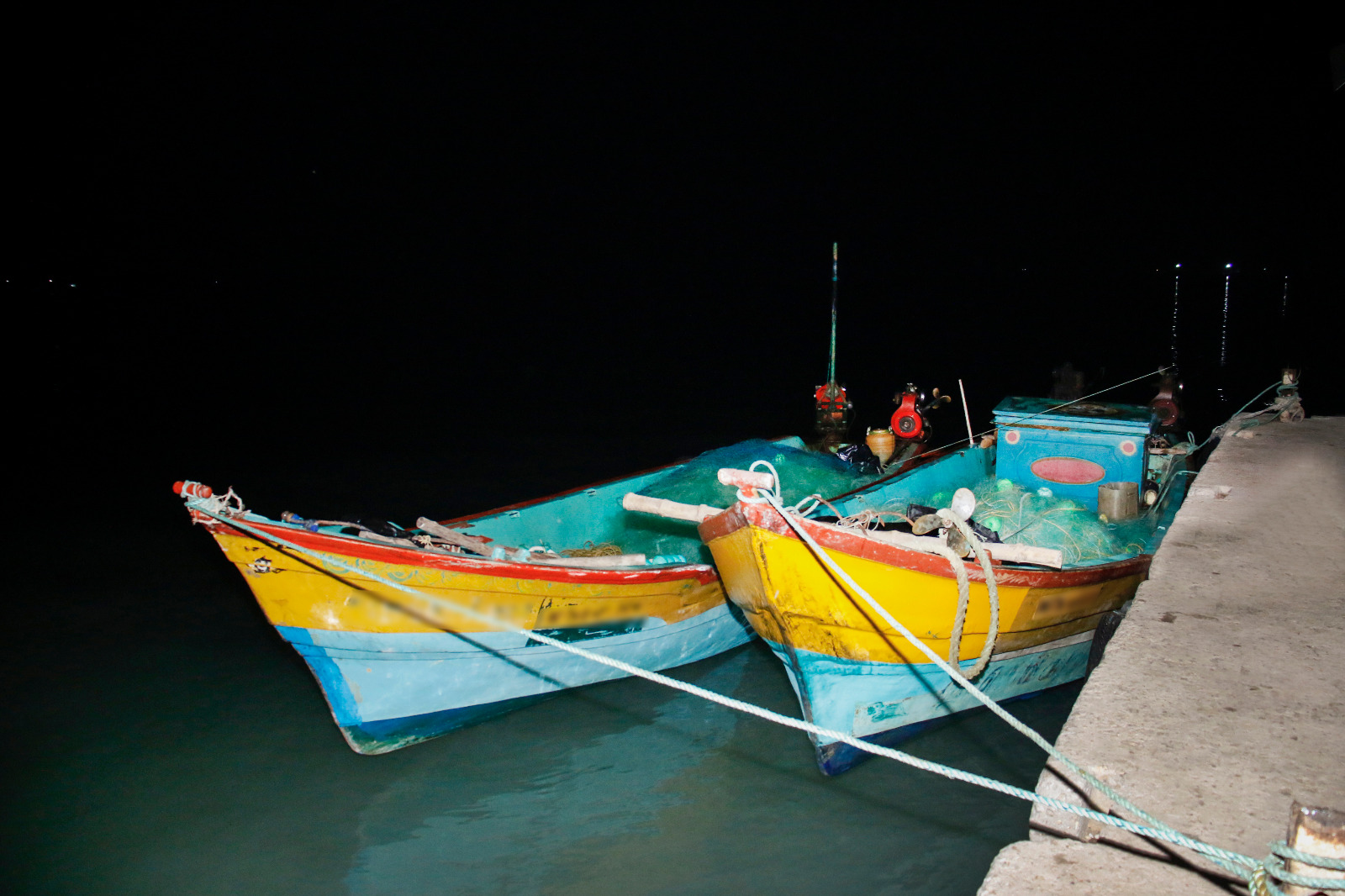
During an operation conducted in the dark hours of 20 Jan 26, the Sri Lanka Navy seized two (02) Indian fishing boats and apprehended seven (07) Indian fishermen while they were poaching in Sri Lankan waters, off Kovilan, Jaffna.
The seized boats and Indian fishermen was to be handed over to the Fisheries Inspector of Myliddy, Jaffna for onward legal proceedings.
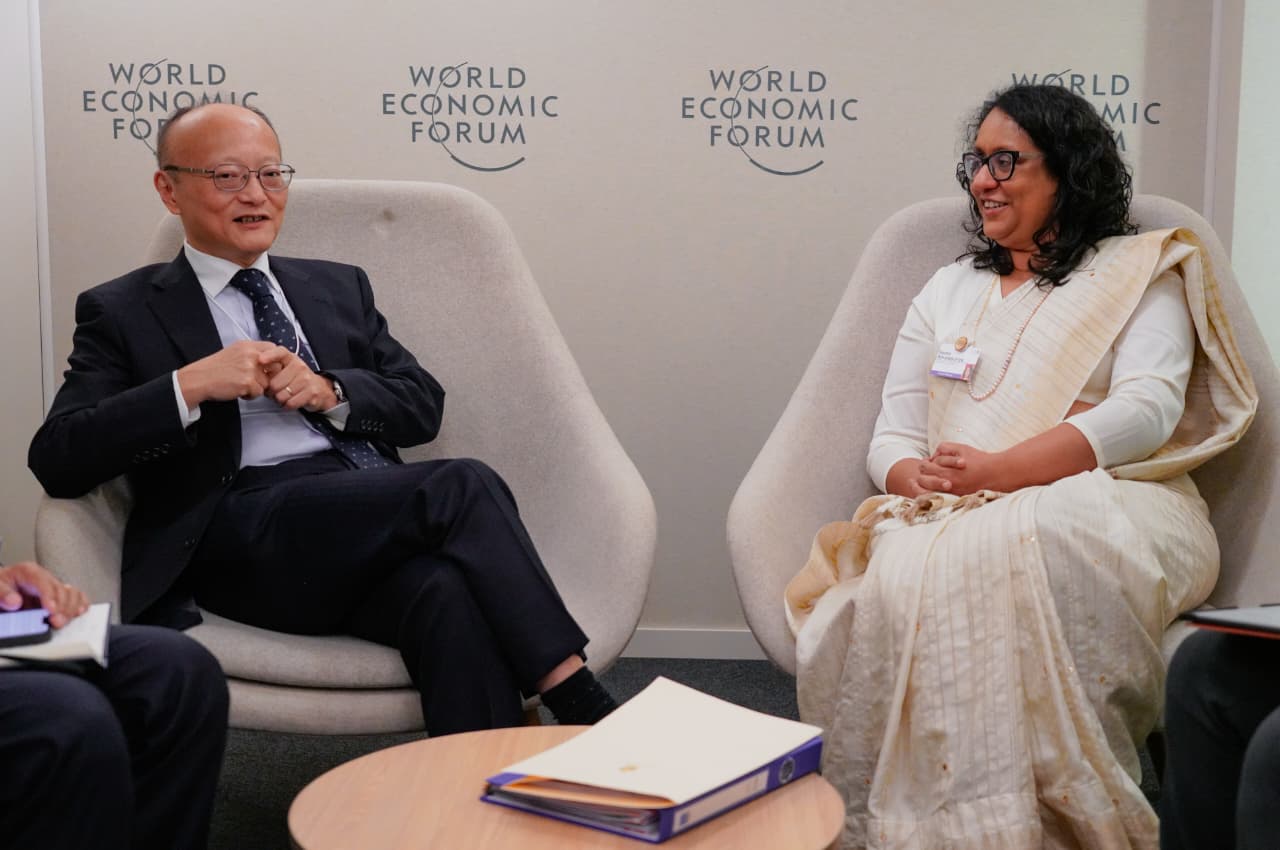
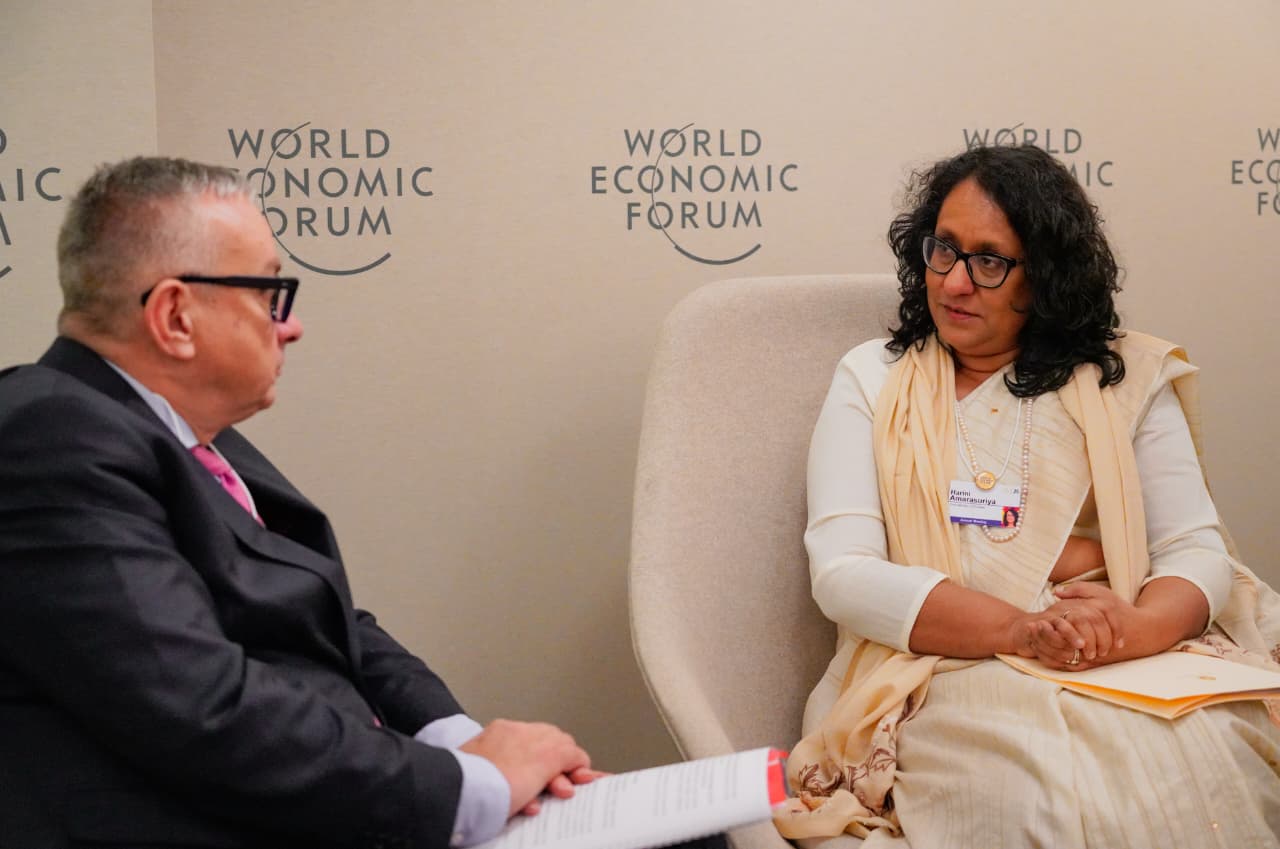
Prime Minister Dr. Harini Amarasuriya participated in a series of high-level bilateral meetings on January 20 on the sidelines of the 56th Annual Meeting of the World Economic Forum in Davos-Klosters, Switzerland.
The Prime Minister attended a productive bilateral meeting with Mr. Jozef Síkela, European Commissioner for International Partnerships. During the discussion, both sides focused on strengthening Sri Lanka–EU cooperation and advancing mutual interests.
Prime Minister Amarasuriya also met with Mr. Masato Kanda, President and Chairperson of the Board of Directors of the Asian Development Bank (ADB), at the WEF Congress Centre. The meeting provided an opportunity to discuss ongoing engagement and future collaboration between Sri Lanka and the ADB.
In addition, the Prime Minister held discussions with Mr. Hassan El Houry, Chairman of Menzies Aviation, where opportunities for collaboration in aviation services and connectivity were explored.
The Prime Minister also participated in a high-level dialogue at the Global Tourism Forum held at the Euronews Hub, Piz Buin, Davos, as part of the World Economic Forum engagements.
Dr. Anil Jayantha, Minister of Labour, and the Deputy Minister of Finance were also present at these meetings.
[Prime Minister’s Media Division]

ICC board votes to replace Bangladesh if they don’t travel to India

Sri Lanka is an example of hope, recovery and resilience in a world of conflict – PM

Brook needs to ‘regain trust of players’ after New Zealand nightclub incident

Navy seizes 02 Indian fishing boats poaching in northern waters

Prime Minister participates in high-level bilateral meetings at World Economic Forum

Dushmantha Chameera, Dhananjaya de Silva return for England ODIs

‘Dates have the highest sugar content to fight Coronavirus’

Sunday Island 27 December – Headlines

#SundayIsland 17th December – Headlines

Sunday Island – 28th March

Sunday Island Headlines – 21 March

Sunday Island – 21st February – Headlines
-

 Editorial4 days ago
Illusory rule of law
-
 News5 days ago
UNDP’s assessment confirms widespread economic fallout from Cyclone Ditwah
-

 Business7 days ago
Koaloo.Fi and Stredge forge strategic partnership to offer businesses sustainable supply chain solutions
-
 Editorial5 days ago
Crime and cops
-
 Features4 days ago
Daydreams on a winter’s day
-

 Editorial6 days ago
The Chakka Clash
-
 Features4 days ago
Surprise move of both the Minister and myself from Agriculture to Education
-

 Features3 days ago
Extended mind thesis:A Buddhist perspective