
Latest News
Letsile Tebogo stuns Noah Lyles to win men’s 200M Gold

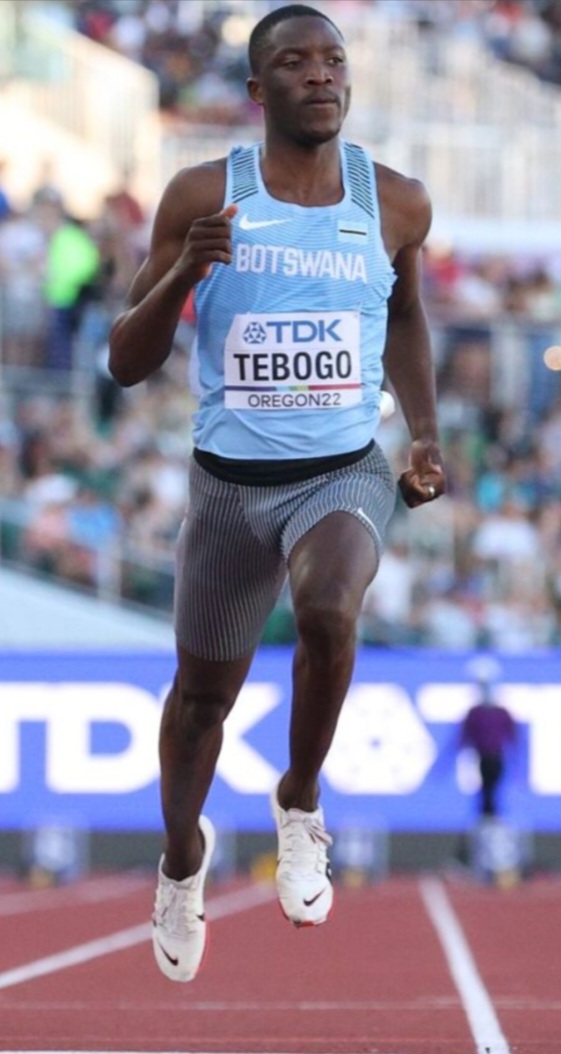
As Letsile Tebogo crossed the finish line as the new 200m Olympic champion at Paris 2024 he slapped his hand against his chest.
The rising star from Botswana stormed to victory in an African record of 19.46 seconds in front of a roaring Stade de France crowd on Thursday (8 August), denying pre-race favourite Noah Lyles the coveted sprint double.
Lyles, who won the Olympic 100m title in dramatic fashion on Sunday, was not able to live with the impressive pace of the 21-year-old and finished third behind fellow American Kenneth Bednarek (19.62) to take bronze in 19.70.
Immediately after the race, Lyles revealed that he tested positive for COVID. The track superstar had to be helped off the track in a wheelchair.
Tebogo dedicated his country’s first-ever Olympic gold to his mother Elizabeth Seratiwa, who passed away last May. He showed his spikes, displaying her date of birth into the cameras and had the initials of her name painted on his fingernails.
“I believe she could be one of the happiest people on the planet” said an emotional Tebogo who had won 200m bronze at last year’s world championships. “Because she believed in me and I had so much doubt for myself.”
Tebogo also paid tribute to the people of Africa, as the first sprinter from the continent to ever claim an Olympic gold medal in the men’s 200m.

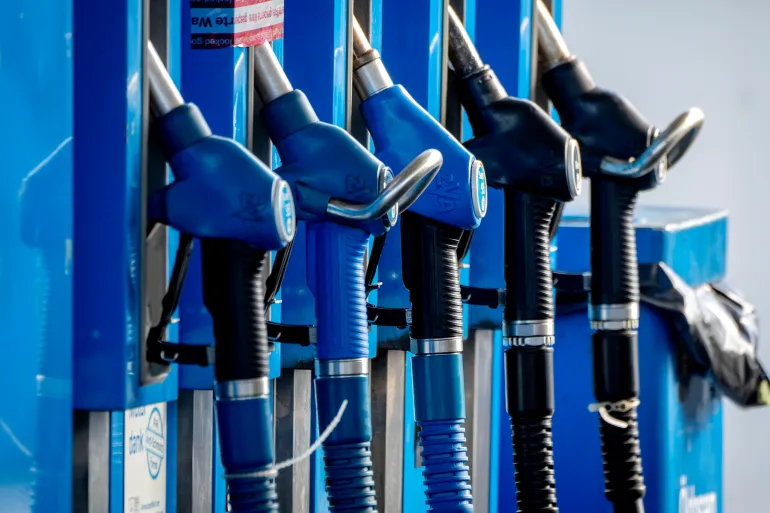
Th European Union “fully rejects” a US demand to release emergency diesel stocks as the fuel’s price soars in America and elsewhere amid the war with Iran.
The EU “fully rejects” the threat made by the US to ban diesel exports if Europe does not release more of its fuel stocks, according to European Commission spokesperson Anna-Kaisa Itkonen.
“A ban would not be beneficial to anyone. It would undermine our trust in the United States as a reliable partner,” she said, adding that the next EU’s Oil Coordination Group meeting is scheduled for October 15, but could be brought forward if needed.
On Thursday, President Trump said the US could ask European countries to release diesel reserves to rein in rising diesel prices due to the war on Iran.
His comments came after Treasury Secretary Scott Bessent urged Europe to “immediately” tap its reserves.
[Aljazeera]
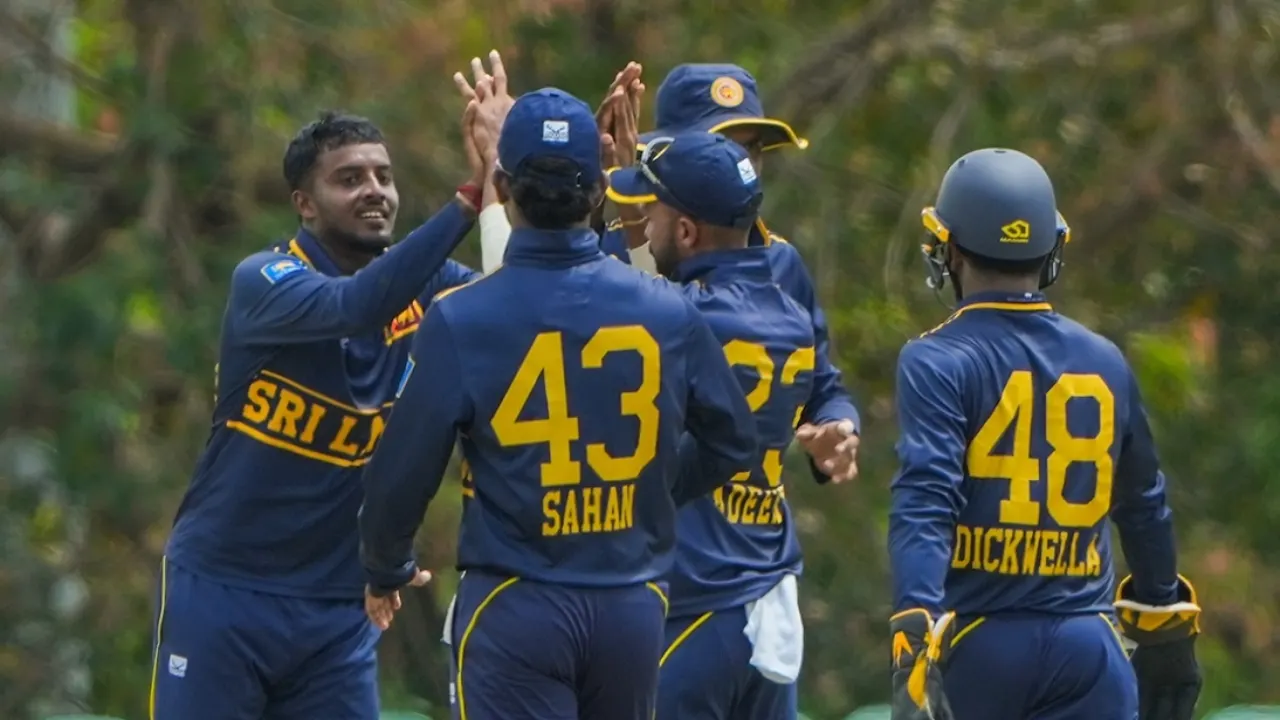
Opening batter Sineth Jayawardena has charged into the Sri Lanka T20I squad for the series against Pakistan, while Vijayakanth Viyaskanth has claimed the legspinner’s spot in the absence of the injured Wanindu Hasaranga. Seam-bowling allrounder Chamindu Wickremesinghe has also been named, as has batter Sahan Arachchige, while seamer Binura Fernando makes a return.
Omitted from the the squad were the likes of batter Charith Asalanka, fast bowler Dilshan Madushanka, ambidextrous spinner Tharindu Rathnayake, and batting allrounder Janith Liyanage.
Fast bowler Dushmantha Chameera was named in the squad, but his participation is subject to fitness.
Jayawardena, 21, has got his call-up because of an outstanding recent run in domestic T20s. In the past month, he has struck 101 off 52 and 82 off 32 for Tamil Union Cricket Club in the club T20 competition. He has played a single T20I, at the ongoing Asiad, but otherwise has never been part of a full-strength Sri Lanka side.
Others, such as Wickramasinghe, Arachchige, and Viyaskanth have earned their call-ups through years of performance at domestic level. Each of these players has appeared in T20 internationals for Sri Lanka before, but with the national team having had little success in this format in 2026, this inclusion represents their best chance yet to embed themselves within the side.
The three T20Is, which are all set to be played in Rawalpindi, will begin on October 9.
Sri Lanka squad :
Kamil Mishara, Sineth Jayawardena, Kusal Mendis (capt.), Lahiru Udara, Sahan Arachchige, Kamindu Mendis, Dasun Shanaka, Chamindu Wickramasinghe, Dunith Wellalage, Maheesh Theekshana, Vijayakanth Viyaskanth, Binura Fernando, Nuwan Thushara, Eshan Malinga, Dushmantha Chameera (subject to fitness)
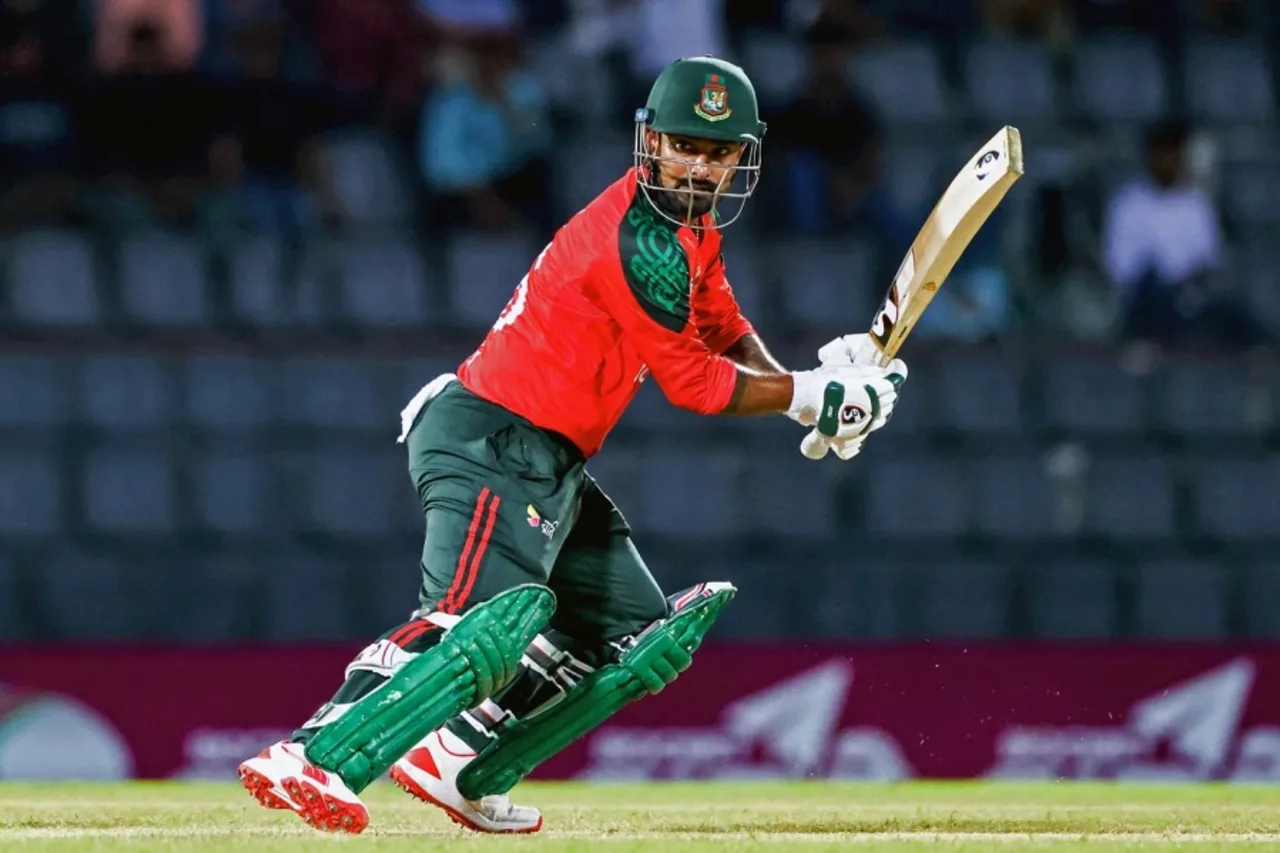
At the end of a wretched week in Nisshin, Bangladesh and Sri Lanka have something real to play for: an Asian Games bronze.
Both teams have a point to prove. Bangladesh recovered well from a poor start in their semi-final against Pakistan, thanks to Towhid Hridoy’s efforts with the bat, but their bowlers couldn’t defend 111 in a 13-overs-a-side game, and Mustafizur Rahman was taken to the cleaners in one of his rare poor outings in T20Is.
But at least they ran Pakistan close. In the other semi-final, India ran riot over Sri Lanka, bowling them out for 45. Sri Lanka had a second-string side on the field, but they wouldn’t have bargained for the basic mistakes they made, like the three run-outs in their innings.
Bangladesh, who can call on most of their first-choice players, start the third-place match as clear favourites, but the testing conditions at Nisshin can even up contests that look one-sided on paper. And both teams will have the motivation of bringing joy to contingents that have endured mostly barren Asian Games campaigns.
After a run-less Australia tour where Litton Das made three ducks in a row in the Test series, he was out for 2 against Pakistan. Litton faced just three balls, off which he attempted two reverse-sweeps, the second of them costing him his wicket. It was a perplexing innings on a pitch that offered a lot of turn and awkward bounce. Sometimes it’s hard to say if a batter is really out of form when he’s made a string of low scores, but Litton, who has led Bangladesh impressively in this format over the last couple of years, will want to break out of this run quickly.
Sahan Arachchige couldn’t quite muster up a captain’s performance against India, especially after his top three batters fell for ducks. He scored 9 before falling to a sweep shot against Axar Patel. He had earlier taken two wickets with his offbreaks. The 30-year-old allrounder now has the chance to put together a better show and inspire his team to the bronze.
Both teams could test their bench strength in the bronze-medal match.
Sri Lanka (probable): Sineth Jayawardena, Lasith Croospulle, Sohan de Livera (wk), Nuwanidu Fernando, Sahan Arachchige (capt), Ashen Bandara, Chamika Karunaratne, Wanuja Sahan, Tharindu Ratnayake, Vijayakanth Viyaskanth, Binura Fernando.
Bangladesh (probable): Tanzid Hasan, Saif Hassan, Litton Das (capt), Parvez Hossain Emon (wk), Towhid Hridoy (c), Mosaddek Hossain, Mahedi Hasan, Rishad Hossain, Aliss Al Islam/Nasum Ahmed, Shoriful Islam, Mustafizur Rahman/Hasan Mahmud.
[Ceicinfo]

Ambassador of the UAE to Sri Lanka meets with the Prime Minister

EU rejects Trump’s diesel demand amid Iran war shortages

Sineth Jayawardena, Vijayakanth Viyaskanth in Sri Lanka squad for Pakistan T20Is

Bronze at stake as Bangladesh, Sri Lanka look to bring cheer to Asian Games contingents

Wanderers to host 2027 men’s ODI World Cup final as well as India vs Pakistan

Prime Minister joins Gandhi Jayanti Commemoration

‘Dates have the highest sugar content to fight Coronavirus’

Sunday Island 27 December – Headlines

#SundayIsland 17th December – Headlines

Sunday Island – 28th March

Sunday Island Headlines – 21 March

Sunday Island – 21st February – Headlines
-

 Editorial7 days ago
Birth of a bad law
-

 News5 days ago
Police remove Thileepan statue in Jaffna
-
 News7 days ago
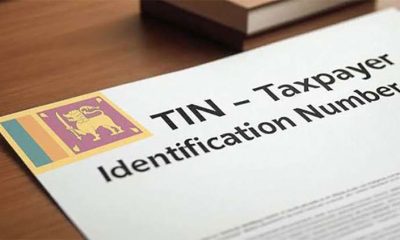
TIN mandatory for key transactions from Nov. 1
-

 Features5 days ago
The 22nd Amendment, constitutional recovery and illiberal slippage
-

 Features5 days ago
Of foreigners as CEOs of Lankan ventures
-

 Latest News3 days ago
Gold winner Tharanga gets brand-new Honda Vezel from SLAAJ
-

 News5 days ago
Sajith rejects Jt. Opp. protest sabotage claim; SJB TU chief demands remedial action
-

 Features4 days ago
Thailand’s biggest new global star …