
Life style
Leading cosmetic doctor says under-30s are overdoing Botox and fillers

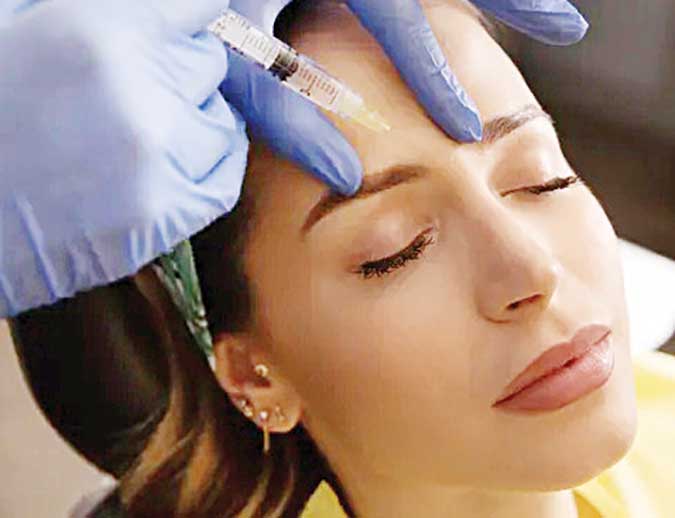
A leading cosmetic doctor known as the “king of Botox” claims young people have “lost the plot” by overdoing treatments in an attempt to recreate filtered social media aesthetics in real life. He also criticised colleagues, some of whom he said have had so much work done he no longer recognises them, for fuelling the trend.While Botox and fillers were once most popular among older patients seeking discreet anti-ageing solutions, Dr Michael Prager said that a “visibly enhanced” look had become a fashion trend among under-30s who wanted the work to show.
The doctor, who has a clinic in Knightsbridge, London, said there was no longer a stigma in dramatically changing their appearance, with young people viewing physical changes as a “status symbol” tantamount to wearing a designer label. “Generally, anybody under 30 has basically lost the plot,” Prager, 54, said. “They haven’t spent enough time in the playground and they grew up with thumbs in a crooked position in front of a screen and now that’s their life.”
The all-party parliamentary group (APPG) on beauty, aesthetics and wellbeing said last year the non-surgical cosmetic treatment industry had undergone “rapid growth”. An estimated 900,000 Botox injections are carried out in the UK each year. The doctor, who has a clinic in Knightsbridge, London, said there was no longer a stigma in dramatically changing their appearance, with young people viewing physical changes as a “status symbol” tantamount to wearing a designer label. “Generally, anybody under 30 has basically lost the plot,” Prager, 54, said. “They haven’t spent enough time in the playground and they grew up with thumbs in a crooked position in front of a screen and now that’s their life.”
Dr Tamara Griffiths, of the British Association of Dermatologists, said there has been “real concern” about the growing numbers of children and teenagers getting Botox-style and dermal filler injections.Last year these cosmetic treatments became illegal for under-18s and this year the government announced a national licensing scheme. But the Labour MP Carolyn Harris, co-chair of the APPG, said the government needed to do more to improve the industry and protect young people, and that they are still waiting for regulations to be brought forward.
The Department of Health and Social Care said an amendment to the Health and Care Act 2022 would give the government powers to bring a national licensing scheme for non-surgical cosmetic procedures into force in England. “This scheme will make it an offence for anyone in England to carry out specified non-surgical procedures without a licence,” a spokesperson said.
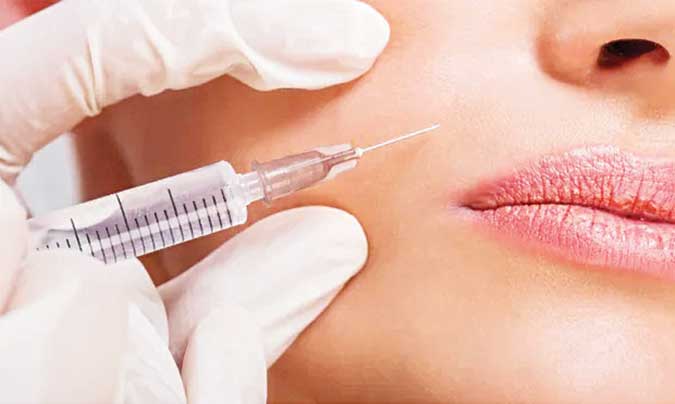
Social media and celebrities, particularly the Kardashians, have played a key role in changing attitudes to cosmetic alterations from being a secret to hide to an openly proud choice.On the TV show Love Island, “tweakments” such as Botox and fillers are popular among its 20-something contestants. cap1
Kylie Jenner, 25, has talked about using lip fillers; Kim Kardashian, 42, has spoken about using Botox and laser treatments; in 2016, Khloé Kardashian, 38, said plastic surgery should be viewed like makeup. The three sisters have almost 100m Instagram followers between them.Supermodel Bella Hadid, 26, who has more than 56m Instagram followers, said she had a nose job at 14. The actor Olivia Colman, 48, has said she loved the effects of Botox.
It’s also gaining traction among men. Former Disney star and singer Joe Jonas, 33, recently appeared in an advert for Botox rival Xeomin.Young people are, Prager claimed, “being overly injected and proud of it”. While many of the practitioners doing the treatments have “injected themselves to a point where in the old world they would have been considered nuts”.
A rise in body dysmorphia disorder (BDD), among practitioners and patients, was fuelling the trend, he said. Such was the transformation that some practitioners had become unrecognisable. “I’ve known some of these people for 20 years,” he said.Dr Darren McKeown, a British College of Aesthetic Medicine (BCAM) board member who has studied the psychological outcomes of cosmetic interventions, said BDD was “relatively common” among such patients. He said it could be present in up to 10% of those seeking treatment, with up to 80% of BDD patients dissatisfied with the outcome.
So far this year, 8% of BCAM member patients were aged 18 to 24, with the majority aged between 35 and 60. They performed 282,960 filler procedures last year – a 100% rise on the previous 12 months. The increased number of cosmetic treatments among young people are largely taking place in unregulated beauty salons by unqualified practitioners, said McKeown, who is concerned about the “prolific use of dermal fillers” in this group.
“A lot of people would like to have their own screen filter version to actually resemble what they see in the mirror,” said Prager, who has appeared on the TV show 10 Years Younger. “I think that’s what they’re after.”Ekin-Su Culculoglu was a winner of ITV’s Love Island show this year on which ‘tweakments’ were popular with contestants.
While the trend was “neither condemnable nor applaudable”, he said, the gulf between self-perception and reality was widening. “What they perceive of themselves no longer resembles what we look at.”
While momentum for more overt cosmetic alterations has been building for some time, lockdown had a huge effect, encouraging comparisons with others during unflattering Zoom calls and affecting people’s mental health. “I now see visibly enhanced modified people on television, that it’s no longer a stigma. It’s actually a fashion trend, like tattoos.”
In the past, he said, the dominant desired aesthetic for those seeking cosmetic alterations was to “look halfway normal”. But now, he added: “It’s almost a status symbol to show that work has been done. There is no longer the need to hide it, in actual fact it’s more of a designer label.”
It was particularly popular with younger patients, he said, who had been “thrown off the rails” by Covid lockdowns.Younger people on a budget could be vulnerable to badly done fillers, he said, and driven to use backstreet practitioners. “Yes, they’re being pushed into something, but what are you going to do? Tell them ‘no don’t do it’?”
Recalling the “Paris lip” of the late 90s and the “Jessica Rabbit” look of the 2000s, he said the move towards radical transformation was not something that should be changed by stricter regulation. “Change is to come in many different ways, but it’s ultimately inside your head.”he singer Joe Jonas recently appeared in an advert for Botox rival Xeomin as such treatments gain mainstream traction with men. Photograph: Jordan Strauss/Invision
The sector had changed so much that he no longer wanted to be associated with it. “The cosmetic industry, it’s gone beyond.”
Prager said he was not bothered by people’s personal choices, but irritated by how trends changed the way his profession was viewed, making it “very difficult to be taken seriously as a cosmetic medical practitioner”.
He would “still hold a candle for Botox”, he said. “Overall, it’s a fantastic medical useful treatment. The same applies to fillers. It has a huge amount of benefits.”
But, Prager warned, administration is key. “You have to be careful who sits at the other end of the needle.”
– The guardian

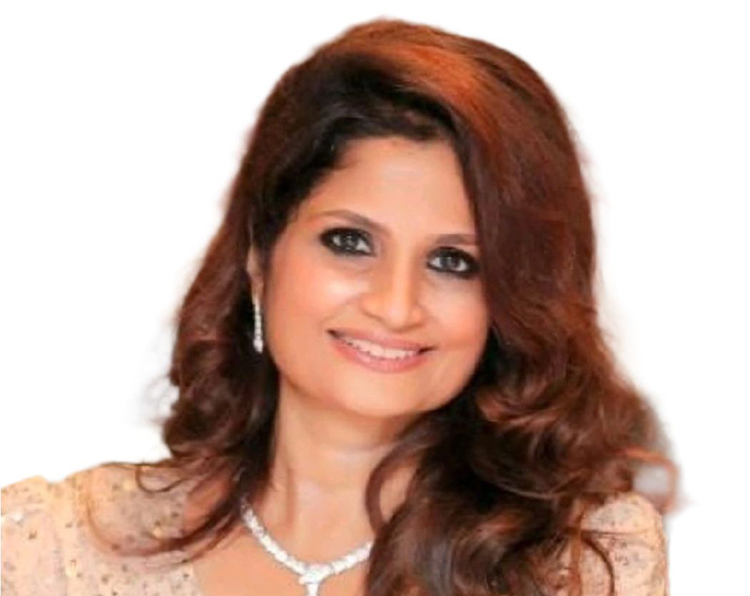
Anita Sharma is a psychologist, who approaches the human mind with equal measures of empathy and insight. Known for her calm presence and thoughtful perspectives, she works closely with individuals navigating anxiety, relationship, trauma and the quiet emotional struggles that often go unseen. With experience working with individuals, couples and families, she has built a reputation for helping people navigate emotional challenges with clarity. Compassion and confidence. Anita Sharma stands as a reassuring voice bridging science, sensitivity and cultural understanding.
What inspired you to pursue a career in psychology?
I was inspired to pursue a career in psychology because I have always been curious about how people think and behave, especially when observing the world around us today. With so much happening in society, I often found myself wondering why people responded differently to similar situations and what influenced their choices, emotions, and behaviours. Psychology allows me to explore these questions on a deeper level and understand how factors like the environment, experiences, and social pressures shape a person’s behaviour. This interest motivated me to want to better understand others and eventually use that knowledge to make a positive impact.
How has your journey been as a psychologist? Have you faced unique challenges?
My journey as a woman in this field has required a lot of resilience and self-belief. In a world that is not always kind, there have been moments where certain spaces felt intimidating, but I chose to turn those experiences into strength rather than allow it to limit me. Instead of shrinking myself, I learned to speak up and trust my inner voice. These challenges have shaped my confidence, sharpened my perspective, and reinforced my commitment to the field.
What areas of psychology Do you specialise in and why did you choose them?
I specialize in counselling, focusing on people experiencing depression and anxiety, as well as adolescents, couples, and individuals recovering from surgery. I chose this area because I’m passionate about helping people go through life’s challenges. Supporting adolescents allows me to guide young people through critical stages of growth, counselling couples strengthens relationships, and working with individual’s post-surgery helps them cope emotionally and adjust to major life changes. Overall, this field lets me make a meaningful impact on people’s mental and emotional well-being.
How Do you approach therapy or counselling with clients facing anxiety or depression or trauma?
When working with clients facing anxiety, depression, or trauma, I approach therapy with empathy and patience. I start by creating a safe, non-judgmental space where clients feel heard and understood. I focus on understanding their experiences, thoughts, and feelings, and together we identify coping strategies and goals that are realistic and meaningful for them.
In your opinion, what are the most promising mental health challenges facing women and men?
In my opinion, some of the most pressing mental health challenges today revolve around stress, anxiety, depression, and the pressures of balancing personal and professional life. For women in particular, societal expectations, gender bias, and body image pressures can take a significant toll. Women are often expected to excel at work, manage family responsibilities, maintain social roles, and meet certain standards of weight and beauty appearances. Society frequently makes remarks or judgments about women’s bodies and looks, which lowers their self-esteem. Men also face challenges, like societal pressure to suppress emotions, which can lead to untreated stress or depression. Addressing these challenges requires awareness, supportive environments, and access to mental health resources
What role do you think society can play in reducing stigma around therapy and counselling?
Society plays a crucial role in reducing the stigma around therapy and counselling. By openly talking about mental health, sharing personal experiences, and normalizing seeking support, we can challenge the idea that needing help is a sign of weakness. Media, workplaces, schools, and communities all have a part to play in creating safe, supportive environments where people feel comfortable accessing mental health care. Education and awareness campaigns can also help people understand that therapy isn’t just for crises
Psychology can be emotionally demanding. How do you maintain your own mental health and balance work like pressures?
Psychology can definitely be emotionally demanding and it’s not a field that is suited for everyone. Maintaining my own mental health is a priority. I make a deliberate effort to detach from work at the end of the day, which allows me to process my own emotions and recharge. I also practice regular self-care, such as meditation, listening to music, and spending time with my family. Seeking supervision and peer support helps me gain perspective on challenging cases, ensuring I don’t carry that emotional weight alone
Would you say has been your most rewarding experience as a Psychologist?
Looking back, the most rewarding part of my work in psychology is hearing a client say, ‘I feel so much better after speaking to you.’ In those moments, I’m reminded that simply being present, listening without judgment, and offering support can truly make a difference in someone’s life. Knowing that I’ve helped someone feel lighter, more understood, or more hopeful is incredibly fulfilling and just reinforces why I chose this profession.
Where privacy and social perceptions matter greatly. How do you help individuals feel safe and comfortable seeking psychological support?
In a close-knit society where privacy and social perceptions are deeply valued, some women face pressures from traditional family expectations, including arranged marriages and strict cultural norms. To help them feel safe seeking psychological support, I focus on creating a space built on trust and understanding. For many, it’s the first time they can truly voice their thoughts and emotions, and helping them express themselves is incredibly empowering. By being sensitive to their cultural and societal context, I guide them towards confidence, emotional relief, and the belief that their feelings matter.
Ultimately, I hope this helps people understand the importance of mental wellbeing and seeking support when needed. I believe that at some stage, everyone can benefit from counselling. It’s not just for when you face a problem, seeking support can help you understand yourself better, manage challenges, and grow stronger. Life is always changing and nothing stays the same forever. By taking steps to care for our minds, we can move forward with clarity, courage, and a sense of inner balance, trusting that even difficult moments will pass.
By Zanita Careem ✍️

Tranquil and tropical with a rugged beauty and temperate climate, Sri Lanka’s south coast is blessed with a naturally restorative environment. On a rocky outcrop overlooking a secluded cove of golden sand, Anantara Peace Haven Tangalle Resort harnesses the nurturing qualities of its shoreline home to create a sophisticated oasis of soothing and renewal.
Entering its second decade, the resort has announced a fresh expansion of its Anantara Spa menu, enriching an already extensive range of traditional and modern therapies. Anantara Peace Haven Tangalle Resort now hosts the region’s only spa overseen by three resident Ayurveda doctors. Led by Head Ayurvedic DoctorBhagya Wellapilli, these qualified medical officers work alongside accomplished practitioners in immaculate facilities, ensuring authentic and effective experiences, delivered by the safest hands.
In addition to enhancing its wellness team, the resort has also launched the pioneering Ayurvedic beauty sanctuary, Ayu Lavanaya. Named from the Sanskrit words Ayu (life) and Lavanaya (grace), the sanctuary is a modern reimagination of a quintessential Ayurvedic parlour. It aligns physical care with deeper wellbeing through timeless rituals and ancient wisdom. Offered in a new space within the lush, floral environs of Anantara Spa, each meditative treatment at Ayu Lavanaya is formulated for immediate results and long-lasting benefits.
Signature therapies complement a full menu of Ayurvedic manicures, pedicures and eye rituals. The brightening and firming Kumkumadi Royal Facial uses the esteemed Kumkumadi oil to leave skin supple and luminous. The Kesha Revive Hair Ritual pairs a lime and onion extract head massage with warm triphala therapy to relieve tension, fortify roots and boost scalp health. The 120-minute Prana Radiance Ritual detoxifies the senses and rejuvenates vital energies through carefully crafted steps that promote release, balance and renewal. Also available are Abhyanga massages, Pizhichil Kerala-style oil baths, Sweda thermal infusions and more.
Beyond Ayurveda, the award-winning Anantara Spa has also introduced four specially curated aromatic massages, showcasing the sensory potency of the island’s indigenous ingredients. Melt away stress and tension with a Four Hand Massage in which two skilled therapists work in perfect synchronicity to induce profound relaxation. Invoking the natural healing of the ocean, a unique Seashell Massage releases muscles and improves circulation by moving polished shells in graceful, flowing strokes across the body.
Age is no barrier to bliss at Anantara Spa with tailored 30-minute Kids’ Massages for ages four to 12. Using light pressure and natural coconut oils, these gentle treatments support healthy care for growing bodies. For mums-to-be, a 60-minute Pregnancy Massage eases the back, neck, and shoulders, reducing swelling and assisting sleep to boost comfort for mother and baby throughout their shared journey.
Yoga sessions by the sea, a state-of-the-art fitness centre, and nutrient-rich menus augment all therapies and treatments, maximising every benefit and laying the foundation for long-term vitality. For more intensive healing, five-day programmes focus on inner harmony, deep sleep, natural weight management, or holistic detox and rebuilding.
“Since our doors opened, we have been honoured to continue and grow Sri Lanka’s long-lasting tradition of Ayurvedic practices and natural wellness,” said Erik Billgren, General Manager at Anantara Peace Haven Tangalle Resort. “By expanding our spa menu and opening the exciting Ayu Lavanaya sanctuary, we are proud to set a new benchmark in holistic healing for every treasured guest.”
“As a fully-trained Ayurvedic Doctor, I understand the importance of fostering a calm and welcoming environment in which guests can feel completely comfortable,” added Ms Wellapilli, Head Doctor at Anantara Peace Haven Tangalle Resort. “By offering this alongside an extensive menu of expertly delivered rituals, we are excited to redefine the possibilities for soothing stays on Sri Lanka’s beautiful south coast – now, and for many years to come.”
Life style
ITC Ratnadipa awarded prestigious 5-Star classification by Sri Lanka Tourism Development Authority

ITC Ratnadipa has been awarded the coveted 5-Star Classification Certificate by the Sri Lanka Tourism Development Authority (SLTDA), reaffirming its commitment to delivering world-class hospitality and sustainable luxury.
The certificate was formally presented by Mr. Buddhika Hewawasam, Chairman of SLTDA & SLTPB, and accepted by Mr. Keenan McKenzie, Area Manager – Sri Lanka and General Manager of ITC Ratnadipa.
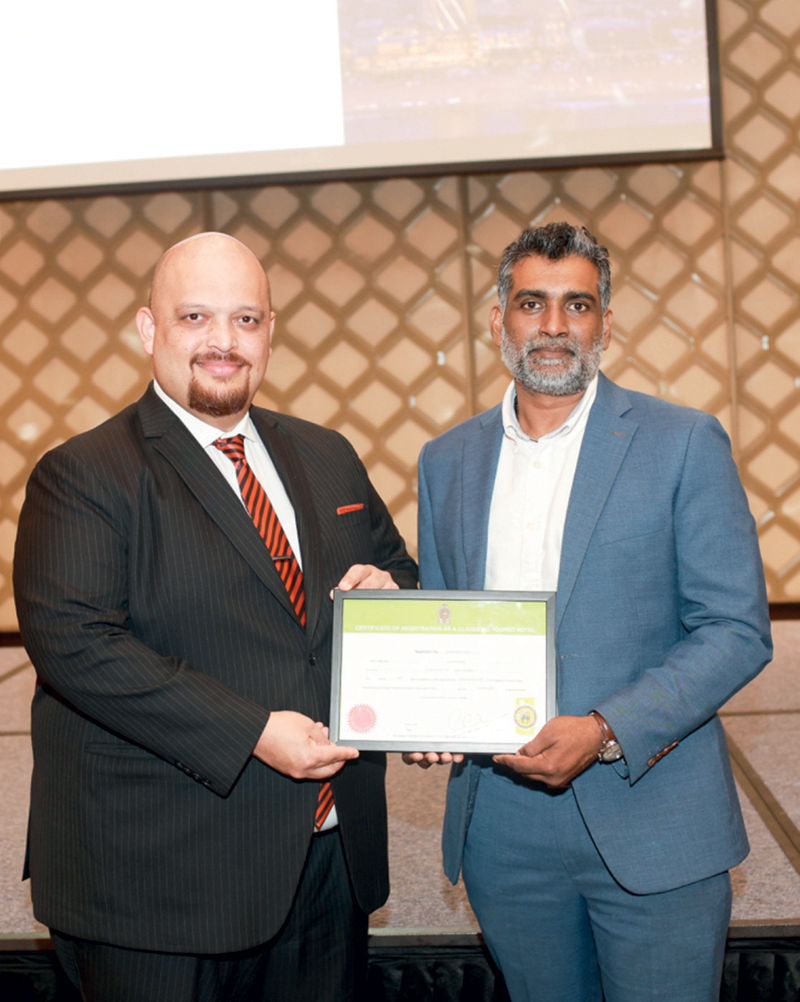
General Manager, Keenan McKenzie accepting the Certificate from Buddhika Hewawasam from SLTPB
The ceremony was attended by several distinguished officials and industry leaders, including, Board Member, SLTDA; Mrs. Malkanthi Rajapaksha, Director – Standards & Quality Assurance, SLTDA; and Mr. Trevine Gomas, Chairman, Hotels’ Classification Committee. Their presence underscored the significance of this milestone for Sri Lanka’s hospitality sector.
ITC Ratnadipa, a Luxury Collection Hotel, opened its doors in Colombo, Sri Lanka, on April 25, 2024, introducing a new benchmark in responsible luxury and sustainability-driven hospitality. Since its inception, the hotel has been committed to offering exceptional experiences that blend opulence with environmental stewardship.
Addressing the gathering, Mr. Keenan McKenzie stated:
“We are grateful to the Sri Lanka Tourism Development Authority and the Hotels’ Classification Committee for their guidance and trust, and to our partners and stakeholders for their continued support. This milestone strengthens our resolve to elevate Sri Lanka’s hospitality landscape while delivering responsible luxury rooted in sustainability.”
This recognition underscores ITC Ratnadipa’s dedication to excellence, sustainability, and its vision to redefine luxury hospitality in Sri Lanka.

Sri Lanka hope for top-order upturn, if rain stays away

Warning for depression in the East of Sri Lanka

India stars face New Zealand upstarts in a series of divided priorities

The Government does not grant protection based on Status. – PM

Heavy showers above 100 mm are likely at some places in the Northern province

De Klerk comes clutch as RCB steal last-ball thriller against Mumbai Indians

‘Dates have the highest sugar content to fight Coronavirus’

Sunday Island 27 December – Headlines

#SundayIsland 17th December – Headlines

Sunday Island – 28th March

Sunday Island Headlines – 21 March

Sunday Island – 21st February – Headlines
-

 News5 days ago
Interception of SL fishing craft by Seychelles: Trawler owners demand international investigation
-
 News5 days ago
Broad support emerges for Faiszer’s sweeping proposals on long- delayed divorce and personal law reforms
-

 Opinion2 days ago
The minstrel monk and Rafiki, the old mandrill in The Lion King – II
-

 Features2 days ago
The Venezuela Model:The new ugly and dangerous world order
-

 Latest News1 day ago
Rain washes out 2nd T20I in Dambulla
-

 News4 days ago
Prez seeks Harsha’s help to address CC’s concerns over appointment of AG
-
 Business24 hours ago
Sevalanka Foundation and The Coca-Cola Foundation support flood-affected communities in Biyagama, Sri Lanka
-

 News6 days ago
Private airline crew member nabbed with contraband gold