
News
Lankan females twice more likely to have experienced physical violence by partners than by non-partners

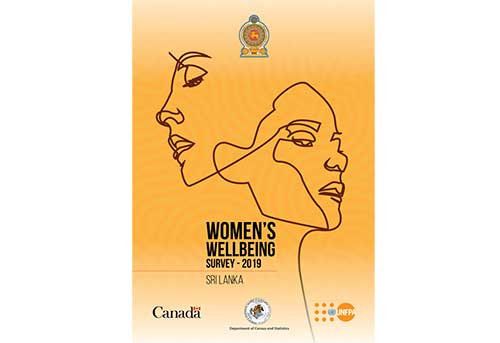
Findings from Sri Lanka’s first dedicated National Survey on Violence against Women and Girls reveal that women in Sri Lanka are more than twice more likely to have experienced physical violence by a partner than by a non-partner.
According to the Women’s Wellbeing Survey conducted by the Census and Statistics Department of Sri Lanka, 7.4% of all women, since age 15, experienced physical violence by a partner in their lifetime and 7.2% experienced by a non-partner.
Partner sexual violence is also more prevalent than non-partner sexual violence although the gap is not as large as for physical violence (6.2% compared to 4.1% in a lifetime).
The survey revealed that 24.9% of women have experienced physical and/or sexual intimate partner violence or non-partner sexual violence and 18.8% of women who have been in a relationship have experienced some form of physical and/or sexual violence by their intimate partner in their lifetime.
In 2019, the Department of Census and Statistics conducted the first dedicated national prevalence survey on violence against women and the first using the WHO methodology.
Known as the Women’s Wellbeing Survey (WWS) it covered all 25 districts in Sri Lanka and interviewed more than 2,200 women aged 15 and above. Fieldwork took place between March and September 2019, collecting data through computer assisted personal interviews.
 According to the report, women’s wellbeing could be measured by many aspects such as the access to decent employment, economic security, equal access to resources, political participation, decision making, and health and personal safety.
Violence against Women is one of the most pervasive human rights violations that impacts the progression and wellbeing of women and girls. This report focused on that aspect.
The survey findings suggest that domestic violence against women has a considerable negative impact on children. Risk factor analysis found that if the woman or her partner lived in a violent household as a child, she had a significantly higher risk of partner violence. The strongest risk for violence was for women with partners that used alcohol, fought with other men, and had extramarital relationships.
The Sri Lankan government on a proposal by former Prime Minister Ranil Wickremesinghe in 2018 decided to conduct a Women’s Wellbeing Survey as the need for official statistics has arisen in order to address the gender based violence and domestic violence against women.
The Women’s Wellbeing Survey report presents the main findings on violence by partners, violence by non-partners, and the risk factors and impacts that violence by partners has on women in Sri Lanka.


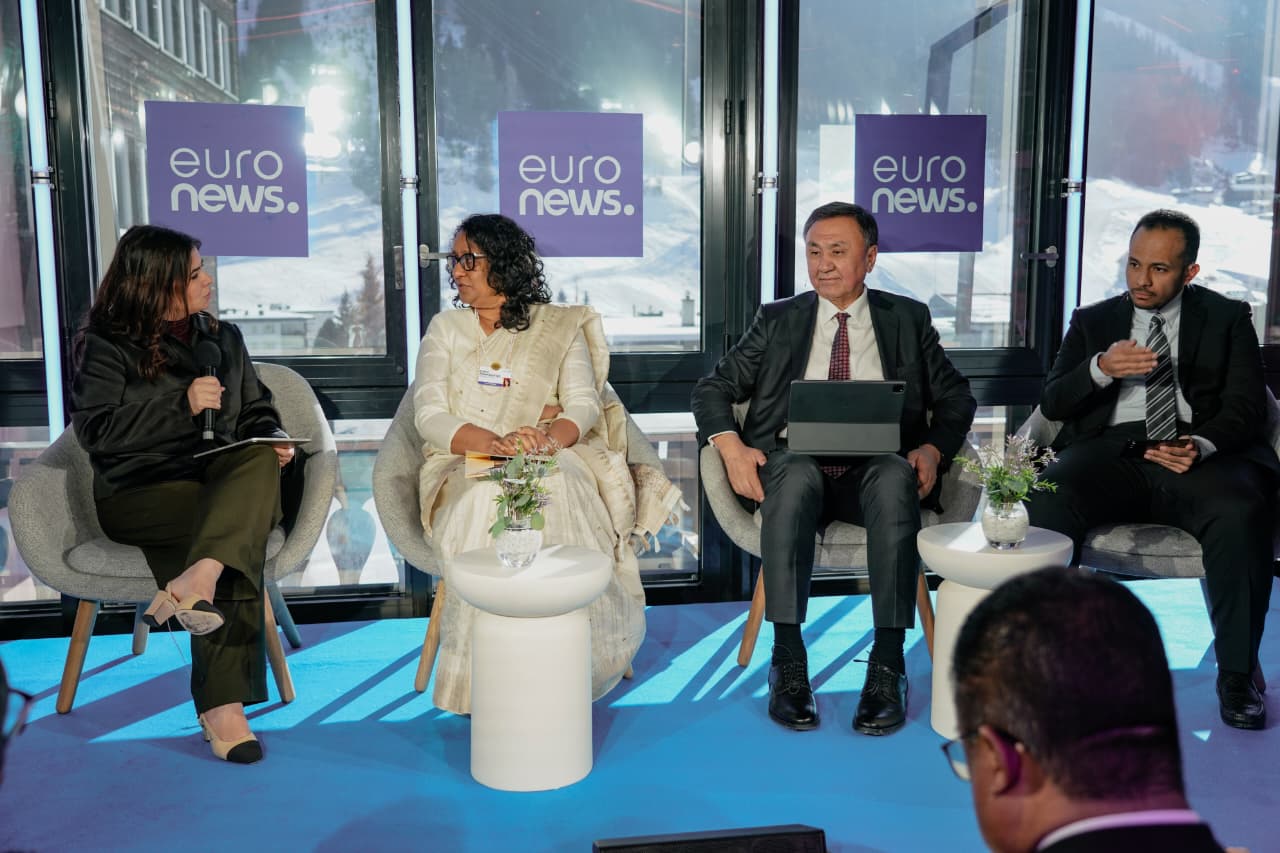
Prime Minister Dr. Harini Amarasuriya participated in a high-level dialogue titled “Tourism as Soft Power and Diplomatic Capital” held at the Euronews Hub, Piz Buin Davos, on the sidelines of the World Economic Forum on January 20.
The session explored how tourism functions as a strategic instrument of diplomacy by strengthening international trust, cultural exchange, and regional cooperation through mobility and people-to-people engagement. The Prime Minister shared the panel with Mr. Kuban Omiraliyev, Secretary General of the Organization of Turkic States and Mr. Meshari Alnahar – CEO Aseer Investment Company, Saudi Arabia.
Addressing global trends, the Prime Minister emphasized that Sri Lanka is an example of hope, recovery and resilience in a world of conflict demonstrating how tourism can play a critical role in a changing global environment particularly amid climate shocks, geopolitical instability, and uneven economic recovery. She noted that tourism is not only an economic sector but also a vital diplomatic bridge that supports livelihoods, builds relationships and connects people.
Drawing on Sri Lanka’s recent experience, she highlighted the country’s strong tourism recovery despite multiple crises, including the impact of Cyclone Ditwah. Transparent crisis management and strategic engagement with international partners helped sustain visitor confidence, resulting in record tourist arrivals even in challenging circumstances.
The Prime Minister also underscored the importance of green and climate friendly tourism infrastructure and underlined that Sri Lanka welcomes long term investment in tourism. She pointed out that tourism supports millions of jobs worldwide and that inclusive policies are essential to ensure fair opportunities, particularly for women and vulnerable communities.
[Prime Minister’s Media Division]
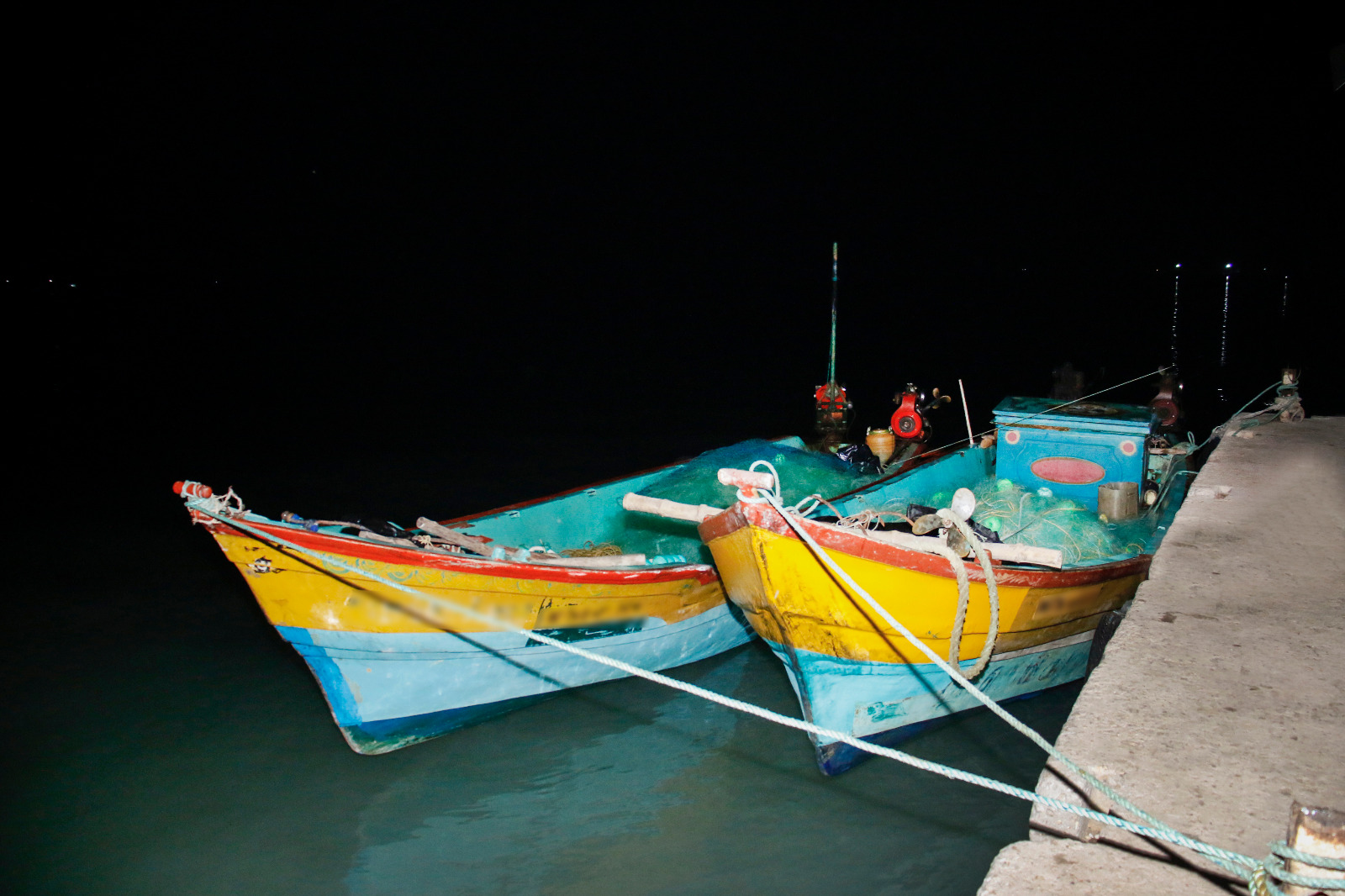
During an operation conducted in the dark hours of 20 Jan 26, the Sri Lanka Navy seized two (02) Indian fishing boats and apprehended seven (07) Indian fishermen while they were poaching in Sri Lankan waters, off Kovilan, Jaffna.
The seized boats and Indian fishermen was to be handed over to the Fisheries Inspector of Myliddy, Jaffna for onward legal proceedings.
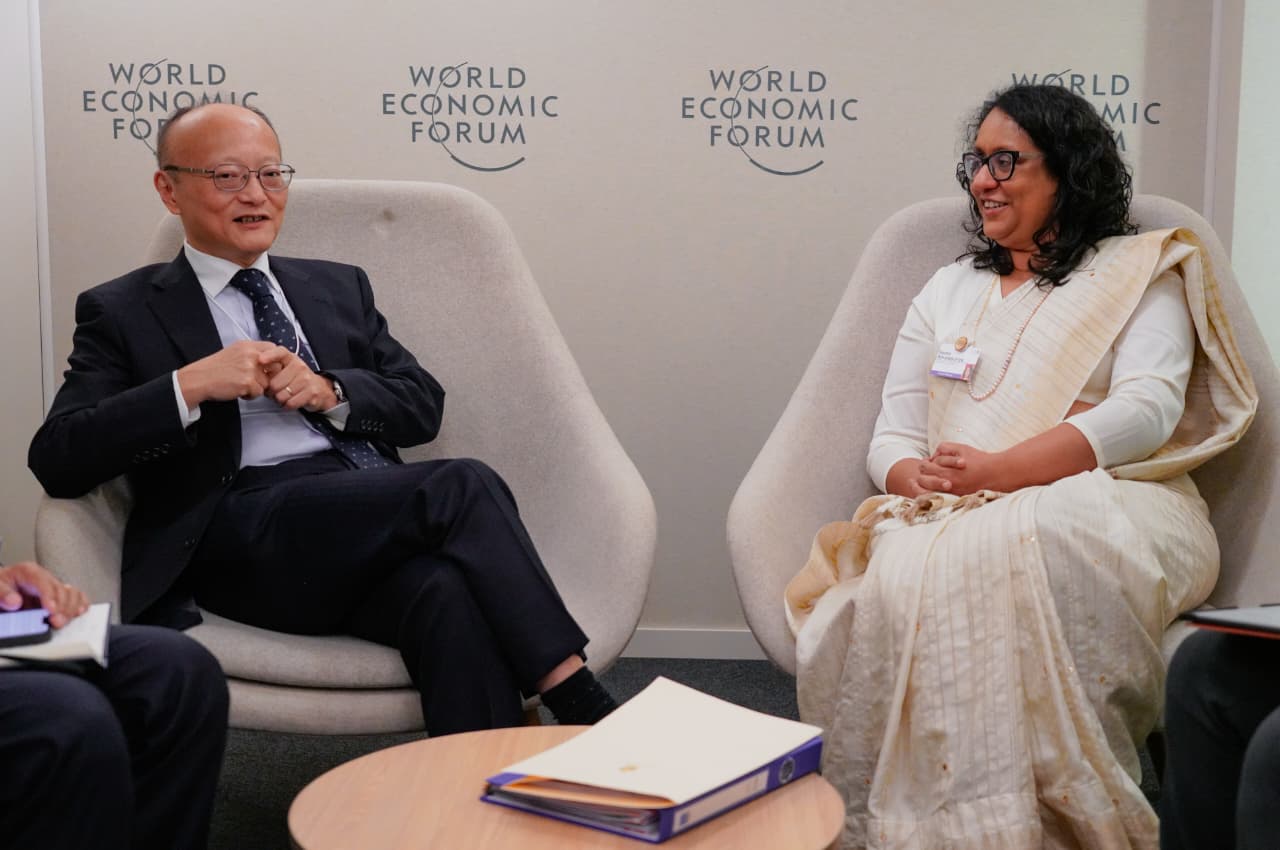
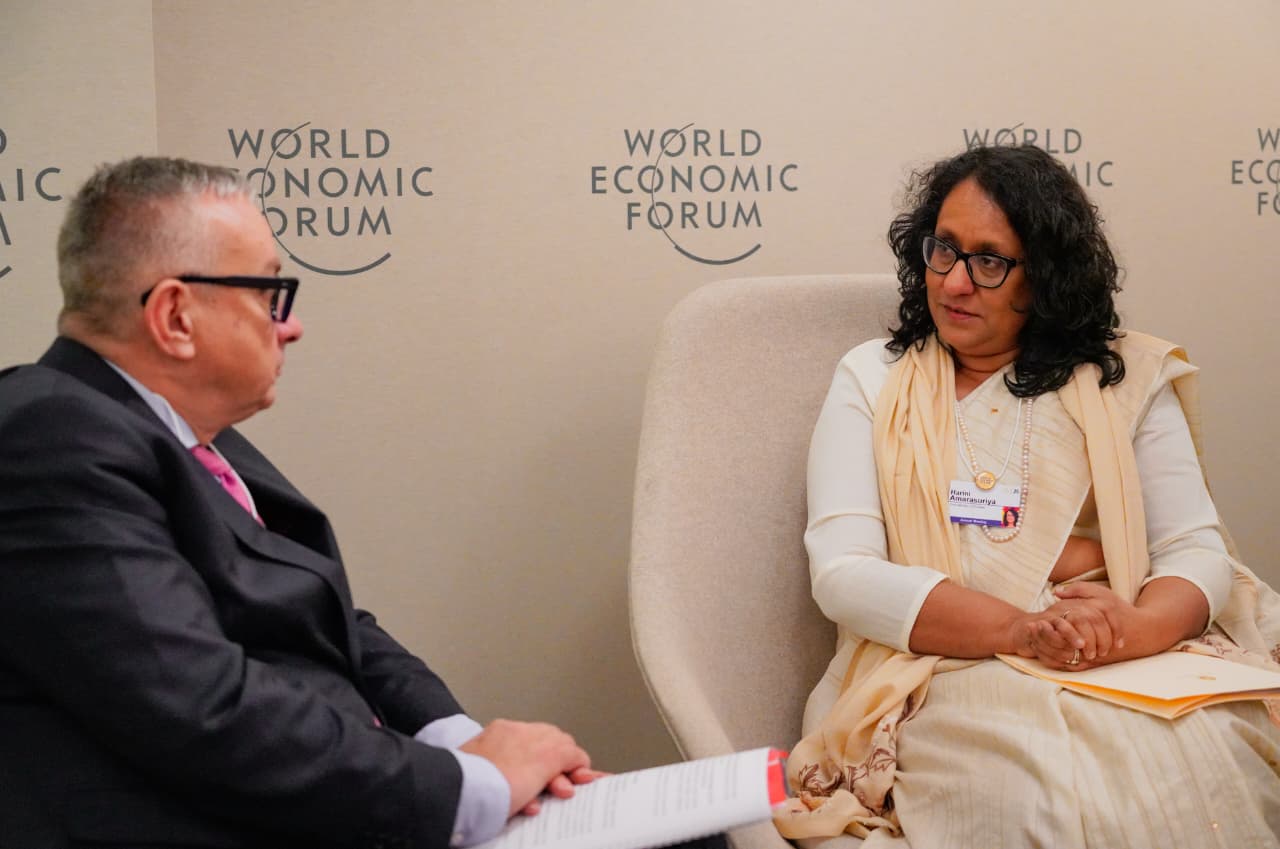
Prime Minister Dr. Harini Amarasuriya participated in a series of high-level bilateral meetings on January 20 on the sidelines of the 56th Annual Meeting of the World Economic Forum in Davos-Klosters, Switzerland.
The Prime Minister attended a productive bilateral meeting with Mr. Jozef Síkela, European Commissioner for International Partnerships. During the discussion, both sides focused on strengthening Sri Lanka–EU cooperation and advancing mutual interests.
Prime Minister Amarasuriya also met with Mr. Masato Kanda, President and Chairperson of the Board of Directors of the Asian Development Bank (ADB), at the WEF Congress Centre. The meeting provided an opportunity to discuss ongoing engagement and future collaboration between Sri Lanka and the ADB.
In addition, the Prime Minister held discussions with Mr. Hassan El Houry, Chairman of Menzies Aviation, where opportunities for collaboration in aviation services and connectivity were explored.
The Prime Minister also participated in a high-level dialogue at the Global Tourism Forum held at the Euronews Hub, Piz Buin, Davos, as part of the World Economic Forum engagements.
Dr. Anil Jayantha, Minister of Labour, and the Deputy Minister of Finance were also present at these meetings.
[Prime Minister’s Media Division]

ICC board votes to replace Bangladesh if they don’t travel to India

Sri Lanka is an example of hope, recovery and resilience in a world of conflict – PM

Brook needs to ‘regain trust of players’ after New Zealand nightclub incident

Navy seizes 02 Indian fishing boats poaching in northern waters

Prime Minister participates in high-level bilateral meetings at World Economic Forum

Dushmantha Chameera, Dhananjaya de Silva return for England ODIs

‘Dates have the highest sugar content to fight Coronavirus’

Sunday Island 27 December – Headlines

#SundayIsland 17th December – Headlines

Sunday Island – 28th March

Sunday Island Headlines – 21 March

Sunday Island – 21st February – Headlines
-

 Editorial4 days ago
Illusory rule of law
-
 News5 days ago
UNDP’s assessment confirms widespread economic fallout from Cyclone Ditwah
-

 Business7 days ago
Koaloo.Fi and Stredge forge strategic partnership to offer businesses sustainable supply chain solutions
-
 Editorial5 days ago
Crime and cops
-
 Features4 days ago
Daydreams on a winter’s day
-

 Editorial6 days ago
The Chakka Clash
-
 Features4 days ago
Surprise move of both the Minister and myself from Agriculture to Education
-

 Features3 days ago
Extended mind thesis:A Buddhist perspective