
Sports
KJP : career of peaks, valleys and what-ifs

by Rex Clementine
When Sri Lanka handed the coaching reins to Graham Ford a decade ago, they had their reasons. The South African, an understudy to the legendary Bob Woolmer, had helped South Africa navigate a tricky generational transition. Under Ford’s watchful eye, fresh faces filled the void left by towering names with seamless ease. Sri Lanka, looking to rebuild, hoped Ford could replicate that magic. One of his early picks for the rebuilding project was Kusal Janith Perera.
KJP, as he’s affectionately called, was thrown into the deep end in Adelaide. But instead of floundering, he thrived on debut, guiding Sri Lanka to a thrilling run chase against Australia. On that same tour, he impressed in his T20 debut in Sydney, smashing a 22-ball 33 to clinch another win. Ford, grinning from ear to ear, seemed to have struck gold. He believed this young man would do wonders for Sri Lankan cricket.
But did we really need a foreigner to tell us about the unpolished diamonds in our backyard? KJP was already a standout in school cricket. Former SLC Chairman Vijaya Malalasekara, with an eye for talent sharper than an eagle’s, spotted him at Dharmapala Vidyalaya and promptly recommended him to Royal College. The move paid dividends, and KJP’s ascent was meteoric.
Despite his rapid rise, KJP remains a humble soul. The kind of guy who’d show up at a friend’s wedding or a relative’s funeral, no questions asked. He’s unassuming, low-key, and content with a simple life. But fame, like an unwelcome relative, brings baggage—media obligations, sponsor events, public speaking gigs. These weren’t KJP’s strong suits. His reluctance to step into the spotlight led many to brand him aloof. Leadership roles, even in franchise cricket, eluded him as people mistook his reserved nature for a lack of ambition.
But make no mistake, KJP isn’t an introvert. In fact, he’s a sharp reader of the game. However, trust is a currency he values, and after the trials he’s endured, who can blame him? No Sri Lankan cricketer has navigated rougher waters.
Few remember that KJP was a key part of Sri Lanka’s 2014 ICC T20 World Cup-winning side, opening the innings alongside T.M. Dilshan. The decision to promote him as an opener was strategic – bolstering the middle order with a senior player’s expertise while exploiting KJP’s big-hitting prowess when field restrictions were on. But not everyone was thrilled. A senior player, feeling slighted, reportedly turned against him, marking the start of KJP’s struggles.
KJP isn’t one to form cliques or stir drama. He plays his part and moves on. But being misunderstood has become a recurring theme in his career. Case in point: the 2016 doping scandal. Suspended by the ICC for a supposed violation, KJP bore the brunt of global scrutiny. Credit to Sri Lanka Cricket for standing by him, eventually proving the lab’s findings were faulty. Yet, the episode sidelined him for months, leaving scars that don’t easily fade.
In 2021, KJP reluctantly accepted the captaincy, aware of the minefield he was stepping into. Leading a team with several former captains is no cakewalk; compromises are inevitable. KJP found himself embroiled in a pay dispute – not of his making, but as skipper, he became the face of the conflict. His stance earned him enemies, and when an opportunist teammate publicly broke ranks, KJP’s leadership tenure was cut short. Another cruel twist in his turbulent journey.
And yet, amid the lows, there were moments of pure brilliance. None more so than his jaw-dropping 153* in Durban, a knock Sunil Gavaskar hailed as Test cricket’s finest. It single-handedly secured an improbable victory and an unprecedented series win in South Africa. But the euphoria was short-lived. Seven Tests later, KJP was axed from the format, never to don whites again.
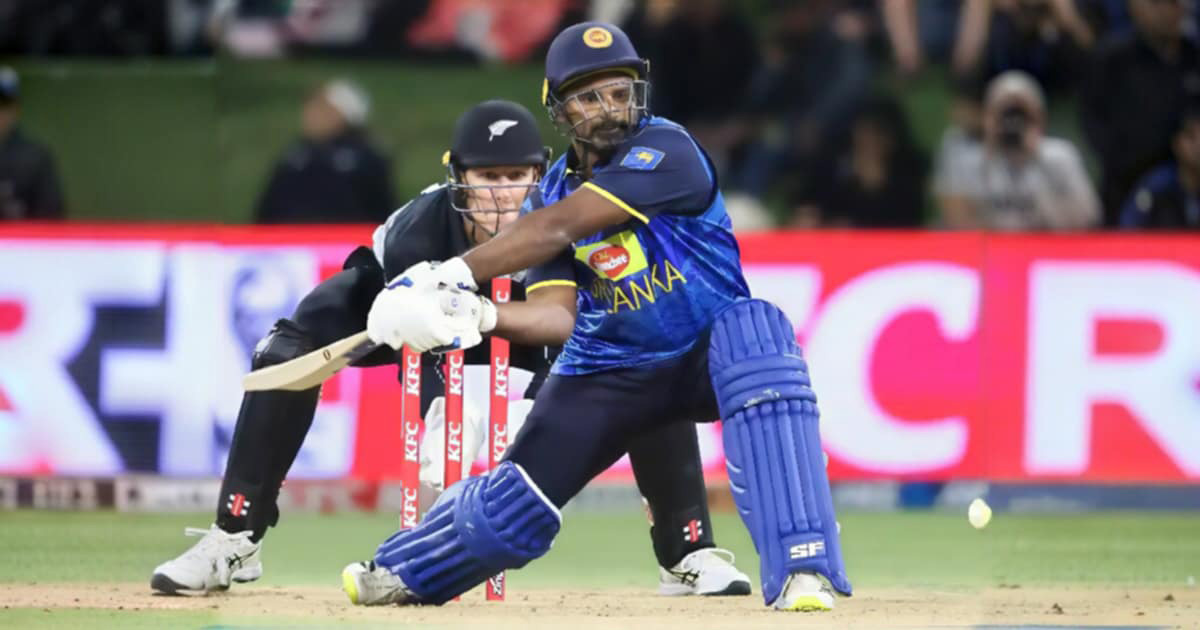
His career feels like a Shakespearean tragedy – so much promise, so many hurdles. On Thursday, we glimpsed what might have been. KJP’s blistering hundred, only the third by a Sri Lankan in T20Is, was a vintage counterattack. It kickstarted the year with a bang and reminded us of his unparalleled talent.
At 34, KJP’s sun is setting, but sunsets can be glorious. While his career has been more stumbles than strides, one hopes his twilight years deliver the grand finale he deserves. For a man who’s endured so much, it’s only fitting that his swan song is one of triumph.

by Rex Clementine
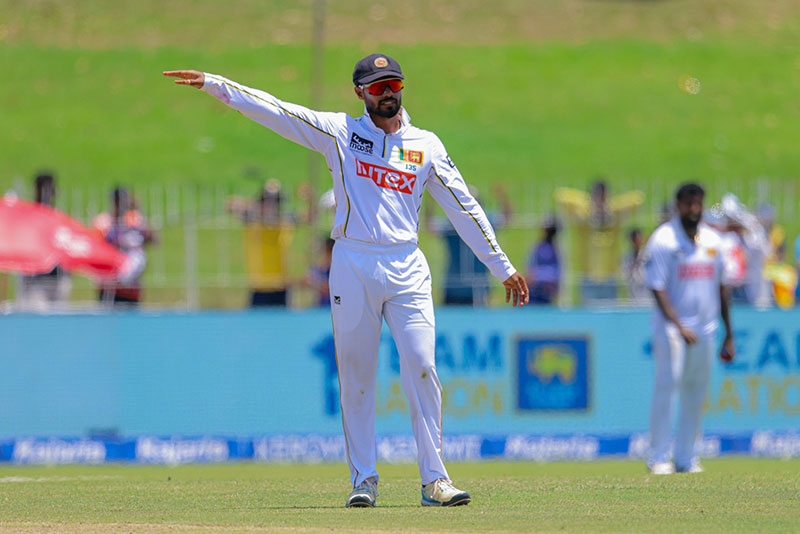
Sri Lanka’s Test captain Dhananjaya de Silva has done an Ian Botham. No, not by pulling off a miraculous victory against Australia at Headingley, but by resigning a minute before he was sacked.
The writing had been on the wall for DDS after he got his sums horribly wrong during the recent home Test series against India. His defensive approach from day one left Sri Lanka chasing the game rather than dictating terms and the hosts eventually surrendered the series.
There had also been growing criticism of DDS’s inability to lift the side when the chips were down. His laid back attitude, particularly the sight of him cracking jokes with team mates in the SSC dressing room balcony while Sri Lanka were following on, did not go down well with the cricket establishment.
Not that DDS was doing anything out of character. By nature, he is a relaxed, easy going individual who loves his video games and rarely seems to have a worry in the world. The mistake was made by those who handed such a character the Test captaincy and then expected him to turn into a fire breathing leader overnight.
DDS was so chilled out that even SLC’s photographers had reason to complain during the India Test series when the official team photograph was being taken.
Sri Lanka have been guilty of failing to groom leaders and in recent years the captaincy has too often fallen into someone’s lap by default rather than through careful planning. The result has been a revolving door of captains, with little thought given to succession.
DDS’s successor, Kusal Mendis, is no Mike Brearley or Ian Chappell when it comes to tactical nous, but to his credit, he has worked hard in recent years to shed his bad boy image and become a more responsible cricketer.
More than anything, Mendis has discovered consistency with the bat. Equally impressive in the eyes of the authorities has been his willingness to shoulder responsibility. He has never been one to duck a challenge, even when the workload has threatened to become overwhelming.
Currently, Mendis keeps wicket in both white ball formats while batting at the top of the order. With the additional burden of becoming Sri Lanka’s all format captain, he is set to be relieved of wicketkeeping duties in Test cricket.
The selectors are now on the lookout for a replacement ahead of the Pakistan assignment, although they are unlikely to turn to Niroshan Dickwella again. That particular chapter, it seems, has been closed.
Meanwhile, Chairman of Selectors Kapila Wijegunawardene has broken his silence over Wanindu Hasaranga’s omission, confirming that the star leg-spinner had indeed been dropped rather than sidelined through injury.
Wijegunawardene made little attempt to sugar coat the selectors’ disappointment with a player whose immense talent has not always translated into performances befitting his reputation.
“Hasaranga has not lived up to expectations, to be frank,” Wijegunawardene said.
“The player understands that too. We had expected a lot of him. His knowledge of the game is immense and he has much more to offer, and we are confident he will stage a comeback,” Wijegunawardene added.

by Reemus Fernando
St. Benedict’s College Kotahena completed their group stage matches with a crushing ten wickets win over St. Sebastian’s College Katuneriya while St. Joseph Vaz College Wennappuwa bounced back from their initial defeat with back to back victories to stay alive in the Under 19 Division I Tier ‘B’ tournament.
For Bens it was their fourth victory in the tournament on Wednesday. Their only blemish this season was against Dharmaraja. The Bens recorded victories against De Mazenod Kandana (by 140 runs), St. Aloysius’ Galle (by three wickets) and Taxila Horana (by 162 runs ) before cruising to a ten wicket win aganst St. Sebastian’s Katuneriya. Manikya Deshapriya with a four wicket haul (4 for 8 in six overs) and Vihanga Rathnayaka taking three wickets rattled their opponents for 64 runs in their final group ‘A’ match.
Group ‘C’ became wide open on Wednesday when St. Joseph Vaz beat Ananda College by 89 runs at Ananda Mawatha.
Batting first, St Joseph Vaz College posted 225 for eight wickets in their alloted 50 overs, with Damesh Mathisan leading the way with a valuable 124-ball knock of 88, his most notable batting performance this season. His patient innings included eight fours and a six. Amal Denuwan added 31 off 69 balls, while Savio Fernando contributed 24.
In reply, Ananda were bowled out for just 136 run with Danindu Sellaperuma’s 41 being the highest contribution.
Amal Denuwan took four wickets for 20 runs in an outstanding spell of 8.3 overs, including two maidens. Damesh Mathisan completed an impressive all-round display taking two wickets for 28 runs.
Thathnula Liyanage took one, while Oshen Binara claimed two for 19.
In their season opening encounter St. Joseph Vaz conceeded a 66 run defeat at the hands of Maliyadeva College Kurunegala. They were bowled out for 107 runs at Kadirana.
In their second encounter they bounced back as their bowlers dominated reducing Devapathiraja to 79 runs. Oshen Binara (4.5-1-14-4), Mayon Fernando (4-0-16-3) and Lowthuru Dilpahan (6-0-23-2) returned notable bowling figures. Isuru Induwara (31n.o.) and Savio Fernando (23n.o.) then guided them to victory putting up an unbroken third wicket stand of 48 runs.
Back to back victories now has helped the school keep alive their hopes of reaching the knockout stage. They will meet Lyceum International Wattala and Sri Dharmaloka College Kelaniya in their next two matches.
The victory has wide opened group ‘C’ with three teams registering two wins each. Ananda and Devapathiraja College Ratgama are the other teams to have recorded two wins.
ATF 16 & Under Tennis
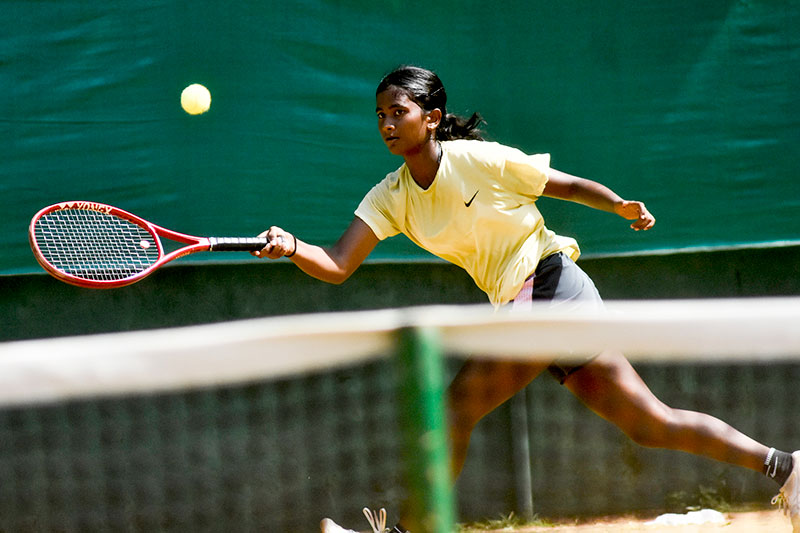
Kiyara Jayamanne is set to meet Risindi Hewawasam in the girls’ singles final after they won their semi finals of the ATF 16 & Under Colombo 2026 Week 1 tournament continued at the Sri Lanka Tennis Association courts.
Kiyara Jayamanne defeated fellow Sri Lankan Disini Samaraweera 6-3, 6-3 to book her place in the final. Risindi Hewawasam also secured a straight-set victory, overcoming Methuli Naotunna 6-2, 6-3.
The boys’ semi-finals saw Anthony Castigador of the Philippines dominate Sri Lanka’s Damsath Peiris, winning 6-0, 6-0. India’s Gurshaan Chahal completed the finalists’ line-up with a 6-2, 6-1 victory over Sri Lankan Yonal Dankubura.
-
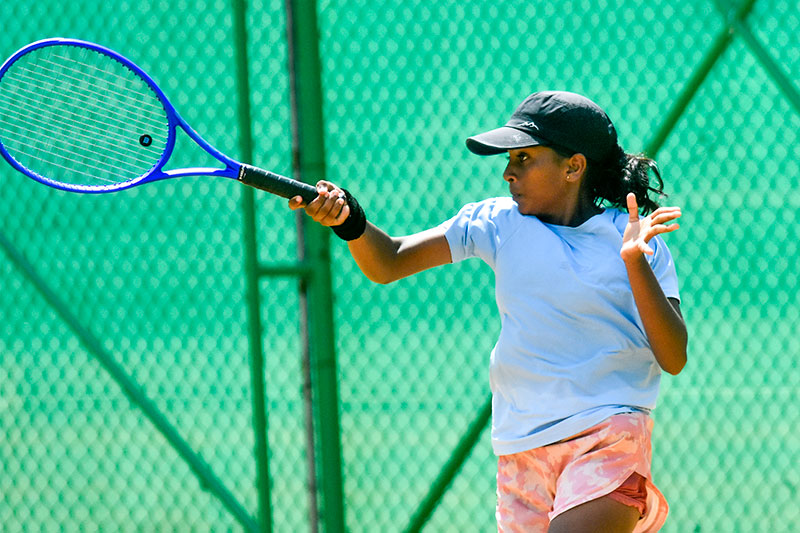
- Risindi Hewawasam
-
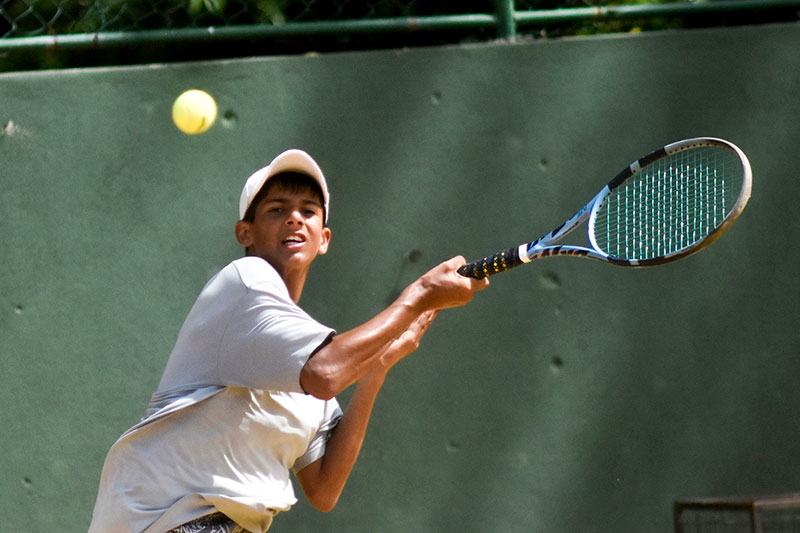
- Gurshaan Chahal
-
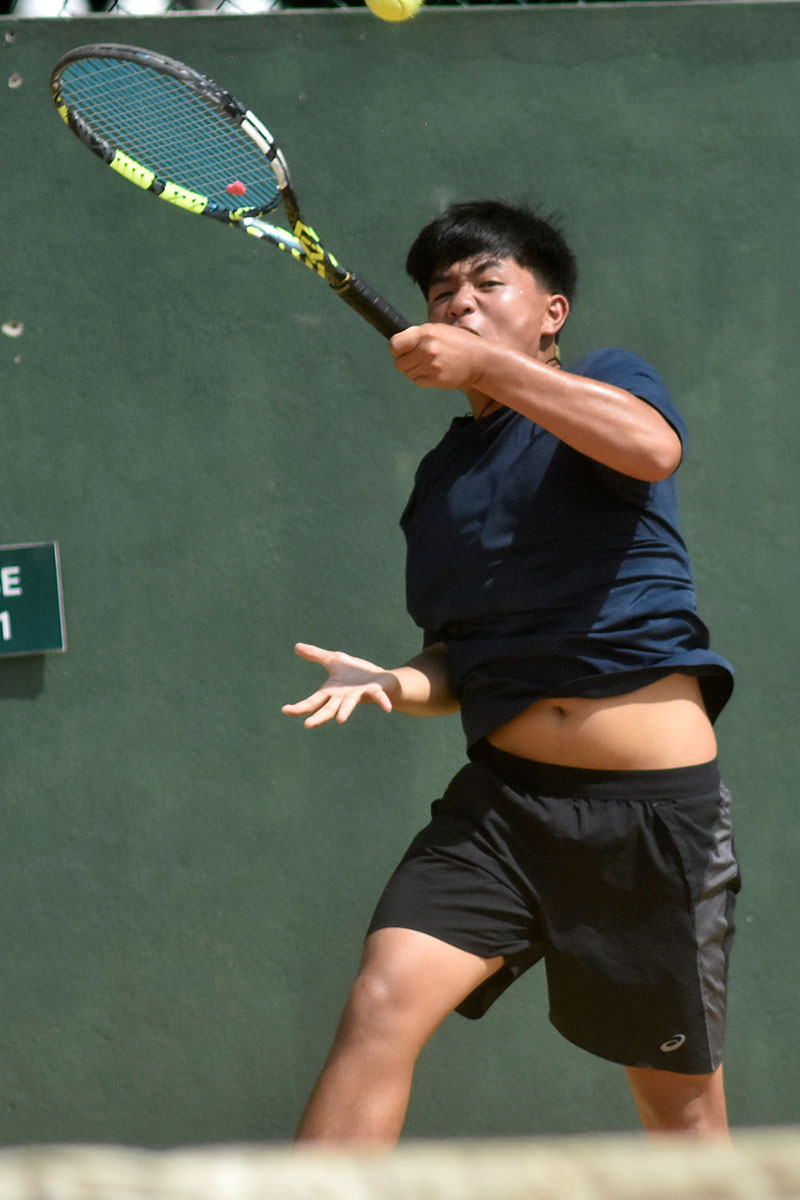
- Anthony Castigador (Pix by Kamal Wanniarachchi)

Showers or thundershowers will occur in most part of the island after 1.00 p.m.

Removing monk’s robes matter for Sangha to decide: Mahanayake Theras

NDB fraud Rs 60mn more than reported

President orders review of laws on treatment of imprisoned monks

BHC, Colombo: “LTTE remains a proscribed org. in the UK”

Sri Lanka runs out of essential anti-TB medicines, India comes to rescue

‘Dates have the highest sugar content to fight Coronavirus’

Sunday Island 27 December – Headlines

#SundayIsland 17th December – Headlines

Sunday Island – 28th March

Sunday Island Headlines – 21 March

Sunday Island – 21st February – Headlines
-

 Features5 days ago
The first woman in the foreign service or Ceylon Overseas Service it was then called
-

 Editorial6 days ago
Fuelling discontent and protest
-

 News4 days ago
Geneva takes up Sallay’s case and govt. ignores opportunity to answer accusations
-

 Foreign News6 days ago
Ten injured after car crashes into rugby supporters in Australia
-

 Latest News6 days ago
Tharindu Rathnayake, bowlers secure Asian Games Bronze for Sri Lanka
-

 News5 days ago
Nearly 20 Iranian tankers stranded off Lanka amid US sanctions
-

 Features4 days ago
Sri Lanka Cricket Bill: Governance reform is not yet a cricket strategy
-

 News5 days ago
Lanka enters new phase of prosecutions as hurdles clear