
Sports
KJP : career of peaks, valleys and what-ifs

by Rex Clementine
When Sri Lanka handed the coaching reins to Graham Ford a decade ago, they had their reasons. The South African, an understudy to the legendary Bob Woolmer, had helped South Africa navigate a tricky generational transition. Under Ford’s watchful eye, fresh faces filled the void left by towering names with seamless ease. Sri Lanka, looking to rebuild, hoped Ford could replicate that magic. One of his early picks for the rebuilding project was Kusal Janith Perera.
KJP, as he’s affectionately called, was thrown into the deep end in Adelaide. But instead of floundering, he thrived on debut, guiding Sri Lanka to a thrilling run chase against Australia. On that same tour, he impressed in his T20 debut in Sydney, smashing a 22-ball 33 to clinch another win. Ford, grinning from ear to ear, seemed to have struck gold. He believed this young man would do wonders for Sri Lankan cricket.
But did we really need a foreigner to tell us about the unpolished diamonds in our backyard? KJP was already a standout in school cricket. Former SLC Chairman Vijaya Malalasekara, with an eye for talent sharper than an eagle’s, spotted him at Dharmapala Vidyalaya and promptly recommended him to Royal College. The move paid dividends, and KJP’s ascent was meteoric.
Despite his rapid rise, KJP remains a humble soul. The kind of guy who’d show up at a friend’s wedding or a relative’s funeral, no questions asked. He’s unassuming, low-key, and content with a simple life. But fame, like an unwelcome relative, brings baggage—media obligations, sponsor events, public speaking gigs. These weren’t KJP’s strong suits. His reluctance to step into the spotlight led many to brand him aloof. Leadership roles, even in franchise cricket, eluded him as people mistook his reserved nature for a lack of ambition.
But make no mistake, KJP isn’t an introvert. In fact, he’s a sharp reader of the game. However, trust is a currency he values, and after the trials he’s endured, who can blame him? No Sri Lankan cricketer has navigated rougher waters.
Few remember that KJP was a key part of Sri Lanka’s 2014 ICC T20 World Cup-winning side, opening the innings alongside T.M. Dilshan. The decision to promote him as an opener was strategic – bolstering the middle order with a senior player’s expertise while exploiting KJP’s big-hitting prowess when field restrictions were on. But not everyone was thrilled. A senior player, feeling slighted, reportedly turned against him, marking the start of KJP’s struggles.
KJP isn’t one to form cliques or stir drama. He plays his part and moves on. But being misunderstood has become a recurring theme in his career. Case in point: the 2016 doping scandal. Suspended by the ICC for a supposed violation, KJP bore the brunt of global scrutiny. Credit to Sri Lanka Cricket for standing by him, eventually proving the lab’s findings were faulty. Yet, the episode sidelined him for months, leaving scars that don’t easily fade.
In 2021, KJP reluctantly accepted the captaincy, aware of the minefield he was stepping into. Leading a team with several former captains is no cakewalk; compromises are inevitable. KJP found himself embroiled in a pay dispute – not of his making, but as skipper, he became the face of the conflict. His stance earned him enemies, and when an opportunist teammate publicly broke ranks, KJP’s leadership tenure was cut short. Another cruel twist in his turbulent journey.
And yet, amid the lows, there were moments of pure brilliance. None more so than his jaw-dropping 153* in Durban, a knock Sunil Gavaskar hailed as Test cricket’s finest. It single-handedly secured an improbable victory and an unprecedented series win in South Africa. But the euphoria was short-lived. Seven Tests later, KJP was axed from the format, never to don whites again.
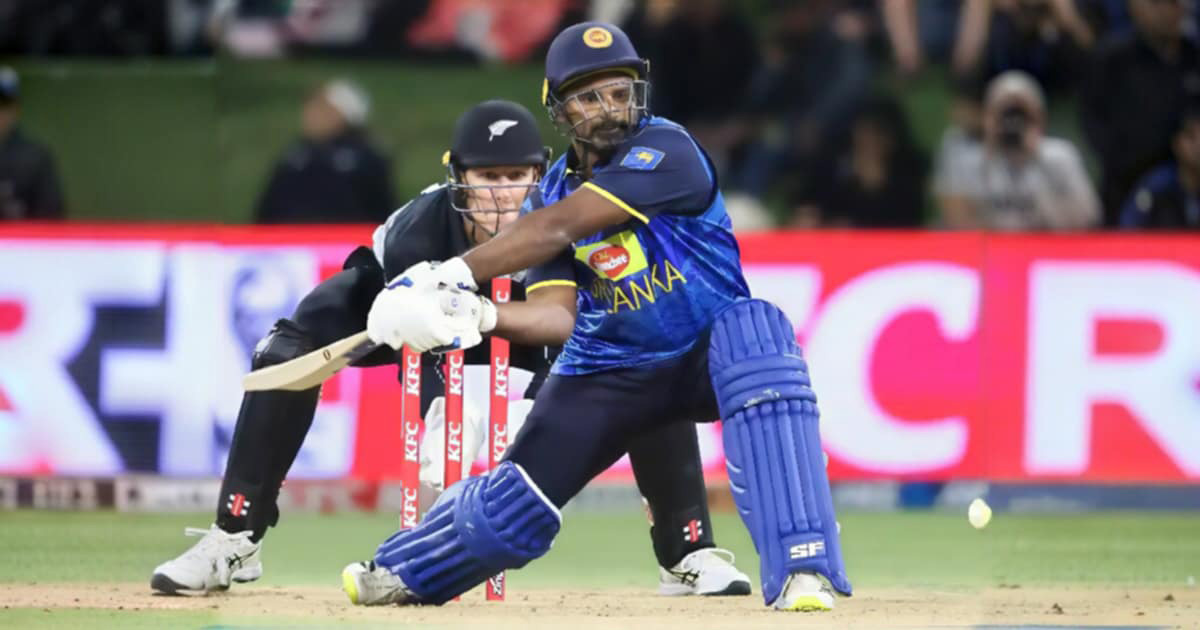
His career feels like a Shakespearean tragedy – so much promise, so many hurdles. On Thursday, we glimpsed what might have been. KJP’s blistering hundred, only the third by a Sri Lankan in T20Is, was a vintage counterattack. It kickstarted the year with a bang and reminded us of his unparalleled talent.
At 34, KJP’s sun is setting, but sunsets can be glorious. While his career has been more stumbles than strides, one hopes his twilight years deliver the grand finale he deserves. For a man who’s endured so much, it’s only fitting that his swan song is one of triumph.


A stubborn knock of 59 runs by Praveen Rukunayake helped Trinity College recover from a disastrous start to post 173 runs against Nalanda College on day one of their Under 19 Division I Tier ‘A’ quarter-final played at the BOI Ground on Thursday.
Trinity suffered an early setback when open batsman Puleesha Thilakarathne and one-drop Mahendra Abeysinghe were dismissed in quick succession with the scoreboard yet to move. The early blows left Trinity struggling, and they continued to lose wickets at regular intervals as Nalanda’s bowlers maintained pressure.
With the innings in danger of collapsing completely, number eight batsman Praveen Rukunayake produced a determined effort, compiling a valuable 59 runs. His fighting knock helped Trinity recover from the early damage and guide them to a modest but competitive total of 173.
For Nalanda, Malsha Fernando led the bowling attack with an impressive spell, claiming four wickets for 49 runs, while Hasitha Rathnayake provided solid support with three wickets for 38.
In reply, Nalanda too found scoring difficult against a disciplined Trinity bowling attack. At the close of play on day one, Nalanda were struggling at 98 for five wickets, leaving the quarter-final finely poised heading into the second day.
Kumarasiri’s 11-wicket haul sets up thrilling finish
The Under 19 Division I Tier B cricket quarter-final between Sri Dharmaloka College, Kelaniya and Sri Sumangala College, Panadura was finely balanced after an eventful second day which saw 20 wickets tumble at Kuruvita on Thursday.
At stumps, Sri Sumangala were 59 for two wickets chasing a modest target of 156 runs, leaving the Panadura outfit needing fewer than 100 runs with eight wickets in hand when play resumes on the final day.
The biggest question heading into the decider will be whether the wicket continues to behave the same way it did on the second day when bowlers dominated proceedings throughout the day.
Sri Dharmaloka, who secured a useful first innings lead of 67 runs, failed to capitalise on the advantage as they collapsed dramatically in their second innings. Left-arm spinner Mevindu Kumarasiri produced a match-turning spell claiming six wickets to complete an outstanding match haul of 11 wickets.
Kumarasiri received excellent support from Methum Fernando as the pair shared all ten wickets between them while Sri Dharmaloka were bowled out for just 89 runs. Only Tharusha Mihiranga showed some resistance with a top score of 24.
Sri Dharmaloka appeared steady after moving past the 50-run mark for the loss of four wickets, but their middle and lower order folded quickly within the space of 14 overs to hand Sri Sumangala a realistic chance of victory.
Chasing 156 runs, Sri Sumangala made a confident start despite losing an early wicket. Opener Vidura Basuru played an aggressive knock of 33 runs which included three fours and a six and shared a valuable 41-run stand for the second wicket with Sandeepa Wijeratne.
Basuru was eventually dismissed by Koshitha Adithya, leaving Wijeratne unbeaten on 17 at the close of play with the match delicately poised.
Earlier in the day, Sri Dharmaloka’s bowlers staged a strong fightback to dismiss Sri Sumangala for 144 runs in reply to their first innings total of 211.
Tishan Nipun led the attack with impressive figures of 4 for 43 while Sathindu Praboda provided strong support with 3 for 44 as the pair shared seven wickets between them. Koshitha Adithya (2/27) and Mewan Randeepana picked up the remaining wickets.
With Sri Sumangala needing under 100 runs and Sri Dharmaloka requiring eight wickets, an exciting finish is on the cards when the teams return for the final day. (RF)

Sri Lanka Cricket will convene an Extraordinary General Meeting in April, with a clutch of resolutions set to be tabled before the membership for approval. SLC Secretary Bandula Dissanayake told Telecom Asia Sport that the EGM is pencilled in for April 6, 2026.
According to Dissanayake, a seasoned hand in cricket administration, while a few tweaks to the constitution will be up for discussion, the headline act on the agenda is the introduction of new playing conditions for SLC-conducted domestic tournaments.
At present, promotion and relegation in the top two domestic competitions are decided purely on performances in the three-day format. But SLC is now looking to change the field settings, aiming to give all three formats a fair crack of the whip.
“We want to make white ball cricket more competitive,” Dissanayake explained. “What we have seen is teams loading up for the three day competition and then taking their foot off the pedal when the one-day tournament comes around. By June, several players are off to England for league cricket and that leaves the white-ball competitions short changed.”
“This is part of a long term blueprint to ensure we are producing players who can hold their own in white ball cricket,” he added, signalling a shift in approach.
Under the proposed system, performances across all three formats will now count towards promotion and relegation, rather than just the red-ball game. However, the longer format will still call the shots, carrying a 51% weightage, while the one-day competition accounts for 25% and T20s for 24%.
In white-ball tournaments, where knockout cricket comes into play, quarter-finalists and semi-finalists will earn equal points, a move aimed at levelling the playing field and rewarding consistency.
At the business end, the side finishing with the lowest tally will face the drop. In the event of a tie on points, the three-day performances will act as the tie-breaker, a nod to the traditional format still being the backbone of the domestic structure.
SLC has been rolling up its sleeves to tidy up domestic cricket in recent years. Not too long ago, the First Class scene resembled an overcrowded outfield, with 24 teams holding status, a factor many felt diluted standards.
The introduction of a relegation system has since trimmed the fat, with underperforming teams losing their First Class status. Even heavyweights like SSC, boasting a dressing room full of Sri Lanka stars, found themselves on the wrong side of the cut last season. But like a champion side refusing to throw in the towel, they bounced back to reclaim their First Class status for the next season.
At present, Sri Lanka’s First Class competition has been streamlined to 14 teams.

by Rex Clementine
Last week, the scorebooks of school cricket needed a fresh rewrite as Kingswood College, Kandy broke a 68-year hoodoo to clinch their Big Match against Dharmaraja College in the hill capital. Almost in tandem, down south, another long wait ended when St. Servatius’ College, Matara turned the tables on arch-rivals St. Thomas’ College, Matara, sealing a famous win after 55 years.
St. Servatius’ rise has not been a flash in the pan. For the better part of 15 years, they have been punching well above their weight, taking guard in Division 1 and holding their own against the heavyweights. The production line has not dried either, with a steady stream of Sri Lanka Under-19 cricketers making their mark on bigger stages. In many ways, they have helped put outstation cricket back on the front foot.
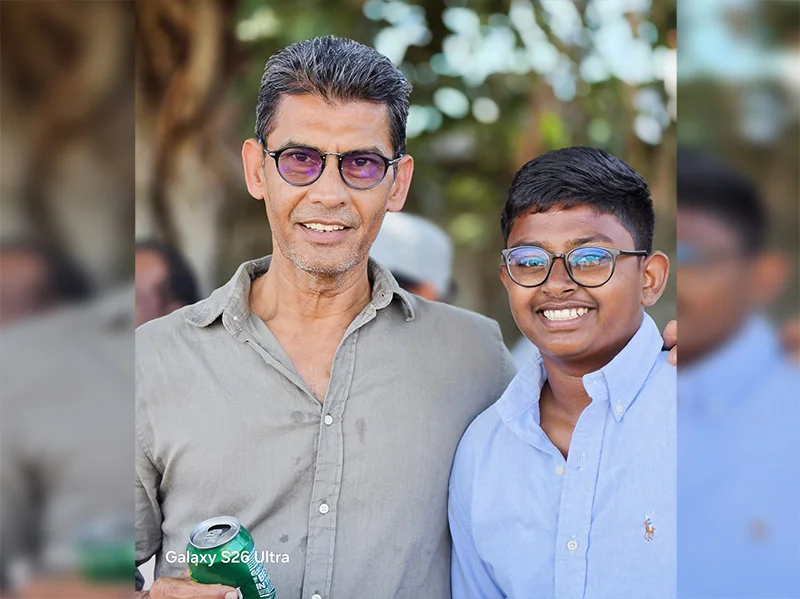
Behind the sightscreen, however, stands a quiet architect. Ruchira Palliyaguruge, a name that may not grab headlines but one that has been doing the hard yards. A former teammate of Sanath Jayasuriya at St. Servatius’, Ruchira was no mug with the bat or ball, enjoying a prolific domestic career after narrowly missing the national cap.
Post-retirement, he swapped spikes for the white coat, rising through the ranks to officiate on the ICC panel, standing in matches across the globe. But his most telling contribution has come away from the glare of international arenas.
In the aftermath of the Big Match triumph, it emerged that for two decades Ruchira had been quietly footing the bill for the school’s cricket coaches, no drum roll, no fanfare, just a man playing a straight bat for a cause close to his heart.
This has not been merely about opening his wallet. He has invested time, energy and know-how, ensuring the game at St. Servatius’ keeps moving in the right direction. Even after the boys hang up their school caps, he has remained in their corner, helping them find employment and navigate life beyond the boundary.
Good Samaritans like Ruchira are the need of the hour if outstation cricket is to stay in the game. While Colombo schools enjoy the luxury of deep pockets and old boys’ networks, many rural schools are forced to play on a sticky wicket. It is through the generosity and vision of individuals like him that the game continues to tick over smoothly beyond the city limits.

Showers may occur at a few places in the Sabaragamuwa province and in Galle, Matara, Kalutara and Nuwara-Eliya districts in the evening

Energy Minister indicted on corruption charges ahead of no-faith motion against him

Over 1000 complaints of misuse of QR quotas

Fuel bowser operators demand 25% hike in haulage charges

Charge sheet issued against former NIE Director for contempt of court

Sallay sent back to CID after being discharged from National Hospital

‘Dates have the highest sugar content to fight Coronavirus’

Sunday Island 27 December – Headlines

#SundayIsland 17th December – Headlines

Sunday Island – 28th March

Sunday Island Headlines – 21 March

Sunday Island – 21st February – Headlines
-

 News2 days ago
Senior citizens above 70 years to receive March allowances on Thursday (26)
-

 Features4 days ago
Trincomalee oil tank farm: An engineering marvel
-

 Business1 day ago
Dialog Unveils Dialog Play Mini with Netflix and Apple TV
-

 Features4 days ago
The scientist who was finally heard
-

 News1 day ago
US dodges question on AKD’s claim SL denied permission for military aircraft to land
-

 News2 days ago
CEB Engineers warn public to be prepared for power cuts after New Year
-
 News2 days ago
Japanese boost to Sri J’pura Hospital, an outright gift from Tokyo during JRJ rule
-

 News6 days ago
Colombo, Oslo steps up efforts to strengthen bilateral cooperation in key environmental priority areas