
News
Johnston, two sons and others further remanded for alleged misuse of Sathosa lorry


Former Minister Johnston Fernando, his two sons and two others were further remanded until 13 February by the Wattala Magistrate’s Court yesterday.The group was arrested by the Police Financial Crimes Investigation Division (FCID) over allegations of misusing a Sathosa lorry during Fernando’s tenure as Minister of Cooperative and Internal Trade.
It is alleged that the vehicle was used for operations linked to an ethanol company reportedly owned by Fernando, resulting in an estimated loss of Rs. 2.5 million to the state.
Fernando was arrested on 05 January. Earlier, on 09 January, a bail request was denied, and the suspects were ordered to remain in remand custody.
The investigation also led to the 30 December arrest of Fernando’s son, Johan Fernando, in Kurunegala. Former Sathosa Transport Manager Indika Ratnamalala was also taken into custody, accused of preparing forged documents related to the case.







Flawed, poorly planned and rushed education reforms could widen inequalities between urban and rural schools, teachers’ unions warned yesterday, criticising the government’s newly launched education reform programme, despite its formal inauguration earlier in the day.
Union leaders said essential resources needed to implement the reforms, including teachers’ guides, have yet to be issued, raising serious concerns over how educators are expected to deliver lessons under the new framework.
They urged the government and the Education Minister to suspend the rapid rollout of the reforms and undertake proper planning and consultations before implementing them nationwide.
Ceylon Teachers’ Union (CTU) Secretary, Joseph Stalin, addressing a press conference in Colombo on Thursday, cautioned that the reforms risk deepening existing disparities between urban and rural schools.
He drew attention to the new Grade 01 textbook, which reportedly includes 42 QR codes aimed at supporting digital learning. Stalin questioned the practicality of this approach for rural schools, where access to the internet and digital devices remains limited or non-existent.
“How are children in rural schools expected to access these facilities when internet connectivity and digital devices are either unavailable or very poor?” he asked.
Stalin also raised concerns over the absence of a clear long-term vision behind the reforms, stating that even policymakers have failed to clearly articulate the academic or developmental outcomes students are expected to achieve by the time they complete Grade 13.
Teacher preparedness was another major concern, he said, noting that educators assigned to teach under the new system have received training only for the first school term, while key instructional materials remain incomplete.
“Teachers do not even have a proper printed teachers’ guide,” Stalin said, adding that the guide is currently available only online, making it further disadvantageous to schools with weak digital infrastructure.The unions warned that proceeding with the reforms under such conditions could undermine the quality of education and place both teachers and students at a disadvantage.

IGP Priyantha Weerasooriya yesterday said that the Police were currently facing a shortage of nearly 32,000 personnel, with the service operating well below its required strength.
He made these remarks while attending a ceremony held yesterday morning (30) to appreciate the contribution of fingerprint officers, crime analysis officers, and forensic photographers attached to the Criminal Investigation Department for their role in solving crimes.
Addressing the gathering, the IGP noted that 2,500 police officers are due to retire this year, while a further 2,700 officers are expected to retire next year.
In light of the situation, he said that plans are underway to recruit 10,000 new officers to the Sri Lanka Police in the future.
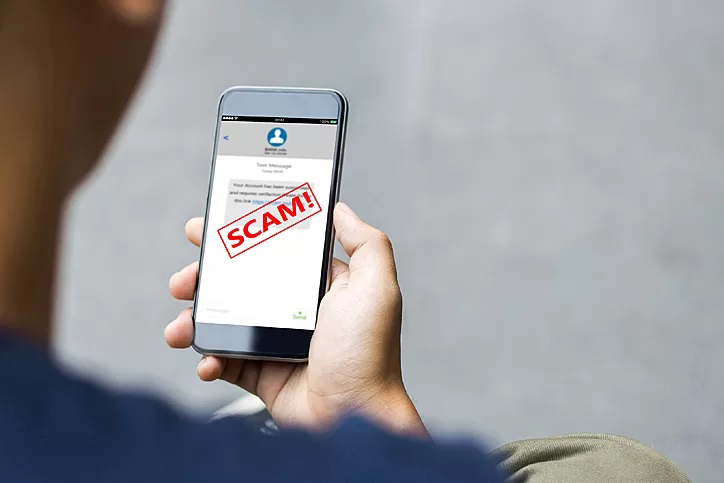
Sri Lanka CERT has alerted the public to a rising credit card scam involving fake SMS messages and online alerts claiming cards have been suspended due to “suspicious activity.”Victims are tricked into clicking links and entering personal information, including NIC numbers, after being warned their cards will be cancelled within 24 hours. Scammers then use this data and obtain OTPs to steal funds from accounts, CERT said yesterday in a statement, titled Public Advisory: Financial Fraud – Do Not be Deceived by Bank or Police Impersonation Scams’.
Full text of the statement: Sri Lanka CERT has received multiple complaints regarding an ongoing fraudulent scheme in which scammers send SMS messages and online notifications falsely claiming that credit cards have been suspended, with the intention of unlawfully obtaining money and personal information from the public.
Approach Used by Fraudsters
1. Fake Bank Alerts via SMS and Online Messages
It has been reported that scammers send messages stating that a credit card has been suspended due to “suspicious activity,” often mentioning the names of several well-known banks to appear credible. Recipients are instructed to reactivate their cards by clicking on a link and providing sensitive personal information, including their National Identity Card (NIC) number.
These messages typically warn that the card will be permanently cancelled if the information is not provided within 24 hours, creating a sense of urgency. Alarmed recipients may then click on the link and submit their details. Subsequently, fraudsters gain access to the victims’ bank accounts, send a One-Time Password (OTP) to the victim’s phone, obtain that OTP through deception, and proceed to steal funds from the account.
2. Police Impersonation via WhatsApp Video Calls
In another reported method, some victims have received WhatsApp video calls from individuals dressed in police uniforms, impersonating Assistant Superintendents of Police. These callers claim that a criminal is in police custody and allege that the criminal has used the victim’s name and NIC details to obtain credit cards from multiple banks and commit large-scale fraud.
The impersonators pressure and intimidate victims by questioning them while quoting their NIC numbers and bank account details. Complaints indicate that this information is often data previously obtained through earlier fraudulent messages but is presented in a way that makes victims believe it is being accessed by law enforcement. Victims are then threatened with arrest, leading to some transfer of large sums of money in an attempt to avoid legal action.
Advisory to the Public
Sri Lanka CERT strongly urges the public to:
Never share personal or financial information, including NIC numbers, card details, passwords, or OTPs, through unknown or unverified links received via SMS, email, or online messages. Be cautious of unsolicited calls or video calls, even if the caller claims to be a police officer or bank official. Verify directly with your bank or the relevant authorities using official contact details before taking any action. Report suspected fraud immediately to your bank. Staying vigilant and informed is essential to protecting yourself and others from these fraudulent activities.

ICC and World Cricketers Association clash over player terms ahead of T20 World Cup

U 19 World Cup: Faisal Khan’s ton helps Afghanistan cruise into semifinals

U19 World Cup: England qualify for semifinals

Curran hat-trick caps England win in rain-shortened series opener

Showers in the Northern, North-Central, North-western, Eastern, Central and Uva provinces

Teacher unions cry foul over muddled educational reforms

‘Dates have the highest sugar content to fight Coronavirus’

Sunday Island 27 December – Headlines

#SundayIsland 17th December – Headlines

Sunday Island – 28th March

Sunday Island Headlines – 21 March

Sunday Island – 21st February – Headlines
-
 Business5 days ago
ComBank, UnionPay launch SplendorPlus Card for travelers to China
-
 Business6 days ago
ComBank advances ForwardTogether agenda with event on sustainable business transformation
-
 Opinion6 days ago
Conference “Microfinance and Credit Regulatory Authority Bill: Neither Here, Nor There”
-
 Business2 days ago
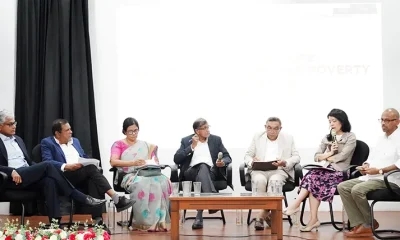
Climate risks, poverty, and recovery financing in focus at CEPA policy panel
-

 Opinion1 day ago
Sri Lanka, the Stars,and statesmen
-

 Opinion5 days ago
Luck knocks at your door every day
-

 News6 days ago
Rising climate risks and poverty in focus at CEPA policy panel tomorrow at Open University
-

 Business2 days ago
Bourse positively impacted by CBSL policy rate stance