
Life style
It’s Major: Pets poised for a return to the White House

WASHINGTON —
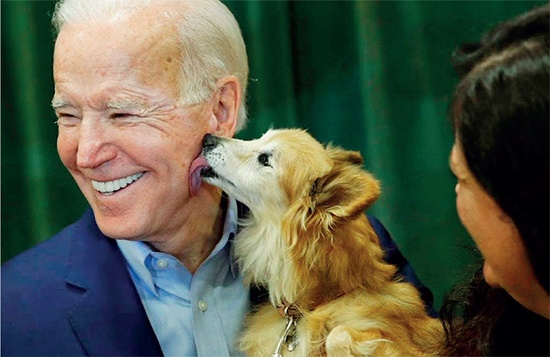
Major Biden is getting an early start in the spotlight as a presidential pet after a play date ended with his owner, President-elect Joe Biden, suffering a broken foot. As if that weren’t enough for one weekend, it was also confirmed that Major will have to share the White House with, of all things, a cat.
It’ll get better, Major.
In a few weeks, Major, fellow German shepherd Champ and the TBD feline are expected to make the move to the White House. Presidential pets provide their owners with a source of comfort, entertainment, occasional drama and generally good PR.
The arrival of the Biden pets will also mark the next chapter in a long history of pets residing at the White House after a four-year hiatus during the Trump administration.
“Pets have always played an important role in the White House throughout the decades,” said Jennifer Pickens, an author who studies White House traditions. “It not only provides companionship to the president and their family, but I believe it also humanizes and softens their political image.”
Having a dog or cat will give some pet-loving constituents a connection with the president, added Tom Whalen, a presidential historian at Boston University.
“When a president, the leader of the country, the leader of the free world really, is seen with a dog or a cat, you know, basically there is a bond that they have with their public, whether they’re Republican or Democrat,” Whalen said.
President Theodore Roosevelt had Skip, who is described by the White House Historical Association as a “short-legged Black and Tan mongrel terrier brought home from a Colorado bear hunt.” Warren G. Harding had Laddie Boy, who sat in on meetings and had his own Cabinet chair. And President Franklin Delano Roosevelt had his beloved terrier Fala. At night, Fala slept in a special chair at the foot of the president’s bed.
More recently, President George H.W. Bush’s English springer spaniel Millie was featured on “The Simpsons” and starred in a bestseller, “Millie’s Book: As dictated to Barbara Bush.” Hillary Clinton followed Bush’s lead with a children’s book about family dog Buddy and cat Socks: “Dear Socks, Dear Buddy: Kids’ Letters to the First Pets.”
When he declared victory in the 2008 presidential race, Barack Obama told his daughters: “You have earned the new puppy that’s coming with us to the White House.” Several months later, Bo joined the family, a gift from Sen. Ted Kennedy. A few years later, fellow Portuguese water dog Sunny would arrive to provide companionship.
Some notable pets belonged to first kids, including Amy Carter’s Siamese cat, Misty Malarky Ying Yang, and Caroline Kennedy’s pony, Macaroni. The Kennedy family had a veritable menagerie, complete with dogs, cats, birds, hamsters and a rabbit named Zsa Zsa.
President Harry Truman famously said that “If you want a friend in Washington, get a dog.” It should not be a surprise that many presidents have taken him up on that advice. The first President Bush once said, “There is nothing like the unconditional love of a dog to help you get through the rough spots.”
“From a presidential perspective, you know, a dog or cat or horse, they’re great because they’re nonjudgmental. They’re going to give you their unqualified love. And they’re not going to criticize what you did in Somalia or how the economy is doing,” Whalen said. “The pets are always there for you. And I think presidents, whether you’re a Democrat or Republican, need that kind of reassurance from time to time, given how things are.”–BBC


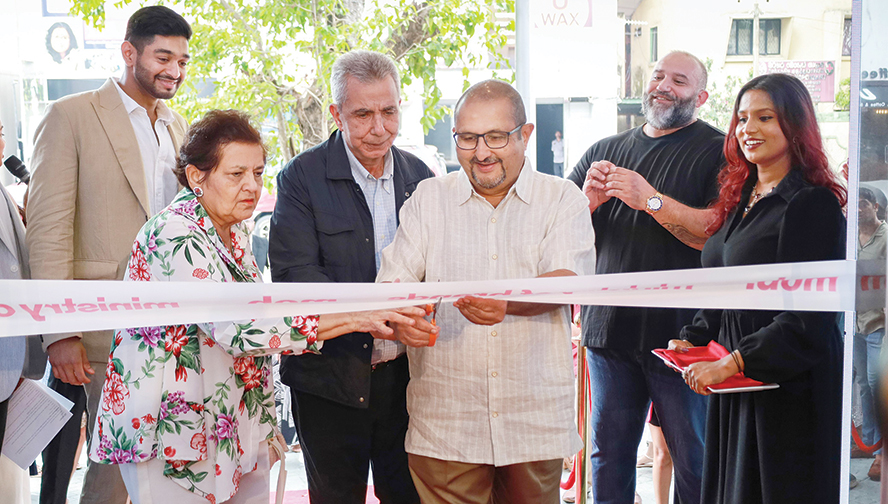
The City of Colombo has welcomed a bold new entrant to its retail landscape. Ministry of Brands – a concept that feels less like a fashion statement. Set along the very buzzing stretch of Vajira Road, Ministry of Brands arrives with a promise that instantly captures the imagination: – global luxury redefined for the Sri Lankan shopper. From the structured elegance of Gucci to the timeless sophstication of Ralph Laurent and modern glamour of Michael Kors, the store looks a curated passport to the world’s most desired brands.
Backed by the legacy and strength of Akbar Brothers, this venture singals a confident step forward for Sri Lanka’s retail evolution.
Ministry of Brands (MoB), Sri Lanka’s first off-price retailer, officially opened its doors to the public, marking a new era in the country’s retail landscape.
The 10,000 sq. ft. flagship store, located at Vajira Road, R.A. De Mel Mawatha, Colombo 4, welcomed guests to an exclusive preview recently, offering a first look at its expansive collection of authentic global luxury and premium brands at discounts of up to 90 percent off original retail prices.
Backed by Akbar Brothers, Ministry of Brands introduces the globally established off-price retail model to Sri Lanka and the wider South Asian region. The concept enables customers to purchase genuine designer and brand-name products at significantly reduced prices, with new pieces landing and replenishing in store daily, offering a dynamic “treasure-hunt” shopping experience and a constantly changing selection.
Off-price retail remains one of the fastest-growing global retail segments, enabling fashion houses to manage excess inventory while responsibly expanding access to premium products.
-

- Director of Mob, Aamir Akbarally; Chairman of Akbar Brothers, Tyeab Akbarally and Chairman of Mob, Hussain Akbarally
-
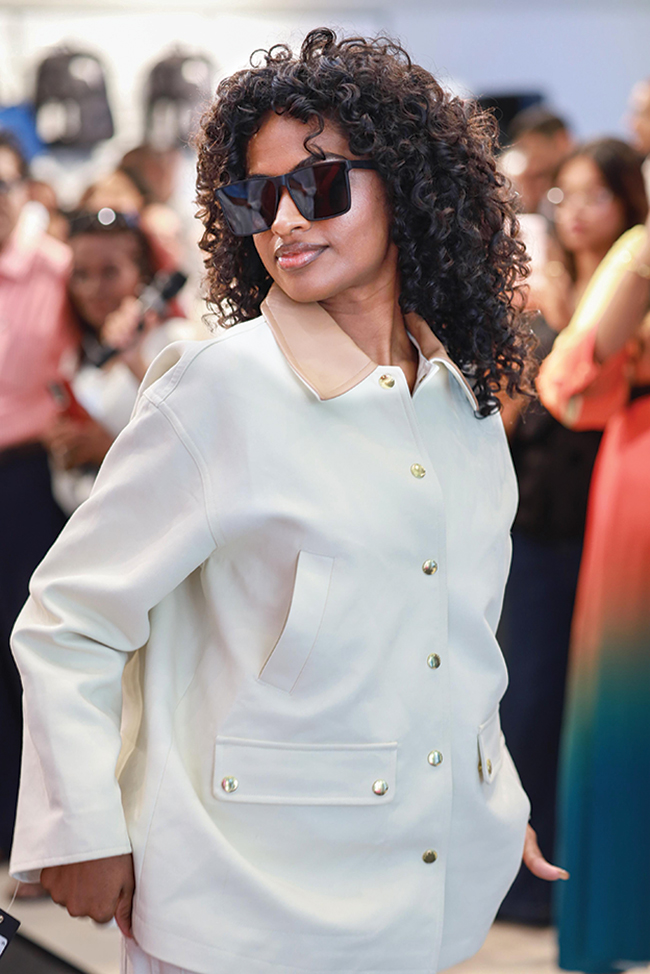
- Where style meets statement
-

- Fashion experience
-

- New chapter in luxury retail
-

- Curated elegance
-

- Fashion finds its finest expression
Offering more than 2,000 international brands sourced from Europe and the United States, the store features a wide range of categories, including womenswear, menswear, childrenswear, footwear, handbags, accessories, performance wear and homeware. Renowned global labels available at M.O.B include Valentino, Salvatore Ferragamo, DKNY, Michael Kors, Ralph Lauren, Farm Rio, Staud, Alice + Olivia, Burberry, Rag & Bone, Lacoste, Puma, UGG, HOKA, Brooks and Air Jordan, among many others.
Commenting on the launch, Director Aamir Akbarally stated: “We are very excited to finally make authentic global luxury and premium brands more accessible and affordable to Sri Lankans. Ministry of Brands signals the beginning of a new era in Sri Lanka’s retail sector. The response so far has been fantastic, as a family-owned business, we shall always be committed to delivering genuine value, transparency and a world-class shopping experience built on longstanding values of integrity, quality and trust.”
Director Ramzey Hammoud added: “Off-price retail is globally recognised for its ability to combine value with sustainability. Our customers can now shop designer brands locally at the best possible prices, while enjoying a constantly evolving selection of products that makes every visit unique.”
Following its Colombo flagship launch, Ministry of Brands is set to open its second location at One Galle Face Mall in March 2026. Ministry of Brands is open from 10.00 am to 10.00 pm every day. For more information, visit www.ministryofbrands.com.
By Zanita Careem
On a quiet morning, as Dr. Kelum Manamendra-Arachchi celebrates another year of life, it is not difficult to imagine him where he has always belonged—somewhere between forest and memory, between bone and history, between the living and the extinct.
For more than 25 years, he has shared his knowledge generously with the Sunday Island, often referring to it with unmistakable affection as his favourite newspaper. To generations of readers, he has been more than a scientist.
He has been an interpreter of the natural world, a man who helped Sri Lanka see itself more clearly.
His life’s work has unfolded not in pursuit of recognition, but in pursuit of truth.
Sri Lanka, an island small in size but vast in biological richness, holds within its forests and streams a remarkable concentration of life. Yet, for much of the 20th century, many of its smallest and most fragile creatures lived and vanished without scientific record.
The pioneering zoological work of P.E.P. Deraniyagala had once drawn the world’s attention to the island, but the decades that followed saw fewer explorers willing to continue that difficult journey of discovery.
It was into that silence that Kelum Manamendra-Arachchi quietly stepped.
His fascination with animals began in childhood, when he joined the Young Zoologists’ Association at the Dehiwala Zoo. It was there, among cages and curiosity, that he first learned the discipline of observation. He was not content simply to see. He wanted to understand.
-
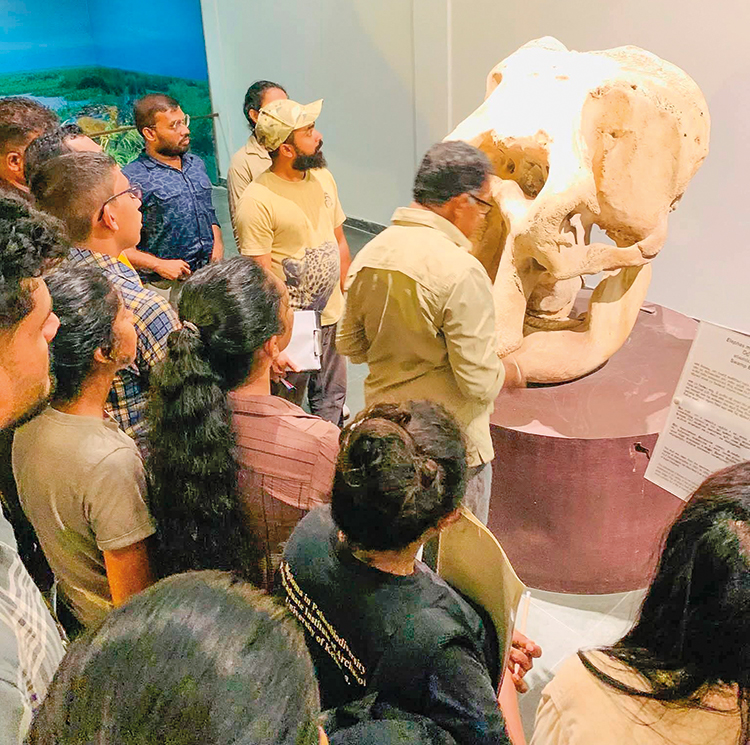
- Museum study led by Kelum
-
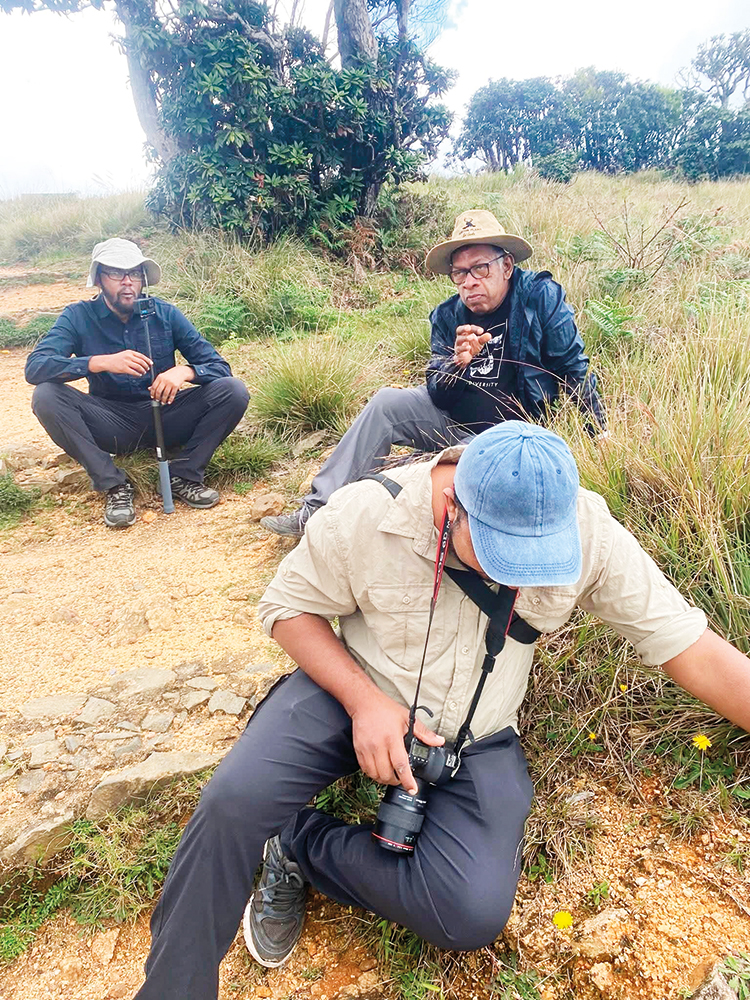
- Field inspection
That desire would shape his destiny.
While still young, he was invited to assist researchers in identifying animal bones recovered during archaeological excavations. It was a rare responsibility, and he approached it with uncommon seriousness. Where others saw fragments, he saw identity. Where others saw remains, he saw continuity.
Bones became his language.
In the early 1990s, his meeting with conservationist and taxonomist Rohan Pethiyagoda marked a turning point—not just in his life, but in Sri Lanka’s scientific history. Together, they helped build the Wildlife Heritage Trust, an institution dedicated to uncovering the island’s hidden biodiversity.
At the time, many of Sri Lanka’s amphibians, reptiles, and small mammals remained scientifically invisible. They existed in forests and streams, unnamed and unrecognised.
Dr. Manamendra-Arachchi set out to change that.
His search took him across continents to the great natural history museums of Britain, France, India, and Singapore. There, in quiet halls filled with preserved specimens, he compared bones and bodies, carefully tracing the identity of species across time and geography. It was meticulous, patient work—the work of someone who understood that discovery begins with attention.
In 1996, he co-authored a landmark study on Sri Lanka’s amphibians, reshaping scientific understanding of these delicate creatures. But it was in 2005 that his work would astonish the global scientific community.
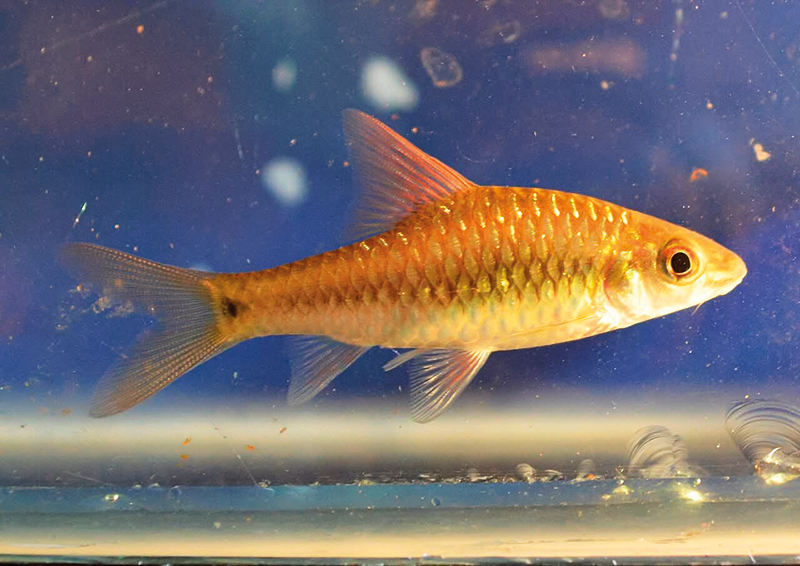
In a single paper, he and his colleagues described 27 new species of shrub frogs—an extraordinary achievement that revealed Sri Lanka as one of the world’s most important centres of amphibian diversity. Scientists around the world turned their attention to the island, newly aware of the richness that had long remained hidden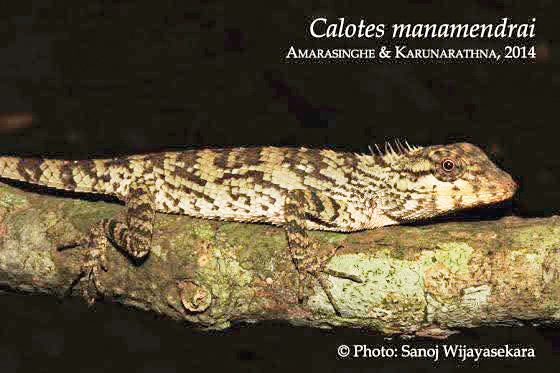 .
.
Through his work, Sri Lanka’s forests began to speak.
Yet Dr. Manamendra-Arachchi understood that science must not remain confined to laboratories or journals. It must belong to people. In 2007, he published a book on Sri Lanka’s amphibians in Sinhala, opening the doors of knowledge to young students across the country. For many, it became a first step into scientific discovery.
He did not merely document biodiversity. He inspired those who would protect it.
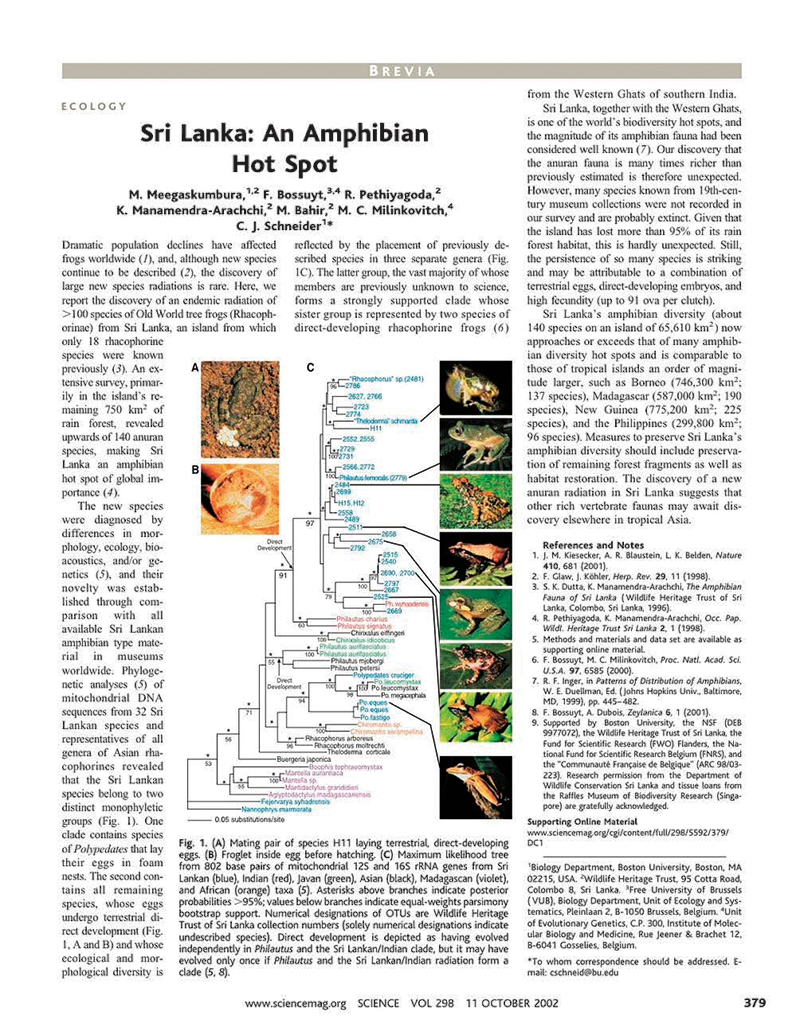
Sri Lanka amphibian hot spot -The Island exclusively reported
His work extended beyond living species into deep time itself. Through the study of fossil remains found in Sri Lanka’s ancient gem-bearing gravels, he reconstructed animals that had vanished thousands of years ago. With scientific precision and artistic insight, he brought extinct creatures back into human understanding.
He reminded us that Sri Lanka’s story is older than memory.
Those who know him personally speak of his remarkable ability to connect science with life. He can move effortlessly from discussing frog evolution to ancient civilisations, from fossil anatomy to art and philosophy. His lectures are filled not only with knowledge, but with wonder.
He is, above all, a teacher.
In recognition of his immense contributions, the University of Sri Jayewardenepura awarded him an honorary doctorate in 2022. Species have been named in his honour, ensuring his legacy will remain permanently embedded in the natural world he helped reveal.
Yet he remains unchanged—quiet, thoughtful, and deeply committed to discovery.
Even today, he continues his work, guiding students, advising researchers, and sharing his knowledge with the public.
His curiosity remains undiminished, his purpose undisturbed by time.
On his birthday (Feb 16) it is fitting that Sri Lanka pauses to reflect on his extraordinary journey.
For he did more than study animals.
He gave identity to the unnamed.
He gave meaning to the forgotten.
He gave Sri Lanka a deeper understanding of itself.
And in forests where bones still lie hidden beneath fallen leaves, waiting patiently for someone to listen, Dr. Kelum Manamendra-Arachchi continues to hear their stories.
By Ifham Nizam
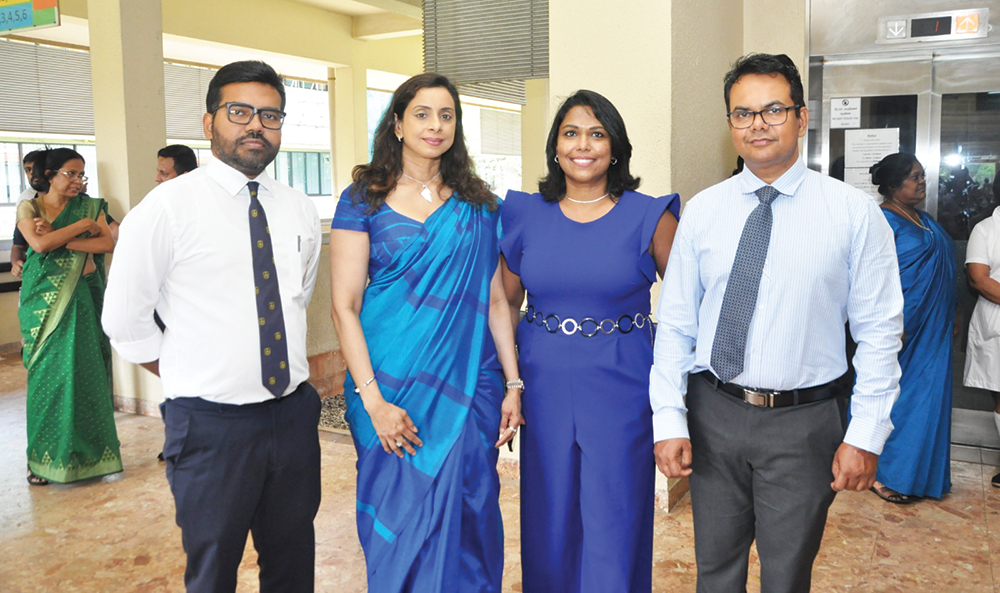
At the core of Jayewardene Hospital is the Organ Transplant Unit. For hundreds of patients suffering from end stage organ failure, the hospital has become a place of renewed possibility. Many arrive after years of dialysis, physical exhaustion and emotional strain. Through transplants they are given not extended life but return to normaly For the doctors each transplant is a responsibility. For the recipients it is a new beginning. And for donor families it is a way for love to endure beyond loss.
The Organ Donation Day at Sri Jayewardenepura General Hospital unfolded as a deeply moving tribute to life, loss and the extraordinary courages that connects the two. Bringing together donor families, medical professionals and survivors whose lives have been transformed, the event was not merely ceremonial but it was profoundly humane.
From the very beginning, there was a quiet stillness, it was the kind of stillness that carried a Semotion unspoken yet deeply felt.
Families walked in with holding memories and a strength that only those who have lived and lost can truly understand. Yet beneath the grief there was something else. There was purpose, because here loved ones were not only remembered, but celebrated for the lives they continue to hold.
At the heart of all, stood doctors and the transplanted teams, the quiet bridge between lost and life. For them organ donation is not simply clinical, it is deeply personal. They carry the weight and hope often with the same moment.
-
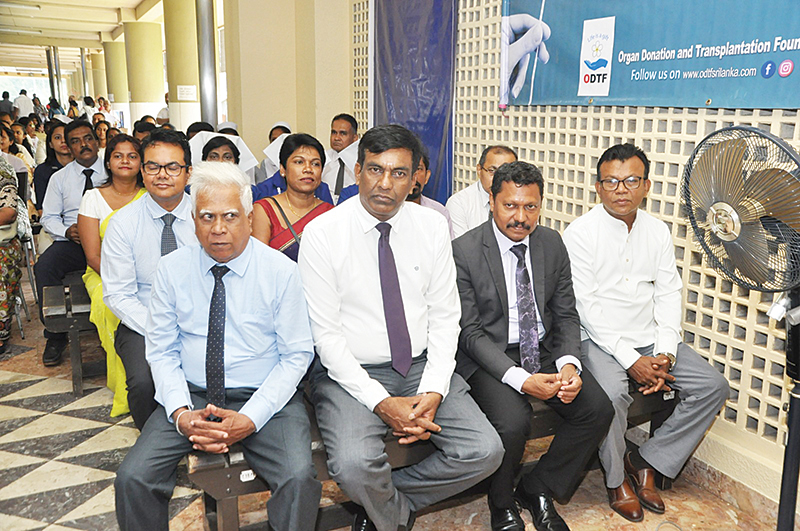
- A team bound by purpose-saving lives
One of the most poignant moments of the ceremony was the presentation of white roses to the families of the donors.
Simple but pure and deeply symbolic, each white rose represented remembrance, peace and the enduring hearts of life given selflessly. As each flower was handed over, there were tears but also quiet smiles.
It was a kind gesture that said what words often cannot, and never forgotten. The lighting of the traditional oil lamp further deepend the emotion of the day. Each flame symoblised a life carried forward ,a reminder that even in loss, there is light.
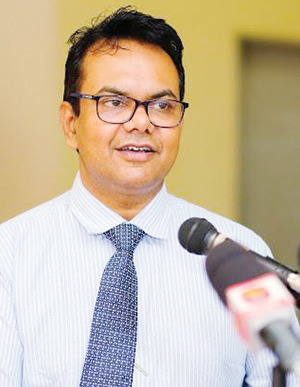
Dr Niroshan Seneviratne,visionary behind Jayewardene Hospital transplant surgery
This ceremony was organised by the Organ Donation and Transplantation Trust Fund based at Sri Jayewardenepura General Hospital.
This fund was co-founded by Dr. Niroshan Seneviratne, Consultant Urogolist and Transplant Surgeon Dr. Chamila Pilimatalawwe Consultant Anaesiologist and Dr. Chintana Galphitiyawa Consultant Nephrologist. The Chief Guest was Ven. Professor Medgampitiye Wijithadhamma, Guest of honour.was Peter D’Almeida The special guest was Dr. Hansaka Wijemanu ,Deputy Minister of Health. Other special included Dr. Dammika Alahpperuma, MP Dewanande sSuraweera ,Chairman of the hospital Dr Thamara Kalubowila, Director of the hospital Dr Dhammika Alahahaperuma, Sandya Tennekoon and Kareem Amath, Board of Trustee member, Dr Gamini Samarasekera, Auditor Dr Chanaka Abeyratne, consultant Nephrologist
As the proceedings began, the families stood motionless, united by circumstances but compassion and shared humanity. Throughtout the ceremony one message resonated deeply, Organ Donation is not about statistics or procedures it is about people. It is about finding meaning even in the most difficult goodbyes. Among the many voices, the transplant surgeon Dr. Niroshan Seneviratne, a name deeply respected in the country’s transplant landscape, spoke with quiet conviction .Dr. Seneviratne reflected on the journey of organ transplantation in Sri Lanka. Every donar is a hero he emphasised, his voice steady yet filled with emotion “Behind every transplant is a family that chose to give life in their darkest hour.”
Sri Lanka’s organ transplant programmes has steadily grown over the years, particularly in Kidney transplants, offering hope to thousands of chronic renal diseases. This day also honoured the tireless medical teams working behind the screen, surgeons, ICU staff volunteers. Their work often unseen, is nothing short of extraordinary. Organ Transplant Day is not just a date on the calender. It is a celebration of life, of giving, and of the extraordinary power of human kindness.
-
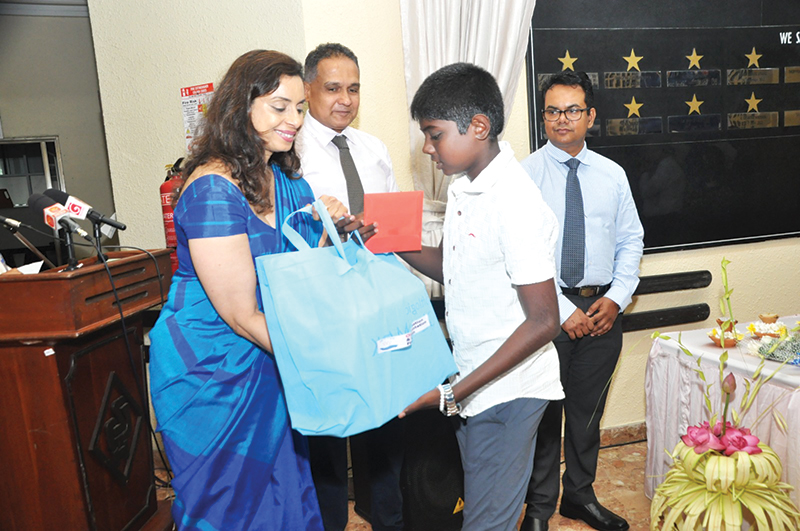
- Small tokens, immense gratitude honouring heroes behind every transplant
-
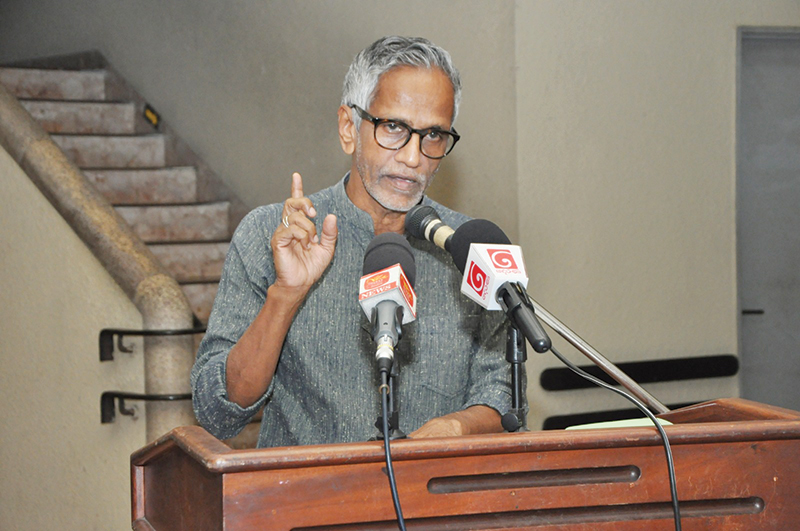
- Peter D’ Almeida- guest of honour
-
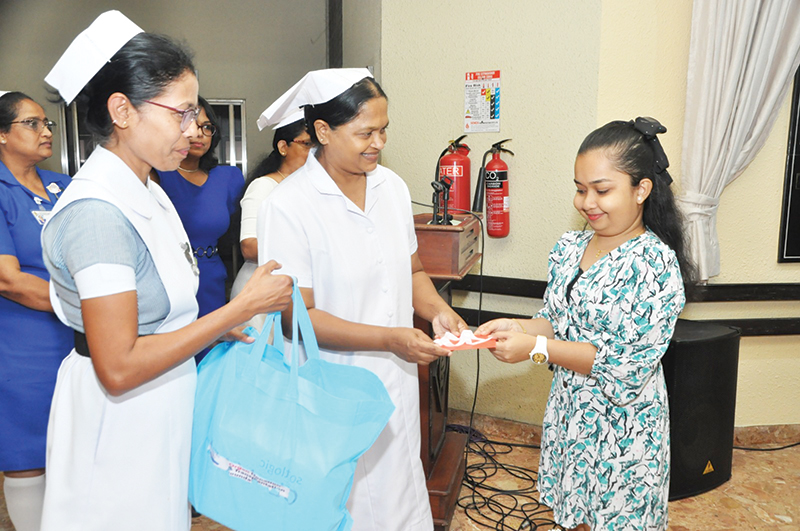
- Every gift tells a story of hope and graditude
-
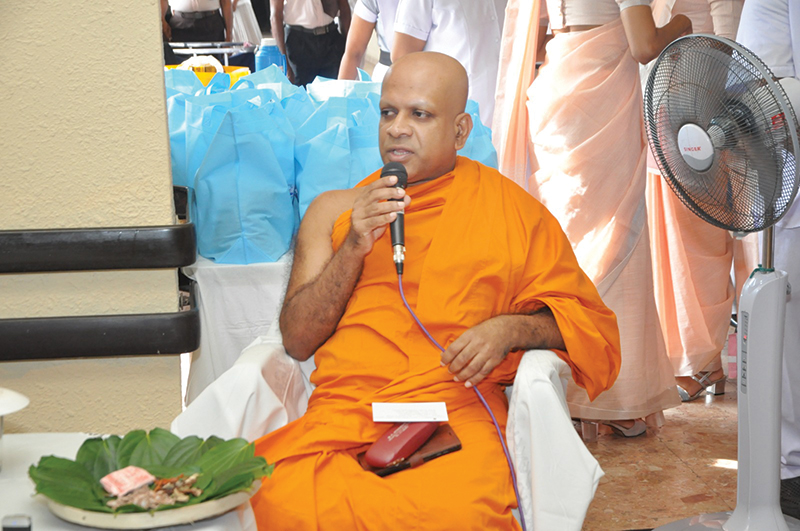
- Chief guest Ven Professor Medagampitiye Wijithadhamma
Pix by Thushara Attapathu
By Zanita Careem

England elect to field first at Wankhede

Iran denies its drones hit airport in Azerbaijan’s exclave as war widens

Daren Sammy issues plea as West Indies remain stuck in Kolkata hotel

Nepal election 2026: When will we get the results?

‘It’s so good to be home’ – passengers on Dubai-Dublin flight

India’s momentum meets Wankhede’s memory in big semifinal bout

‘Dates have the highest sugar content to fight Coronavirus’

Sunday Island 27 December – Headlines

#SundayIsland 17th December – Headlines

Sunday Island – 28th March

Sunday Island Headlines – 21 March

Sunday Island – 21st February – Headlines
-

 Features4 days ago
Brilliant Navy officer no more
-

 Opinion7 days ago
Jamming and re-setting the world: What is the role of Donald Trump?
-
 Features7 days ago
An innocent bystander or a passive onlooker?
-

 Opinion4 days ago
Sri Lanka – world’s worst facilities for cricket fans
-

 Business7 days ago
An efficacious strategy to boost exports of Sri Lanka in medium term
-

 Business1 day ago
Cabinet nod for the removal of Cess tax imposed on imported good
-
 Features5 days ago
Overseas visits to drum up foreign assistance for Sri Lanka
-

 Features4 days ago
A life in colour and song: Rajika Gamage’s new bird guide captures Sri Lanka’s avian soul