
News
InSPIRE launch Incubator Spaces for free expression, information rights, and innovation at USJ


by PRIYAN DE SILVA
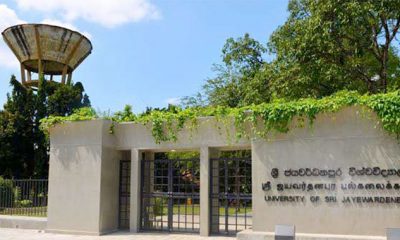
InSPIRE (Incubator Space for Promoting Information Right and Freedom of Expression) launched an incubator space at the Department of Sinhala and Mass Communication of the University of Sri Jayewardenepura last week.
An Incubator Space is an integrated learning space that provides opportunities for multi-disciplinary learning, networking, collaboration with resource persons, media sector professionals and peer learning for aspiring young media and journalism students. Each incubator space is equipped with a broadcasting area, media equipment, co-working space, a lounge area and conference facilities.
Sri Jayewardenepura is the third University in Sri Lanka where HELVETAS Intercooperation gGmbH Sri Lanka, under the InSPIRE project, has established an incubator space. The other two incubator spaces were established in collaboration with Media and Journalism students and lecturers at the Department of Agriculture Extension at the University of Peradeniya and the Department of Media Studies at the University of Jaffna.
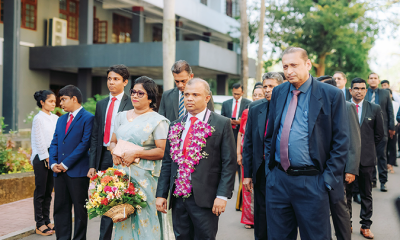
The opening ceremony, at the University of Sri Jayewardenepura, comprises a visual tour of the space with students presenting their experiences through the project, and a reflective session by the students of Mass Communication who shared their insights on the importance of the newly established incubator space.
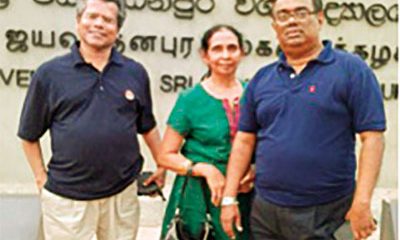
Nicolas Gerrad – International Aid Cooperation Officer and Programme Manager, Delegation of the European Union to Sri Lanka and the Maldives; Prof. Shirantha Heenkenda – Dean of the Faculty of Humanities and Social Sciences, Chandula Kumbukage; Project Manager of the InSPIRE Project HELVETAS, Dr. Samantha Ratnayake, Chairperson Sri Lanka Development Journalist Forum (SDJF), Dr. Senani Harischandra – Coordinator Mass Communication and Senior lecturer, Department of Sinhala and Mass Communication, Dr. Senesh Dissanayake – Senior Lecturer Department of Sinhala and Mass Communication, Imesha Dharmasena, Azad Mohammed – Programme Director of SDJF, staff members of HELVETAS and SDJF, faculty members and undergraduate students of Mass Communication at the University of Sri Jayewardenepura were present at the opening.
The project “Incubator Space for Promoting Information Right and Freedom of Expression” (InSPIRE) is funded by the European Union and co-implemented by HELVETAS Intercooperation gGmbH Sri Lanka and Sri Lanka Development Journalists Forum.









Latest News
Expedite the cleaning of Colombo’s canals and drainage systems within the next two weeks – PM instructs officials

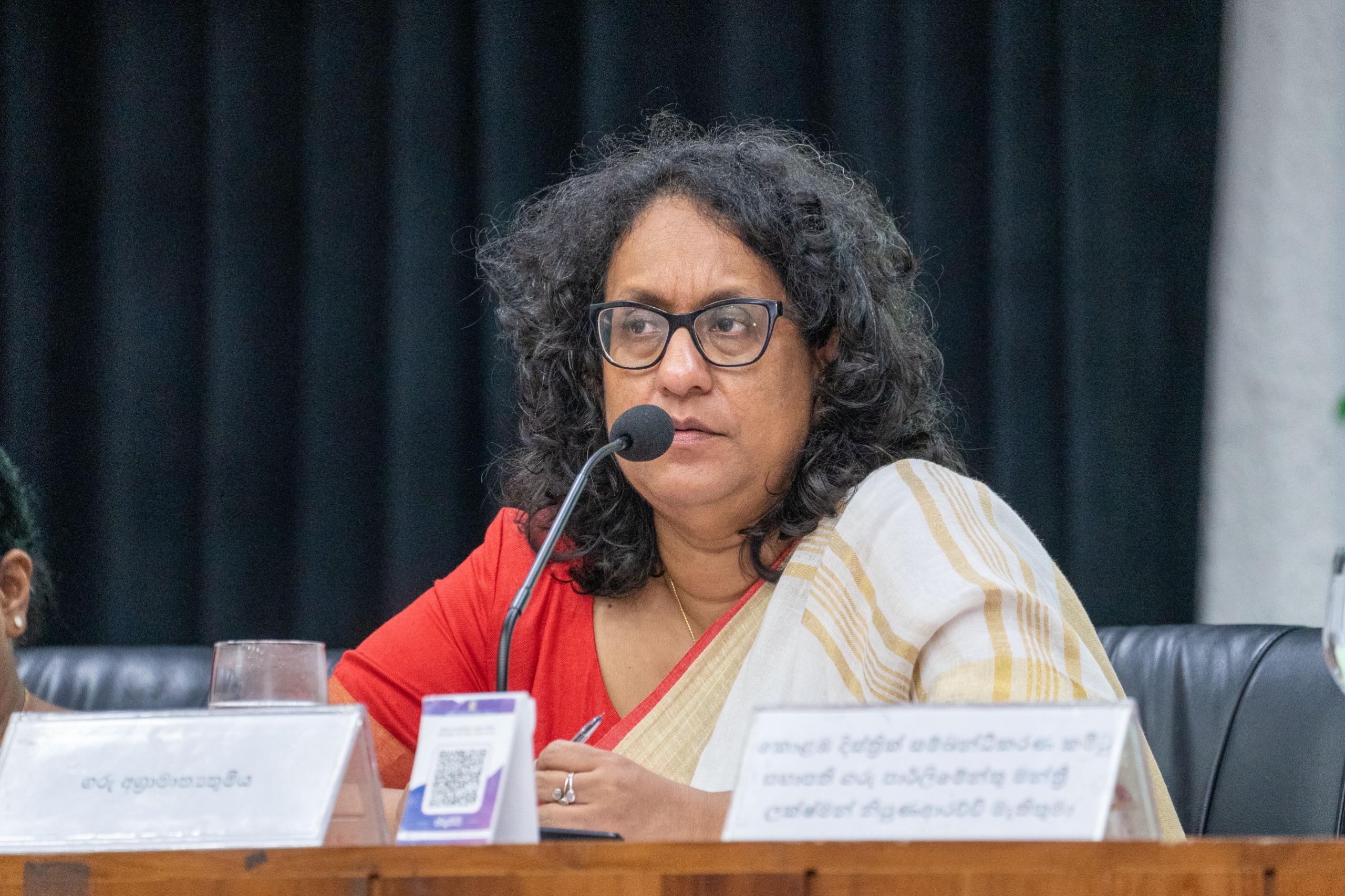
[Prime Minister’s Media Division]
Approval has been granted at the Cabinet meeting held on 22.07.2024 to publish the draft bill of State Assets Management Act in the government gazette notification and thereby present it to the Parliament for its concurrence.
However, the draft bill couldn’t be passed in Parliament as a result of the Parliament being dissolved in the month of October 2024.
Thereafter, the draft bill was subject to further inspection by a
committee appointed which comprised of officials and authorities on the subject.
The said Committee has recognized the amendments to be made and a fundamental draft has been prepared including the proposed amendments.
Accordingly, the Cabinet of Ministers approved the resolution furnished by the President in his capacity as the Minister of Finance, Planning and Economic Development to suspend further activities regarding the draft bill of State Assets Management Act published in the extraordinary gazette of 02.08.2024, and to direct the Legal Draftsman to prepare a draft bill based on the fundamental draft prepared by the subject specialists’ committee.
Considering the compliance of the Cooperative Societies’ operations with the concurrent socio – economic circumstances as well as the changes in the common law, the requirement of amending the Cooperative Employees Commission Act No. 12 of 1972 has been recognized.
A fundamental draft including proposed amendments based on the experience gained by that Commission as well as the opinions and proposals of Cooperative societies, their director board members, cooperative employees and other interested parties has been prepared.
Accordingly, the Cabinet of Ministers granted approval to the resolution furnished by the Minister of Trade, Commerce, Food Security and Cooperative development to provide instructions to the Legal draftsman to prepare a draft bill to amend the Cooperative Employees Commission Act No. 12 0f 1972, based on the said fundamental draft.

Missiles intercepted near Riyadh after Saudi coalition hits Yemen fuel depot

MI5 chief warns of threats to UK from Russia, Iran and AI

Pope diagnosed with lung cancer but had successful surgery, Vatican says

Expedite the cleaning of Colombo’s canals and drainage systems within the next two weeks – PM instructs officials

Kusal Mendis’ unbeaten 87 hands Sri Lanka consolation win

Cabinet approves redrafting of State Assets Management Act

‘Dates have the highest sugar content to fight Coronavirus’

Sunday Island 27 December – Headlines

#SundayIsland 17th December – Headlines

Sunday Island – 28th March

Sunday Island Headlines – 21 March

Sunday Island – 21st February – Headlines
-

 Features6 days ago
The Sri Lankan who made Scottish history
-

 Sports6 days ago
Nissanka absence opens door for Sri Lanka’s young guns
-

 News5 days ago
NDB fraud Rs 60mn more than reported
-

 News7 days ago
Gnansara Thera to be assigned to prison printing section: Officials
-

 News5 days ago
Removing monk’s robes matter for Sangha to decide: Mahanayake Theras
-
 News7 days ago
OIC of FCID summoned before Maligakanda Magistrate
-
 News6 days ago
Shiranthi R remanded until 13 Oct.
-

 Features6 days ago
Future of Sri Lanka’s state university system: Should it be shut down and reopened?