
News
Indian stocks slump on global monetary policy tightening; Rupee at new low


Indian stocks extended their losses from the previous session and declined further on Friday morning following the latest policy rates hike by the US Federal Reserve in its fight against high inflation.At 10.05 am, Sensex and Nifty traded in the 0.8-0.9 per cent range. Further tightening of monetary policy in the US essentially means that investors will have a tendency to move to the US markets for better and stable returns.
Meanwhile, the Rupee tasted yet another lifetime low on Friday morning after the US dollar index strengthened to a two-decade high this week, on hopes that demand for safe-haven currency such as the dollar would pick up.This morning, the Rupee opened 25 paise lower to touch a record low of 81.09 versus the US dollar, against Thursday’s close of 80.86. Yesterday’s depreciation was the biggest single-day fall for the rupee since February 24.
The US Federal Reserve had raised the repo rate by 75 basis points — which is the third consecutive hike of the same magnitude, in line with expectations. The Fed also hinted that more rate hikes were coming and that these rates would stay elevated until 2024.The US central bank seeks to achieve maximum employment and inflation at the rate of 2 percent over the long run and it anticipates that the ongoing hikes in the target range will be appropriate.
Raising interest rates is a monetary policy instrument that typically helps suppress demand in the economy, thereby helping the inflation rate decline.Consumer inflation in the US though declined marginally in August to 8.3 per cent from 8.5 percent in July but is way above the 2 percent goal.
India’s forex reserves are at two-year low. The reserves have dropped by almost USD 80 billion since the escalation of the Russia-Ukraine tensions into war earlier this yearIndia’s forex reserves have been consistently dropping for the past few month, on account of RBI’s likely intervention in the market to defend the depreciating rupee.
Typically, the RBI intervenes in the market through liquidity management, including through the selling of dollars, with a view to preventing a steep depreciation in the rupee.A depreciation in the rupee typically makes imported items costlier. “The Dollar Index may continue with its positive bias as the US Fed decided to raise interest rate by 75 bps, for a third consecutive month and signalled that it would continue to lift rates this year at a most rapid pace to combat inflation, which is running hot,” said ICICI Securities.
– Statesman/ANN

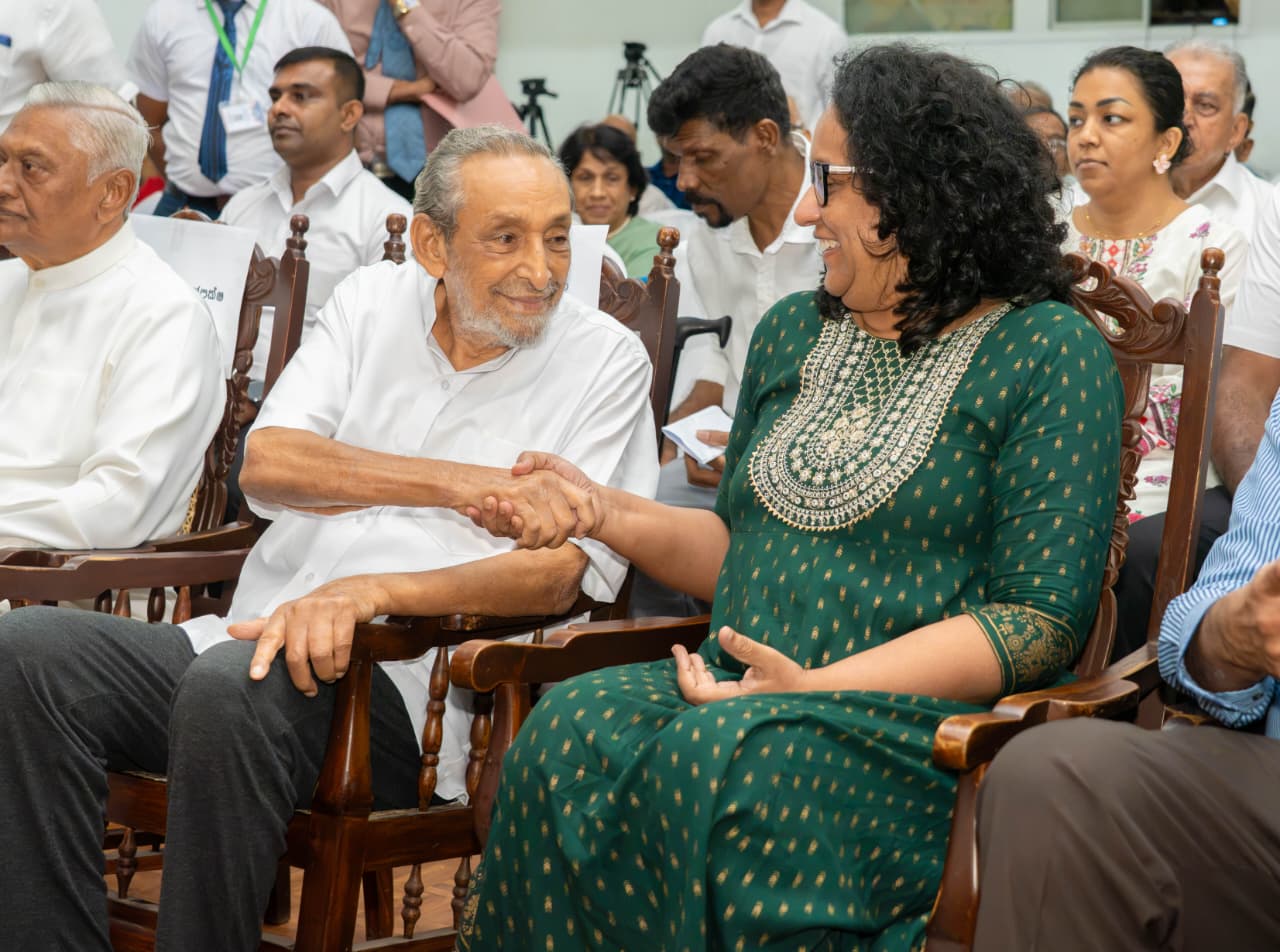
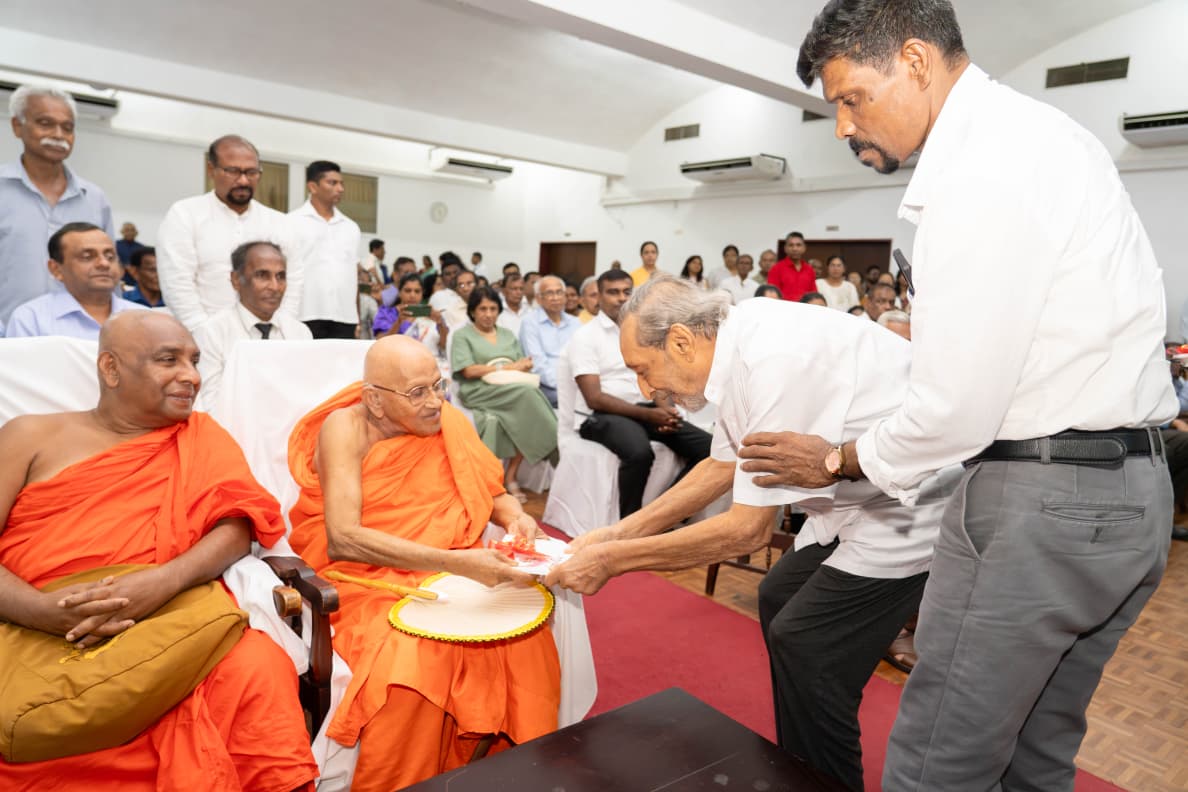
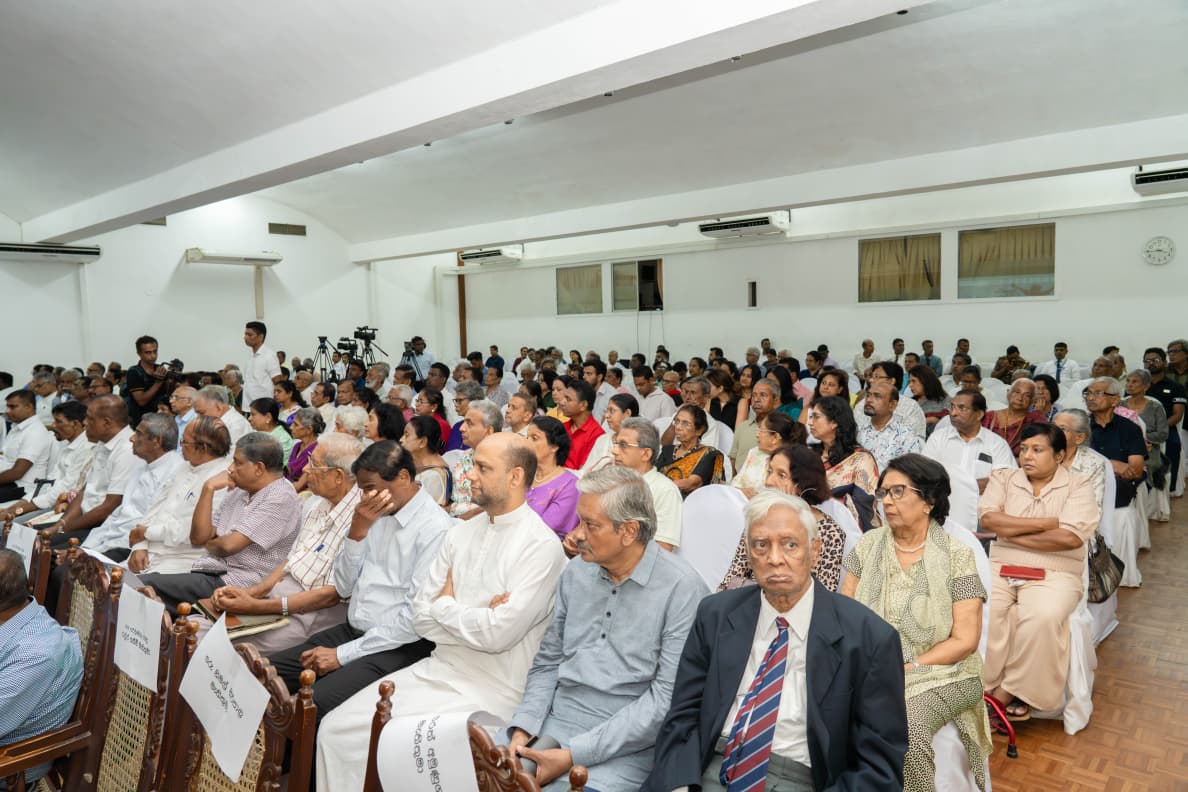
The book “Rathuwewi Mihimadala”, written based on the life story of Vasudeva Nanayakkara, Leader of the Democratic Left Front, was launched on Friday [August 28] at the Bandaranaike Memorial International Conference Hall (BMICH) in Colombo, with the participation of Prime Minister Dr. Harini Amarasuriya.
Speaking to the media afterwards about Vasudeva Nanayakkara, Prime Minister Dr. Harini Amarasuriya stated:
“Vasudeva Nanayakkara is a prominent figure in Sri Lankan politics, particularly within the left-wing political movement. There were several influential figures within the left movement, and that left-wing influence also contributed to bringing the country to where it is today. Politically, there were areas where we agreed and areas where we did not. However, I have great respect for the contribution made by Vasudeva Nanayakkara to left-wing politics. When I entered Parliament in 2020, Vasudeva Nanayakkara was also in Parliament. We sat in the same row, and we spoke about many important as well as interesting moments in his political career. I believe some of these experiences have also been included in this book.”
The event was attended by members of the Maha Sangha, Minister of Justice Harshana Nanayakkara, former President Maithripala Sirisena, former Speakers Karu Jayasuriya and Chamal Rajapaksa, as well as party members, family members and friends.
[Prime Minister’s Media Division]
Latest News
Sun directly overhead Mannar, Periyamadu, Puliyankulam, Welioya and Pulmoddai about 12.11 noon today (30)


The sun is going to be directly over the latitudes of Sri Lanka from 28th of August to 07th of September due to its apparent southward relative motion.
The nearest places of Sri Lanka over which the sun is overhead today (30) are Mannar, Periyamadu, Puliyankulam, Welioya and
Pulmoddai about 12.11 noon.
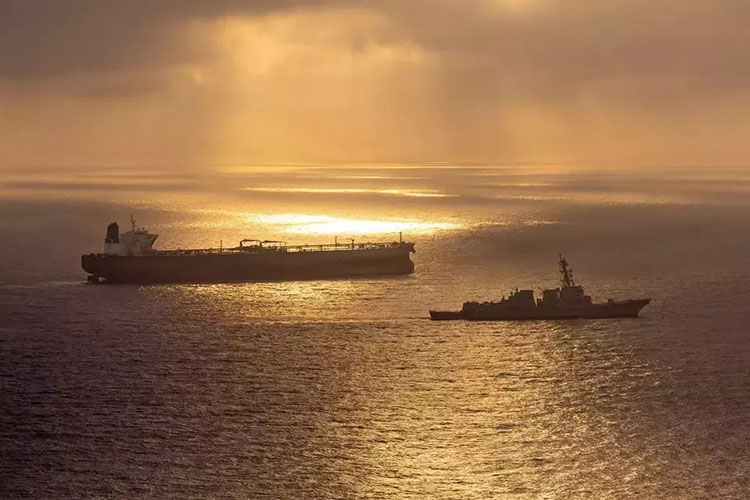
(AFP) Sri Lanka’s maritime authorities were monitoring a fleet of 11 US-sanctioned Iranian oil tankers just off the island’s southern coast, the foreign minister said Wednesday.
The tankers were spotted close to the Galle harbour where an Iranian frigate, IRIS Dena, was sunk by a US submarine in March, killing 104 sailors. Sri Lanka’s navy rescued 32 Iranian sailors from that frigate.
Iranian vessels have been in limbo, unable to return to their home port because of a US blockade.
Sri Lanka’s Foreign minister Vijitha Herath said the tankers were in international waters where they had freedom of navigation.
“These ships are away from our territorial waters… we have no hold on them, nor have we facilitated them,” Herath told AFP.
The military deployed reconnaissance aircraft and patrol boats to monitor the vessels outside Sri Lanka’s 12-nautical-mile territorial waters, a military official told AFP on condition of anonymity.
“There is no indication of any ship-to-ship transfer of oil or illegal discharge of pollutants, so there is no basis for Sri Lankan authorities to take action against them,” the official said.
Many Iranian merchant vessels moved east towards the Strait of Malacca and Singapore due to US sanctions, while several remained near Sri Lankan waters, authorities said.
Sri Lankan officials said Washington had not formally notified Colombo about sanctioned Iranian-flagged vessels

Iceland votes against restarting talks on joining EU

“Rathuwewi Mihimadala” Book Launched with the Participation of the Prime Minister

Turkiye, Somalia forces free cargo vessel hijacked by pirates

Ferry carrying 260 people capsizes off northern Cyprus coast

Imam unlikely to play rest of Lord’s Test after picking up left calf tear

Vimukthi, Ayodhya hand Sri Lanka winning start to Asia Cup title defence

‘Dates have the highest sugar content to fight Coronavirus’

Sunday Island 27 December – Headlines

#SundayIsland 17th December – Headlines

Sunday Island – 28th March

Sunday Island Headlines – 21 March

Sunday Island – 21st February – Headlines
-

 News6 days ago
Missing doctor’s body found in Mahiyanganaya
-
 News6 days ago
Australia declines to release Finance Secy Suriyapperuma’s citizenship details
-
 News6 days ago
22A: BASL suggests CJ recuse himself from hearing petitions
-

 News3 days ago
Eight politicians in drug kingpin probe
-

 Editorial7 days ago
Govts. drag feet as undergrads age
-

 Business3 days ago
Sri Lanka opens up: A new season of direct connectivity
-
 Features5 days ago
Insights from Chieftains of Uva: Genealogy of two Kandyan Families – Part II
-

 Features5 days ago
Export diversification: Missing the wood for the trees – Part I