
Latest News
IMF Executive Board Concludes 2024 Article IV Consultation with Sri Lanka and Completes the Second Review Under the Extended Fund Facility

The Executive Board of the International Monetary Fund (IMF) completed the second review under the 48-month Extended Fund Facility (EFF) Arrangement, allowing the authorities to draw SDR 254 million (about US$336 million). This brings the total IMF financial support disbursed so far to SDR 762 million (about US$1 billion). The Executive Board also concluded the 2024 Article IV Consultation with Sri Lanka.
The EFF arrangement for Sri Lanka was approved by the Executive Board on March 20, 2023 (see Press Release No. 23/79) in an amount of SDR 2.286 billion (395 percent of quota or about US$3 billion. The first review of the EFF was completed by the Executive Board on December 12, 2023 with disbursements of SDR 254 million (about US$337 million; see Press Release No. 23/439).
The EFF-supported program aims to restore Sri Lanka’s macroeconomic stability and debt sustainability, mitigate the economic impact on the poor and vulnerable, rebuild external buffers, safeguard financial sector stability, and strengthen governance and growth potential.
Signs of economic recovery are emerging. Real GDP expanded by 3 percent (y-o-y) in the second half of 2023. May 2024 inflation was 0.9 percent and gross international reserves increased to US$5.5 billion by end-April 2024. The primary balance improved to a surplus with tax revenue increasing to 9.8 percent of GDP in 2023. Despite improvements in non‑performing loans, pockets of vulnerabilities remain in the banking sector.
The recovery remains gradual, and the medium-term growth potential hinges on appropriate policy settings. Growth is projected to recover moderately in 2024-25 given constrained bank credit and fiscal consolidation, while facing uncertainties around the debt restructuring and policy direction following the elections. Inflation is expected to temporarily increase due to one-off factors. The current account is expected to remain positive in 2024, driven by improved tourist arrivals and remittances. Domestic risks could arise from waning reform momentum, especially on revenue mobilization. External risks are associated with intensified regional conflicts, commodity price volatility, and a global slowdown. Slow progress in debt restructuring could widen financing gaps.
Following the Executive Board’s discussion, Kenji Okamura, Deputy Managing Director and Acting Chair, issued the following statement:
“Sri Lanka’s performance under its Fund-supported program remains strong. All quantitative targets were met, except for the marginal shortfall of indicative target on social spending. Most structural benchmarks were either met or implemented with delay. Reforms and policy adjustment are bearing fruit. The economy is starting to recover, inflation remains low, revenue collection is improving, and reserves continue to accumulate. Despite these positive developments, the economy is still vulnerable and the path to debt sustainability remains knife-edged. Important vulnerabilities associated with the ongoing debt restructuring, revenue mobilization, reserve accumulation, and banks’ ability to support the recovery continue to cloud the outlook. Strong reform efforts, adequate safeguards, and contingency planning help mitigate these risks.
“To restore fiscal sustainability, sustained revenue mobilization efforts, promptly finalizing the debt restructuring in line with program targets, and protecting social and capital spending remain critical. Advancing public financial management will help enhance fiscal discipline, and strengthening the debt management framework is also needed.
“Monetary policy should continue prioritizing price stability, supported by a sustained commitment to refrain from monetary financing and safeguard central bank independence. Continued exchange rate flexibility and gradually phasing out the balance of payments measures remain critical to rebuild external buffers and facilitate external rebalancing.
“Restoring bank capital adequacy and strengthening governance and oversight of state-owned banks are top priorities to revive credit growth and support economic recovery.
“The authorities need to press ahead with their efforts to address structural challenges to unlock long-term potential. Key priorities include steadfast implementation of the governance reforms; further trade liberalization to promote exports and foreign direct investment; labor reforms to upgrade skills and increase female labor force participation; and state-owned enterprise reforms to improve efficiency and fiscal transparency, contain fiscal risks, and promote a level playing field for the private sector.
Executive Board Assessment
Executive Directors commended the authorities’ strong performance under the Fund‑supported program, noting that reforms are bearing fruit. The economy has started to recover, inflation remains low, revenue collection is improving, and reserves continue to accumulate. Directors underscored, however, that important vulnerabilities and uncertainties remain, including with respect to the ongoing debt restructuring and the upcoming elections. Against this backdrop, they called on the authorities to continue strengthening macroeconomic policies to restore economic stability and debt sustainability and to sustain the reform momentum to promote long‑term inclusive growth.
Directors underscored that restoring fiscal sustainability requires additional revenue measures underpinning the 2025 Budget, further tax administration reforms, as well as limiting tax exemptions and making them more transparent. They called for protecting growth‑enhancing and social spending, and for improving the social safety net. Directors welcomed the submission of the new Public Financial Management bill to Parliament, which would strengthen fiscal discipline and establish a solid fiscal framework. They noted that further efforts to strengthen the debt management framework are also needed. Directors welcomed the progress on achieving cost‑recovery in energy pricing, noting its criticality for containing risks from state‑owned enterprises (SOEs).
Directors welcomed the progress made to advance debt restructuring to restore Sri Lanka’s debt sustainability. They called for a swift finalization of the Memorandum of Understanding with the Official Creditor Committee and final agreements with the Export‑Import Bank of China. Directors stressed the importance of seeking comparable, transparent, and timely completion of restructurings with external private creditors consistent with program targets.
Directors emphasized that maintaining price stability remains the top priority for monetary policy, which requires anchoring inflation expectations, continuing to refrain from monetary financing, and the gradual unwinding of government security holdings as markets allow. They also stressed the importance of strengthening central bank independence. Directors underscored the need to continue building external buffers, while maintaining exchange rate flexibility to facilitate external rebalancing and preserve the credibility of the inflation targeting regime. They called for gradually phasing out the balance of payments measures.
Directors underscored the need to strengthen financial sector resilience to support the recovery. They called for swift completion of the restructuring of remaining domestic law, foreign currency loans and for adequate recapitalization of commercial and state‑owned banks. Directors welcomed the enactment of the Banking Act amendments and emphasized the importance of their effective implementation to enhance supervision and the governance of state‑owned banks. They also called for further efforts to strengthen the anti‑money laundering and counter‑terrorism financing framework.
Directors stressed that pressing ahead with governance and structural reforms, supported by development partners and IMF capacity development, is crucial to unlock growth potential. They welcomed the publication of the authorities’ action plan on the key governance reforms recommended in the Governance Diagnostic Report and called for its steadfast implementation. Directors also recommended prioritizing reforms to further liberalize trade, improve the investment climate and SOE efficiency, reduce gender gaps in the labor market, and mitigate climate vulnerabilities.
| Sri Lanka: Selected Economic Indicators 2021–2029
|
|||||||||||||||||||||||||||||||||||||||||||||||||||||||||||||||||||||||||||||||||||||||||||||||||||||||||||||||||||||||||||||||||||||||||||||||||||||||||||||||||||||||||||||||||||||||||||||||||||||||||||||||||||||||||||||||||||||||||||||||||||||||||||||||||||||||||||||||||||||||||||||||||||||||||||||||||||||||||||||||||||||||||||||||||||||||||||||||||||||||||||||||||||||||||||||||||||||||||||||||||||||||||||||||||||||||||||||||||||||||||||||||||||||||||||||||||||||||||||||||||||||||||||||||||||||||||||||||||||||||||||||||||||||||||||||||||||||||||||||||||||||||||||||||||||||||||||||||||||||||||||||||||||||||||||||||||||||||||||||||||||||||||||||||||||||||||||||||||||||||||||||||||||||||||||||||||||||||||||||||||||||||||||||||||||||||||||||||||||||||||||||||||||||||||||||||||||||||||||||||||||||||||||||||||||||||||||||||||||||||||||||||||||||||||||||||||||||||||||||||||||||||||||||||||||||||||||||||||||||||||||||||||||||||||||||||||||||||||||||||||||||||||||||||||||||||||||||||||||||||
|
|||||||||||||||||||||||||||||||||||||||||||||||||||||||||||||||||||||||||||||||||||||||||||||||||||||||||||||||||||||||||||||||||||||||||||||||||||||||||||||||||||||||||||||||||||||||||||||||||||||||||||||||||||||||||||||||||||||||||||||||||||||||||||||||||||||||||||||||||||||||||||||||||||||||||||||||||||||||||||||||||||||||||||||||||||||||||||||||||||||||||||||||||||||||||||||||||||||||||||||||||||||||||||||||||||||||||||||||||||||||||||||||||||||||||||||||||||||||||||||||||||||||||||||||||||||||||||||||||||||||||||||||||||||||||||||||||||||||||||||||||||||||||||||||||||||||||||||||||||||||||||||||||||||||||||||||||||||||||||||||||||||||||||||||||||||||||||||||||||||||||||||||||||||||||||||||||||||||||||||||||||||||||||||||||||||||||||||||||||||||||||||||||||||||||||||||||||||||||||||||||||||||||||||||||||||||||||||||||||||||||||||||||||||||||||||||||||||||||||||||||||||||||||||||||||||||||||||||||||||||||||||||||||||||||||||||||||||||||||||||||||||||||||||||||||||||||||||||||||||||







Latest News
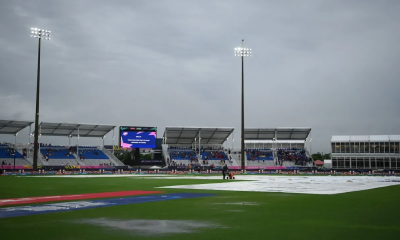
Showers above 100 mm are likely at some places in the Western, Sabaragamuwa, Central, Uva and Southern provinces and in Anuradhapura district

WEATHER FORECAST FOR 08 OCTOBER 2026
Issued at 05.30 a.m. on 08 October 2026 by the Department of Meteorology
Misty conditions can be expected at some places in the Western, Sabaragamuwa, Central and Uva provinces and in Galle and Matara districts during the early hours of the morning.
Showers or thundershowers will occur in the most part of the island after 1.00 p.m. Heavy showers above 100 mm are likely at some places in Western, Sabaragamuwa, Central, Uva and Southern provinces and in Anuradhapura district.
The general public is kindly requested to take adequate precautions to minimize damage caused by temporary localized strong winds and lightning during thundershowers.

Former first lady Shiranthi Rajapaksa, wife of former President Mahinda Rajapaksa was produced before the Hulftsdorp court, after being arrested by officers of the Commission to Investigate Allegations of Bribery or Corruption (CIABOC) and produce
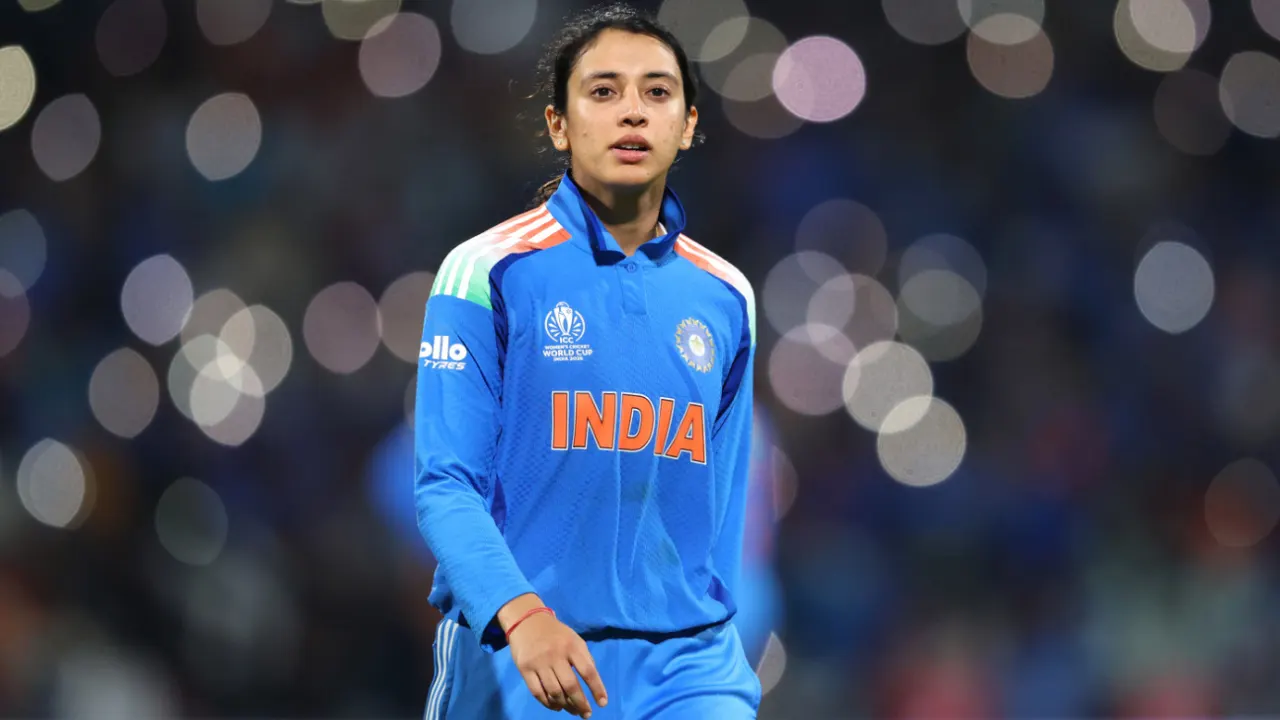
Smriti Mandhana has been named India’s all-format women’s captain on the same day Harmanpreet Kaur stepped down from the role after nearly a decade since she first took over.
Mandhana – vice-captain to Harmanpreet for much of this period – has previously led India in four ODIs and 18 T20Is, apart from captaining Maharashtra in domestic cricket and Royal Challengers Bengaluru in the Women’s Premier League.
Mandhana’s first assignment will be the limited-overs series against Zimbabwe beginning with the three T20Is in Raipur from October 16. On Tuesday, Mandhana was part of the selection meeting chaired by Amita Sharma to pick the squad for the tour.
Terming the appointment a “special honour”, Mandhana also acknowledged the contributions of her predecessor in her welcome note.
“I would also like to acknowledge Harmanpreet and the contribution she has made as captain over the years,” she was quoted as saying by the BCCI. “She has led the team with great commitment and has been an important part of our journey.
“I understand the responsibility that comes with this role and look forward to working with the team, learning along the way and giving my best to take Indian cricket forward.”
Mandhana’s appointment comes on the back of a review meeting held on Monday in Guwahati. Chaired by secretary Devajit Saikia, the meeting was also attended by Mandhana, Harmanpreet and head coach Amol Muzumdar to chart a roadmap forward, with an eye on next year’s inaugural Women’s Champions Trophy in February as well as the T20 World Cup and Los Angeles Olympics in 2028.
Mandhana, India’s best all-format batter, has been knocking on the doors for a while. Earlier this year, she led RCB to their second WPL title, in which she also top-scored in the final.
In September, she overtook Mithali Raj to become the leading run-scorer in women’s international across formats. Her 18 international hundreds are also the most in women’s cricket. She is also the first Indian woman to score centuries in all formats.
[Cricinfo]

Showers above 100 mm are likely at some places in the Western, Sabaragamuwa, Central, Uva and Southern provinces and in Anuradhapura district

PSTA worse than PTA: FSP

Shiranthi R remanded until 13 Oct.

Former NSB Chairman Kariyawasam granted bail

Katchatheevu row: India SC urges fishermen to avoid Sri Lankan waters

Remembering Juvenal, Coke, Acton and Machiavelli

‘Dates have the highest sugar content to fight Coronavirus’

Sunday Island 27 December – Headlines

#SundayIsland 17th December – Headlines

Sunday Island – 28th March

Sunday Island Headlines – 21 March

Sunday Island – 21st February – Headlines
-

 Editorial7 days ago
Colombo Port drug bust: The plot thickens
-

 Features5 days ago
The first woman in the foreign service or Ceylon Overseas Service it was then called
-

 Editorial6 days ago
Fuelling discontent and protest
-

 News4 days ago
Geneva takes up Sallay’s case and govt. ignores opportunity to answer accusations
-

 Foreign News5 days ago
Ten injured after car crashes into rugby supporters in Australia
-

 Latest News6 days ago
Tharindu Rathnayake, bowlers secure Asian Games Bronze for Sri Lanka
-

 News5 days ago
Nearly 20 Iranian tankers stranded off Lanka amid US sanctions
-

 Features4 days ago
Sri Lanka Cricket Bill: Governance reform is not yet a cricket strategy