
Life style
Guarding the green: Shiranee on biodiversity


Shiranee Yasaratne, BSL’s Senior Technical Advisor, holds a BSc (Hon) in Zoology and Environmental Science and a MSc in Molecular Biology and Gene Technology. She was formerly the Deputy Director General of the Central Environmental Authority and Country Representative of IUCN ( International Union for Conservation) Sri Lanka. In each role she has pushed for practical, science-based solutions to some of the island’s most pressing environmental problems. As Sri Lanka eyes a greener future, her work is a blueprint for how vision, knowledge and persistence can transform policy into practice. This September 24th and 26th, Colombo plays host to LIFE 2025 – a two-day celebration under the theme: ‘Biodiversity Means Business: A Decade of Impact, A Future of Action’, which will bring together, the nation’s most influential business leaders, academics, policymakers, and conservationists for knowledge exchange, policy dialogue, and collaboration. This is more than a celebration. It’s a catalyst for next-generation leadership in Sri Lanka’s nature economy. It is a chance for private sector leaders to align with global best practices, build resilience, and shape national policy.
Organized by Biodiversity Sri Lanka — a national platform entirely owned and driven by the private sector, as it celebrates a decade of strong engagement by the corporate sector in biodiversity and environmental conservation in Sri Lanka, BSL’s 10th anniversary becomes a milestone moment to spotlight corporate leadership in biodiversity.
Q: Can you tell us about your journey into environmental conservation and what inspired you to work in bio-diversity?
I have been in the field of environmental conservation from the time I came out of the University of Colombo, armed with a degree in Zoology majoring in Environmental Science with first class honours. My first experience was at the Central Environmental Authority for which I served for 15 years. It was an interesting time, when the Authority was just being founded and I am happy to say that I played a leading role in the promulgation of the Environmental Impact Assessment Procedures under the National Environmental Act which are still being enforced today. I then served as the Country Representative of the International Union for Conservation of Nature (IUCN), Sri Lanka at which I was able to take the lead in supporting the Government of Sri Lanka in framing biodiversity related policies and plans
. My journey then moved to the Asian Regional Office of IUCN located in Bangkok, Thailand working on the development of a programme with the private sector in Asia on the integration of Biodiversity into core strategies. This prompted the initiation of Biodiversity Sri Lanka, a platform established in 2015, which is entirely owned and driven by the private sector, designed to promote strong engagement of the corporate sector in biodiversity and environmental conservation in Sri Lanka. BSL’s overall mandate is to help raise awareness on biodiversity and sustainability issues amongst the Sri Lankan business community. Working to assist companies in understanding biodiversity and related issues, as well as to mainstream it into their core businesses, BSL has the ultimate aim of ensuring that a majority of Sri Lankan companies will eventually be on a sustainable ecological footing with vastly reduced negative impacts on our biodiversity.
We are proudly celebrating our tenth year of existence this month!
Q: Sri Lanka is known for its rich bio-diversity, what are the biggest challenges it faces today?
In the past decade, Sri Lanka has faced increasing biodiversity-related vulnerabilities, including habitat loss, climate change impacts, and human-wildlife conflict. While efforts have been made to conserve biodiversity, a lack of coordination and new priorities have hindered progress. Deforestation, particularly of lowland rainforests, and the degradation of wetlands continue to threaten biodiversity. Reclamation of wetlands and indiscriminate use of coastal lands are also major contributors to habitat loss.

Shiranee Yasaratne-a tireless champion for nature,turning words into action
Sri Lanka’s rich biodiversity is vulnerable to climate change impacts like sea-level rise, increased storm surges, and altered rainfall patterns. These changes can affect the distribution and survival of species, as well as the functioning of ecosystems. Human settlements encroaching on wildlife habitats have led to increased conflict, particularly with elephants. This conflict results in damage to crops and property, and poses a threat to both human and animal lives. Poverty, malnutrition, inadequate waste management, and the impacts of natural disasters also pose challenges to biodiversity conservation.
While protected areas have increased, including the inclusion of more valuable wet zone forests, the overall impact of these efforts has been limited by a lack of a coordinated and holistic approach. Additionally, new priorities and developmental activities have emerged, sometimes conflicting with conservation efforts.
Q: In your opinion, what role do businesses and industries play in advancing sustainable environmentalism and what measures can they take to minimise their environmental footprint?
In a time when environmental issues are a major topic of worldwide discussion, the role of businesses in leading positive change is crucial. The increasing emphasis on sustainability and environmental stewardship presents both a challenge and an opportunity for companies across various sectors.
Whether it’s adapting to stricter regulations, responding to the growing consumer demand for green products, or mitigating the risks associated with environmental degradation, businesses have a critical role to play.
However, navigating these environmental challenges requires more than good intentions. It demands strategic planning and the adoption of effective practices that not only reduce environmental impact but also offer economic benefits. In this context, there are several key strategies that businesses can employ to tackle these challenges effectively.
Q: How do you see technology and innovation contributing to sustainable environmentalism and what are some promising developments in this field?
Technology plays a crucial role in environmental conservation by providing innovative solutions to mitigate and reverse environmental degradation. It enables the monitoring and assessment of ecosystems, allowing for data-driven decision-making and informed conservation strategies.
Communication and information technologies enable global collaboration and knowledge-sharing among researchers, policymakers, and conservationists, facilitating coordinated efforts to address environmental challenges on a global scale. Overall, technology empowers environmental conservation efforts by providing innovative tools and solutions to safeguard ecosystems, preserve biodiversity, and promote sustainable development for present and future generations.
Innovation is key to addressing the challenges of sustainable development. Innovation within companies must be encouraged by creating a culture that values creativity and problem-solving. By supporting research and development initiatives that focus on sustainable technologies and practices and fostering collaboration and partnerships with other organisations to share knowledge and resources companies can drive positive change in an industry.
Q: What policies or regulations do you believe are necessary to promote sustainable environmentalism on a broader scale, and how can the government and individuals advocate for these changes?
Governments play a crucial role in promoting sustainable practices due to their ability to enact policies, set regulations, provide incentives, and create frameworks that encourage individuals, businesses, and industries to adopt sustainable behaviour. This could include setting emissions standards, regulating waste management, implementing renewable energy targets, or establishing sustainable agriculture Shiranee practices. Governments can offer financial incentives such as tax breaks, subsidies, grants, or low-interest loans to encourage businesses and individuals to invest in sustainable technologies and practices. This can make sustainable options more economically attractive.
Governments, non-governmental organizations and individuals can run campaigns to raise public awareness about the importance of sustainability and educate people on ways to adopt more sustainable lifestyles. This includes programs in schools, public service announcements, and community initiatives. Governments, academia and science-based organizations can fund research and development into sustainable technologies, innovations, and practices. This support can drive technological advancements that facilitate sustainability in various industries.
Governments can invest in and support the development of sustainable infrastructure, such as public transportation, renewable energy infrastructure, and waste management systems, which can significantly reduce environmental impact and can participate in international agreements, conferences, and collaborations aimed at addressing global sustainability challenges. Governments can set clear and measurable long-term sustainability goals, providing a roadmap for businesses and individuals to work towards and align their efforts. Overall, a proactive and comprehensive approach by governments is vital in driving the transition towards sustainability, as it involves the coordination of efforts across sectors and society as a whole.
Q: What advice would you give to individuals or organisations looking to deepen their commitment to sustainable environmentalism?
The Sustainable Development Goals (SDGs) are a set of 17 goals adopted by the United Nations General Assembly to address the most pressing challenges of our times. These goals provide a roadmap for nations and societies to achieve a better future by 2030. While governments and civil society organisations have been working towards these goals, the involvement of businesses and the private sector is crucial to their success. Companies have the power to make a significant difference by incorporating the SDGs into business strategies to contribute towards their achievement.
To begin with a company must align its business with the goals that are most relevant to its industry and operations, taking the time to understand each goal and its associated targets. Identifying how a company can contribute to these targets through its products, services, and operations is key. For example, if a company is in the renewable energy sector, its contribution to SDG 7 (Affordable and Clean Energy) is evident. By aligning a business with the SDGs, the company can create a clear roadmap for action and measure progress towards the goals.
In this journey, reviewing the supply chain from end to end to ensure that it upholds human and labour rights, promotes sustainable environmental practices. Working against corruption is critically important.
Q: Integrating biodiversity into national sustainability dialogues is key to ensure the protection of Sri Lanka’s rich biodiversity. How easy or difficult is this today?
Integrating biodiversity into national sustainability dialogues in Sri Lanka faces both challenges and progress. While there are initiatives and frameworks in place, fragmentation of efforts and inadequate policy implementation hinder the mainstreaming of biodiversity conservation. However, growing awareness and some successful examples demonstrate the potential for positive change.
Private sector partners are increasingly involved in biodiversity conservation initiatives, demonstrating a growing awareness of the importance of sustainability, according to Bio Diversity Sri Lanka.
Some companies are incorporating biodiversity conservation into their corporate social responsibility initiatives. In summary, integrating biodiversity into national sustainability dialogues in Sri Lanka is a complex process with both challenges and progress. While fragmentation of efforts and inadequate policy implementation pose significant obstacles, growing awareness, community involvement, private sector engagement, and green finance opportunities offer promising pathways for a more sustainable future for Sri Lanka’s biodiversity.
Q: As Sri Lanka journeys towards a greener and more sustainable future, how important are multiple stakeholder collaborations in relation to biodiversity-related initiatives?
In Sri Lanka’s journey towards sustainability, multiple stakeholder collaborations are absolutely crucial for the success of biodiversity-related initiatives. A collaborative approach is essential to address the complex challenges of biodiversity conservation and to leverage the diverse resources and expertise needed for effective action.
Q: Which stakeholder groups are yet to participate in (and become more active in) these collaborations?
In Sri Lanka, while various stakeholder groups are involved in biodiversity conservation, some could become more active and engaged.
Specifically, the private sector, particularly businesses in tourism and other sectors, needs to be more proactive in supporting sustainable practices and contributing to conservation efforts. Additionally, mainstream stakeholders in economics and finance need a better understanding of the socio-economic importance of biodiversity and ecosystem services.
Q: What needs to be done to foster more cross-sector collaboration in Sri Lanka to address biodiversity-related challenges?
To foster more cross-sector collaboration in Sri Lanka to address biodiversity challenges, a multi-faceted approach is needed.
This includes developing a national policy and strategy for Environmentally Sensitive Areas (ESAs), enhancing capacity building, and promoting public-private partnerships. In addition, it’s crucial to integrate biodiversity conservation into land-use planning, encourage community involvement, and create financial incentives for corporate biodiversity leadership.
By Zanita Careem ✍️

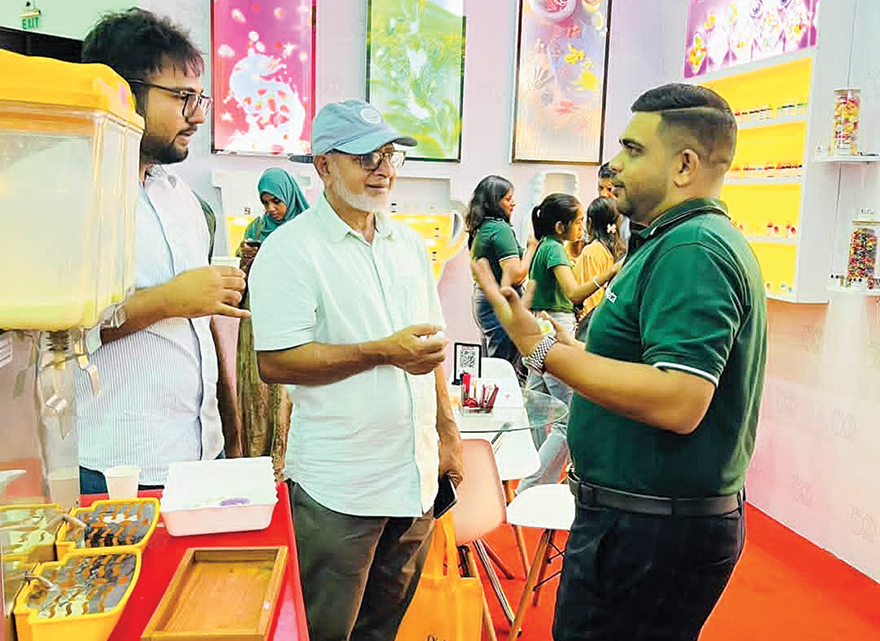
Salman Faiz has turned his family legacy into a modern sensory empire. Educated in London, he returned to Sri Lanka with a global perspective and a refined vision, transforming the family legacy into a modern sensory powerhouse blending flavours,colours and fragrances to craft immersive sensory experiences from elegant fine fragrances to natural essential oils and offering brand offerings in Sri Lanka. Growing up in a world perfumed with possibility, Aromatic Laboratories (Pvt) Limited founded by his father he has immersed himself from an early age in the delicate alchemy of fragrances, flavours and essential oils.
 Salman Faiz did not step into Aromatic Laboratories Pvt Limited, he stepped into a world already alive with fragrance, precision and quiet ambition. Long before he became the Chairman of this large enterprise, founded by his father M. A. Faiz and uncle M.R. Mansoor his inheritance was being shaped in laboratories perfumed with possibility and in conversations that stretched from Colombo to outside the shores of Sri Lanka, where his father forged early international ties, with the world of fine fragrance.
Growing up amidst raw materials sourced from the world’s most respected fragrance houses, Salman Faiz absorbed the discipline of formulation and the poetry of aroma almost by instinct. When Salman stepped into the role of Chairman, he expanded the company’s scope from a trusted supplier into a fully integrated sensory solution provider. The scope of operations included manufacturing of flavours, fragrances, food colours and ingredients, essential oils and bespoke formulations including cosmetic ingredients. They are also leading supplier of premium fragrances for the cosmetic,personal care and wellness sectors Soon the business boomed, and the company strengthened its international sourcing, introduced contemporary product lines and extended its footprint beyond Sri Lanka’s borders.
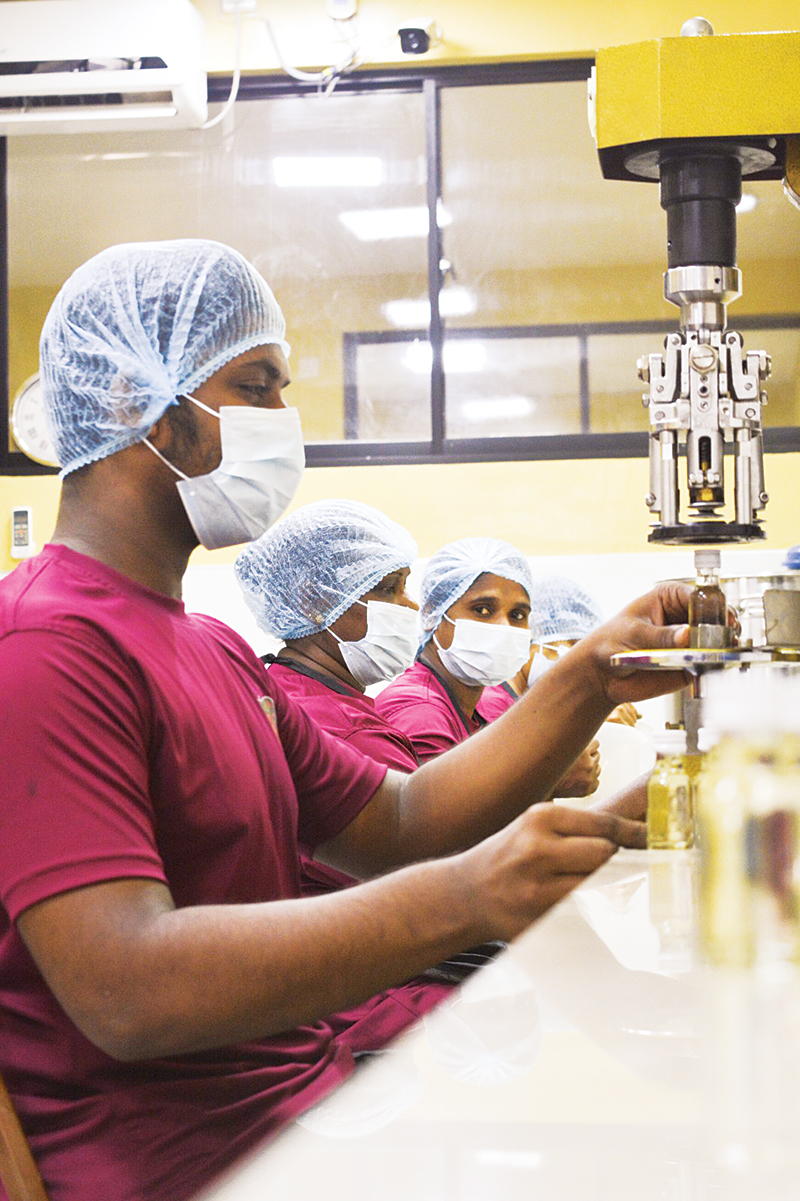
Where raw materials transform into refined fragrance

Salman Faiz -carrying forward a legacy
Today, Aromatic Laboratories stands as a rare example of a second generation. Sri Lankan enterprise that has retained its soul while embracing scale and sophistication. Under Salman Faiz’s leadership, the company continues to honour his father’s founding philosophy that every scent and flavour carries a memory, or story,and a human touch. He imbibed his father’s policy that success was measured not by profit alone but the care taken in creation, the relationships matured with suppliers and the trust earned by clients.
“We are one of the leading companies manufacturing fragrances, dealing with imports,exports in Sri Lanka. We customise fragrances to suit specific applications. We also source our raw materials from leading French company Roberte’t in Grasse
Following his father, for Salman even in moments of challenge, he insisted on grace over haste, quality over conveniences and long term vision over immediate reward under Salman Faiz’s stewardship the business has evolved from a trusted family enterprise into a modern sensory powerhouse.
Now the company exports globally to France, Germany, the UK, the UAE, the Maldives and collaborates with several international perfumes and introduces contemporary products that reflect both sophistication and tradition.
We are one of the leading companies. We are one of the leading companies manufacturing fine and industrial fragrance in Sri Lanka. We customise fragrances to suit specific applications said Faiz
‘We also source our raw materials from renowned companies, in Germany, France, Dubai,Germany and many others.Our connection with Robertet, a leading French parfume House in Grasse, France runs deep, my father has been working closely with the iconic French company for years, laying the foundation for the partnership, We continue even today says Faiz”
Today this business stands as a rare example of second generation Sri Lankan entrepreneurship that retains its souls while embracing scale and modernity. Every aroma, every colour and every flavour is imbued with the care, discipline, and vision passed down from father to son – a living legacy perfected under Salmon Faiz’s guidance.
By Zanita Careem
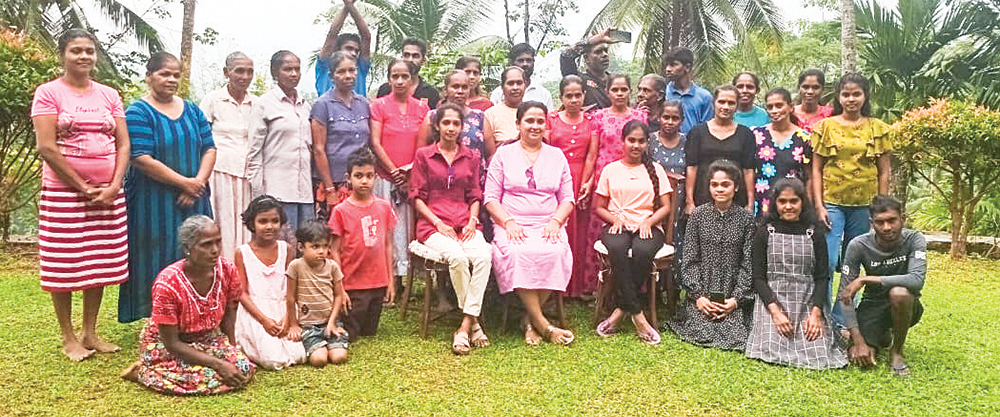
Harini and Chanaka cultivating change
When Harini and Chanaka Mallikarachchi returned to Sri Lanka after more than ten years in the United States, it wasn’t nostalgia alone that they brought home . It was purpose.Beneath the polished resumes and strong computer science backgrounds lay something far more personal- longing to reconnect with the land, and to give back to the country that shaped their memories. From that quiet but powerful decision was born Agri Vision not just an agricultural venture but a community driven movement grounded in sustainability ,empowerment and heritage. They transform agriculture through a software product developed by Avya Technologies (Pvt Limited) Combining global expertise with a deep love for their homeland, they created a pioneering platform that empowers local farmers and introduce innovative, sustainable solutions to the country’s agri sector.
After living for many years building lives and careers in theUnited States, Harini and Chanaka felt a powerful pull back to their roots. With impressive careers in the computer and IT sector, gaining global experience and expertise yet, despite their success abroad, their hearts remained tied to Sri Lanka – connection that inspired their return where they now channel their technological know-how to advance local agriculture.
For Harini and Chanaka, the visionaries behind Agri Vision are redefining sustainable agriculture in Sri Lanka. With a passion for innovation and community impact, they have built Agri Vision into a hub for advanced agri solutions, blending global expertise with local insight.
In Sri Lanka’s evolving agricultural landscape, where sustainability and authenticity are no longer optional but essential. Harini and Chanaka are shaping a vision that is both rooted and forward looking. In the heart of Lanka’s countryside, Uruwela estate Harini and Chanaka alongside the ever inspiring sister Malathi, the trio drives Agri Vision an initiative that fuses cutting edge technology with age old agricultural wisdom. At the core of their agri philosophy lies two carefully nurtured brands artisan tea and pure cinnamon, each reflecting a commitment to quality, heritage and people.
Armed with global exposure and professional backgrounds in the technology sector,they chose to channel thier experiences into agriculture, believing that true progress begins at home.
-
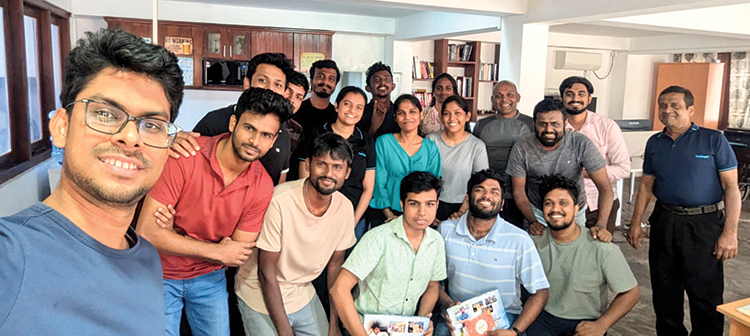
- Avya Technologies (Pvt) ltd software company that developed Agri Vision
-

- Chanaka,Harini and Shakya Mallikarachchi and Malathi Malathi dias (middle)
But the story of Agri Vision is as much about relationships as it is about technology. Harini with her sharp analytical mind, ensures the operations runs seamlessly Chanaka, the strategist looks outward, connecting Agri Vision to globally best practices and Malathi is their wind behind the wings, ensures every project maintains a personal community focussed ethos. They cultivate hope, opportunity and a blueprint for a future where agriculture serves both the land and the people who depend on it .
For the trio, agriculture is not merely about cultivation, it is about connection. It is about understanding the rhythm of the land, respecting generations of farming knowledge, and that growth is shared by the communities that sustain it. This belief forms the backbone of Agro’s vision, one that places communities not only on the periphery, but at the very heart of every endeavour.
Artisan tea is a celebration of craft and origin sourced from selected growing regions and produced with meticulous attention to detail, the tea embodier purity, traceability and refinement, each leaf is carefully handled to preserve character and flavour, reflecting Sri Lanka’s enduring legacy as a world class tea origin while appealing to a new generation of conscious consumers complementing this is pure Cinnamon, a tribute to authentic Ceylon, Cinnamon. In a market saturated with substitutes, Agri vision’s commitment to genuine sourcing and ethical processing stands firm.
By working closely with cinnamon growers and adhering to traditional harvesting methods, the brands safeguards both quality and cultural heritage.
What truly distinguishes Harini and Chanake’s Agri Vision is their community approach. By building long term partnerships with smallholders. Farmers, the company ensures fair practises, skill development and sustainable livelihoods, These relationships foster trust and resilience, creating an ecosystem where farmers are valued stakeholders in the journey, not just suppliers.
Agri vision integrates sustainable practices and global quality standards without compromising authenticity. This harmony allows Artisan Tea and Pure Cinnamon to resonate beyond borders, carrying with them stories of land, people and purpose.
As the brands continue to grow Harini and Chanaka remain anchored in their founding belief that success of agriculture is by the strength of the communities nurtured along the way. In every leaf of tea and every quill of cinnamon lies a simple yet powerful vision – Agriculture with communities at heart.
By Zanita Careem
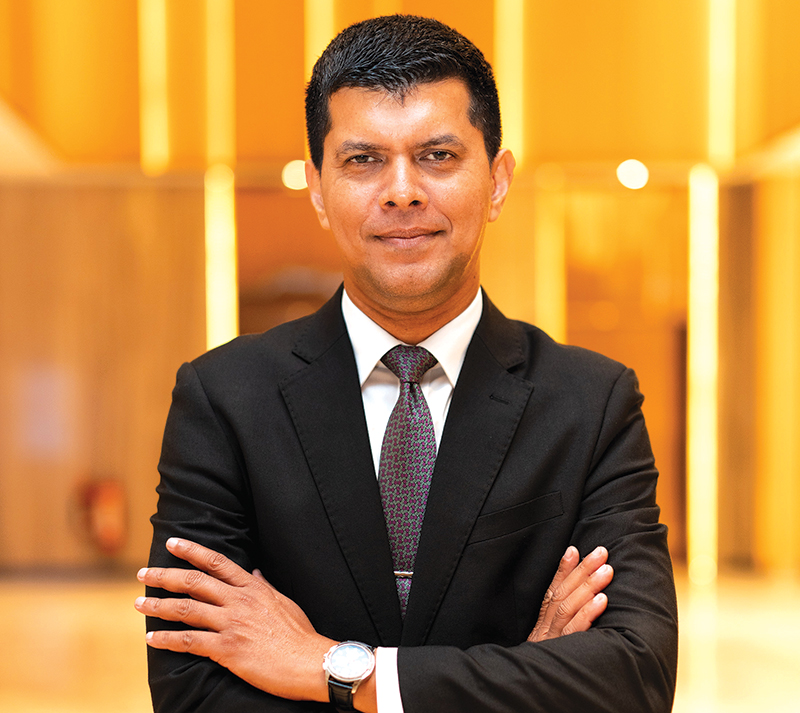
Courtyard by Marriott Colombo has welcomed Suranga Peelikumbura as its new General Manager, ushering in a chapter defined by vision, warmth, and global sophistication.
Suranga’s story is one of both breadth and depth. Over two decades, he has carried the Marriott spirit across continents, from the shimmering luxury of The Ritz-Carlton in Doha to the refined hospitality of Ireland, and most recently to the helm of Resplendent Ceylon as Vice President of Operations. His journey reflects not only international mastery but also a devotion to Sri Lanka’s own hospitality narrative.
What distinguishes Suranga is not simply his credentials but the philosophy that guides him. “Relationships come first, whether with our associates, guests, partners, or vendors. Business may follow, but it is the strength of these connections that defines us.” It is this belief, rooted in both global perspective and local heart, that now shapes his leadership at Courtyard Colombo.
At a recent gathering of corporate leaders, travel partners, and media friends, Suranga paid tribute to outgoing General Manager Elton Hurtis, hon oring his vision and the opportunities he created for associates to flourish across the Marriott world. With deep respect for that legacy, Suranga now steps forward to elevate guest experiences, strengthen community ties, and continue the tradition of excellence that defines Courtyard Colombo.
From his beginnings at The Lanka Oberoi and Cinnamon Grand Colombo to his leadership roles at Weligama Bay Marriott and Resplendent Ceylon, Suranga’s career is a testament to both resilience and refinement. His return to Marriott is not merely a professional milestone, it is a homecoming.
-

 Life style2 days ago
Marriot new GM Suranga
-

 Business24 hours ago
Ministry of Brands to launch Sri Lanka’s first off-price retail destination
-

 Features2 days ago
Monks’ march, in America and Sri Lanka
-

 Midweek Review6 days ago
A question of national pride
-

 Business6 days ago
Autodoc 360 relocates to reinforce commitment to premium auto care
-

 Opinion5 days ago
Will computers ever be intelligent?
-

 Features2 days ago
The Rise of Takaichi
-

 Features2 days ago
Wetlands of Sri Lanka: