
Latest News
Gold Coast mayor scraps bid for 2026 Commonwealth Games

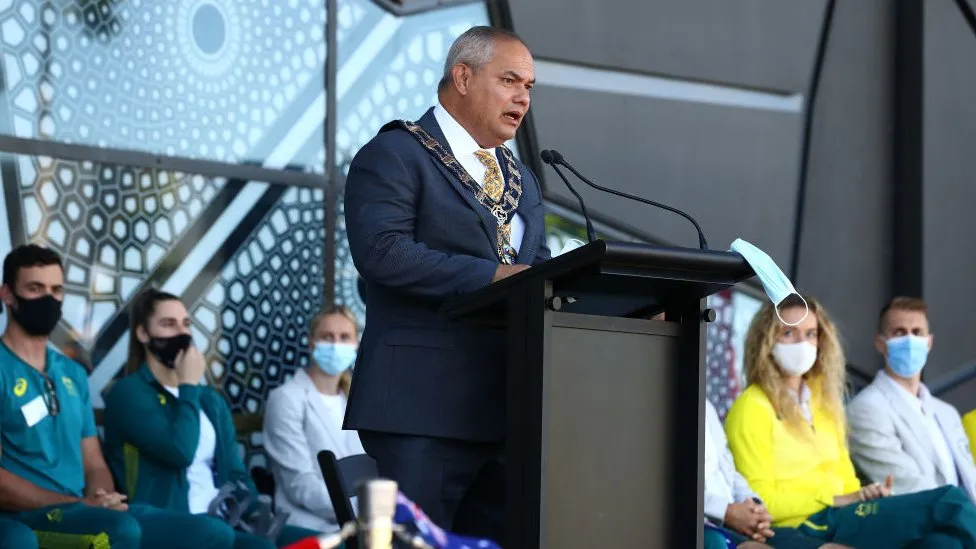
The Gold Coast has withdrawn its bid to host the next Commonwealth Games, ending any hope the tournament could still be held in Australia.
The coastal city hosted the 2018 Games, and mayor Tom Tate had – unilaterally – insisted it could do it again. But the federal and state governments have repeatedly ruled out supporting the event, as had his own deputy mayor.
Organisers have said they may have to postpone or cancel the next installment of the Games.
The Commonwealth Games are a multi-sport tournament that take place every four years. They have only ever been cancelled during World War Two. To be eligible to participate in the games, competitors must be from one of over 70 nations or territories – many of which were once part of the British Empire.
The Commonwealth Games Federation (CGF) had struggled to find a host for the 2026 Games before Victoria volunteered, and a month after the state’s withdrawal, the only contender for the 2030 Games – the Canadian province of Alberta – also dropped its hosting plans.
There are no other firm bids to host either the 2026 or 2030 Games. Governments say the cost of the event is skyrocketing, while experts argue its global image and perceived relevance is waning.
Organisers had originally estimated the Victorian Games – hosted across cities including Geelong, Bendigo, and Ballarat – would cost A$2.6bn (£1.4bn; $1.bn), but the government said it had ballooned to over A$6 bn.
Mr Tate had said the Gold Coast could host a “streamlined” version of the event for A$700m and had floated the idea of sharing the tournament with the city of Perth – a six-hour flight away.
He says his plan had attracted support from Australian billionaires like Gina Rinehart and Gerry Harvey and athletes who are desperate for the event to proceed, but that it could not win over the Queensland or federal governments. “We did our best and that’s all people can expect,” Mr Tate said in a statement on Sunday. Australia will now be known as “a place that reneges on a global sports contract”, leaving its reputation “in tatters” he added.
Commonwealth Games Australia (CGA) had stated they wanted to keep the Games in Australia, but chief executive Craig Phillips said he understood Mr Tate’s decision. “CGA, alongside our colleagues at the CGF, are working tirelessly to find an alternative solution for the athletes of Australia and the Pacific and conversations continue on four continents including here at home,” he said, according to the Gold Coast Bulletin.
(BBC)








Pakistan withstood a middle-order counterattack from Pavan Rathnayake and Janith Liyanage to see off Sri Lanka by 37 runs. In the first match of a tri-series that also includes England, the pair appeared to have put Sri Lanka on course with a 119-run fifth wicket partnership, with the visitors well in front and requiring just 55 from the last seven overs. Liyanage’s wicket, however, saw the bottom fall out of the side, with Sri Lanka losing their last five wickets for 15 runs to allow Pakistan to breathe a sigh of relief.
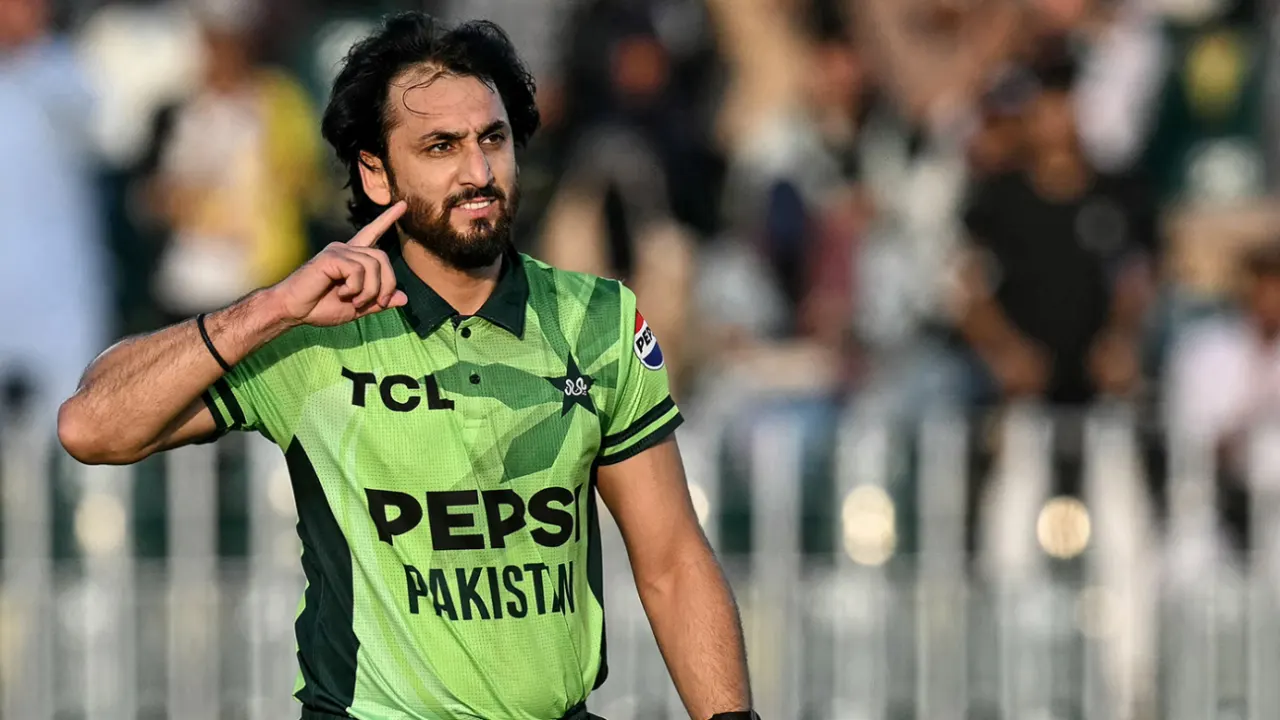
The win had been set up by Salman Agha, who marked his return to the Pakistan side with his fourth ODI hundred to hold off a collapse and steer the hosts past 300. By the 22nd over, Pakistan had lost four wickets, and looked vulnerable with a relatively long tail. However, Salman’s 90-ball 107 navigated Pakistan expertly out of danger with sizeable partnerships with Hasan Nawaz and Arafat Minhas.
Sri Lanka deprived Shaheen Afridi’s side of a big finish, though, with Eshan Malinga and Asitha Fernando striking multiple blows in the death overs to ultimately bowl Pakistan out for 305. Those runs they had left on the table looked set to cost them dear at the climax of the context. The dew had set in, and Rathnayake and Liyanage were beginning to reverse Pakistan’s early dominance that had seen them skittle Sri Lanka’s top four with few dents made to the chase.
Afridi rotated his cast of bowlers, but aside from Naseem Shah, there appeared no remedy to the free flow of runs. Haris Rauf, Minhas, Saim Ayub and Afridi himself were all worked over, particularly by Rathnayake, who was especially methodical in the way he timed his innings to dance in tune to the required rate. Afridi was sensationally blown out of the attack with a pair of pulled sixes off the hips, in stark contrast to Pakistan’s own struggles against the short ball.
A pair of tight overs from Faheem Ashraf finally induced Rathnayake into a false stroke as he spooned one to Salman at short cover, only for Dasun Shanaka to pick up the slack. But with 53 runs to go, Liyanage chipped Rauf to long-on, and Pakistan blew the house down. Afridi prised Shanaka out the following over, and though the tail limped on briefly, it was only a matter of time.
Pakistan will look back fondly at their dominance in the first 25 overs, which closely mirrored Sri Lanka’s own success in the first innings. Sri Lanka’s top order was ineffective in keeping pace with the asking rate, and Naseem bowled a tidy spell up front, which included the wicket of Avishka Fernando. Ashraf took a sharp catch after Saad Baig dropped the skier, the allrounder showing good reflexes to scoop the ball up. It was, all told, a difficult evening behind the stumps for the debutant, and, in truth, a poor day out for Pakistan’s fielders throughout the innings.
Sri Lanka’s fortune with the toss had carried over to the ODI series, and they inserted Pakistan in Rawalpindi. There was early swing on offer, but it was the extra pace from Dilshan Madushanka that accounted for both openers. Ayub and Fakhar Zaman were both undone by the short delivery, leaving Babar Azam and Baig to rebuild.
The duo put on 74 and were beginning to get the asking rate ticking upwards. However, Babar’s frustrating recent knack of giving away auspicious starts reared its familiar head once more. Malinga was Sri Lanka’s quickest bowler through the innings, and he landed one short that rushed onto Babar, who was late on the pull just five shy of a half-century. Soon after Baig, who had shown promise as well as a willingness to pull rather than back away from bouncers, miscued one himself, holing out to deep fine leg.
It was precisely the sort of situation Salman – dropped from both the Test side and T20 captaincy in the last two months – thrives in, rebuilding during the middle overs of an ODI. He did so flawlessly, halting Sri Lanka’s momentum while staying on top of the run rate, keeping the strike ticking along, and adeptly covering for Nawaz, who had made a more sluggish start. He capitalised when Sri Lanka erred by turning prematurely to Kamindu Mendis’ spin, taking 11 off the 25th over to turn momentum around.
Sri Lanka began to look more toothless with the ball through those middle overs as Salman’s comfort grew. He dominated the stand and brought up his half-century off 48 balls. Nawaz had begun to loosen his shoulders too, illustrated by a six off legspinner Sachindu Colombage, but Asitha rooted him out the following over, ending the fifth-wicket stand ay 97. Salman played a similar shepherding role with Minhas for the sixth wicket, the pair putting on 64, with Salman once again taking on the lion’s share.
Twenty-six runs came off the 44th and 45th overs, but just as Pakistan looked for a big finish, Sri Lanka’s bowlers hit back. Minhas and Salman fell trying to hit sixes, and Pakistan’s lower order soon followed, with Malinga getting rid of Ashraf and Naseem off successive balls. A pair of lusty blows from Afridi allowed Pakistan to scratch past 300.
For long stretches of Sri Lanka’s chase, it appeared as if Pakistan’s unproductiveness in those death overs would cost them. Instead, on a dewy early autumn night in Rawalpindi, Pakistan’s pace attack – which shared nine wickets between them – ensured Salman’s efforts would not be wasted.
Brief scores:
Pakistan 305 in 49.5 overs (Babar Azam 45, Salman Agha 107; Eshan Malinga 4-46, Asitha Fernando 3-59, Dilshan Madushanka 2-67) beat Sri Lanka 268 in 48.1 overs (Kamindu Mendis 44, Pavan Rathnayake 79, Janith Liyanage 60; Shaheen Shah Afridi 3-55, Naseem Shah 2-43, Haris Rauf 2-48, Faheem Ashraf 2-49) by 37 runs
[Cricinfo]

An estimated 550,000 people took part in demonstrations across France today to protest against teaching conditions in schools, rising fuel prices and the cost of living.
Marches were largely peaceful and took place in several major French cities, including Paris, where 110,000 people attended.
“We just want to study, we just want a future” one student taking part in the protest in the capital told BBC News, while another said they were ” just trying to make things change”.
But French Interior Minister Laurent Nunez said some groups “at the margins of these protests” caused the situation to “degenerate”.
According to the French Prime Minister Sébastien Lecornu, 1200 people were arrested. Officials also reported looting in cities such as Marseille, where masked 8ntruders also entered the city hall. In Lyon, the tourist office was set on fire and shops were damaged.
French President Emmanuel Macron said any vandals and looters would be “prosecuted and punished”, while Jean-Luc Mélenchon, the leader of left-wing party La France Insoumise, said demonstrations had been calmly mobilised.
Meanwhile, firefighters are continuing to battle a blaze at Limoges City Hall after a reported break-in and arson inside the 19th-century building during protests there.
(BBC)
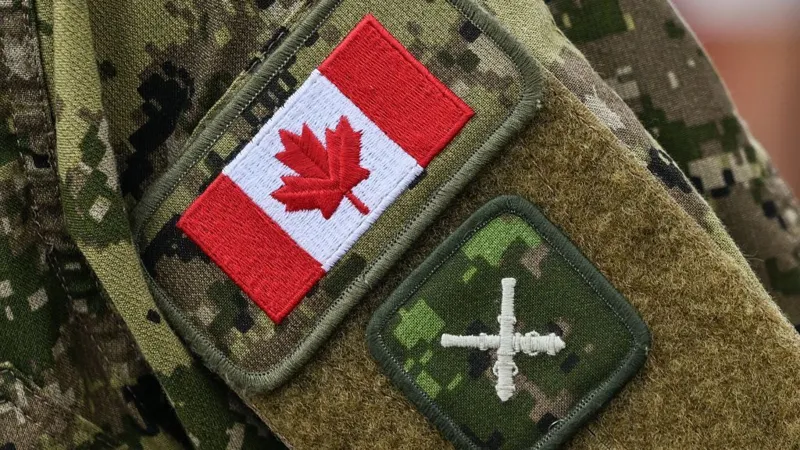
A large fire near a Canadian military base in Alberta has killed and injured some people, the defence minister said, without confirming the number of casualties.
The Canadian Armed Forces were working with local authorities to manage the fire and were looking into what caused it, David McGuinty said, describing the situation as “very, very active and delicate”.
Canada’s Prime Minister Mark Carney said on X that a “serious incident creating a major fire” had occurred, adding his “thoughts are with all the brave women and men affected”.
Canadian Forces Base Wainwright, where the fire broke out, is one of the country’s busiest military training bases.
The blaze “spread rapidly due to high winds” and had torn through the fences of the base, the Municipal District of Wainwright said.
McGuinty told reporters he “cannot recall an incident like this in recent memory”.
It is unclear when the fire broke out, but the district first posted about the incident at about 17:30 local time.
Local authorities have urged residents to avoid the area and give all emergency vehicles right of way.
(BBC)

Showers or thundershowers will occur in most parts of the island after 1.00 p.m

CTU: Teacher shortage casts doubt on govt.’s education reforms

Norochcholai to remain offline for several days after blackout

President links businessman held with arms to politicians

CID probe sought into tusker’s death amid fears of elephant-killing syndicate

Bill to allow remote witness testimony in courts

‘Dates have the highest sugar content to fight Coronavirus’

Sunday Island 27 December – Headlines

#SundayIsland 17th December – Headlines

Sunday Island – 28th March

Sunday Island Headlines – 21 March

Sunday Island – 21st February – Headlines
-

 Latest News7 days ago
Nissanka’s return headlines Sri Lanka’s Test squad against Pakistan
-

 News6 days ago
Sri Lanka, India caught in US-Iran ship crisis
-
 Latest News7 days ago
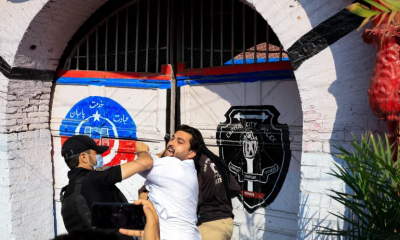
Imran Khan’s PTI braces to fight federal takeover of Khyber Pakhtunkhwa
-

 Latest News6 days ago
Missiles intercepted near Riyadh after Saudi coalition hits Yemen fuel depot
-
 News3 days ago
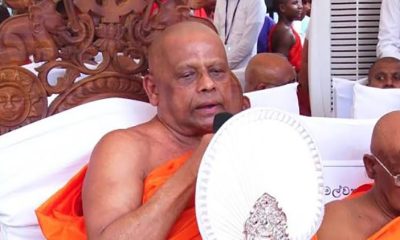
Asgiri Mahanayake calls for immediate release of Gnanasara Thera
-

 Features2 days ago
Kotahena:A Small Enclave, An Extraordinary Legacy
-
 Latest News6 days ago
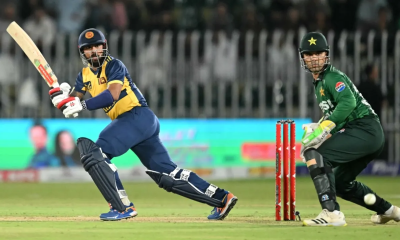
Kusal Mendis’ unbeaten 87 hands Sri Lanka consolation win
-
 News7 days ago
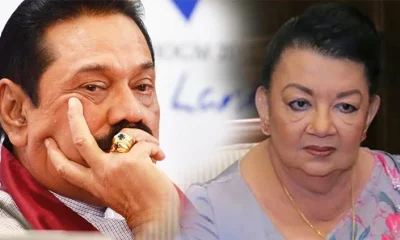
Mahinda and Shiranthi hospitalised