
Business
Eravur Fabric Park could transform sustainable textile manufacture in Sri Lanka

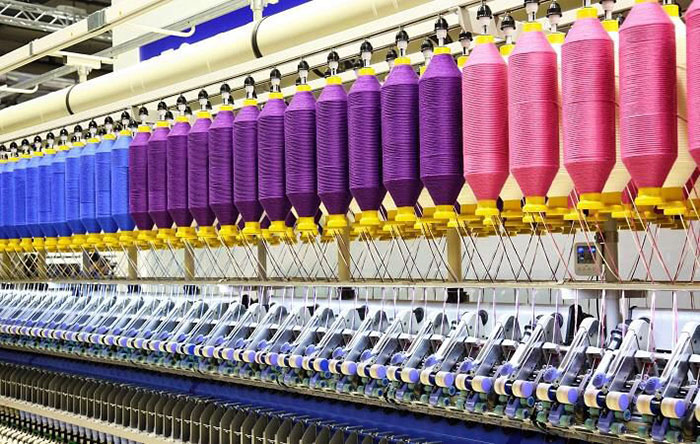
Since the first announcement in June 2020, expectations have been high on the potential of the Eravur Fabric Processing Park to catalyze a new era for Sri Lankan textile and apparel manufacture.
Supported through the Ministry of Industry and Commerce and the Board of Investment (BOI) of Sri Lanka, working in close collaboration with the Joint Apparel Association Forum (JAAF), the apex body of the apparel industry in Sri Lanka, the vision for Eravur is beginning to take shape.
Of the allocated approx 300 acres of land, fifty have been allocated for the Park’s maiden investment of US$ 35 million to establish a state-of-the-art fabric mill. Negotiations are also underway with two international companies to infuse mega investments for the remainder. The Park is estimated to attract a cumulative investment of US$ 300 million. The zone is also seeking further investments towards Dyeing, Washing, Knitting, Weaving, and other associated and ancillary activities.
Cabinet approval for the Zone’s classification under the Strategic Development Projects Act was also secured, enabling the extension of tax and other relief and incentives to investors.
Rapid progress towards vertical integration
“We would like to see the first company commence commercial operations in the next 6 months to 1 year,” stated BOI Chairman Sanjaya Mohottala. “We have been very aggressive on timelines because of the clear consensus on the nationally significant value that the Park can generate. At present, all land has been demarcated, and water and electricity supply are being finalized. In excess of half the commercial land has been allocated or reserved, and we are seeing great demand. There is clear recognition locally and internationally as to the immediate potential. If necessary, we are able to expand the zone even further.”
Leveraged in support of Sri Lanka’s highly developed apparel manufacturing sector, which has steadily benchmarked itself on global standards for ethical, sustainable production and high levels of technical and technological expertise, Eravur’s promoters also see the project as an opportunity for Sri Lankan-made apparel to take global leadership on sustainability in its most holistic sense.
 Mohottala explained further that the most immediate benefit from the Park’s establishment will be in the cost advantages and enhanced economies of scale gained through capacity expansion and vertical integration of domestic supply chains.
Currently, Sri Lanka has approximately 300 apparel manufacturing facilities across the country. By contrast, it has only 7 textile and raw material factories capable of producing fabric for export, and for conversion into garments for export. At its peak, Sri Lanka imported over 250,000 MT of fabric both for export-oriented apparel manufacturing and for local consumption in 2019, at a cost of US $ 2.2 billion.
In the context of unprecedented disruptions across global supply chains in particular and persistent commodity and currency volatility, increased availability of high quality raw materials will enable an immediate and drastic reduction in raw material costs, while also conserving foreign currency.
Increased domestic production of textiles also translates to a higher percentage of domestic value. If that threshold increases from its current 52% to 65%, it qualifies for a larger proportion of Sri Lankan exports for zero-duty benefits under GSP Plus1.
The culmination of a pioneering national journey in sustainability
The economic argument in favour of investing in Eravur is bolstered by its potential to also be the most sustainable venture of its kind in the entire Asian region, with local stakeholders having already committed to establishing extensive renewable energy facilities, water recycling facilities, science-based targets, and circular business models.
At a macro-level, increased local production capacity will contribute significantly to all these targets by reducing the end-to-end length of Sri Lanka’s apparel supply chains. This in turn enables tighter backward integration and lower carbon emissions.
Taking a cue from the Sri Lankan textile and apparel’s industry’s outstanding achievements on environmental sustainability to date, the Zone is being designed from the ground-up to facilitate and incentivize sustainability in every facet of its operations. In terms of fabric processing, the main focus is on wastewater treatment.
Mohottala continues: “Sri Lanka’s environmental standards for industries are quite stringent, especially compared with regional competitors. A key feature of the Zone will be its central wastewater treatment facility with a sea outfall, which will require a high standard of treatment. Fortunately, we already have strong expertise available locally, with many of Sri Lanka’s textile producers having established facilities on par with global best practices on wastewater treatment. We have used this to our advantage by calling in the local industry’s technical experts and drawing on their pioneering experiences to optimize wastewater treatment protocols at Eravur.”
Adding that this will be one of many positive attributes all stakeholders downstream of the textiles produced at the Zone can lay claim to, Mohottala says, “With the greater localization of production, we also gain improved oversight and control over environmental standards within the Zone. This also enables greater transparency, traceability, and accountability across the supply chain, which in turn will confer preferable competitive advantages to Sri Lankan apparel exporters. In addition, this will empower brands and retailers to make clear and credible claims to genuine sustainable sourcing.”
An end-to-end opportunity
Another significant advantage for Eravur is that it is purpose-built with the most advanced environmentally friendly technology available. This will also promote efficiency in energy and water consumption, as well as additional infrastructure for recycling and recovery of water used in production, for which the BOI aims to provide investors with additional incentives.
Notably, Eravur also enjoys a high level of solar irradiance and consistent high-wind conditions, making any manufacturing facility established in the area, ideally suited for solar and potentially, wind turbine power generation.
“Augmentation of the Zone’s energy requirements with plentiful renewable energy will enable cost savings on the energy-intensive aspects of wastewater recycling. Given the consistent annual reduction in the cost of solar and wind energy, the conditions at Eravur are another unique attraction for investment into the Zone, and potentially enables the entire supply chain to utilize global incentivizes around responsible and sustainable production,” Mohottala said.
In addition to the wastewater treatment protocols, the Zone will also include a sludge treatment facility, with further trials already underway for responsible disposal. These include tests using micro-algae to breakdown sludge, as well as utilizing sludge to fuel furnaces and as bricks with a bio-mat mask.
The final and potentially most vital contribution which the Eravur Fabric Processing Zone is the empowering impact it will have on the lives of Sri Lankans in Batticaloa. At present, the district has an estimated population of 621,887, of which, an estimated 60,912 individuals are below the poverty line. As at 2019 – prior to the pandemic – unemployment in the region stood at 6.4%
“With the development of the Zone, we will be able to create thousands of stable, well-paying direct and in-direct jobs. This could prove to be one of the most transformative developments to take place in the Eastern Province in recent history,” Mohottala concluded.

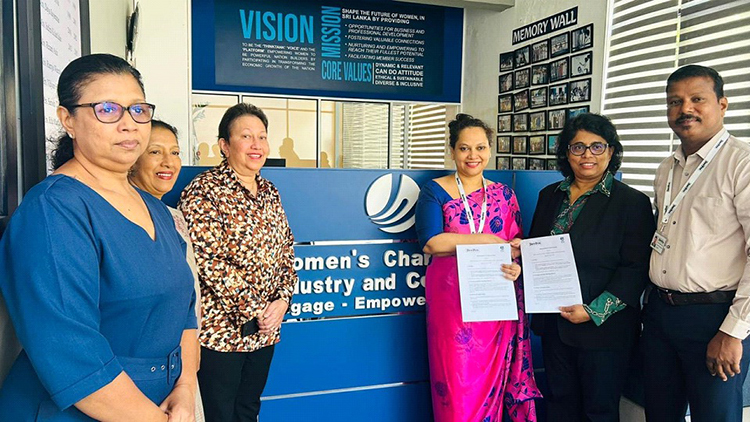
DevPro and Women’s Chamber of Industry and Commerce (WCIC) signed a formal partnership on Wednesday, 28th January to collaborate in promoting women’s economic empowerment and inclusion in Sri Lanka.
DevPro builds on 30 years of OXFAMs legacy in Sri Lanka and works towards Inclusive Economic Development leveraging expertise in inclusive and climate-resilient market systems and enterprise development and innovation. DevPro’s work is guided by the core values of gender justice, inclusivity and community-led development. Through its recent projects, DevPro has supported over 270 women-led MSMEs, across agriculture, handloom, and tourism-related value chains in five provinces in Sri Lanka through a mix of interventions combining skills development, enterprise strengthening, market linkages, and gender-sensitive community engagement to improve income, resilience, and economic participation.
WCIC is the first women-only trade chamber in the world, dedicated to empowering women entrepreneurs and women-led MSMEs in Sri Lanka through skills-building, business advisory services, networking etc. Among its many initiatives, WCIC’s flagship annual event, “Prathibhabhisheka” – Women’s Entrepreneurs Awards has empowered many women owned and women-led businesses in Sri Lanka to enhance their business resilience and competitiveness through improved governance processes, financial health, market recognition and global expansion.
Through this partnership, both DevPro and WCIC, will leverage their collective expertise, networks and resources to advance women’s economic empowerment and inclusion through projects, capacity building, research and policy advocacy focused on women entrepreneurship development, innovative business models, sustainability certification and credentials, export readiness and market integration and financial literacy and inclusion.
The MoU was signed by Gayani de Alwis, Chairperson of WCIC and Chamindry Saparamadu, Executive Director of DevPro in the presence of senior members of both teams.
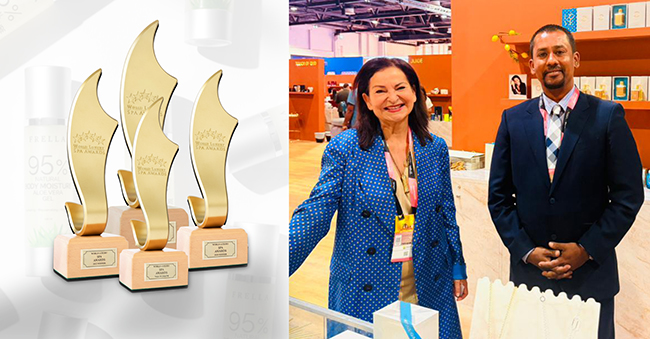
FRELLA, Sri Lankan-born and internationally-respected natural beauty and wellness brand, is setting the stage to expand operations by entering the Sri Lankan retail market. As the country’s only dedicated wellness company operating at an international scale, this move marks a new chapter for a brand with a growing global presence that has already earned the trust of luxury hotels and international customers.
For over seven years, FRELLA has emerged as Sri Lanka’s leading wellness brand, serving clients and partners across more than 15 international markets. The brand’s entry into the Sri Lankan retail market marks a significant milestone, allowing local consumers to access globally respected wellness products developed from the island’s own healing traditions. This retail expansion is supported through a strategic partnership with Baurs, a trusted 170-year-old Swedish multinational company, ensuring sophisticated distribution and access aligned with international retail standards.
FRELLA is rooted in Sri Lanka’s ancient healing traditions and inspired by centuries-old Ayurvedic wisdom. All FRELLA products are specially designed as holistic wellness solutions for the body, skin, hair, and soul, and focuses on providing nourishment, balance, and healthy aging through refined, modern wellness systems.
Business
Writer Business Services enters Sri Lanka to partner with institutions to provide information management and payments solutions


Writer Corporation, one of India’s leading business groups, announced the launch of its subsidiary, Writer Business Services Pvt. Ltd., and the commencement of its operations in Sri Lanka. The expansion reflects Sri Lanka’s strategic importance in Writer’s regional growth plans and its role in supporting a highly regulated digital and financial services market which is currently undergoing digital transformation.
Sri Lanka’s continued focus on strengthening regulatory frameworks, digital platforms, and financial systems is shaping how institutions across banking, government, and enterprise sectors approach their business operations. There is a clear emphasis on secure, compliant, and resilient information and transaction environments that can scale with regulatory and business needs. Writer’s entry into Sri Lanka aligns with this direction, bringing global experience and a partnership-led approach to the market.
As part of its launch, Writer will establish a secure records and information storage facility in Seeduwa, Colombo. Designed to meet global standards for security, compliance, and disaster resilience, the facility will support banks, financial institutions, government bodies, and large enterprises in managing physical and digital information across its lifecycle.
Alongside information management, Writer brings established expertise in integrated payment services to support the modernization of transaction infrastructure across the banking and financial services sector. Its payments capabilities focus on strengthening availability, transaction continuity, and transparency across critical payment channels that underpin institutional reliability and customer confidence.
Writer’s digital payments offerings in Sri Lanka include end-to-end ATM and self-service terminal outsourcing, integrated channel ownership and managed services, field management applications, payment and reconciliation platforms, and remote monitoring with near real-time reporting. These solutions support financial institutions in improving uptime, strengthening governance, and enhancing operational efficiency across payment networks, in line with the continued evolution of electronic and automated payment systems.
Across information management and payments, Writer operates with an integrated portfolio spanning records and information management, business process outsourcing, cloud and digital services, data privacy, cybersecurity and enterprise payments infrastructure. These capabilities support institutions in addressing evolving regulatory requirements, digitization of legacy environments, and rising operational and cyber risks.
Writer’s local presence enables closer collaboration with clients and on-ground delivery, while supporting the development of Centres of Excellence across cybersecurity operations, SOC and NOC services, AI-led solutions, and payments operations and monitoring.
Writer’s Sri Lanka operations will be built, led, and run by Sri Lankan professionals, reflecting a long-term commitment to local talent growth and development.
Commenting on this development, Satyamohan Yanambaka, CEO, Writer Global Services Pvt. Ltd., assured Writer’s long-term commitment to the country’s digital ambitions. He said, “Writer’s entry into Sri Lanka reflects our belief that digital ambition in regulated environments must be supported by trust, sound governance, and strong execution. As institutions scale digital services, the reliability of information and payment systems, channel operations, and governance frameworks becomes increasingly important to public and institutional confidence. Our experience across information management, digital transformation, and enterprise payments enables us to support secure, large-scale financial ecosystems, with a clear commitment to building and leading these capabilities locally.”
Sri Lanka’s Digital Personal Data Protection framework raises expectations around how personal and sensitive information is secured and governed.

Showers will occur at times in the Eastern, Northern, North-Central and Uva provinces and in Matale and Nuwara-Eliya districts

DevPro and WCIC come together to accelerate women’s economic empowerment in Sri Lanka

Tobacco and alcohol claim 22,000 lives annually

Development Officers hunger strike drags on for fourth day

IMF urges Lanka to diversify trade amidst global tariff risks

Shocking 10,455 complaints of Children’s rights violations lodged with NCPA last year

‘Dates have the highest sugar content to fight Coronavirus’

Sunday Island 27 December – Headlines

#SundayIsland 17th December – Headlines

Sunday Island – 28th March

Sunday Island Headlines – 21 March

Sunday Island – 21st February – Headlines
-
 Business4 days ago
ComBank, UnionPay launch SplendorPlus Card for travelers to China
-
 Business5 days ago
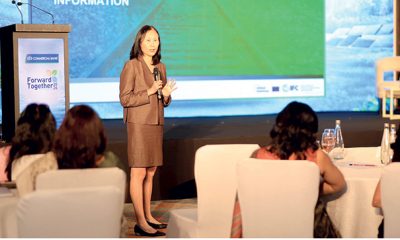
ComBank advances ForwardTogether agenda with event on sustainable business transformation
-
 Opinion5 days ago
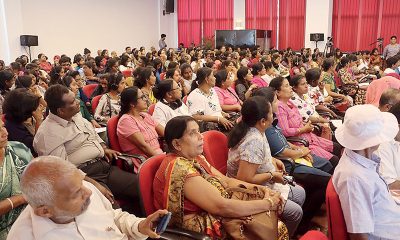
Conference “Microfinance and Credit Regulatory Authority Bill: Neither Here, Nor There”
-
 Business1 day ago
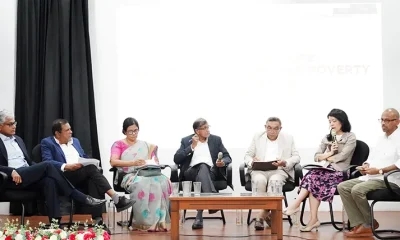
Climate risks, poverty, and recovery financing in focus at CEPA policy panel
-

 Opinion4 days ago
Luck knocks at your door every day
-
 Business6 days ago
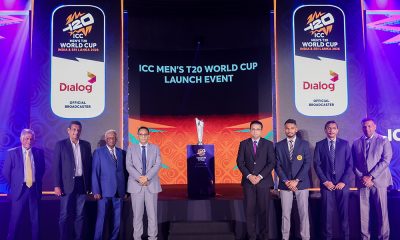
Dialog Brings the ICC Men’s T20 Cricket World Cup 2026 Closer to Sri Lankans
-

 News5 days ago
Rising climate risks and poverty in focus at CEPA policy panel tomorrow at Open University
-

 Business1 day ago
Bourse positively impacted by CBSL policy rate stance