
Features
Discovering the New World: AMAZING AMAZON

Part 34 PASSIONS OF A GLOBAL HOTELIER
Dr. Chandana (Chandi) Jayawardena DPhil
President – Chandi J. Associates Inc. Consulting, Canada
Founder & Administrator – Global Hospitality Forum
chandij@sympatico.ca
Discovering the Interior of Guyana
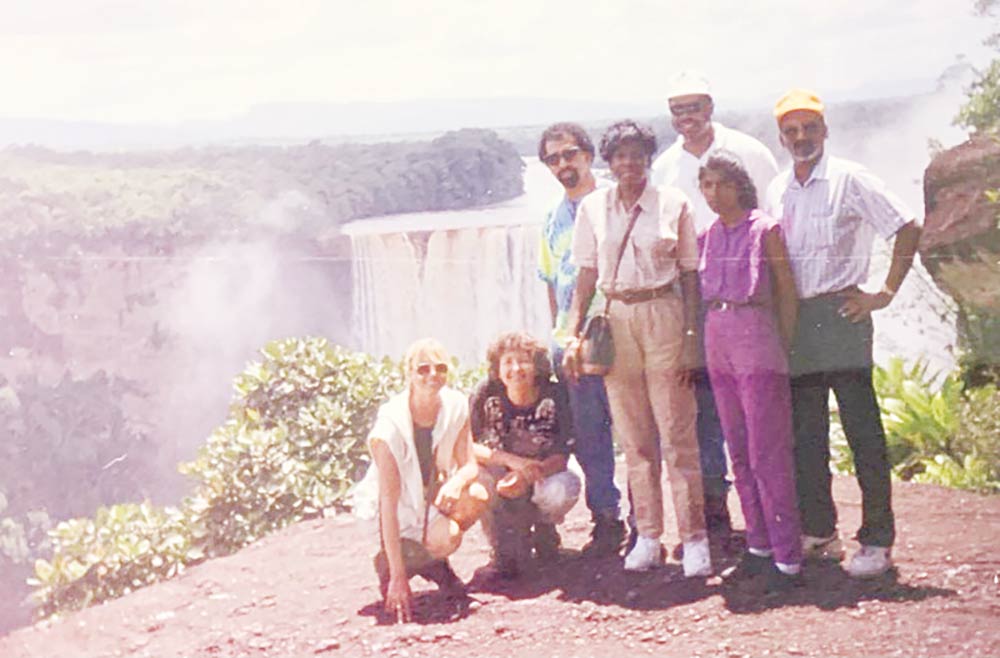
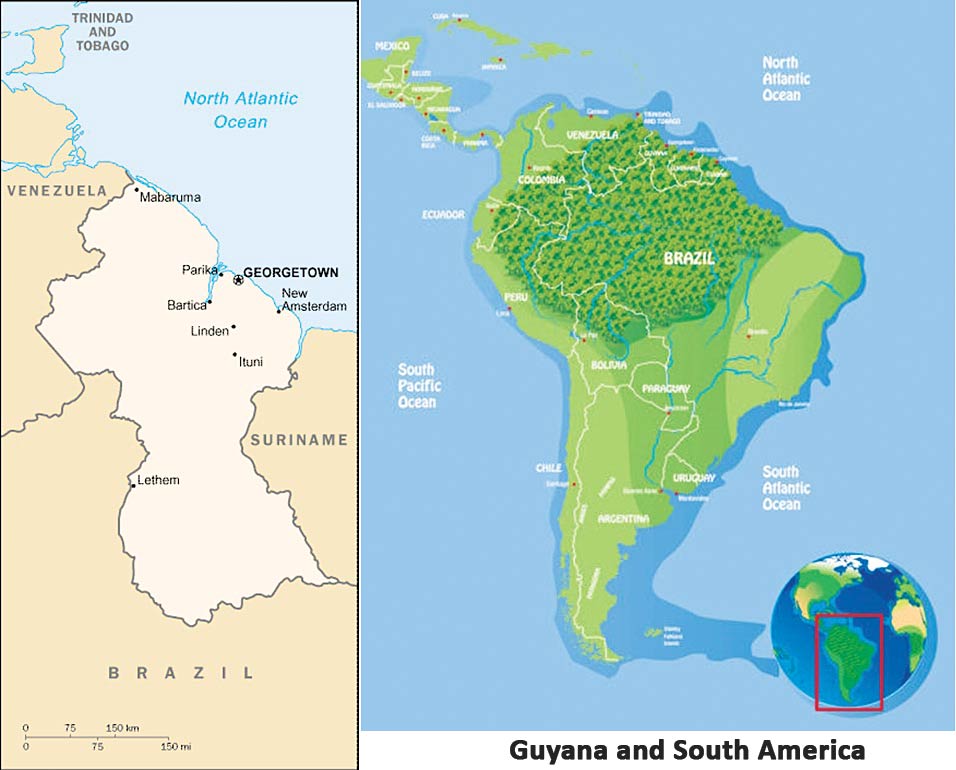
My work in Guyana was centred in the capital city of Georgetown, where I managed the country’s only international and five-star hotel at the time—the Guyana Pegasus. My weekends, however, were often spent travelling for hours into the rainforest to oversee Timberhead, an eco-resort I also managed. While I had visited the awe-inspiring Kaieteur Falls a couple of times and explored a large gold mine near Guyana’s second city, Linden, my appetite to uncover the vastness of this land—the size of the United Kingdom—was insatiable.
For my elder son, Marlon, and me, a visit to the Omai Gold Mine marked our first venture into a mining operation. Established in the 1880s and developed further by Cambior Inc., a Canadian-based international gold producer, just before my arrival, the mine was also one of Guyana Pegasus’ valuable corporate clients. Leveraging this connection, we gained exclusive access to areas of the mine not typically open to the public. It was a fascinating experience.
When I shared my desire to explore the interior of Guyana with Tony Thorne, a member of my management team, he took the initiative. Tony, an Australian with a wealth of knowledge about Guyana’s interior, became an excellent guide for me. Together, we embarked on several trips, including visits to leading eco-resorts like Shanklands and the Gezebo, located along the banks of the Essequibo, Guyana’s largest river.
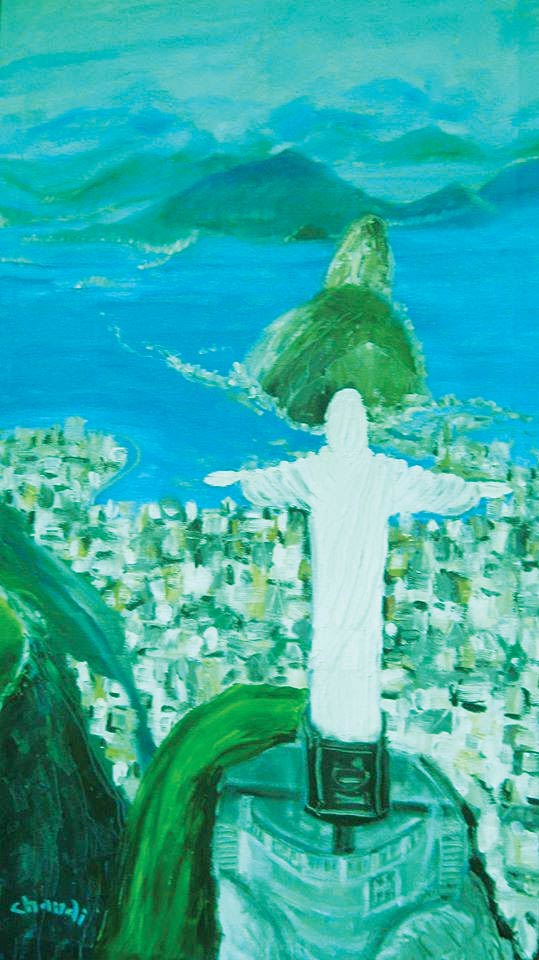
Rio de Janeiro
One of the highlights of these explorations was travelling by small aircraft to Kwebanna and Mabaruma. From there, we undertook an adventurous boat journey to Shell Beach, a stunning and pristine 75-mile coastline near the Guyana-Venezuela border. By day, we observed the vibrant Scarlet Ibis, and by night, we marvelled at hundreds of turtles laying eggs under the moonlight—an ethereal spectacle.
Two weeks later, another journey took us by air to Lethem, near the Guyana-Brazil border in the deep south. This area, known as Rupununi, revealed a culture distinct from the rest of the country. Over the course of a week, we travelled through remote areas by Jeep, boat, and even horseback, staying overnight in rustic cottages and ranches predominantly owned by Guyanese-Portuguese families.
During evenings spent with the well-to-do residents of Rupununi, I learned of the infamous “Rupununi Uprising,” a deadly secessionist insurrection that occurred soon after Guyana’s independence in the late 1960s. “We led a breakaway and sought to control 22,300 square miles!” Mr. Ferreira, one of my new friends, proudly recounted. He elaborated with humour: “We oversaw what we thought was a new country supported by Venezuela for two days. Then we had a big party to celebrate our victory. All of us were drunk when the Guyana Defence Force attacked and defeated us!” His hearty laughter punctuated the tale as he raised his glass for another toast.
After that experience I wanted to explore the three South American countries surrounding Guyana – Dutch-speaking Suriname, Spanish-speaking Venezuela and Portuguese-Speaking Brazil. I was hungry for more travels!

“The Amazon”
Discovering Suriname (Dutch Guyana)
After expressing my interest in travelling to neighbouring Suriname, my friend Maniram ‘Mani’ Prashad, the only Guyanese member of the hotel’s board, proposed a plan. “Chandi, let’s travel overland by car and ferry. We can break journey in New Amsterdam, where I have friends,” he suggested. Accompanied by Mani’s friend and his wife, and two other friends, we set off, traversing the coastal belt by road and ferry. We reached Suriname after sunset.
The next day, we explored the capital city Paramaribo on foot, admiring its historic inner city, a UNESCO World Heritage Site. The St. Peter and Paul Cathedral, the largest wooden structure in the Western Hemisphere, stood out as a magnificent highlight. We also visited Fort Zeelandia, a 17th-century stronghold, and strolled along the picturesque waterfront of the Suriname River. A sprawling garden filled with towering royal palms offered a tranquil retreat from the city’s hustle. Paramaribo’s unique blend of Dutch colonial heritage, natural beauty, and cultural diversity left an indelible impression.
Discovering Venezuela
During a transit trip from Georgetown to London and Colombo, I managed to spend a few days in Venezuela, focusing on its capital city, Caracas, and its renowned art galleries. The journey included a quick stop in Port of Spain, Trinidad and Tobago. Caracas struck me with its stark contrasts—luxury skyscrapers adjoining sprawling slums.
A day-long city tour was followed by a visit to some of the country’s most impressive art galleries. The Museum of Contemporary Art, the National Art Gallery, and other contemporary spaces showcased remarkable collections that further enriched my appreciation for Venezuelan culture.
-
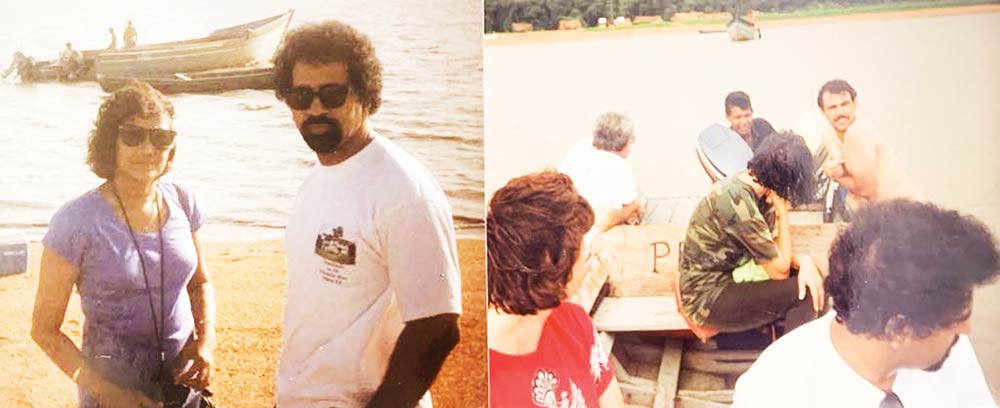
- Boat trouble at Shell Beach
-

- Choice of transport in Rupununi
-
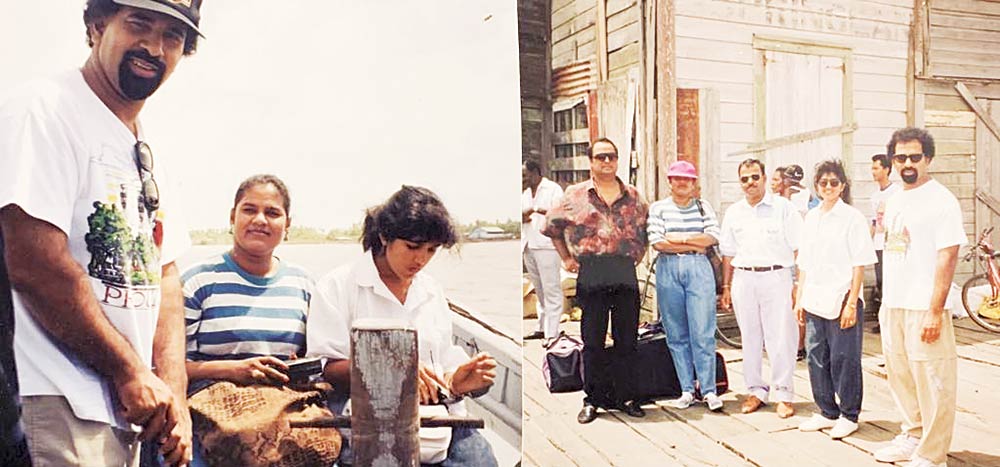
- Reaching Paramaribo
Discovering Brazil
Guyana’s 285-mile coastline along the Atlantic Ocean contrasts sharply with its extensive 1,000-mile border with Brazil, running through the Amazon rainforest. While Guyana’s borders with Venezuela and Suriname are mired in territorial disputes, its boundary with Brazil remains peaceful and well-defined.
Although I initially planned to visit Brazil in 1995, the preparation for a summit with 16 heads of state staying at the Guyana Pegasus delayed my trip. It wasn’t until 2010 that I had the opportunity to explore Brazil, spending ten days in its vibrant cities of capital Brasília, old capital Rio de Janeiro, and São Paulo (more stories on the 2010 trip will be provided at a later series) I was there to lead a major conference for the Amazon Corporation Treaty Organization (ACTO).
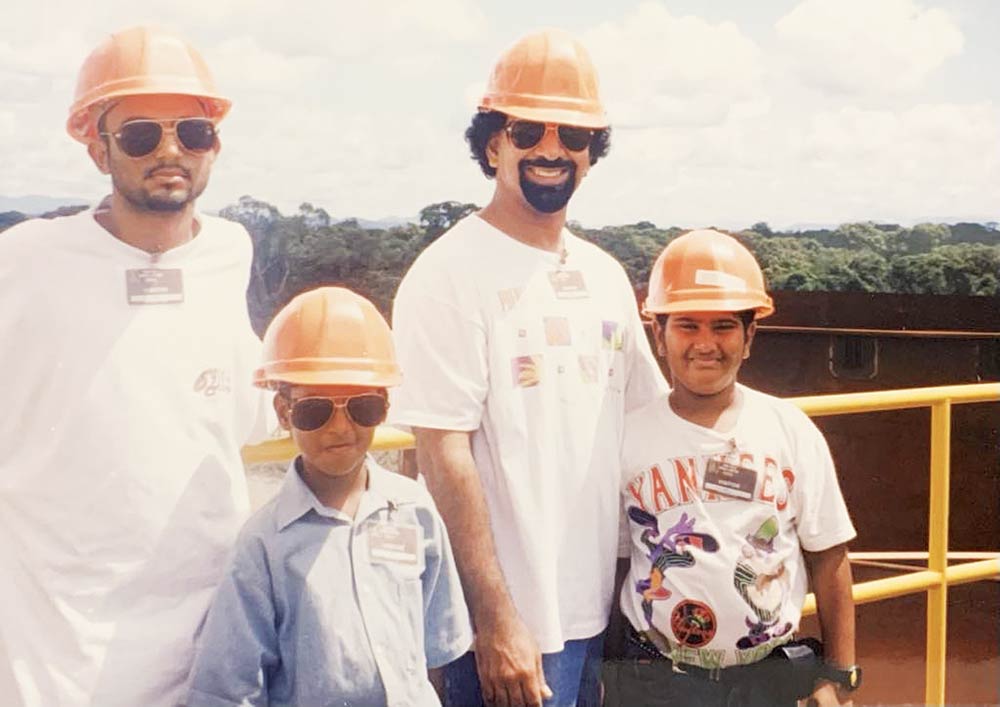
At Omai Gold Mine with my son, Marlon and friends
Collaborating with the Amazon Corporation Treaty Organization
The Amazon Corporation Treaty Organization (ACTO) is an intergovernmental entity focused on the sustainable development and preservation of the Amazon Basin. Established in 1978, ACTO unites eight member countries: Brazil, Peru, Colombia, Venezuela, Ecuador, Bolivia, Guyana, and Suriname.
In 2010, I collaborated with ACTO to organise a regional conference addressing sustainable tourism’s role in protecting the Amazon rainforest. My former University of Guyana colleague, Donald Sinclair, who headed ACTO’s tourism arm, played a pivotal role in recommending me for the assignment.
Post-conference, Donald and I co-authored an outcome paper titled, “Does Sustainable Tourism Offer Solutions for the Protection of the Amazon Rainforest?” We presented this paper at prominent tourism conferences in the United States, and its publication in a major British journal marked a milestone in our academic careers.
My Art on the Amazon
Since 1994, the Amazon has profoundly influenced my work as a visual artist. I produced over 60 abstract paintings on the Amazon, during my time in Guana. In 1995 I held two solo exhibitions titled ‘Volcanic Moods I and II’ at the national gallery of Guyana – Castellani House and Pegasus Gallery. In 2024, I completed a new series of semi abstract paintings themed “The Amazon” and plan to host a solo exhibition dedicated to this subject in 2026. My artist’s statement for this series encapsulates my creative journey inspired by the Amazon:
“My creative process is rooted in layering translucent glazes and employing bold strokes to evoke a sense of both movement and stillness. In ‘The Amazon,’ I invite viewers to experience the rainforest’s majesty through heightened awareness of its ever-changing beauty.
My connection to the Amazon began when I managed an eco-resort in the heart of the rainforest in the mid-1990s. The forest seduced me, its untamed vastness inspiring a series of abstract works that reflect the primal forces at play within this environment. Each piece captures the delicate interplay of light and shadow, evoking emotions and memories that resonate deeply.
As I journeyed through its depths, crossing brown rivers and towering trees, the Amazon unfolded like a symphony of light and colour orchestrated by nature’s hand. These impressions, collected during my travels, are distilled into each painting—a reflection of the awe and reverence I hold for this life-sustaining ecosystem.”
Conclusion
My journey through the Amazon and its neighbouring regions has been an extraordinary blend of discovery, adventure, and creative inspiration. From the scarlet ibis of Shell Beach to the grandeur of Paramaribo’s wooden cathedral, from the contrasts of Caracas to the vibrant energy of Rio de Janeiro, each experience has enriched my understanding of this magnificent part of the world. The Amazon’s untamed beauty continues to inspire my art, serving as a testament to its enduring significance and the pressing need for its preservation.



In the immediate aftermath of Cyclone Ditwah, the government has moved swiftly to establish a Presidential Task Force for Rebuilding Sri Lanka with a core committee to assess requirements, set priorities, allocate resources and raise and disburse funds. Public reaction, however, has focused on the committee’s problematic composition. All eleven committee members are men, and all non-government seats are held by business personalities with no known expertise in complex national development projects, disaster management and addressing the needs of vulnerable populations. They belong to the top echelon of Sri Lanka’s private sector which has been making extraordinary profits. The government has been urged by civil society groups to reconsider the role and purpose of this task force and reconstitute it to be more representative of the country and its multiple needs.
The group of high-powered businessmen initially appointed might greatly help mobilise funds from corporates and international donors, but this group may be ill equipped to determine priorities and oversee disbursement and spending. It would be necessary to separate fundraising, fund oversight and spending prioritisation, given the different capabilities and considerations required for each. International experience in post disaster recovery shows that inclusive and representative structures are more likely to produce outcomes that are equitable, efficient and publicly accepted. Civil society, for instance, brings knowledge rooted in communities, experience in working with vulnerable groups and a capacity to question assumptions that may otherwise go unchallenged.
A positive and important development is that the government has been responsive to these criticisms and has invited at least one civil society representative to join the Rebuilding Sri Lanka committee. This decision deserves to be taken seriously and responded to positively by civil society which needs to call for more representation rather than a single representative. Such a demand would reflect an understanding that rebuilding after a national disaster cannot be undertaken by the state and the business community alone. The inclusion of civil society will strengthen transparency and public confidence, particularly at a moment when trust in institutions remains fragile. While one appointment does not in itself ensure inclusive governance, it opens the door to a more participatory approach that needs to be expanded and institutionalised.
Costly Exclusions
Going down the road of history, the absence of inclusion in government policymaking has cost the country dearly. The exclusion of others, not of one’s own community or political party, started at the very dawn of Independence in 1948. The Father of the Nation, D S Senanayake, led his government to exclude the Malaiyaha Tamil community by depriving them of their citizenship rights. Eight years later, in 1956, the Oxford educated S W R D Bandaranaike effectively excluded the Tamil speaking people from the government by making Sinhala the sole official language. These early decisions normalised exclusion as a tool of governance rather than accommodation and paved the way for seven decades of political conflict and three decades of internal war.
Exclusion has also taken place virulently on a political party basis. Both of Sri Lanka’s post Independence constitutions were decided on by the government alone. The opposition political parties voted against the new constitutions of 1972 and 1977 because they had been excluded from participating in their design. The proposals they had made were not accepted. The basic law of the country was never forged by consensus. This legacy continues to shape adversarial politics and institutional fragility. The exclusion of other communities and political parties from decision making has led to frequent reversals of government policy. Whether in education or economic regulation or foreign policy, what one government has done the successor government has undone.
Sri Lanka’s poor performance in securing the foreign investment necessary for rapid economic growth can be attributed to this factor in the main. Policy instability is not simply an economic problem but a political one rooted in narrow ownership of power. In 2022, when the people went on to the streets to protest against the government and caused it to fall, they demanded system change in which their primary focus was corruption, which had reached very high levels both literally and figuratively. The focus on corruption, as being done by the government at present, has two beneficial impacts for the government. The first is that it ensures that a minimum of resources will be wasted so that the maximum may be used for the people’s welfare.
Second Benefit
The second benefit is that by focusing on the crime of corruption, the government can disable many leaders in the opposition. The more opposition leaders who are behind bars on charges of corruption, the less competition the government faces. Yet these gains do not substitute for the deeper requirement of inclusive governance. The present government seems to have identified corruption as the problem it will emphasise. However, reducing or eliminating corruption by itself is not going to lead to rapid economic development. Corruption is not the sole reason for the absence of economic growth. The most important factor in rapid economic growth is to have government policies that are not reversed every time a new government comes to power.
For Sri Lanka to make the transition to self-sustaining and rapid economic development, it is necessary that the economic policies followed today are not reversed tomorrow. The best way to ensure continuity of policy is to be inclusive in governance. Instead of excluding those in the opposition, the mainstream opposition in particular needs to be included. In terms of system change, the government has scored high with regard to corruption. There is a general feeling that corruption in the country is much reduced compared to the past. However, with regard to inclusion the government needs to demonstrate more commitment. This was evident in the initial choice of cabinet ministers, who were nearly all men from the majority ethnic community. Important committees it formed, including the Presidential Task Force for a Clean Sri Lanka and the Rebuilding Sri Lanka Task Force, also failed at first to reflect the diversity of the country.
In a multi ethnic and multi religious society like Sri Lanka, inclusivity is not merely symbolic. It is essential for addressing diverse perspectives and fostering mutual understanding. It is important to have members of the Tamil, Muslim and other minority communities, and women who are 52 percent of the population, appointed to important decision making bodies, especially those tasked with national recovery. Without such representation, the risk is that the very communities most affected by the crisis will remain unheard, and old grievances will be reproduced in new forms. The invitation extended to civil society to participate in the Rebuilding Sri Lanka Task Force is an important beginning. Whether it becomes a turning point will depend on whether the government chooses to make inclusion a principle of governance rather than treat it as a show of concession made under pressure.
by Jehan Perera

Former Director General of Irrigation, G.T. Dharmasena, in an article, titled “Revival of Innovative systems for reservoir operation and flood forecasting” in The Island of 17 December, 2025, starts out by stating:
“Most reservoirs in Sri Lanka are agriculture and hydropower dominated. Reservoir operators are often unwilling to acknowledge the flood detention capability of major reservoirs during the onset of monsoons. Deviating from the traditional priority for food production and hydropower development, it is time to reorient the operational approach of major reservoirs operators under extreme events, where flood control becomes a vital function. While admitting that total elimination of flood impacts is not technically feasible, the impacts can be reduced by efficient operation of reservoirs and effective early warning systems”.
Addressing the question often raised by the public as to “Why is flooding more prominent downstream of reservoirs compared to the period before they were built,” Mr. Dharmasena cites the following instances: “For instance, why do (sic) Magama in Tissamaharama face floods threats after the construction of the massive Kirindi Oya reservoir? Similarly, why does Ambalantota flood after the construction of Udawalawe Reservoir? Furthermore, why is Molkawa, in the Kalutara District area, getting flooded so often after the construction of Kukule reservoir”?
“These situations exist in several other river basins, too. Engineers must, therefore, be mindful of the need to strictly control the operation of the reservoir gates by their field staff. (Since) “The actual field situation can sometimes deviate significantly from the theoretical technology… it is necessary to examine whether gate operators are strictly adhering to the operational guidelines, as gate operation currently relies too much on the discretion of the operator at the site”.
COMMENT
For Mr. Dharmasena to bring to the attention of the public that “gate operation currently relies too much on the discretion of the operator at the site”, is being disingenuous, after accepting flooding as a way of life for ALL major reservoirs for decades and not doing much about it. As far as the public is concerned, their expectation is that the Institution responsible for Reservoir Management should, not only develop the necessary guidelines to address flooding but also ensure that they are strictly administered by those responsible, without leaving it to the arbitrary discretion of field staff. This exercise should be reviewed annually after each monsoon, if lives are to be saved and livelihoods are to be sustained.
IMPACT of GATE OPERATION on FLOODING
According to Mr. Dhamasena, “Major reservoir spillways are designed for very high return periods… If the spillway gates are opened fully when reservoir is at full capacity, this can produce an artificial flood of a very large magnitude… Therefore, reservoir operators must be mindful in this regard to avoid any artificial flood creation” (Ibid). Continuing, he states: “In reality reservoir spillways are often designed for the sole safety of the reservoir structure, often compromising the safety of the downstream population. This design concept was promoted by foreign agencies in recent times to safeguard their investment for dams. Consequently, the discharge capacities of these spill gates significantly exceed the natural carrying capacity of river(s) downstream” (Ibid).
COMMENT
The design concept where priority is given to the “sole safety of the structure” that causes the discharge capacity of spill gates to “significantly exceed” the carrying capacity of the river is not limited to foreign agencies. Such concepts are also adopted by local designers as well, judging from the fact that flooding is accepted as an inevitable feature of reservoirs. Since design concepts in their current form lack concern for serious destructive consequences downstream and, therefore, unacceptable, it is imperative that the Government mandates that current design criteria are revisited as a critical part of the restoration programme.
CONNECTIVITY BETWEEN GATE OPENINGS and SAFETY MEASURES
It is only after the devastation of historic proportions left behind by Cyclone Ditwah that the Public is aware that major reservoirs are designed with spill gate openings to protect the safety of the structure without factoring in the consequences downstream, such as the safety of the population is an unacceptable proposition. The Institution or Institutions associated with the design have a responsibility not only to inform but also work together with Institutions such as Disaster Management and any others responsible for the consequences downstream, so that they could prepare for what is to follow.
Without working in isolation and without limiting it only to, informing related Institutions, the need is for Institutions that design reservoirs to work as a team with Forecasting and Disaster Management and develop operational frameworks that should be institutionalised and approved by the Cabinet of Ministers. The need is to recognize that without connectivity between spill gate openings and safety measures downstream, catastrophes downstream are bound to recur.
Therefore, the mandate for dam designers and those responsible for disaster management and forecasting should be for them to jointly establish guidelines relating to what safety measures are to be adopted for varying degrees of spill gate openings. For instance, the carrying capacity of the river should relate with a specific openinig of the spill gate. Another specific opening is required when the population should be compelled to move to high ground. The process should continue until the spill gate opening is such that it warrants the population to be evacuated. This relationship could also be established by relating the spill gate openings to the width of the river downstream.
The measures recommended above should be backed up by the judicious use of the land within the flood plain of reservoirs for “DRY DAMS” with sufficient capacity to intercept part of the spill gate discharge from which excess water could be released within the carrying capacity of the river. By relating the capacity of the DRY DAM to the spill gate opening, a degree of safety could be established. However, since the practice of demarcating flood plains is not taken seriously by the Institution concerned, the Government should introduce a Bill that such demarcations are made mandatory as part of State Land in the design and operation of reservoirs. Adopting such a practice would not only contribute significantly to control flooding, but also save lives by not permitting settlement but permitting agricultural activities only within these zones. Furthermore, the creation of an intermediate zone to contain excess flood waters would not tax the safety measures to the extent it would in the absence of such a safety net.
CONCLUSION
Perhaps, the towns of Kotmale and Gampola suffered severe flooding and loss of life because the opening of spill gates to release the unprecedented volumes of water from Cyclone Ditwah, was warranted by the need to ensure the safety of Kotmale and Upper Kotmale Dams.
This and other similar disasters bring into focus the connectivity that exists between forecasting, operation of spill gates, flooding and disaster management. Therefore, it is imperative that the government introduce the much-needed legislative and executive measures to ensure that the agencies associated with these disciplines develop a common operational framework to mitigate flooding and its destructive consequences. A critical feature of such a framework should be the demarcation of the flood plain, and decree that land within the flood plain is a zone set aside for DRY DAMS, planted with trees and free of human settlements, other than for agricultural purposes. In addition, the mandate of such a framework should establish for each river basin the relationship between the degree to which spill gates are opened with levels of flooding and appropriate safety measures.
The government should insist that associated Agencies identify and conduct a pilot project to ascertain the efficacy of the recommendations cited above and if need be, modify it accordingly, so that downstream physical features that are unique to each river basin are taken into account and made an integral feature of reservoir design. Even if such restrictions downstream limit the capacities to store spill gate discharges, it has to be appreciated that providing such facilities within the flood plain to any degree would mitigate the destructive consequences of the flooding.
By Neville Ladduwahetty

The ocean rarely raises its voice. Instead, it leaves behind signs — subtle, intricate and enduring — for those willing to observe closely. Along Sri Lanka’s shores, these signs often appear in the form of seashells: spiralled, ridged, polished by waves, carrying within them the quiet history of marine life. For Marine Naturalist Dr. Malik Fernando, these shells are not souvenirs of the sea but storytellers, bearing witness to ecological change, resilience and loss.
“Seashells are among the most eloquent narrators of the ocean’s condition,” Dr. Fernando told The Island. “They are biological archives. If you know how to read them, they reveal the story of our seas, past and present.”
A long-standing marine conservationist and a member of the Marine Subcommittee of the Wildlife & Nature Protection Society (WNPS), Dr. Fernando has dedicated much of his life to understanding and protecting Sri Lanka’s marine ecosystems. While charismatic megafauna often dominate conservation discourse, he has consistently drawn attention to less celebrated but equally vital marine organisms — particularly molluscs, whose shells are integral to coastal and reef ecosystems.
“Shells are often admired for their beauty, but rarely for their function,” he said. “They are homes, shields and structural components of marine habitats. When shell-bearing organisms decline, it destabilises entire food webs.”
Sri Lanka’s geographical identity as an island nation, Dr. Fernando says, is paradoxically underrepresented in national conservation priorities. “We speak passionately about forests and wildlife on land, but our relationship with the ocean remains largely extractive,” he noted. “We fish, mine sand, build along the coast and pollute, yet fail to pause and ask how much the sea can endure.”
Through his work with the WNPS Marine Subcommittee, Dr. Fernando has been at the forefront of advocating for science-led marine policy and integrated coastal management. He stressed that fragmented governance and weak enforcement continue to undermine marine protection efforts. “The ocean does not recognise administrative boundaries,” he said. “But unfortunately, our policies often do.”
He believes that one of the greatest challenges facing marine conservation in Sri Lanka is invisibility. “What happens underwater is out of sight, and therefore out of mind,” he said. “Coral bleaching, mollusc depletion, habitat destruction — these crises unfold silently. By the time the impacts reach the shore, it is often too late.”
 Seashells, in this context, become messengers. Changes in shell thickness, size and abundance, Dr. Fernando explained, can signal shifts in ocean chemistry, rising temperatures and increasing acidity — all linked to climate change. “Ocean acidification weakens shells,” he said. “It is a chemical reality with biological consequences. When shells grow thinner, organisms become more vulnerable, and ecosystems less stable.”
Climate change, he warned, is no longer a distant threat but an active force reshaping Sri Lanka’s marine environment. “We are already witnessing altered breeding cycles, migration patterns and species distribution,” he said. “Marine life is responding rapidly. The question is whether humans will respond wisely.”
Despite the gravity of these challenges, Dr. Fernando remains an advocate of hope rooted in knowledge. He believes public awareness and education are essential to reversing marine degradation. “You cannot expect people to protect what they do not understand,” he said. “Marine literacy must begin early — in schools, communities and through public storytelling.”
It is this belief that has driven his involvement in initiatives that use visual narratives to communicate marine science to broader audiences. According to Dr. Fernando, imagery, art and heritage-based storytelling can evoke emotional connections that data alone cannot. “A well-composed image of a shell can inspire curiosity,” he said. “Curiosity leads to respect, and respect to protection.”
Shells, he added, also hold cultural and historical significance in Sri Lanka, having been used for ornamentation, ritual objects and trade for centuries. “They connect nature and culture,” he said. “By celebrating shells, we are also honouring coastal communities whose lives have long been intertwined with the sea.”
However, Dr. Fernando cautioned against romanticising the ocean without acknowledging responsibility. “Celebration must go hand in hand with conservation,” he said. “Otherwise, we risk turning heritage into exploitation.”
He was particularly critical of unregulated shell collection and commercialisation. “What seems harmless — picking up shells — can have cumulative impacts,” he said. “When multiplied across thousands of visitors, it becomes extraction.”
As Sri Lanka continues to promote coastal tourism, Dr. Fernando emphasised the need for sustainability frameworks that prioritise ecosystem health. “Tourism must not come at the cost of the very environments it depends on,” he said. “Marine conservation is not anti-development; it is pro-future.”

Dr. Malik Fernando
Reflecting on his decades-long engagement with the sea, Dr. Fernando described marine conservation as both a scientific pursuit and a moral obligation. “The ocean has given us food, livelihoods, climate regulation and beauty,” he said. “Protecting it is not an act of charity; it is an act of responsibility.”
He called for stronger collaboration between scientists, policymakers, civil society and the private sector. “No single entity can safeguard the ocean alone,” he said. “Conservation requires collective stewardship.”
Yet, amid concern, Dr. Fernando expressed cautious optimism. “Sri Lanka still has immense marine wealth,” he said. “Our reefs, seagrass beds and coastal waters are resilient, if given a chance.”
Standing at the edge of the sea, shells scattered along the sand, one is reminded that the ocean does not shout its warnings. It leaves behind clues — delicate, enduring, easily overlooked. For Dr. Malik Fernando, those clues demand attention.
“The sea is constantly communicating,” he said. “In shells, in currents, in changing patterns of life. The real question is whether we, as a society, are finally prepared to listen — and to act before silence replaces the story.”
By Ifham Nizam

Shafali, Renuka close in on top five in ICC T20I rankings

S. Achchudan appointed as Director General of the Sports Development Department.

Amendment of the National Environment Act No. 47 of 1980
Tax relief for Dates received as donations or gifts for Ramadan
Cabinet nod to establish the Sri Lanka Industrial Transformation and innovation Authority
Temporary employment of Sri Lankan labour in the State of Israel

‘Dates have the highest sugar content to fight Coronavirus’

Sunday Island 27 December – Headlines

#SundayIsland 17th December – Headlines

Sunday Island – 28th March

Sunday Island Headlines – 21 March

Sunday Island – 21st February – Headlines
-

 News6 days ago
British MP calls on Foreign Secretary to expand sanction package against ‘Sri Lankan war criminals’
-
 News5 days ago
Street vendors banned from Kandy City
-

 Sports6 days ago
Chief selector’s remarks disappointing says Mickey Arthur
-

 Opinion6 days ago
Disasters do not destroy nations; the refusal to change does
-

 News7 days ago
Sri Lanka’s coastline faces unfolding catastrophe: Expert
-

 News5 days ago
Lankan aircrew fly daring UN Medevac in hostile conditions in Africa
-
 Midweek Review7 days ago
Year ends with the NPP govt. on the back foot
-

 Sports2 days ago
Gurusinha’s Boxing Day hundred celebrated in Melbourne