
Business
DIMO recognised for Corporate Reporting

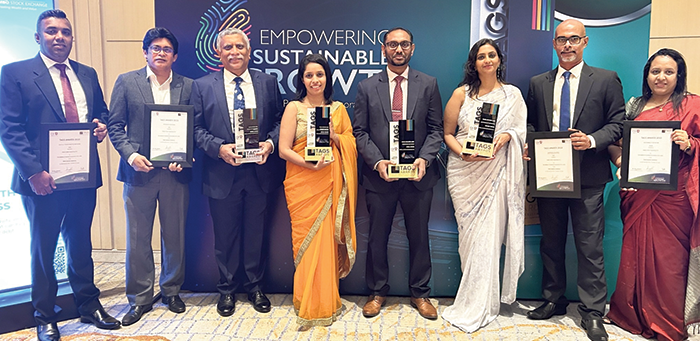
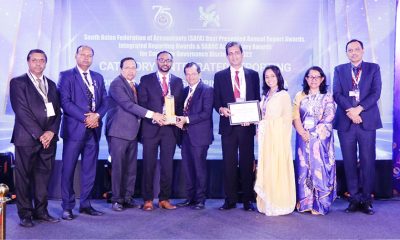
In a resounding testament to its commitment towards transparency, DIMO secured four accolades at the TAGS Awards 2023 organized by the Institute of Chartered Accountants of Sri Lanka (CA Sri Lanka) recently.
DIMO clinched the Gold Award in Integrated Reporting (Shared) underscoring its outstanding performance and leadership in integrated reporting. The Gold Award in the Diversified Holdings -Group Turnover up to 50Bn category, is another feather adding to their continuous success in this segment.
Silver Award in Digitally Transformative Reporting (Shared) acknowledges DIMO’s digital prowess while recognizing the company’s innovative approach to reporting in the digital age. DIMO’s commitment to sustainability garnered the Bronze Award, reflecting its well-structured sustainability agenda covering business, people, and the environment, which was perfectly articulated in the sustainability report. The 2022/2023 Annual Report provides a clear understanding of DIMO’s sustainability philosophy, aligning with global best practices.
Gahanath Pandithage, Group Managing Director/CEO of DIMO, commenting on this accomplishment said “We are happy and honoured to celebrate this Quadruple Victory at TAGS Awards. This achievement further reaffirms our commitment towards transparency”.
The company’s 2022/2023 Annual Report, themed “Accelerating into the Future,” seamlessly portrays how it transformed its purpose into value across capital, governance, risk management, sustainability, and stakeholder engagement.
At the heart of DIMO’s success is its adherence to global reporting standards and best practices. The 2022/2023 Annual Report stands as a beacon of transparency, accountability, governance, and sustainability showcasing the company’s robust strategy, value creation, governance structures, ESG practices, management philosophies, and risk management strategies.
DIMO’s approach to integrated reporting is exemplified in its concise, complete, and connected report. Compliant with standards and best practices DIMO has been continuously adopting, demonstrating their commitment to corporate discipline and adherence to regulations, further fostering trust among stakeholders.







Business
SLT-MOBITEL empowers over 1,000 students across Sri Lanka with World Children’s Day educational initiatives
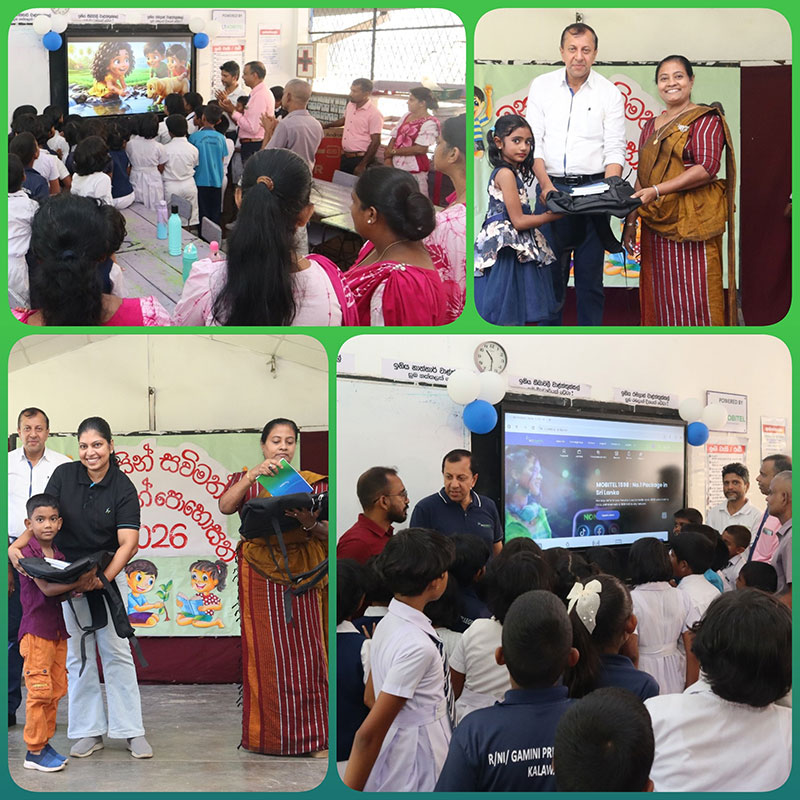
SLT-MOBITEL reaffirmed its commitment to advancing inclusive education and empowering the next generation through a series of initiatives to mark World Children’s Day. Benefiting over 1,000 students at Gamini Primary College in Kalawana and Sidhartha Vidyalaya in Walikadamulla, Wattala, the initiatives combine technology-enabled learning with essential educational support, expanding opportunities for children to learn, grow and reach their full potential.
Strengthening access to digital education in rural Sri Lanka, SLT-MOBITEL gifted a state-of-the-art Smart Classroom facility to Gamini Primary College in Kalawana. Equipped with a high-speed SLT-MOBITEL fibre connection and an advanced interactive Smart Board, the facility introduces modern digital learning capabilities into the classroom, creating an enriched and interactive learning environment.The facility benefits over 900 students and their teachers by providing access to digital learning platforms, interactive educational content and a wealth of online educational resources.
SLT-MOBITEL donated essential school supplies to 150 students at Sidhartha Vidyalaya in Walikadamulla, Wattala. Bringing together students from diverse communities in a shared learning environment, the school provides an important foundation for inclusive education. The donation aims to support students’ day-to-day learning needs, enhance their educational experiences and encourage them to pursue their academic aspirations.
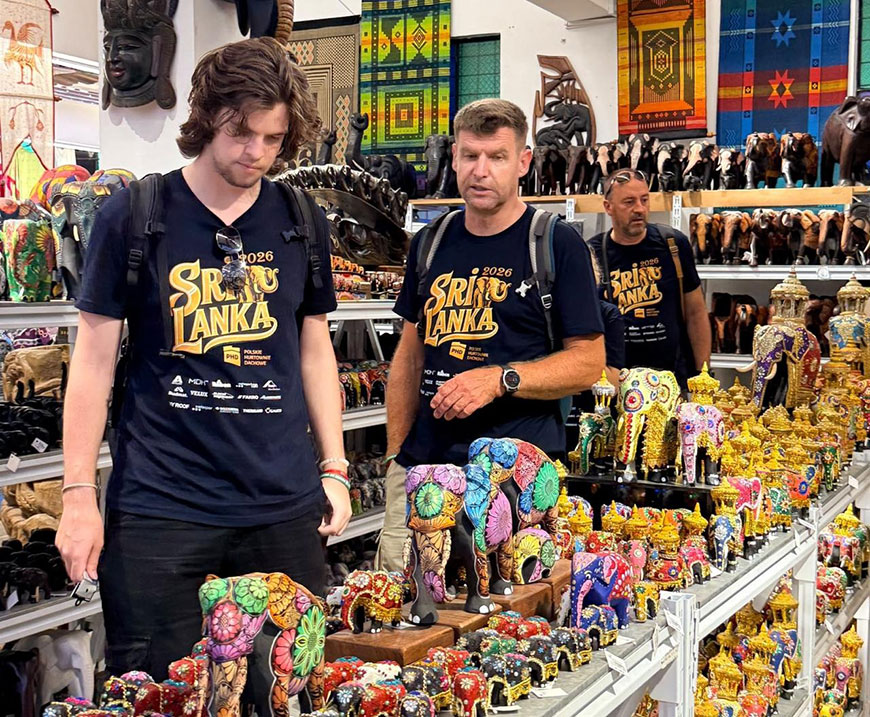
Lakarcade (Pvt) Ltd, a Sri Lankan novelty gift and souvenir retailer, has been accepted as a participant of the UN Global Compact Network Sri Lanka, reaffirming its commitment to sustainable and responsible business practices.
Through its participation in the United Nations’ global corporate sustainability initiative, Lakarcade has committed to aligning its operations and strategies with the UN Global Compact’s Ten Principles covering human rights, labour, the environment and anti-corruption.
The company connects Sri Lankan cultural heritage and craftsmanship with international visitors and global markets, while supporting independent artisans, traditional craftsmen and community-based creators across the country.
Lakarcade said its participation in the network would help strengthen these initiatives by integrating structured sustainability practices and ethical standards more deeply into its operations and supply chains.
Commenting on the development, CEO and Managing Director Anil Koswatte said joining the UN Global Compact Network Sri Lanka marked an important milestone for the company and reinforced its commitment to responsible business practices.
He said the company would continue to promote Sri Lanka’s cultural heritage, support local artisan communities and embed sustainable practices across its showrooms and supply chains.
The United Nations Global Compact and its local networks encourage businesses worldwide to align their strategies and operations with universal principles and take action to advance societal goals and the Sustainable Development Goals (SDGs).
As a participant of the UN Global Compact Network Sri Lanka, Lakarcade expects to collaborate with local industry peers to promote transparent and responsible corporate growth.
Further information about Lakarcade and its sustainability initiatives is available at www.lakarcade.lk and at its flagship showroom and other outlets in Colombo.
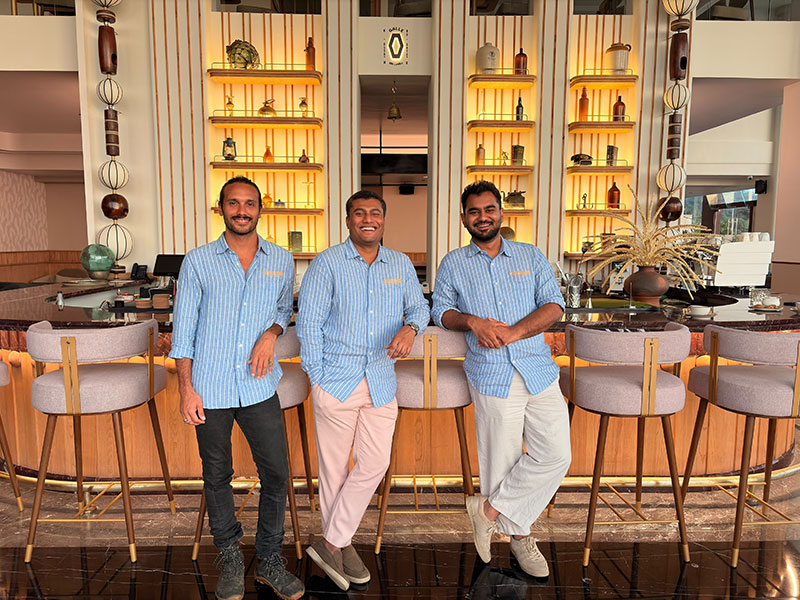
Otherland Hotels has officially entered Sri Lanka’s hospitality landscape with the debut of its flagship property, Otherland Galle, which opened its doors on October 12, 2026. Founded by Rishi Sreedharan, Samarth Gowda, and Emanuel Siddhartha in partnership with the Beryll Group, the independent lifestyle brand introduces a fresh hospitality paradigm anchored in “FreeState Luxury”—a concept centered on accessibility, self-expression, and community-driven design over conventional luxury.
Situated on Matara Road—just 400 meters from Dewata Beach and 2.8 kilometers from the UNESCO World Heritage Site of Galle Fort—the 66-key hotel blends regional surf culture and coastal aesthetics. Designed by Studio Camarada, the property’s fluid interiors feature natural textures, rattan, and coastal tones across a diverse mix of 24 Ocean Rooms, 25 Terra Rooms, 12 suites, 5 shared dormitories, and accessible units, catering to everything from solo travelers to large groups.

What nature knows that humanity has forgotten

Man Behind the Music: Ananda Ganegoda and Singlanka

Malinga’s career best effort fails to stop Pakistan crossing 300

The newborn baby

SC grants special leave to appeal against bribery conviction to ex-Deputy Minister

Police probe alleged links between cops and cricketer’s brother

‘Dates have the highest sugar content to fight Coronavirus’

Sunday Island 27 December – Headlines

#SundayIsland 17th December – Headlines

Sunday Island – 28th March

Sunday Island Headlines – 21 March

Sunday Island – 21st February – Headlines
-

 Latest News6 days ago
Nissanka’s return headlines Sri Lanka’s Test squad against Pakistan
-

 News7 days ago
CP alleges NPP has taken the blame for illegal US sanctions on Iranian vessels
-

 News5 days ago
Sri Lanka, India caught in US-Iran ship crisis
-

 Latest News6 days ago
Imran Khan’s PTI braces to fight federal takeover of Khyber Pakhtunkhwa
-

 Latest News5 days ago
Kusal Mendis’ unbeaten 87 hands Sri Lanka consolation win
-

 News7 days ago
Ex-Tiger witness claims Ekneligoda proposed to fire missile at MR’s plane
-

 Latest News5 days ago
Missiles intercepted near Riyadh after Saudi coalition hits Yemen fuel depot
-

 News6 days ago
Mahinda and Shiranthi hospitalised