
News
Cyclone catastrophe in Sri Lanka awakens volunteer spirit

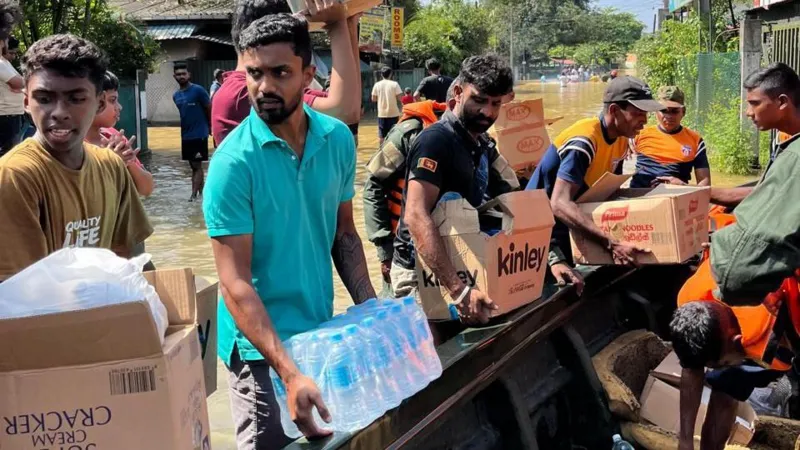
Sri Lankan actor and musician GK Reginold rides a motorised fishing boat through Colombo’s suburbs, hoping to bring food and water to those in desperate need.
Reginold says that someofthe families have not received aid for days, isolated by the South Asian island nation’s worst weather disaster in recent years.
Cyclone Ditwah lashed the country last week, bringing catastrophic floods and landslides that killed more than 460 people, left hundreds missing and damaged some 30,000 homes.
But the deluge has also inspired volunteerism among its people, as they face what their president has described as the “most challenging natural disaster” in its history.
“The main reason why I wanted to do this, is to at least help them to have one meal,” Mr Reginold tells the BBC. “And I was so happy that I was able to do that.”
More than one million people have been affected by the disaster and President Anura Kumara Dissanayake has declared a state of emergency.
Sri Lanka’s military has deployed helicopters for rescue operations, while humanitarian aid is flowing in from foreign governments and non-governmental organisations.
But it will be a long journey to recovery for Sri Lanka, which has seen its fair share of turmoil in recent years.
In Colombo’s Wijerama neighbourhood, activists who protested against former president Gotabaya Rajapaksa in 2022 are now helping run a community kitchen that churns out food aid.
The protests from three years ago were fuelled by a spiralling economic crisis that caused shortages of fuel, food and medicine. Public anger exploded and led to Rajapaksa being ousted. Now, that political activism is being channelled to cyclone relief.
“Some volunteers came after work, some took turns and some even took leave to be there,” Sasindu Sahan Tharaka, a social media activist, tells the BBC.
“We reactivated the group as soon as we heard what was happening last Thursday,” he says.
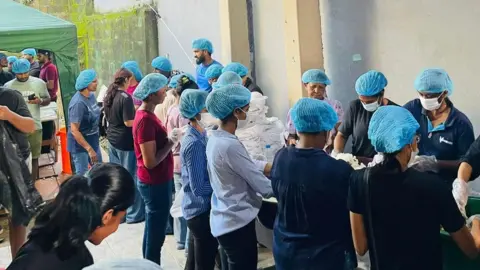
Mr Sahan also considers the kitchen as an “extension” of his volunteer work in 2016, when torrential rain and floods killed 250 people across the country.
Volunteers have compiled hundreds of requests for help, sent it to authorities, and organised the distribution of food to residents, Mr Sahan says.
“Whatever we asked for, we got more than enough in response from the community,” he says.
A flurry of activity is also happening online, where social media users have created a public database to direct donations and volunteers.
Another volunteer-backed website helps donor find relief camps and what is most needed in those areas.
Private companies have organised donation drives, while local television channels have launched an effort to provide food and basic necessities like soap and toothbrushes.
Facing criticism over his handling of preparations for Cyclone Ditwah, President Dissanayake has urged Sri Lankans to “set aside all political differences” and “come together to rebuild the nation”.
Opposition politicians have accused authorities of ignoring weather warnings, which they say exacerbated the disaster’s impact.
On Monday, opposition lawmakers staged a walkout in parliament, claiming that the ruling party was trying to limit debate on the disaster.
On the ground, however, there remains a sense of unity as Sri Lankans pick up the pieces after the floods.
“In the end, the joy of helping someone else to save lives makes that tiredness fade,” Mr Sahan wrote in a Facebook post on Monday, after putting in long hours at the community kitchen in Wijerama and other relief sites.
“Disasters are not new to us. But, the empathy and capacity of our hearts is greater than the destruction that occurs during a disaster.”
(BBC)

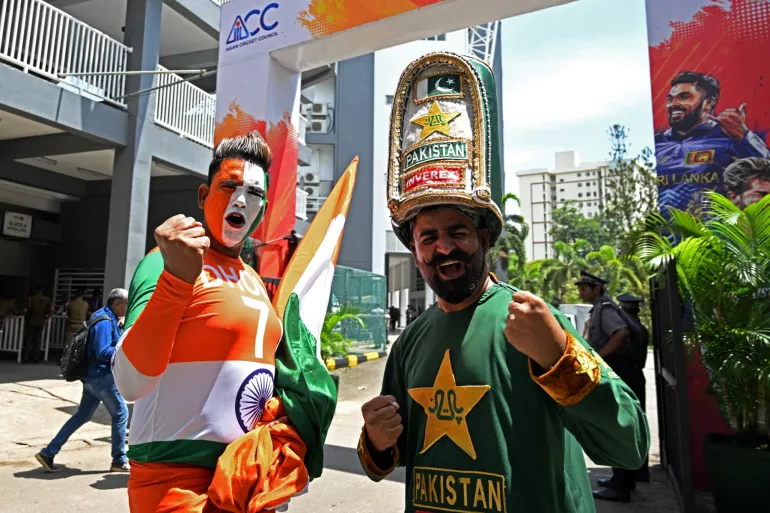
Almost 30 years ago today, India and Pakistan formed a combined cricket team to take on Sri Lanka ahead of the 1996 Cricket World Cup in an unprecedented moment of unity in the sport’s history.
The two age-old rivals put aside their differences and came together in an act of solidarity to support a fellow South Asian team, who faced the threat of match boycotts in a tournament they had battled hard to host.
India versus Pakistan is the most highly marketed fixture at every multination tournament – the World Cup, Asia Cup or Asian Games – whether it’s a men’s, women’s or Under-19 event.
Few sporting events globally carry the weight and anticipation of an India-Pakistan cricket match. So, when Pakistan’s government ordered its team not to face India at the ongoing T20 World Cup, the tournament was briefly pushed into a state of chaos.
It also left Sri Lanka, the designated host of the fixture, holding its collective breath.
A week of negotiations led to a dramatic late U-turn by the Pakistani government and the match will now take place as scheduled on Sunday at the R Premadasa International Cricket Stadium in Colombo.
But what if the boycott had gone ahead? The impact could have been catastrophic, not just for Pakistan, but also for the International Cricket Council (ICC), as well as Sri Lanka.
With the crisis seemingly averted, the island nation stands poised to reap the benefits in its financial landscape, diplomatic standing and community.
The tourism and hospitality industry was one of the hardest hit during Sri Lanka’s financial meltdown and this match will see an enormous influx of fans from India and Pakistan coming into the country.
Hotels in and around Colombo were fully booked out well ahead of the tournament but the industry braced itself for heavy losses after Pakistan threatened a boycott.
“There’s been a massive impact since the boycott was announced,” Sudarshana Pieris, who works in Sri Lanka’s hospitality sector, told Al Jazeera.
“All major hotels in Colombo were fully booked by Indian travel agencies well ahead of the match and once the boycott was announced, we lost almost all of those bookings,” he said.
“But after Pakistan reversed their decision, hotel room rates shot up by about 300-400 percent at five-star establishments in Colombo.”
It’s not just hotels but several other local businesses – from street vendors to high-end restaurants – who are hoping for an increased footfall and spending over the weekend.
These short trips and the experiences they offer could influence visitors to extend their stay or return to Sri Lanka on holiday, long after the game has ended, in a potential long-term benefit to the industry.
Another relatively underestimated impact of the game would be the employment opportunities it creates, albeit temporarily, in the media, event management, security and transportation industries.
Asanka Hadirampela, a freelance journalist and broadcaster currently working as a Sinhala language commentator for the World Cup, recognises the marquee match as a great opportunity from a personal standpoint.
“This is my first World Cup as a broadcaster,” Hadirampela said.
“The India-Pakistan fixture is the biggest and most-watched game of the tournament. So to get to work on such a match is exciting and I consider it a special achievement.”
The lines are always blurred between sport and politics in South Asia.
So while the financial gains are expected to be significant, the fixture’s impact on the region’s geopolitical environment cannot go amiss.
Pakistan’s boycott, too, was explicitly political, as confirmed by the country’s Prime Minister Shehbaz Sharif when he said that they were offering support to Bangladesh after the Tigers were kicked out of the tournament by the ICC.
The reversal of Pakistan’s decision, which they said came after requests to reconsider the boycott by several regional “friends”, was steeped in politics, too.
Sri Lanka’s President Anura Kumara Dissanayake reportedly had a phone conversation with PM Sharif, urging his government to rethink their decision to boycott the game as the successful staging of this encounter would not only position Sri Lanka as a capable host of global sporting events but also reinforce its standing as a neutral mediator in a region fraught with geopolitical complexities.
Sri Lanka and Pakistan have always maintained strong diplomatic relations, which have extended to the cricket field as well.
Sri Lanka were one of the first teams to travel to Pakistan following their 10-year ostracisation from international cricket, which came as a result of a terrorist attack targeting the Sri Lankan team in March 2009.
When Al Jazeera reached out to Sri Lanka Cricket (SLC), its vice president Ravin Wickramaratne confirmed that SLC did, indeed, reach out to the Pakistan Cricket Board (PCB) after the boycott was announced.
“We asked them to reconsider the decision,” Wickramaratne said.
“It [boycott] would have impacted Sri Lanka economically, whether directly or indirectly.
“We have always had a good relationship with the PCB and we have always supported them, so we’re happy with their decision.”
A little over 24 hours ahead of the match in Colombo, there is a sense of palpable excitement and a growing buzz around the fixture as it returns from the brink of cancellation.
As of Saturday morning, 28,000 tickets had been sold for the game but local organisers expect a capacity crowd of 40,000 to make it into the stands.
Come Sunday, thousands more will line the streets in and around Maligawatte, the bustling Colombo suburb that houses the famous Premadasa Stadium.

Business
“We Are Building a Stable, Transparent and Resilient Sri Lanka Ready for Sustainable Investment Partnerships” – PM
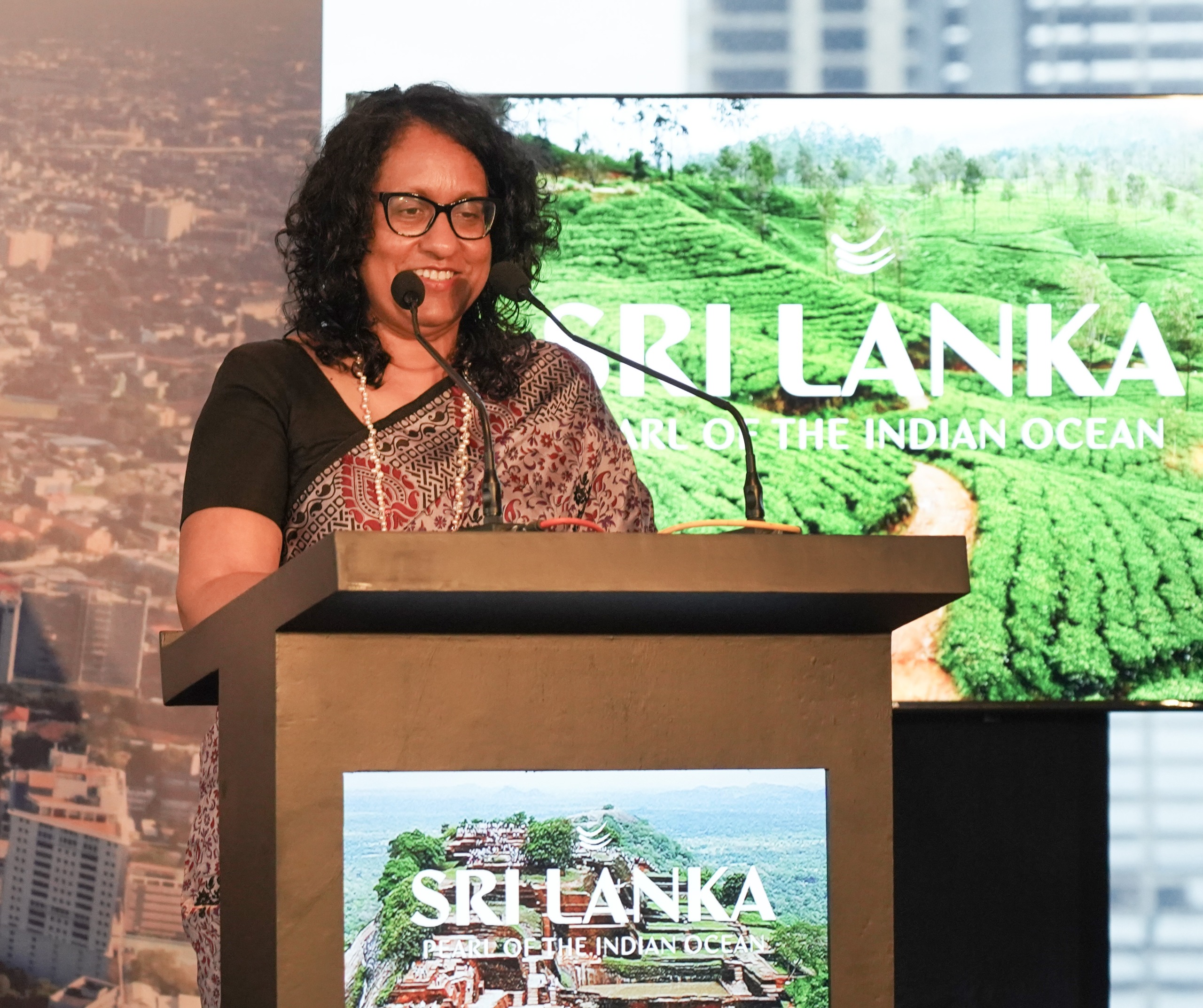
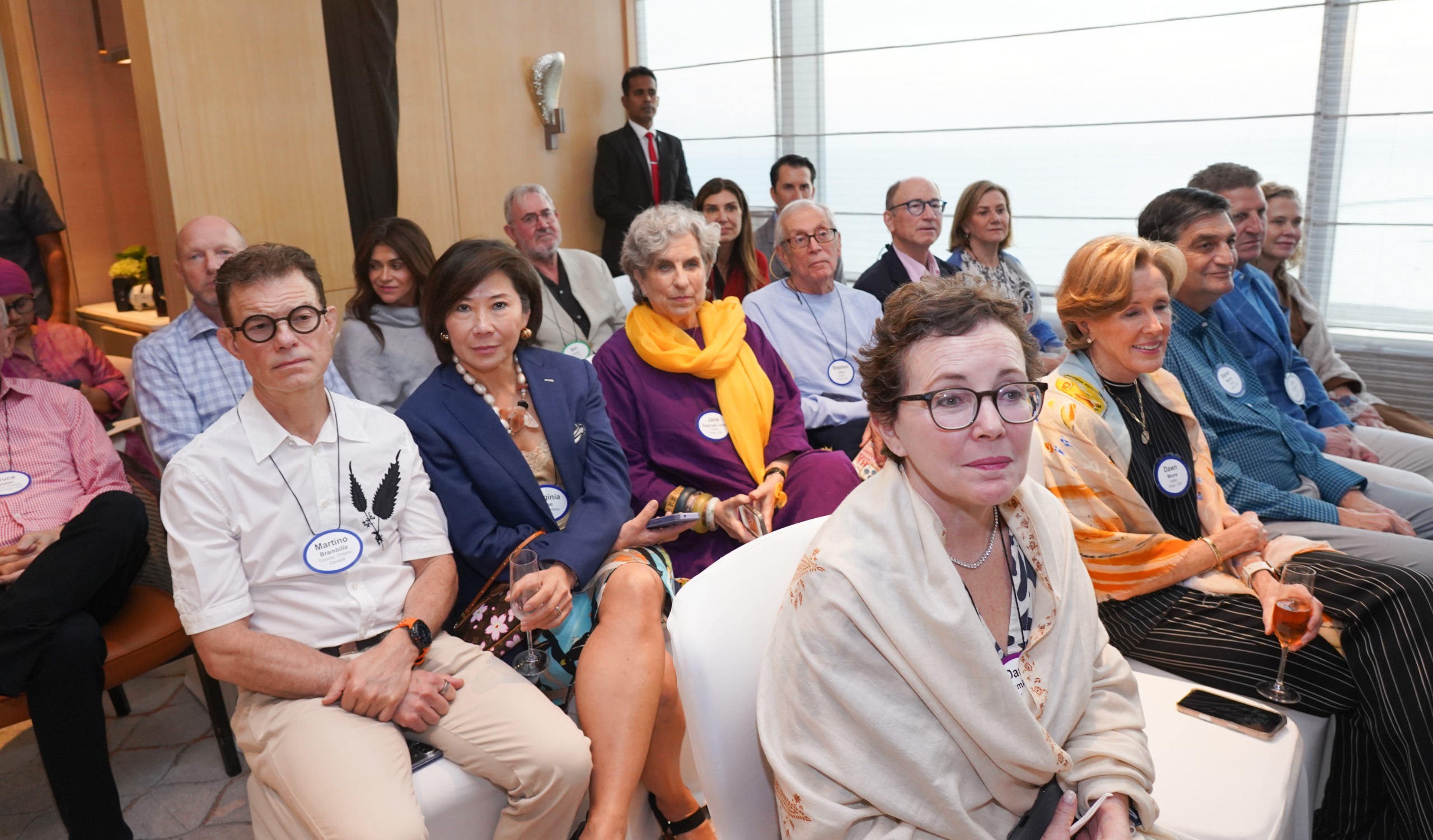
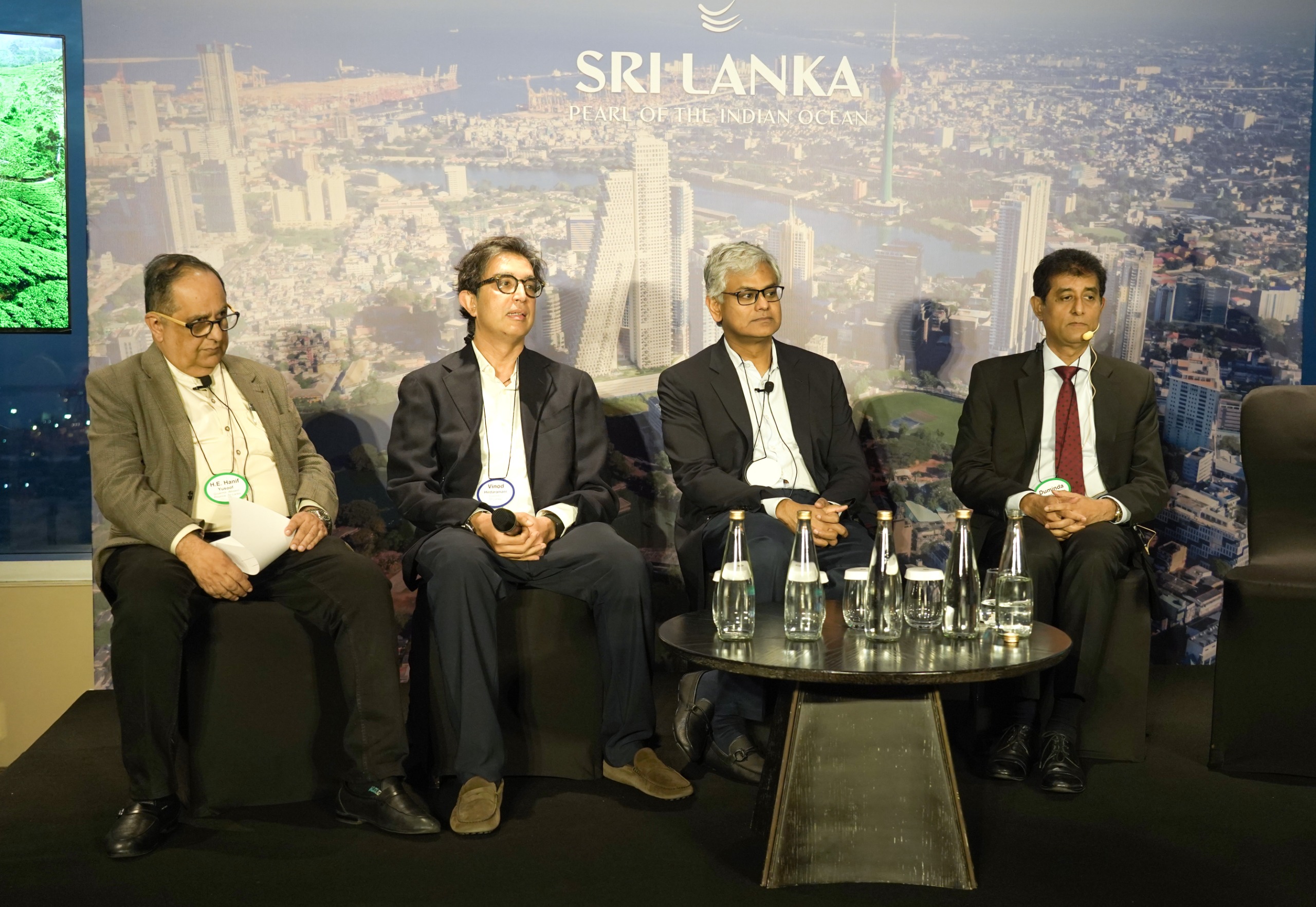
Prime Minister Dr. Harini Amarasuriya addressed members of the Chief Executives Organization (CEO) during a session held on Thursday [3 February 2026] at the Shangri-La Hotel, Colombo, as part of CEO’s Pearl of the Indian Ocean: Sri Lanka programme.
The Chief Executives Organization is a global network of business leaders representing diverse industries across more than 60 countries. The visiting delegation comprised leading entrepreneurs and executives exploring Sri Lanka’s economic prospects, investment climate, and development trajectory.
Addressing the gathering, the Prime Minister emphasized that Sri Lanka’s reform agenda is anchored in structural transformation, transparency, and inclusive growth.
“We are committed not only to ensuring equitable access to education, but equitable access to quality education. Our reforms are designed to create flexible pathways for young people beyond general education and to build a skilled and adaptable workforce for the future.”
She highlighted that the Government is undertaking a fundamental pedagogical shift towards a more student-focused, less examination-driven system as part of a broader national transformation.
Reflecting on Sri Lanka’s recent political transition, the Prime Minister stated:
“The people gave us a mandate to restore accountability, strengthen democratic governance, and ensure that opportunity is not determined by patronage or privilege, but by fairness and merit. Sri Lanka is stabilizing. We have recorded positive growth, restored confidence in key sectors, and are committed to sustaining this momentum. But our objective is not short-term recovery it is long-term resilience.”
Addressing governance reforms aimed at improving the investment climate, she said:
“We are aligning our legislative and regulatory frameworks with international standards to provide predictability, investor protection, and institutional transparency. Sustainable investment requires trust, and trust requires reform.”
Turning to the recent impact of Cyclone Ditwa, which affected all 25 districts of the country, the Prime Minister underscored the urgency of climate resilience.
“Climate change is not a distant threat. It is a lived reality for our people. We are rebuilding not simply to recover, but to build resilience, strengthen disaster mitigation systems, and protect vulnerable communities.”
Inviting CEO members to consider Sri Lanka as a strategic partner in the Indo-Pacific region, she highlighted opportunities in value-added mineral exports, logistics and shipping, agro-processing, renewable energy, pharmaceuticals, and innovation-driven sectors.
“We are not looking for speculative gains. We are seeking long-term partners who share our commitment to transparency, sustainability, and inclusive development.”
She further emphasized collaboration in education, research, vocational training, and innovation as essential pillars for sustained economic growth.
Concluding her address, the Prime Minister expressed appreciation to the Chief Executives Organization for selecting Sri Lanka as part of its 2026 programme and reaffirmed the Government’s readiness to engage constructively with responsible global investors.
The event was attended by the Governor of the Western Province, Hanif Yusoof, and other distinguished guests.
[Prime Minister’s Media Division]

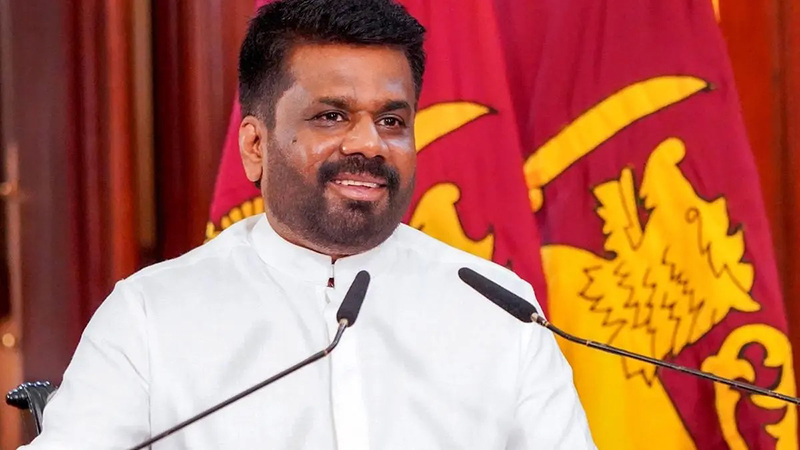
President Anura Kumara Dissanayake has extended his congratulations to the Bangladesh Nationalist Party (BNP) and its leader, Tarique Rahman, following their landslide victory in Bangladesh’s parliamentary elections.
“Best wishes to the people of Bangladesh for reaffirming their faith in democracy, and congratulations to Mr. Tarique Rahman on leading the BNP in these elections. The results reflect the trust placed in him. I look forward to strengthening ties between our two nations,” President Dissanayake said, in a post on ‘X’.
The Bangladesh Nationalist Party won a landslide parliamentary election on Friday, securing a resounding mandate in a pivotal vote that is expected to restore political stability in the South Asian nation.
The parliamentary election held on Thursday was Bangladesh’s first vote since the 2024 Gen Z-driven uprising that toppled long-time premier Sheikh Hasina.
Opinion polls had given BNP an edge, and the party lived up to the forecasts, with the coalition it dominates winning 209 seats to secure an overwhelming two-thirds majority in the 300-member Jatiya Sangsad, or House of the Nation, Jamuna TV showed.
Soon after it won a majority in the overnight vote-count, the party thanked and congratulated the people and called for special prayers on Friday for the welfare of the country and its people.

West Indies brush aside Nepal to reach Super Eights

India vs Pakistan match is a godsend for T20 World Cup hosts Sri Lanka

Imran Khan to be moved to hospital amid rising health concerns

Fairly heavy showers are likely at some places in the Rathnapura, Kalutara, Galle and Matara districts

India vs Pakistan is finally here. Over to cricket now

“We Are Building a Stable, Transparent and Resilient Sri Lanka Ready for Sustainable Investment Partnerships” – PM

‘Dates have the highest sugar content to fight Coronavirus’

Sunday Island 27 December – Headlines

#SundayIsland 17th December – Headlines

Sunday Island – 28th March

Sunday Island Headlines – 21 March

Sunday Island – 21st February – Headlines
-
 Business4 days ago
Autodoc 360 relocates to reinforce commitment to premium auto care
-
 Midweek Review4 days ago
A question of national pride
-
 Opinion3 days ago
Will computers ever be intelligent?
-
 Features12 hours ago
The Rise of Takaichi
-
 Midweek Review4 days ago
Theatre and Anthropocentrism in the age of Climate Emergency
-

 Editorial6 days ago
The JRJ syndrome
-
 Life style12 hours ago
Marriot new GM Suranga
-
 Opinion4 days ago
The Walk for Peace in America a Sri Lankan initiative: A startling truth hidden by govt.