
News
Covid-19 infections continue to soar amidst fears of Indian variant slipping into SL


By Suresh Perera
Amidst the raging Covid-19 pandemic, which has now swept across all districts of the country, medical experts have expressed concern over the possibility of the devastating variant of the virus that has killed thousands of people in India sneaking into Sri Lanka.
The strain surging in many parts of India was found to be at least 15 times more virulent than the earlier ones. This meant it spreads even faster, has a shorter incubation period and the transmission of the infection is more rapid within the human body, according to medical officials.
“There’s a risk of the highly infectious Indian variant slipping into Sri Lanka”, says Dr. Sudath Samaraweera, Director of the Epidemiology Unit of the Health Ministry.
“The viral strains are under analysis and we are awaiting a report on the outcome”, he told The Sunday Island.
In a bid to mitigate the risk, the Civil Aviation Authority of Sri Lanka (CAASL) decided to disallow Indian passengers from entering Sri Lanka with immediate effect.
CAASL Additional Director General P. A. Jayakantha said the temporary prohibition was put in place to prevent the Covid-19 virus entering the country from the Indian subcontinent.
He further said the restrictions were applied following guidelines by the Health Ministry until the next evaluation. “We have issued notice to all airlines to prevent passengers from India disembarking”.
Covid-19 infections have witnessed a steady escalation with numbers topping 1,000 per day since last week. By Wednesday, positive cases stood at 1,895 with Colombo district heading the list with 498 followed by 387 in the Gampaha district.
With the latest figures, the total number of Corona patients in the country as shot up to 119,424. But 810 patients recovered and were discharged from hospitals on Thursday bringing the total number of recoveries so far to 100,885.
Medical experts predicted that infections will cross the 2,000 mark per day as the third wave of the deadly contagion continued to rage despite concerted efforts by health authorities to arrest the alarming trend.
The number of Corona-related deaths have also climbed with 14 reported by mid week. The total number of deaths so far is 734.
With medical facilities overwhelmed, the Health Ministry has also drawn in 5,000 beds in Ayurveda hospitals to treat Covid-19 patients as infections surged. The Army has moved in to augment the existing bed capacity by building additional temporary quarantine facilities to house the galloping infection numbers. Many tourist hotels are also being used as temporary quarantine centres.
Health officials warned that patients with comorbidities (the presence of two or more diseases or medical conditions in a patient), young children and pregnant mothers should take all necessary safety precautions as they are more susceptible to the mutant identified as the UK B117 variant.
There could be more asymptomatic patients within the community than the numbers already diagnosed Covid-19 positive. Those who have undergone PCR screening should remain at home until the outcome is known to prevent infecting others, they noted.
It is also important to cut down unnecessary travel as the next two weeks will be critical in containing the pandemic situation before it gets out of control, they warned.
Under guidelines issued by the Director-General of Health Services (DGHS), all cinemas, restaurants and clubs have been prohibited from selling liquor until further notice. Tourist hotels and rest houses have been permitted to serve liquor to guests only until 10.00 pm while liquor stores can open at the scheduled time for retail sales.
In an interesting observation, Akiko Iwasaki, an immunologist at Yale School of Medicine in Connecticut, says a virus replicates by hijacking its host’s cellular machinery to make copies of itself. But like a person making mistakes when they type out the same sentence over and over, the genetic copies accumulate small errors, or mutations.
“Many changes don’t affect the virus’ function, and some even harm SARS-CoV-2’s ability to multiply, but they keep happening. Viruses mutate; that’s what they do”, he noted.

News
Prime Minister Attends the 40th Anniversary of the Sri Lanka Nippon Educational and Cultural Centre

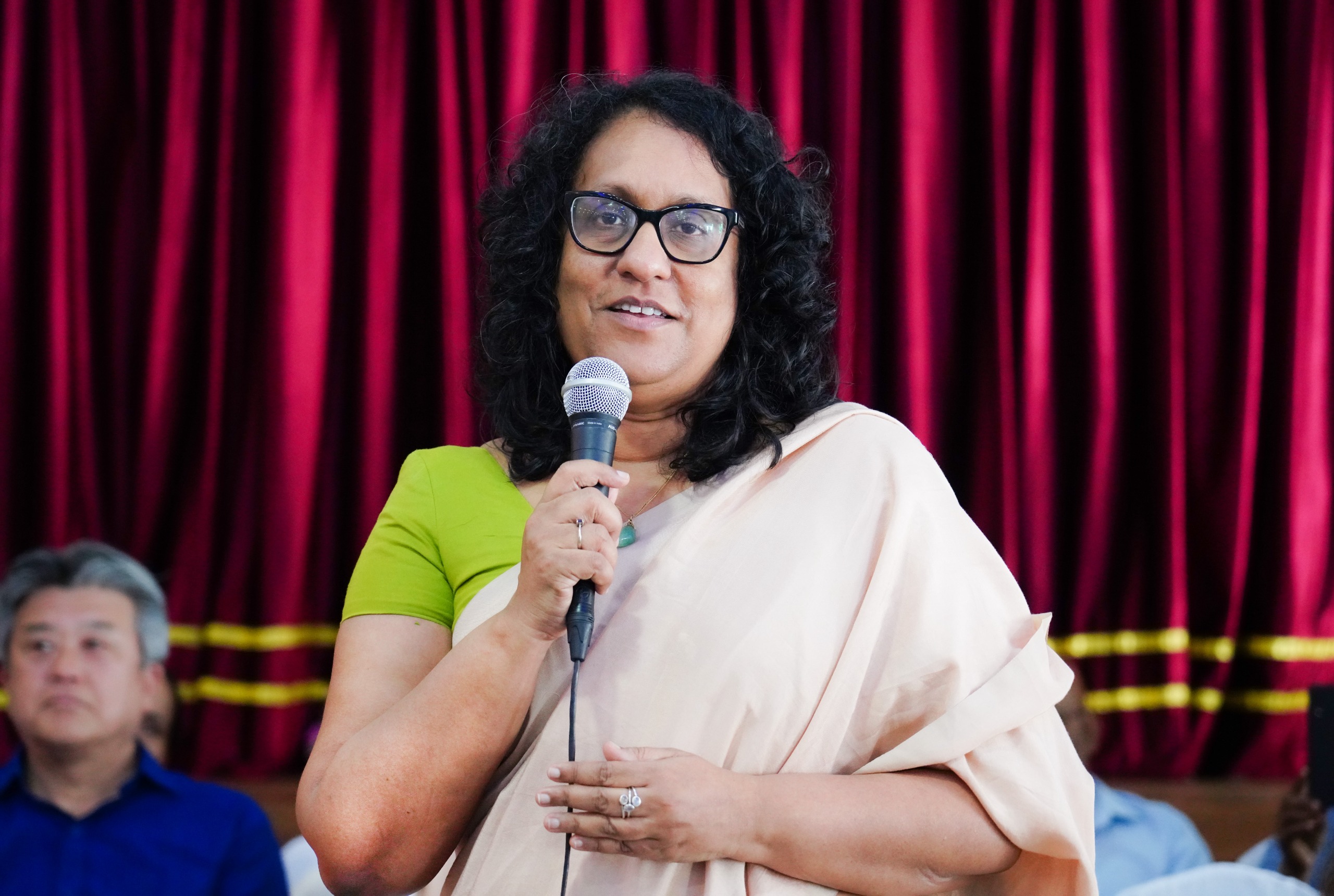
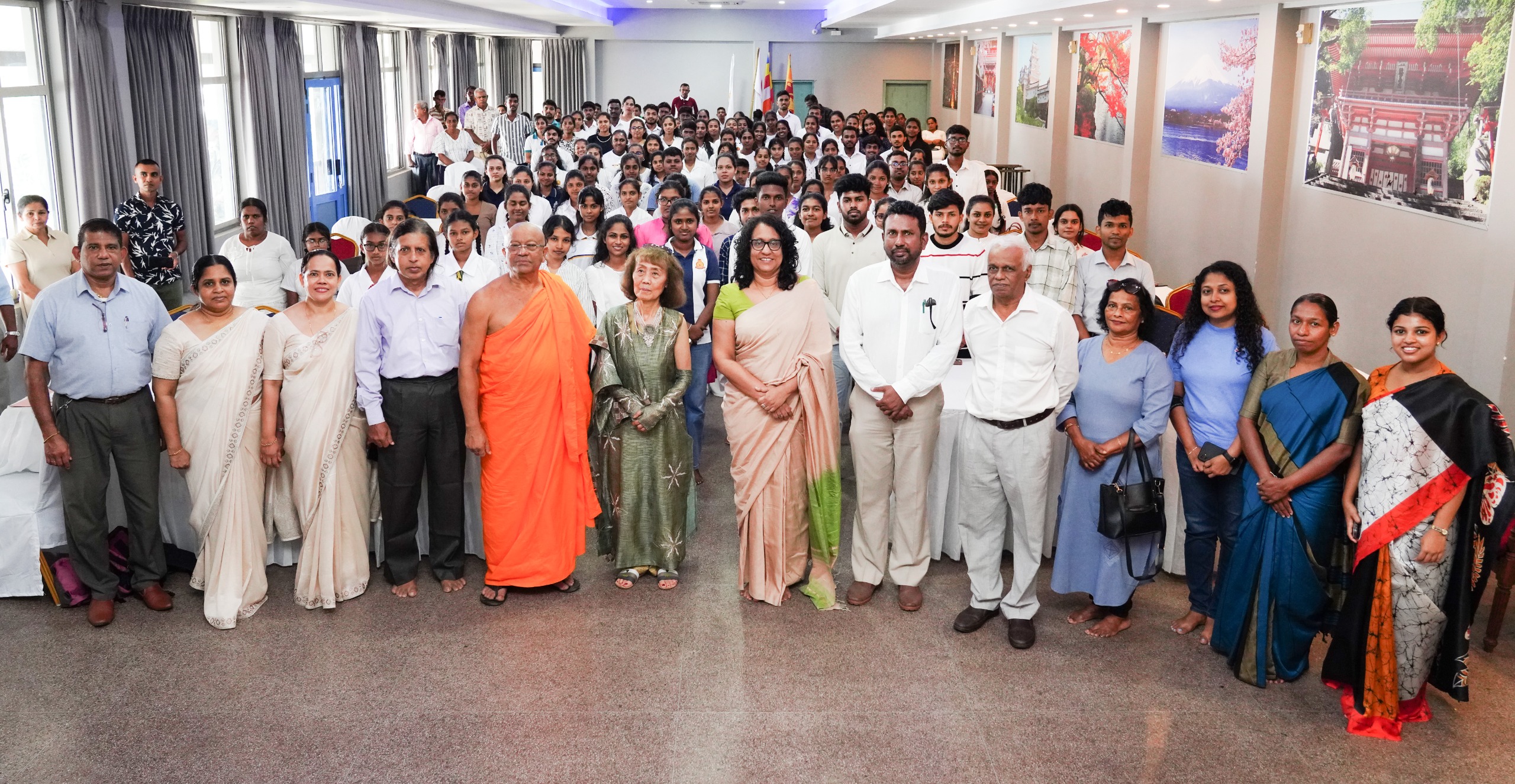
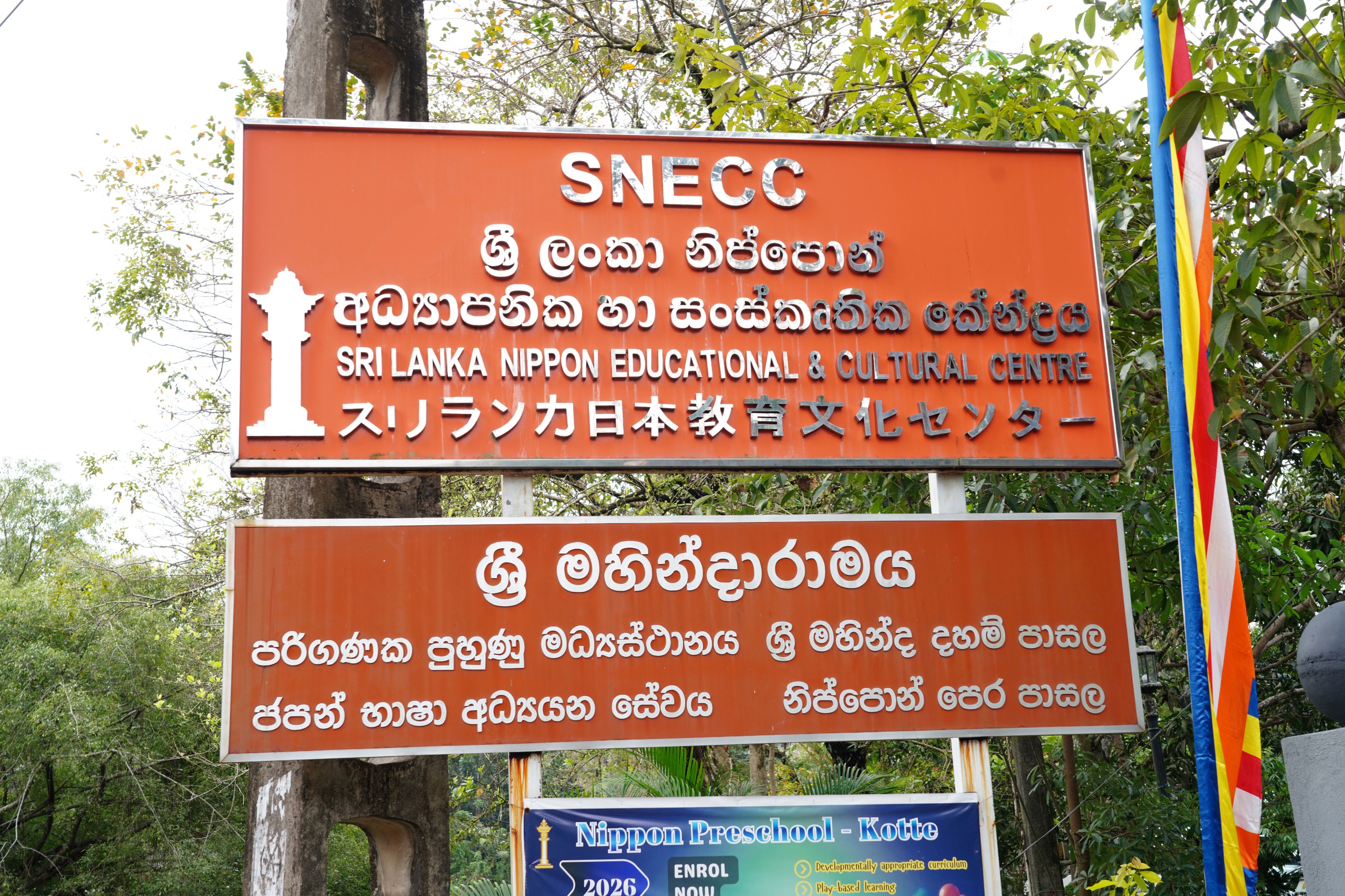
Prime Minister Dr. Harini Amarasuriya attended the special ceremony marking the 40th anniversary of the Sri Lanka Nippon Educational and Cultural Centre (SNECC), along with the 75th birthday of its Secretary General, the Chief Incumbent of Sri Mahindaramaya, Ethul Kotte, the Chief Sangha Nayake of the Western Province, and scholar Ven. Meegahathenna Chandrasiri Thero.
The primary objective of the event was to appreciate the service rendered by the Sri Lanka Nippon Educational and Cultural Centre, which has functioned as a bridge between Japan and Sri Lanka since 1986, contributing significantly to the development and welfare of children in Sri Lanka.
Addressing the gathering, the Prime Minister stated that the social service carried out by Ven. Meegahathenna Chandrasiri Thero through the Nippon Centre, aimed at fulfilling the educational aspirations of Sri Lankan children, is highly commendable. She further emphasized that the Centre’s contribution to nurturing skilled children into disciplined and responsible citizens, as well as strengthening cultural ties between the two countries, is appreciated by the Government.
Over the past four decades, thousands of students have benefited from the “Nippon Scholarship” programme implemented by the Centre. In addition to providing school supplies, monthly financial assistance, medical support, and spectacles, the programme offers Japanese language education and guidance for employment and training opportunities in Japan for Sri Lankan youth. Annual study tours to Japan and collaborative programmes organized to enhance mutual understanding between students of the two countries were also highlighted at the event.
Marking this special occasion, the Prime Minister extended her best wishes to Ven. Meegahathenna Chandrasiri Thero on his 75th birthday and wished him continued strength to successfully carry forward this invaluable service.
The event was attended by the Mayor of Kotte, Arosha Atapattu, representatives of sponsoring organizations from Japan, scholarship recipients, and other distinguished guests.
[Prime Minister’s Media Division]

The Offshore Patrol Vessel P 628, which was formally handed over to the Sri Lanka Navy by the U.S. Coast Guard in December 2025, departed for Sri Lanka from Baltimore, United States on 20th February 2026. The home bound journey began, after the modernization work of the ship to suit the operational needs of the Sri Lanka Navy.
The EX-United States Coast Guard Cutter, USCGC Decisive was officially handed over to the Sri Lanka Navy on 02 Dec 25, as the latest addition to the SLN fleet under the Pennant Number P 628. Upon her arrival in Sri Lanka, the ship is scheduled to be formally commissioned into the fleet.
Measuring 64 metres in length, this ‘B-Type Reliance Class 210-foot Cutter’ is equipped with advanced technological systems and facilities, capable of conducting extensive surveillance operations spanning up to 6,000 nautical miles per patrol.
The vessel’s voyage to Colombo is historic, possibly marking the longest-ever passage undertaken by a Sri Lanka Navy ship. Covering approximately 14,775 nautical miles, the journey will see the P 628 navigate from Baltimore through the Atlantic Ocean, the Panama Canal (a first for a Sri Lankan naval vessel), the Pacific Ocean, and into the Indian Ocean via the Straits of Malacca. The ship is expected to arrive in Sri Lanka during the first week of May 2026.
During the transit, the P 628 is scheduled to make port calls to replenish supplies and services, providing opportunities to further strengthen diplomatic ties with partner nations.
This transfer represents the fourth vessel provided to the Sri Lanka Navy by the United States Coast Guard, reinforcing a long-standing partnership aimed at addressing common maritime challenges.
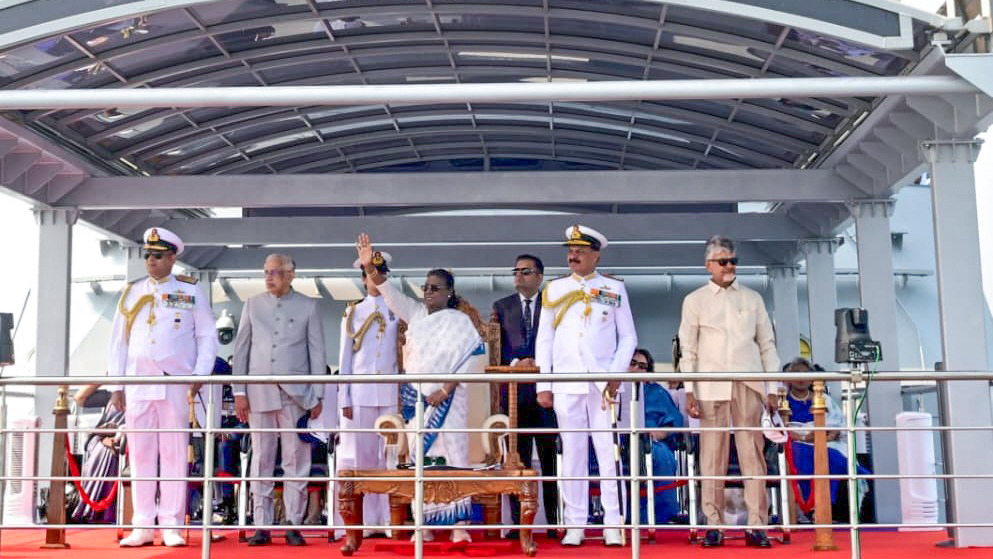
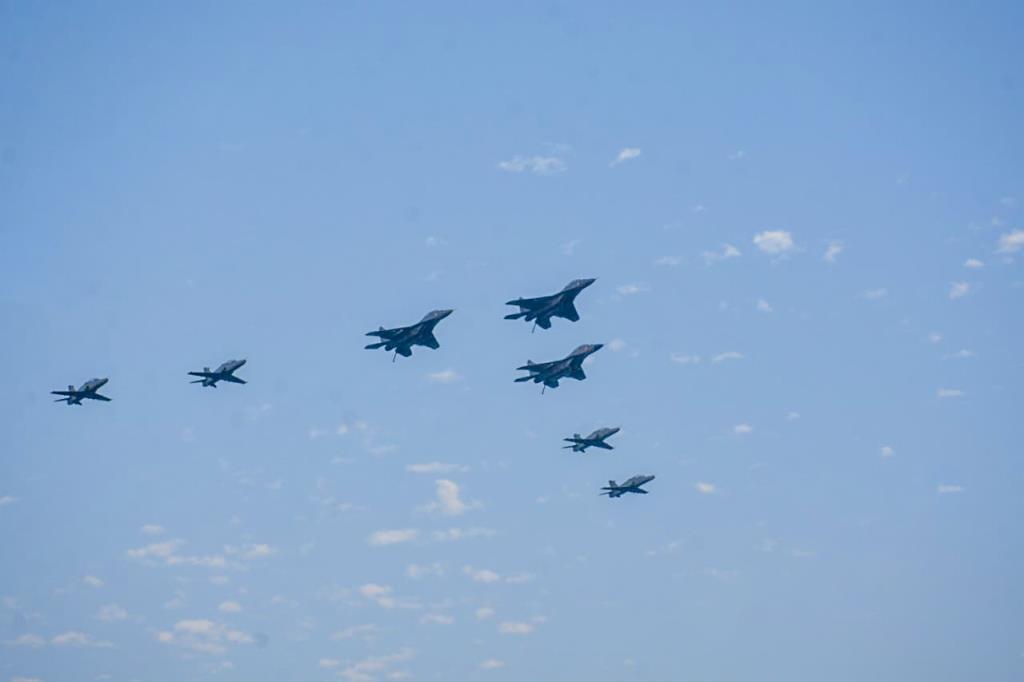
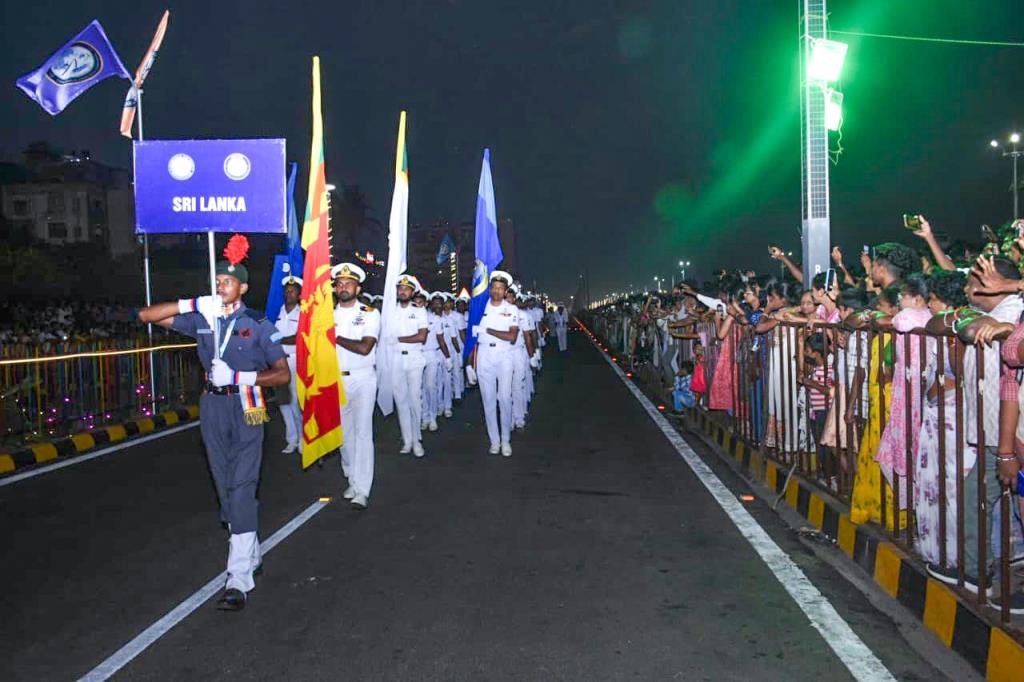
The 13th edition of the multilateral naval exercise MILAN hosted by the Indian Navy, is being held from 18 to 26 Feb 26, at Visakhapatnam and in the waters of the Bay of Bengal.
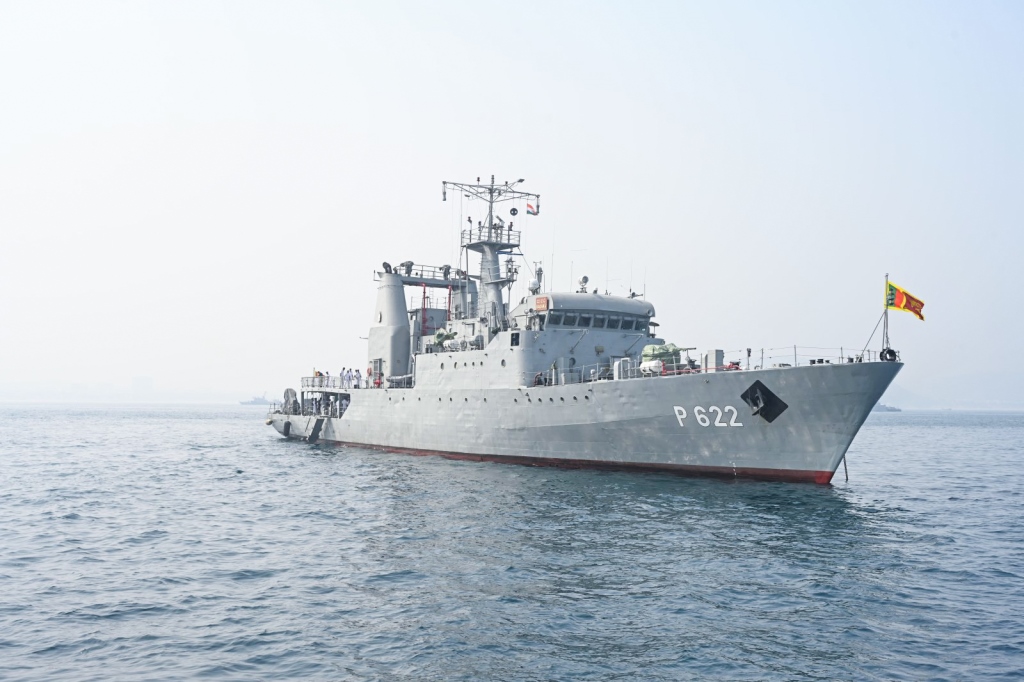
SLNS Sagara and Nandimithra represented the Sri Lanka Navy by participating in the International Fleet Review (IFR), a major component of this multilateral naval exercise, held on 18 Feb.
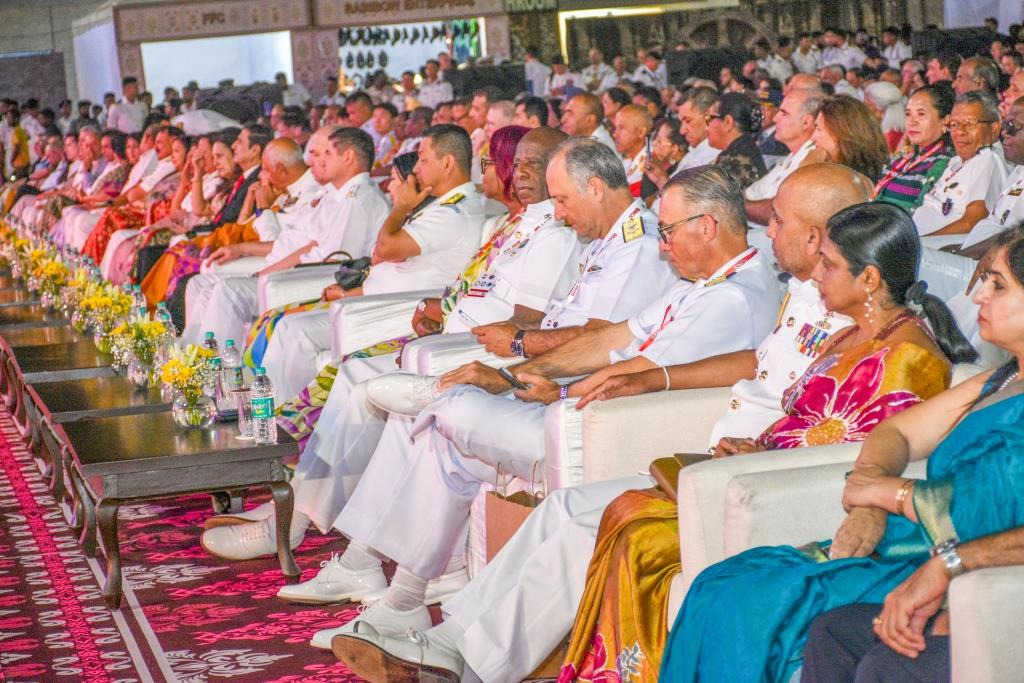
The event was attended by the Commander of the Sri Lanka Navy, Vice Admiral Kanchana Banagoda, at the invitation of the Chief of the Naval Staff of India, Admiral Dinesh K Tripathi. The President of India reviewed the IFR, participated by the warships representing regional and global navies.
Held under the theme “United Through Oceans and the spirit of Camaraderie Cohesion Collaboration,” IFR and MILAN-26 provide a vital platform for participating nations. The participation of the Sri Lanka Navy in the MILAN-26 multilateral naval exercise highlighted Sri Lanka’s commitment to advancing its maritime interests and addressing shared challenges through enhanced cooperation with other nations and institutions, grounded in mutual understanding.
Furthermore, participation in endeavours of this nature will strengthen mutual cooperation and interoperability with other maritime stakeholders. It will also provide the Sri Lanka Navy with valuable opportunities to gain new knowledge, strategic acumen, and operational experience, key elements in fostering a collective approach to maritime security.
During this visit, the Navy Commander engaged in bilateral discussions with regional and extra-regional diplomatic representatives and these strategic-level talks focused on matters of mutual interest pertaining to Sri Lanka’s maritime security and stability.

[Navy Media]

Dottin out obstructing the field as Sri Lanka clinch series

Prime Minister Attends the 40th Anniversary of the Sri Lanka Nippon Educational and Cultural Centre

Navy’s latest addition P 628 sails for Colombo from Baltimore

Commander of the Navy attends International Fleet Review

Prime Minister attends 169th birth anniversary celebration of Lord Robert Baden-Powell

Coal ash surge at N’cholai power plant raises fresh environmental concerns

‘Dates have the highest sugar content to fight Coronavirus’

Sunday Island 27 December – Headlines

#SundayIsland 17th December – Headlines

Sunday Island – 28th March

Sunday Island Headlines – 21 March

Sunday Island – 21st February – Headlines
-

 Features2 days ago
Why does the state threaten Its people with yet another anti-terror law?
-

 Features2 days ago
Victor Melder turns 90: Railwayman and bibliophile extraordinary
-

 Features2 days ago
Reconciliation, Mood of the Nation and the NPP Government
-
 Features2 days ago
Victor, the Friend of the Foreign Press
-
 Latest News3 days ago
New Zealand meet familiar opponents Pakistan at spin-friendly Premadasa
-

 Features13 hours ago
LOVEABLE BUT LETHAL: When four-legged stars remind us of a silent killer
-

 Latest News3 days ago
Tariffs ruling is major blow to Trump’s second-term agenda
-

 Latest News3 days ago
ECB push back at Pakistan ‘shadow-ban’ reports ahead of Hundred auction