
News
Can revival of SOEs create the opportunity to alleviate the crushing debt burden?


Pathfinder Economic Alert: Proposal for budget speech
The Government of Sri Lanka has announced that it will implement reforms and strategies to revive state-owned enterprises (SOEs), while maintaining its policy decision to discontinue privatisation. Effective implementation of the proposed reforms would increase the value of SOEs. An important issue to be addressed is whether this creates an opportunity to raise financing for alleviating the country’s onerous debt burden. The crushing effects of this debt burden on the people of this country has been demonstrated by the constrained response of the Government in protecting people and livelihoods during the pandemic.
Sri Lanka’s fiscal stimulus as a percentage of GDP has been significantly lower than comparable countries. The Central Bank and a well-capitalized banking system have been able to step into the breach. However, the impact of the burden imposed on the capital adequacy of the banking system will only be known after the moratoriums are lifted. The Government’s success in containing the pandemic (March – September 2020) was a major positive factor in coping with its unprecedented effects, particularly through the early opening up of the economy.
This note argues that the Government’s efforts to reform SOEs creates an opportunity to address the onerous debt burden by selling public assets. Where the Government intends to retain control, it can consider selling minority stakes. However, there is a strong case for the sale of assets like the Hilton and Hyatt hotels once market conditions become more favourable. The emergence of a vaccine that is 90 percent effective is likely to accelerate the bounce back of the hotel and tourism sector
The Government is seeking to introduce a holistic programme of reform for improving the management of SOEs. In doing so, there is merit in drawing on the Statements of Intent (SOIs) drawn up by the major SOEs in recent years. The current initiative is pushing for the professionalization of the management of SOEs through rigorous recruitment schemes and capacity building in order to promote prudent decision-making and operational efficiency. The upgraded management teams will be called upon to develop medium-term strategic plans which identify growth strategies, including through business process engineering, mergers and amalgamations. These new business models are expected to respond to emerging opportunities in the post-pandemic world and meet challenges particularly in relation to logistics and supply chain resilience. Each SOE will also be expected to develop robust key performance indicators. In addition, monitoring mechanisms are to be established at the line ministries and Treasury.
An important gap in the proposed reforms relates to pricing policy. The largest proportion of the losses incurred by SOEs is attributable to pricing policy. Economic services (CPC, CEB, SLTB, SLR and NWS&DB) are provided below cost. There is a considerable body of empirical research which demonstrates that such subsidies are a very inefficient means of supporting the poor and vulnerable. In practice, they tend to benefit higher income groups disproportionately. It is more effective to provide a social safety net through a well-designed and targeted income transfer scheme. The highly inefficient (poorly designed and poorly targeted) Samurdhi Programme should be reformed to achieve this objective. This would provide greater leeway for adopting pricing policies that do not impose an unsustainable burden on the Government Budget and /or balance sheets of state banks. The current subsidy-based model of delivering economic services is no longer affordable given the highly constrained fiscal space and the debt dynamics which threaten the well being of the people.
The Pathfinder Foundation is concerned that the lack of fiscal space and the possibility of a debt crisis highlights the unsustainability of the Government being the employer of first resort. Sri Lanka’s post-colonial history involves the commitment of successive governments to creating unproductive public sector employment. However, the current highly constrained fiscal space calls for a radical re-think of the traditional approach of the Government being the employer of first resort. Historically, successive governments have been unwilling or unable to introduce economic reforms that would increase gainful employment outside the government sector. For SOE reforms to be effective, there should be complementary policies which generate productive employment opportunities thoughout the economy.
The Way Forward
The agenda for reforming SOEs includes the following: improved corporate governance; appointment of competent CEOs; recruitment of qualified professionals for procurement, finance, human resource development and other key management positions; adoption of realistic pricing policies and investment strategies; institutionalizing performance audit and financial management controls; and expenditure management. Success depends on taking tough decisions. It is noteworthy that governments, such as Norway and Abu Dhabi, have refused to provide additional financial support to their national airlines even though these two jurisdictions have two of the largest sovereign wealth funds in the world. Yet Sri Lanka, despite its parlous public finances, has not been able to take tough decisions in relation to its national carrier.
Successful implementation of SOE reforms will reduce the burden on the budget and strengthen state bank balance sheets. In addition, the valuation of these enterprises will be enhanced and the opportunity will be created to consider very seriously how a programme of asset disposal can contribute to alleviating the unsustainable debt burden. This course of action would be a less painful option for the general public than raising taxes or cutting priority expenditure.
Consideration should be given to categorizing state-owned assets into those which can be sold outright, such as the Hilton and Hyatt hotels. A second category could be assets which can generate considerable financing for the Government through the sale of minority stakes. For instance, the sale of 10-15 percent of the Bank of Ceylon and People’s Bank would generate a considerable amount of money. Part of this can be allocated to the employees of the institutions. Furthermore, if these stakes are sold through the stock market, the listing regulations would result in disclosure requirements which would improve corporate governance. There could be a third category of public assets for which the Government can decide there should be no change in ownership structure.
A separate vehicle can be created (similar to a sinking fund) into which the sale proceeds can be credited. These funds can be earmarked solely for the purpose of debt-management. The timing of such transactions should be determined by the improvement in market conditions. It would be timely to commence thinking about such an initiative at a time when sentiment and confidence, at home and abroad, is being boosted by the emergence of a vaccine which is over 90 percent effective.
The Pathfinder Foundation believes that the Budget Speech (Nov 17, 2020) provides an opportunity for the Government to elaborate on such a programme which offers the prospect of reducing the debt burden in a manner that contains the pain inflicted on the people of Sri Lanka. Such a programme will also transmit a positive signal to investors and creditors, both at home and abroad, as well as to rating agencies thereby increasing the credit worthiness of the country.
This is a PATHFINDER ALERT of the Pathfinder Foundation. Readers’ comments are welcome at www.pathfinderfoundation.org



Prime Minister Dr. Harini Amarasuriya participated in a high-level dialogue titled “Tourism as Soft Power and Diplomatic Capital” held at the Euronews Hub, Piz Buin Davos, on the sidelines of the World Economic Forum on January 20.
The session explored how tourism functions as a strategic instrument of diplomacy by strengthening international trust, cultural exchange, and regional cooperation through mobility and people-to-people engagement. The Prime Minister shared the panel with Mr. Kuban Omiraliyev, Secretary General of the Organization of Turkic States and Mr. Meshari Alnahar – CEO Aseer Investment Company, Saudi Arabia.
Addressing global trends, the Prime Minister emphasized that Sri Lanka is an example of hope, recovery and resilience in a world of conflict demonstrating how tourism can play a critical role in a changing global environment particularly amid climate shocks, geopolitical instability, and uneven economic recovery. She noted that tourism is not only an economic sector but also a vital diplomatic bridge that supports livelihoods, builds relationships and connects people.
Drawing on Sri Lanka’s recent experience, she highlighted the country’s strong tourism recovery despite multiple crises, including the impact of Cyclone Ditwah. Transparent crisis management and strategic engagement with international partners helped sustain visitor confidence, resulting in record tourist arrivals even in challenging circumstances.
The Prime Minister also underscored the importance of green and climate friendly tourism infrastructure and underlined that Sri Lanka welcomes long term investment in tourism. She pointed out that tourism supports millions of jobs worldwide and that inclusive policies are essential to ensure fair opportunities, particularly for women and vulnerable communities.
[Prime Minister’s Media Division]
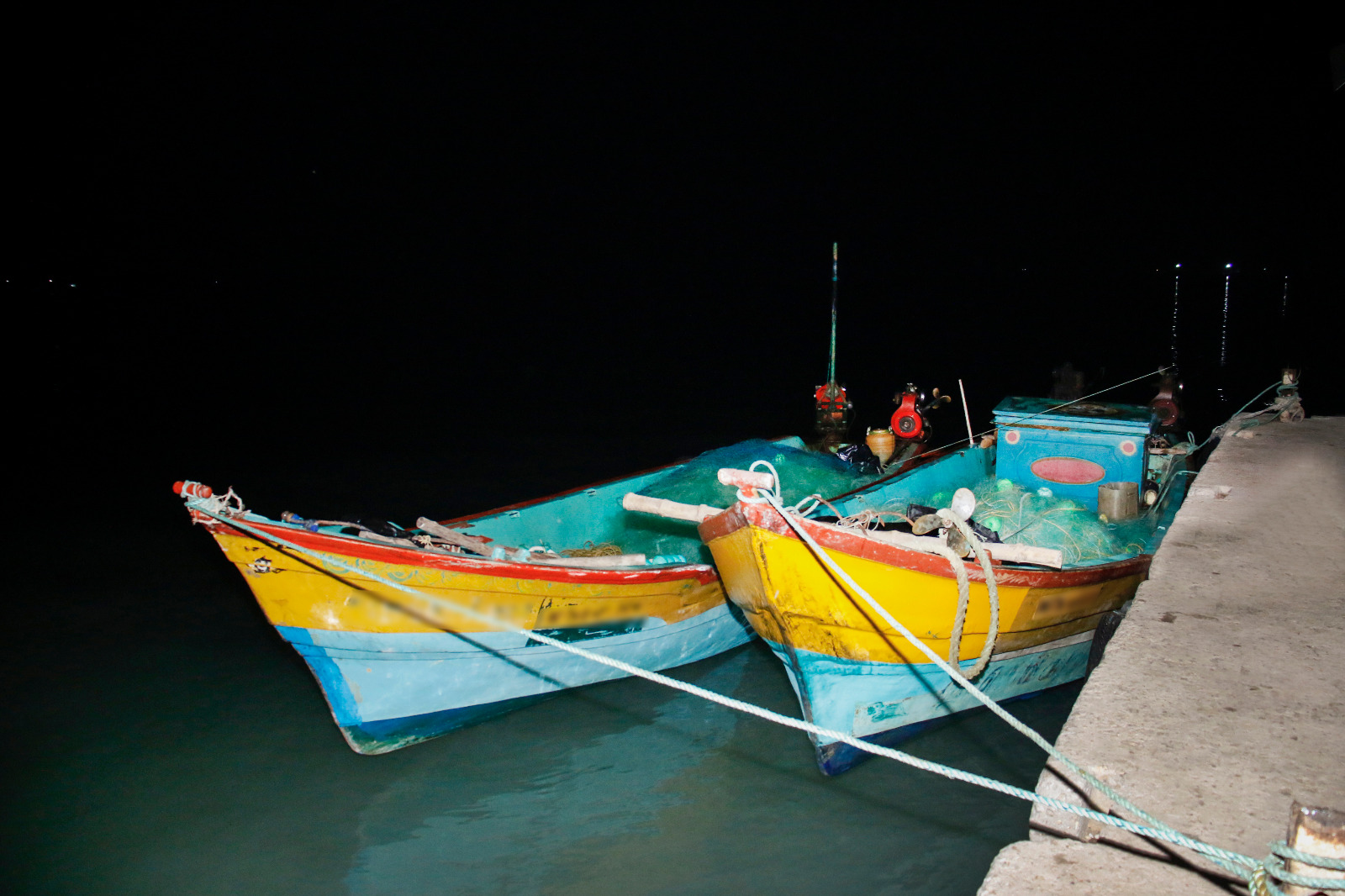
During an operation conducted in the dark hours of 20 Jan 26, the Sri Lanka Navy seized two (02) Indian fishing boats and apprehended seven (07) Indian fishermen while they were poaching in Sri Lankan waters, off Kovilan, Jaffna.
The seized boats and Indian fishermen was to be handed over to the Fisheries Inspector of Myliddy, Jaffna for onward legal proceedings.
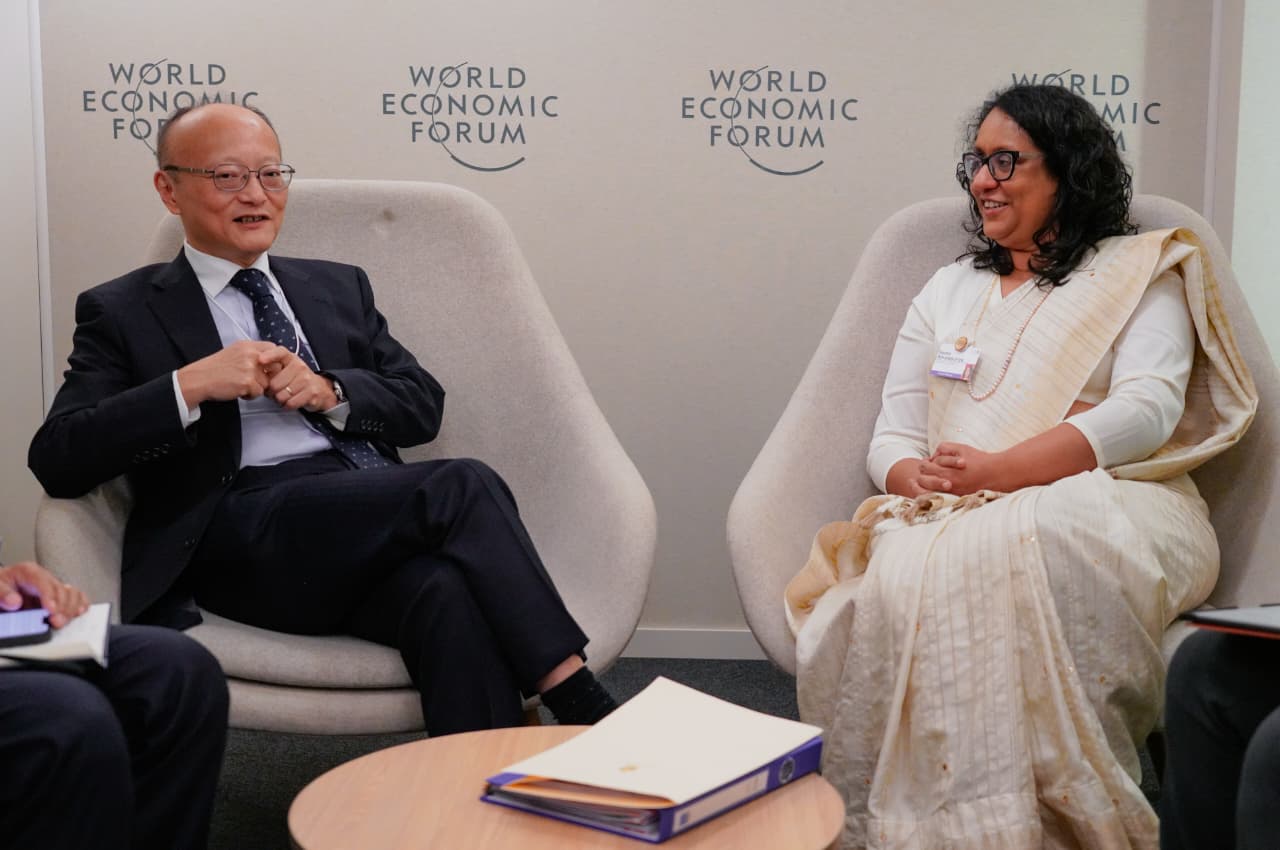
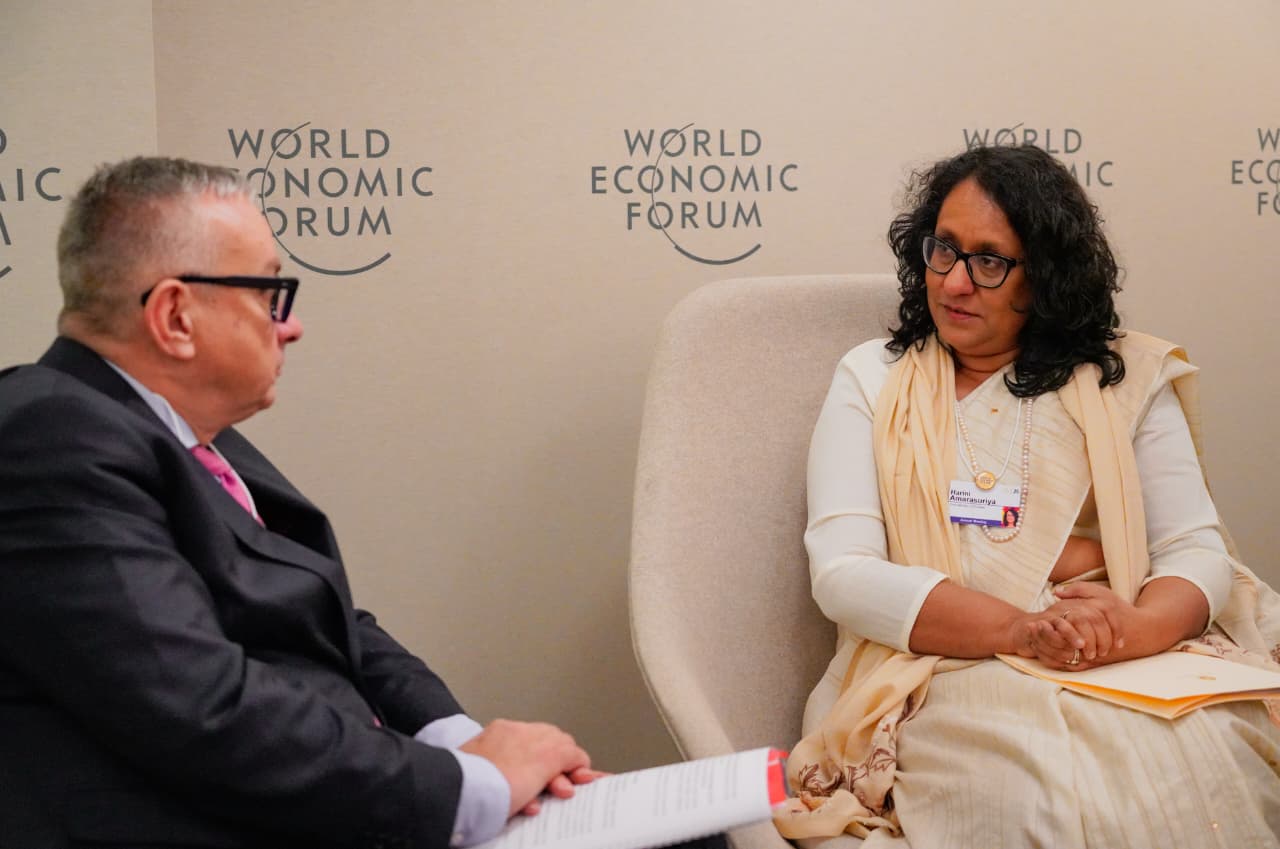
Prime Minister Dr. Harini Amarasuriya participated in a series of high-level bilateral meetings on January 20 on the sidelines of the 56th Annual Meeting of the World Economic Forum in Davos-Klosters, Switzerland.
The Prime Minister attended a productive bilateral meeting with Mr. Jozef Síkela, European Commissioner for International Partnerships. During the discussion, both sides focused on strengthening Sri Lanka–EU cooperation and advancing mutual interests.
Prime Minister Amarasuriya also met with Mr. Masato Kanda, President and Chairperson of the Board of Directors of the Asian Development Bank (ADB), at the WEF Congress Centre. The meeting provided an opportunity to discuss ongoing engagement and future collaboration between Sri Lanka and the ADB.
In addition, the Prime Minister held discussions with Mr. Hassan El Houry, Chairman of Menzies Aviation, where opportunities for collaboration in aviation services and connectivity were explored.
The Prime Minister also participated in a high-level dialogue at the Global Tourism Forum held at the Euronews Hub, Piz Buin, Davos, as part of the World Economic Forum engagements.
Dr. Anil Jayantha, Minister of Labour, and the Deputy Minister of Finance were also present at these meetings.
[Prime Minister’s Media Division]

ICC board votes to replace Bangladesh if they don’t travel to India

Sri Lanka is an example of hope, recovery and resilience in a world of conflict – PM

Brook needs to ‘regain trust of players’ after New Zealand nightclub incident

Navy seizes 02 Indian fishing boats poaching in northern waters

Prime Minister participates in high-level bilateral meetings at World Economic Forum

Dushmantha Chameera, Dhananjaya de Silva return for England ODIs

‘Dates have the highest sugar content to fight Coronavirus’

Sunday Island 27 December – Headlines

#SundayIsland 17th December – Headlines

Sunday Island – 28th March

Sunday Island Headlines – 21 March

Sunday Island – 21st February – Headlines
-

 Editorial4 days ago
Illusory rule of law
-
 News5 days ago
UNDP’s assessment confirms widespread economic fallout from Cyclone Ditwah
-

 Business7 days ago
Koaloo.Fi and Stredge forge strategic partnership to offer businesses sustainable supply chain solutions
-
 Editorial5 days ago
Crime and cops
-
 Features4 days ago
Daydreams on a winter’s day
-

 Editorial6 days ago
The Chakka Clash
-
 Features4 days ago
Surprise move of both the Minister and myself from Agriculture to Education
-

 Features3 days ago
Extended mind thesis:A Buddhist perspective