
News
Call for end to Scotland training for Sri Lanka police over alleged human rights violations

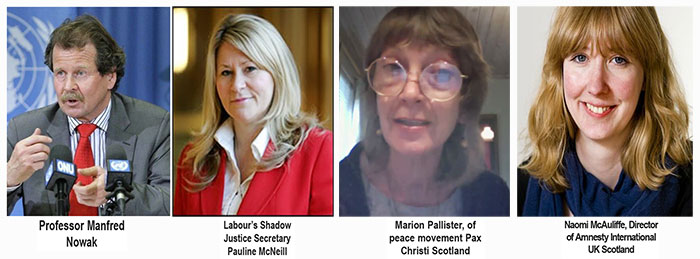
Police Scotland must stop training Sri Lankan officers if allegations of state-sanctioned torture are confirmed, according to the UN investigator behind an excoriating report into alleged human rights abuses in Sri Lanka, says a report published by The Sunday Post of Scotland yesterday.
The report says: “Professor Manfred Nowak, a former United Nations Special Rapporteur on human rights, called for Holyrood to launch an inquiry into the claims of police brutality made by refugees fleeing Sri Lanka for Scotland.
“If their claims are established, he said, Scotland’s national force must end its controversial training of Sri Lankan police and special units.
“Police Scotland insists its international training improves world policing but critics fear the force has been naive to work with the government in Colombo while its tacit endorsement is helping whitewash the torture, abduction and murder of ethnic minority Tamils, the report said.
“The long-standing police training programme – which has involved Sri Lankan officers, including some later linked to systemic torture, being trained at Police Scotland’s Tulliallan HQ and Scots officers travelling to Colombo – is currently in limbo while being reviewed by the Foreign Office.”
MSP Mercedes Villalba has now written to the British High Commission in Sri Lanka voicing concern that Police Scotland’s training of Sri Lankan police has gifted the Colombo regime “an unwarranted legitimacy” and is “a smokescreen for human rights abuses”.
“Yesterday, Nowak, a leading human rights lawyer and secretary general of the Global Campus of Human Rights, said it was alarming that torture techniques he exposed for the UN in 2007 are allegedly still being used and he urged Police Scotland to instigate a criminal investigation into the claims of refugees from Sri Lanka.
“He told The Post: “The Scottish Parliament should hold an inquiry and Police Scotland must investigate these allegations of torture and participate with the police in Sri Lanka to prosecute the perpetrators.
“If Sri Lanka does not co-operate or seek to prosecute, then this matter should be brought before the international courts as cases have been in the past.”
“He said the testimonies of torture victims who have fled to Scotland in fear of their lives were strikingly similar to the allegation he uncovered in Sri Lanka 14 years ago: “The use of practices such as hanging victims from their limbs, or even their fingers, was something I encountered, as was the use of plastic bags with petrol.
“If there is evidence which shows these practices are being used by the police in Sri Lanka, then Police Scotland need to step away from any future training programmes.”
MSPs have backed Nowak’s call for a parliamentary inquiry. Scottish Lib Dem leader Alex Cole-Hamilton echoed his concerns and said: “Any continuation of the training arrangement Police Scotland has with Sri Lanka brings us worryingly close to a complicit relationship with people who we now know are committing torture and rape on an industrial scale.
“I very much want to hear from these torture victims and support calls for an inquiry by our Justice Committee and a police investigation.”
:Labour’s Shadow Justice Secretary Pauline McNeill said: “It’s vitally important victims of torture and human rights abuses know we are watching and listening.
“I believe we will have strong cross-party support for Scotland to take a stance against these human rights violations.”
Nowak’s remarks were welcomed by human rights campaigners. Marion Pallister, of peace movement Pax Christi Scotland, said: “We hope this may be the first move towards getting justice for Sri Lanka’s torture victims.”
Frances Harrison, of the International Truth and Justice Project, said: “If Scotland took these groundbreaking steps they would lead the way across the world by showing the perpetrators of torture cannot escape their crimes.
“A parliamentary inquiry would act as a beacon of light to the thousands of victims of torture who live in silence and fear around the world, and send an important message to Sri Lanka that their actions will not be tolerated.”
In February Amnesty International published a damning report detailing how Sri Lankan government officials repeatedly attacked and targeted human rights campaigners, lawyers representing families of the disappeared and political opponents.
“Naomi McAuliffe, director of Amnesty International UK Scotland said: “We have asked to see evidence that Police Scotland takes human rights into consideration before entering into any overseas training agreement and have received no assurances.
“There has to be consideration not only of whether overseas forces have been involved in human rights abuses but how Police Scotland’s involvement might contribute towards helping other forces to conceal or downplay their human rights atrocities.”


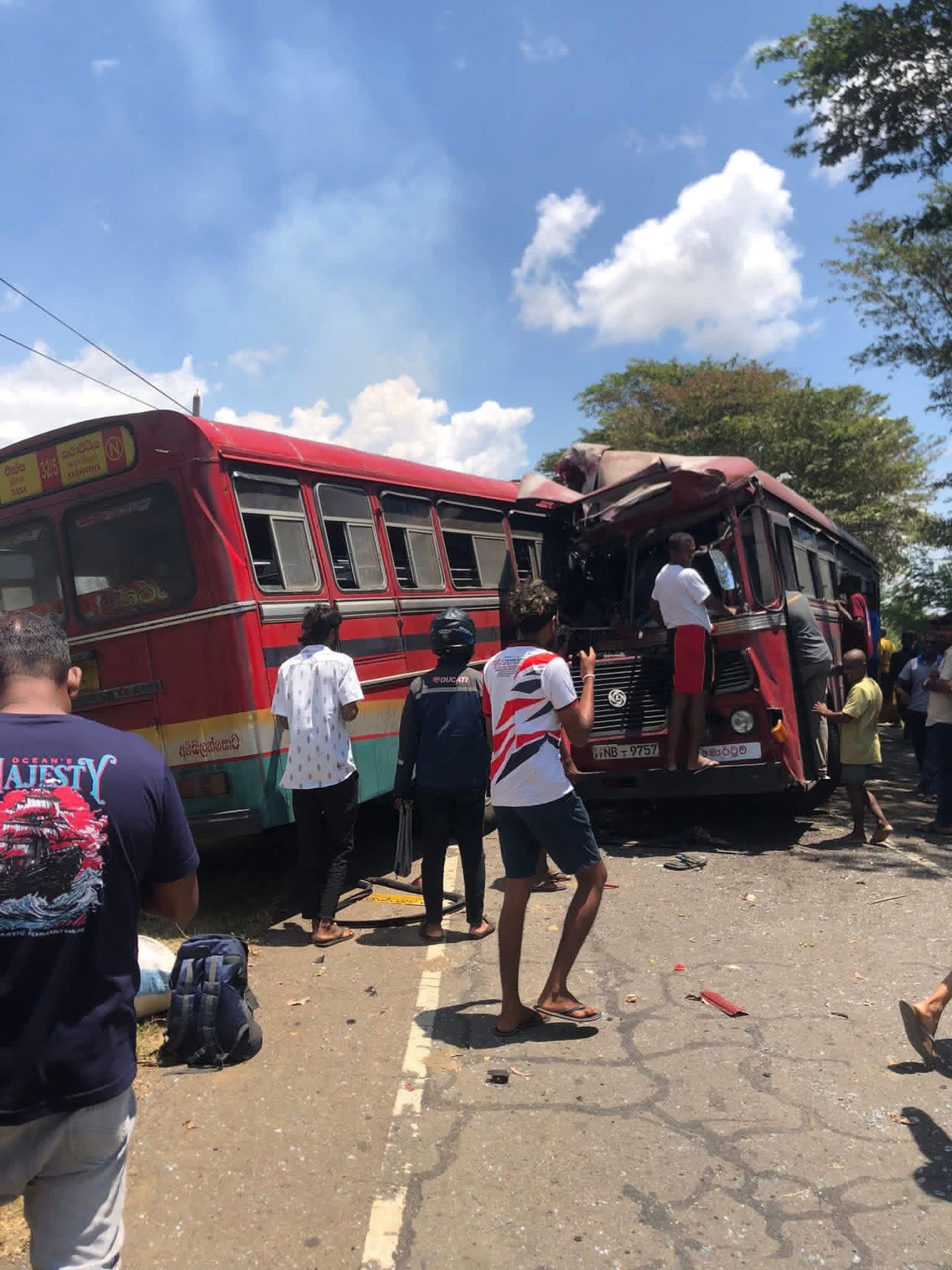
Four persons including a Budhist monk died and 32 others were injured when two SLTB buses collided head on at Weerawila at arond 12 noon today (18).
Three of the deceased were women. 22 of the injured were admitted to the Hambanthota Hospital while 10 others have been admitted to the Debarawewa hospital.
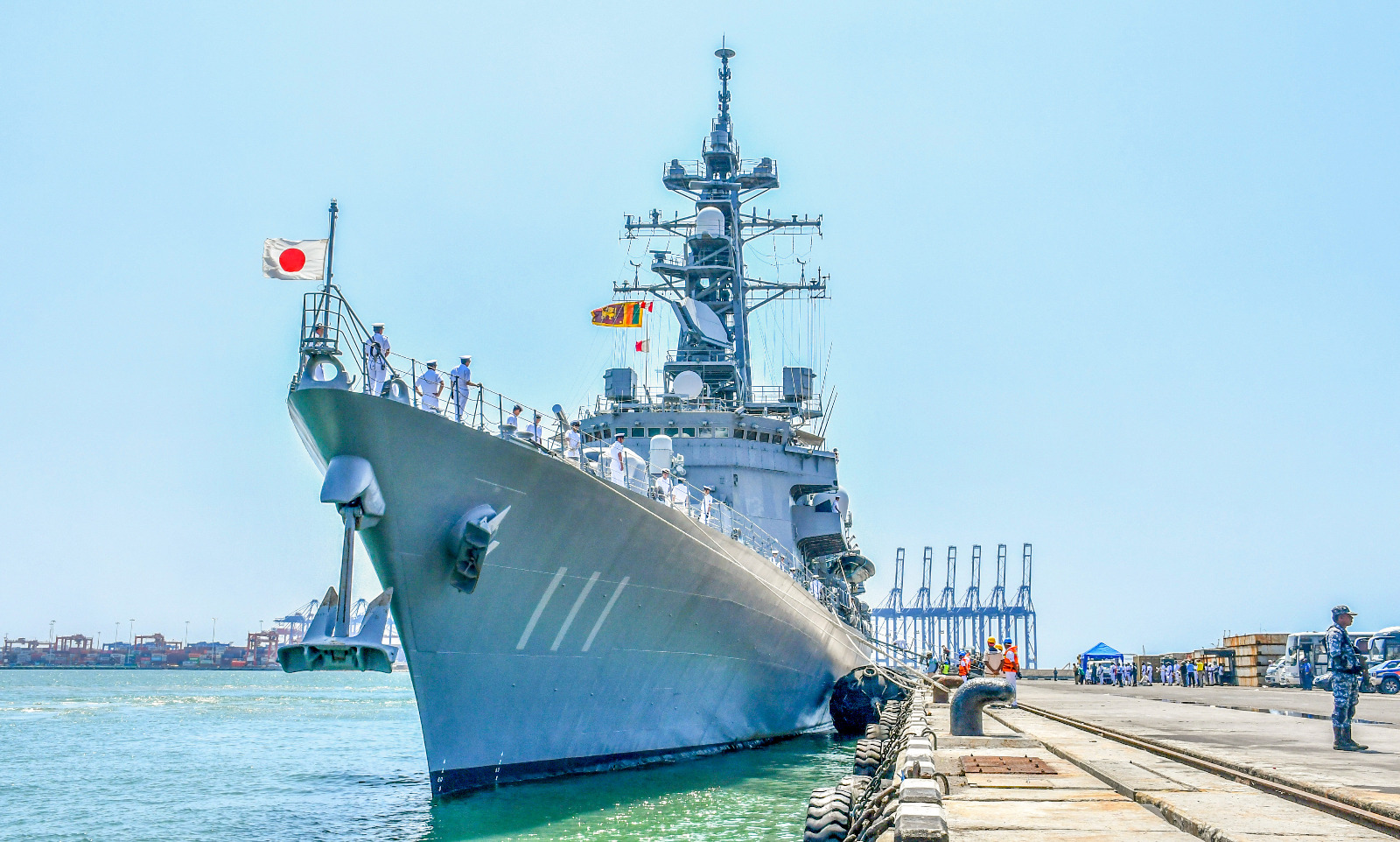
The Japan Maritime Self-Defence Force (JMSDF) ship OONAMI which arrived at the port of Colombo on a goodwill and replenishment visit on 09 Mar 26 departed on 11 March.
The departing ship was given a formal farewell from the Sri Lanka Navy, in keeping with naval traditions at the Port of Colombo.
The 150.5m long JMSDF OONAMI is commanded by Commander IIO Hiromasa.
During the stay in the island, crew members of the ship explored some tourist attractions in Colombo. The itinerary also included a coastal clean-up drive participated by naval personnel of both countries and engagements with the Sri Lanka Navy, designed to strengthen the bonds of friendship and cooperation.
The Central Cultural Fund established under the provisions of the Central Cultural Fund Act No. 57 of 1980 is responsible for development of cultural and religious monuments in Sri Lanka, settling the expenditure borne for development, renovation and conservation of local and foreign cultural monuments, awarding financial donations for artisans as well as awarding those who served the nation in the fields of culture and religious sectors.
The said act has been passed in Parliament 45 years back and, the requirement to revise the provisions of the act according to the contemporary requirements haa been recognized.
Accordingly, the Cabinet of Ministers granted their policy
approval to amend the said act, considering the resolution furnished by the Minister of Buddhasashana, Religious and Cultural Affairs.

SriLankan Airlines Alerts Customers to Social Media Scams

Four dead 32 injured in head on collision at Weerawila

JMSDF ship OONAMI concludes goodwill visit

Cabinet nod to amend Central Cultural Fund Act No. 57 of 1980
’National Namal Uyana’ declared as a National Heritage
Establishment of Supervisory Committees for restoring economic activities.

‘Dates have the highest sugar content to fight Coronavirus’

Sunday Island 27 December – Headlines

#SundayIsland 17th December – Headlines

Sunday Island – 28th March

Sunday Island Headlines – 21 March

Sunday Island – 21st February – Headlines
-

 News7 days ago
Historic address by BASL President at the Supreme Court of India
-

 Sports7 days ago
The 147th Royal–Thomian and 175 Years of the School by the Sea
-

 Business3 days ago
Browns EV launches fast-charging BAW E7 Pro at Rs. 5.8 million
-

 Life style4 days ago
From culture to empowerment: Indonesia’s vision for Sri Lanka
-
 News7 days ago
Power sector reforms jolted by 40% pay hike demand
-

 Latest News4 days ago
QR code system will be implemented for fuel with effect from 06.00 a.m. today (15th)
-
 Opinion6 days ago
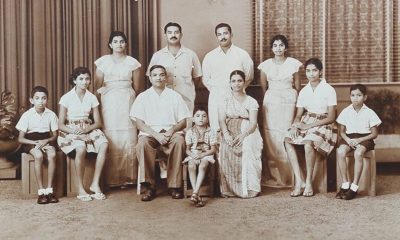
M. D. Banda: Memories of Appachchi – II
-

 News2 days ago
Australian HC debunks misleading travel risk claims for Sri Lanka