
Life style
Benchmark in education

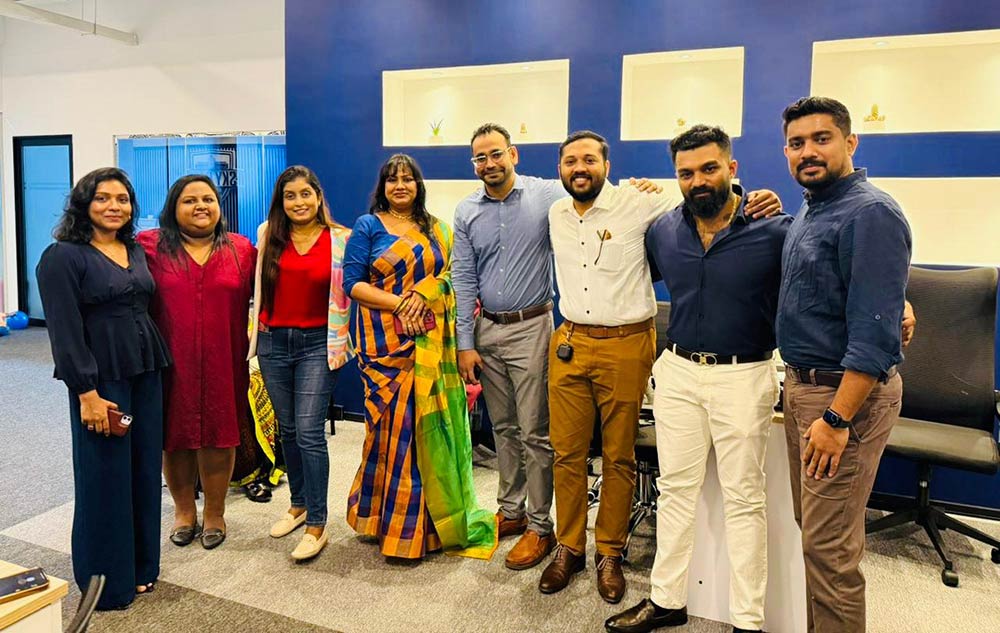
The wait is finally over as SkyGate Premier Campus steps into the new academic year in Kurunegala recently creating a milestone in education.The excitement and energy that filled the halls set the tone for what promises to be an incredible journey ahead.
Sky Gate Premier Campus (an education arm of Skygate International Pvt Ltd), was opened in Kurunegala amidst a large gathering of invitees, students and teachers. It was a special day, a blend of a new beginning ,fresh challenge and endless possibility said Zeenath Aman,Director of Operations of SkyGate International Pvt Limited. She said this an overseas education consultancy company known to many international students seeking to migrate to study in countries such as Canada, UK, Australia, New Zealand, European countries and UAE , Recently opened the SkyGate Premier Campus. is a gateway to a world class education offering diverse programmes and training that open doors its doors to global education. The parental body SkyGate International Pvt Limited was founded in 2016 by Kusal Yapa and administered and nurtured by Zeenath Anam, the Director of Operations. Their passion towards sending international students to study with their families to many countries, They have won many accolades and certificates for thier outstanding services. An approved CCG Agent with ICEF. they have created a benchmark in the educatioal sphere.
Sky Gate Premier Campus not only specializes in visa counselling but also delivers a variety of education services such as IELTS preparation classes, Language classes, Spoken English Classes and DIploma programmes in English, ICT, Business and Early Childhood Education.
Sky Gate Premier Campus formally began its operations in Kurunegala on the 30th of January 2025.
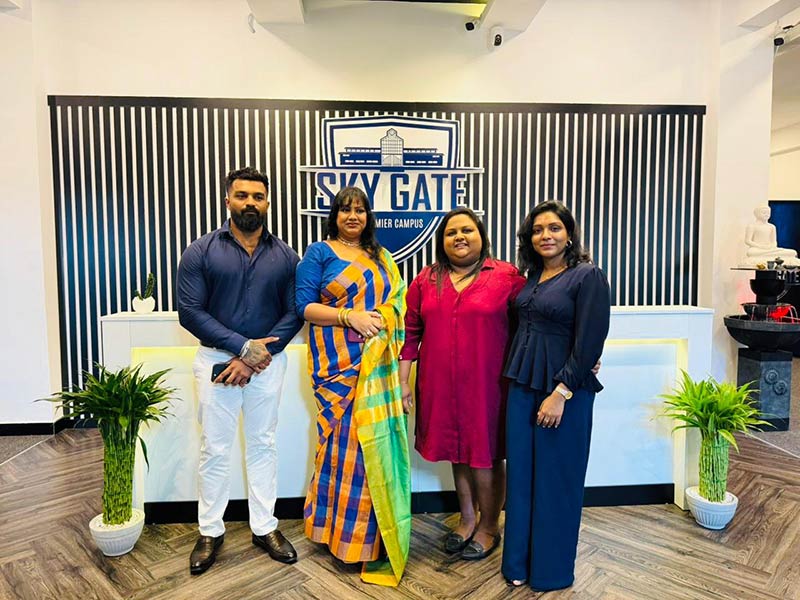
Director of Operations, Zeenath Aman, with founder SkyGate international Kusal Yapa



Every year style and beauty evolve in exciting new directions. We met Ramani Fernando, one of Sri Lanka’s most celebrated hair and makeup artists, to get an insider’s news on the trends shaping 2026. From daring hair colours to refined makeup palettes, Ramani shares her expert insights on how brides and fashion forward women can carry the season’s looks with confidence and elegance.
As the beauty industry moves into 2026, one thing is clear, excess is giving way to elegance, and individuality is the new luxury. Ramani believes 2026 is all about refinement, health and personal expression, rather than rigid trends. Over styled hair is fading away she explains soft layers, lived in waves and gentle volume will dominate, replacing heavy curls and stiff finishes. Bridal hair, the emphasis is on romantic simplicity – loose chignons, modern buns and softly structured hairdos. When it comes to colour, natural tones are evolving, expect warm browns, soft caramels, muted coppers and delicate face framing highlights.
Beauty Trends 2026 — Ramani Fernando
When you look ahead to 2026, how would you describe the overall beauty mood?
The beauty mood for 2026 is refined, confident, and very intentional. It’s about individuality rather than excess — effortless luxury, where everything looks polished but never overdone.
What hairstyles will define 2026, especially for brides and formal occasions?
We’ll see soft structure — modern chignons, low textured buns, sleek ponytails with a twist, and relaxed waves that move naturally. Hair looks styled but touchable, with a strong emphasis on shape and finish.
Are brides moving away from traditional styles?
Yes, absolutely. Brides still respect tradition, but they want it reinterpreted. They’re choosing styles that reflect who they are rather than following a set bridal “rulebook.’
-

- Soft colours and pastels

Elegant neckline highlighting the collarbone

Clean lines,sharp tailoring and modern necklines
What role do accessories play in 2026 trends?
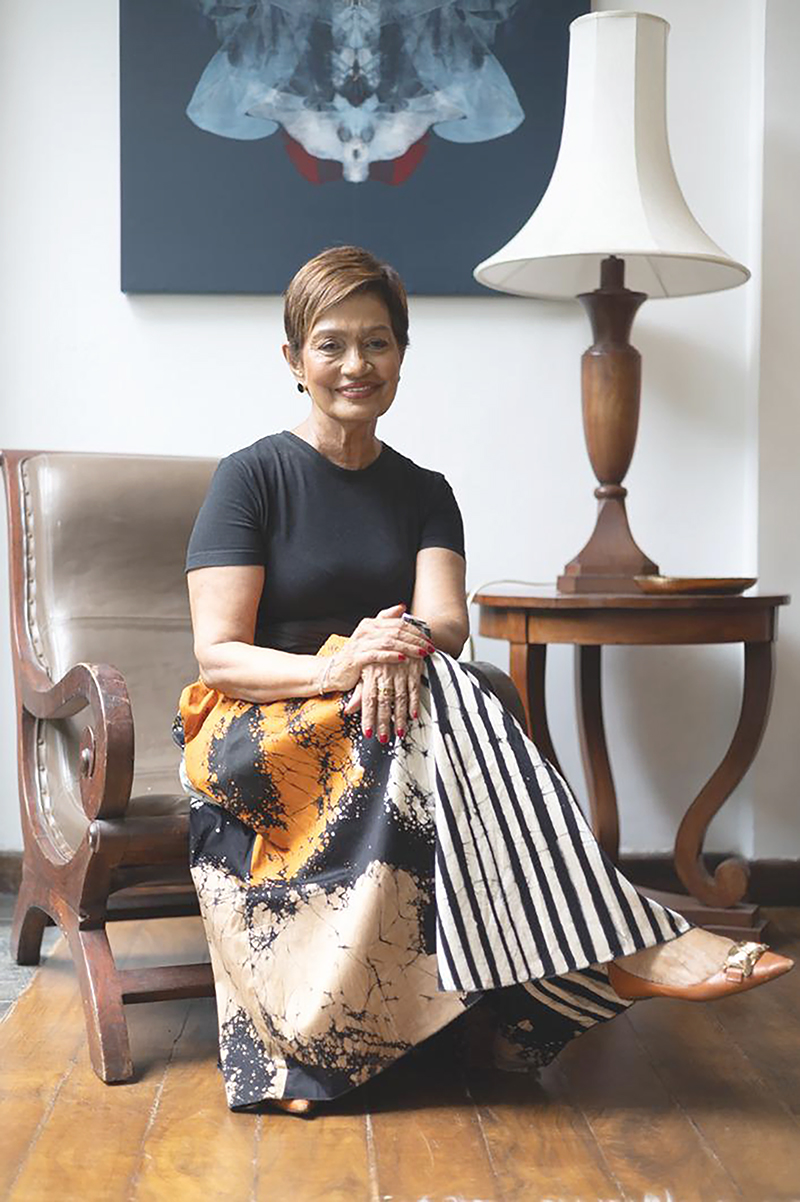
Ramani-setting trends that define 2026
Accessories are statement pieces. From sculptural hairpins to fresh flowers and couture headpieces, they’re used thoughtfully to elevate a look rather than overwhelm it.
. How is hair colour evolving in 2026?
Hair colour is becoming softer, richer, and more dimensional. The focus is on healthy shine and colours that enhance skin tone rather than dramatic contrasts.
Which shades will dominate this year?
Warm brunettes, soft mocha, honey blondes, champagne tones, and muted coppers will be very popular. Natural-looking luxury shades are key.
Are bold colours still relevant?
Yes, but in a more curated way. Bold colours appear as accents or in editorial looks, not as everyday statements. It’s about confidence, not shock value.
What’s the biggest makeup shift you’re noticing for 2026?
Skin is everything. Makeup is moving toward enhancing rather- masking — luminous, healthy skin with strategic definition.
Is natural makeup replacing glamour?
Not replacing, but redefining it. Glamour in 2026 is sophisticated and subtle. Even a bold look is rooted in flawless skin and balance.
What colours and finishes are trending?
Soft neutrals, warm browns, rose tones, muted peaches, and bronzed finishes. Creams and satins are preferred over heavy mattes.
What advice would you give brides planning their 2026 look?
Stay true to yourself. Choose a look that feels timeless, comfortable, and confident. Trends should enhance your personality, not overpower it.
What defines beauty in 2026 for you?
Authenticity. Beauty is about confidence, self-care, and feeling like the best version of yourself — not trying to look like someone else.
Why has skin become the focus point of beauty in 2026?
Because healthy skin is the foundation of everything. When skin looks good, makeup becomes effortless. Clients are investing more in skincare, and it shows — beauty now starts long before the makeup chair.

More than three decades after it first illuminated a Colombo stage, Chekhov Sandhyava returns—not as a relic revived for nostalgia, but as a living theatrical conversation between Sri Lanka and one of world drama’s most perceptive minds.
Its revival on January 29, 2026, is quietly momentous, coinciding with the 166th birth anniversary of Anton Chekhov and the 88th birth anniversary of Professor Sunanda Mahendra, the scholar, translator, and theatre-maker who first imagined this encounter for Sinhala audiences.
Unlike conventional productions that centre on a single canonical text, Chekhov Sandhyava is conceived as an evening—a carefully composed sequence of short works that together reveal Chekhov’s range, irony, and emotional restraint.
The programme brings together adaptations of The Proposal, Swan Song, A Summer in the Country, Nincompoop, and a brief satirical piece addressing the destructive effects of tobacco. Individually modest, collectively they form a mosaic of human behaviour that is unmistakably Chekhovian.
What distinguishes Chekhov Sandhyava is not merely its selection of texts, but its method of approach. Chekhov is not treated as a distant European classic preserved behind a glass case of reverence. Instead, his characters are allowed to breathe within a Sri Lankan theatrical sensibility—shaped by spoken Sinhala, local performance traditions, and an instinctive understanding of social awkwardness, suppressed desire, and quiet disappointment. The laughter, pauses, and silences feel familiar, suggesting that Chekhov’s insights into human nature travel effortlessly across geography and time.
The origins of Chekhov Sandhyava can be traced to the late 1980s and early 1990s, a period when Professor Sunanda Mahendra was deeply engaged in theatre education and practice in Sri Lanka. Although Chekhov was widely read and discussed, his plays were rarely staged in Sinhala with sustained seriousness. Mahendra’s objective was both pedagogical and artistic: to introduce Chekhov not through academic theory, but through the immediacy of performance.
The first staging took place in 1991 at the Soviet Cultural Centre in Colombo. Emerging from the work of theatre students and practitioners, it was conceived as a collective exploration rather than a conventional repertory production. Over time, it came to be recognised as a milestone in Sinhala theatre, opening pathways for further translations, adaptations, and deeper engagement with Chekhov’s dramatic method.
Central to this achievement was Mahendra’s work as translator and adaptor. Drawing from English translations of Chekhov’s Russian originals, he reshaped the texts with careful attention to linguistic rhythm and theatrical economy. The current revival extends that legacy.
New adaptations of The Proposal and Swan Song by Ravindu Mahendra draw on multiple English translations while remaining faithful to the emotional texture of the originals. The emphasis is on restraint rather than exaggeration—on allowing Chekhov’s humour and melancholy to surface naturally.
The 2026 production is directed by Ravindu Mahendra, who also performs alongside a seasoned ensemble that includes Prasannajith Abeysuriya, Wasantha Moragoda, Seneviratne Rudrigo, Jayani Sarathchandra, Indika Jasinghe, and Ajith Sirimanna. Music by Gayan Ganadhari and costumes and visual elements are designed to support the understated tone of the plays, avoiding spectacle in favour of atmosphere.
The choice of venue—the Namel Malini Punchi Theatre in Borella—feels particularly apt.
Chekhov’s drama thrives on intimacy: on timing, gesture, and what remains unsaid between characters. Afternoon and evening performances allow audiences to experience the plays as they were intended—not as grand statements, but as close observations of human behaviour.
Chekhov Sandhyava
is also inseparable from the wider legacy of Professor Sunanda Mahendra, one of Sri Lanka’s most influential figures in theatre, literature, and media studies. Academic, broadcaster, playwright, translator, critic, and mentor, Mahendra helped shape modern Sinhala theatre through both practice and pedagogy.
His receipt of the State Drama Lifetime Achievement Award in 2023 acknowledged a career that consistently bridged scholarship and creativity.
In this sense, Chekhov Sandhyava is more than a revival. It is the continuation of an ongoing dialogue between Sri Lankan theatre and a playwright who resisted neat conclusions. Chekhov’s characters do not resolve their dilemmas; they talk, hesitate, joke, and fail. That quiet refusal of certainty—radical in its time—remains deeply resonant today.
By bringing these works back to the stage, Chekhov Sandhyava invites contemporary audiences to listen again: to silences, to half-finished thoughts, and to the small contradictions that define ordinary lives.
It is an evening that honours both a Russian master and a Sri Lankan tradition of thoughtful, serious theatre—one that understands that sometimes, the most profound truths are spoken softly.
By Ifham Nizam ✍️
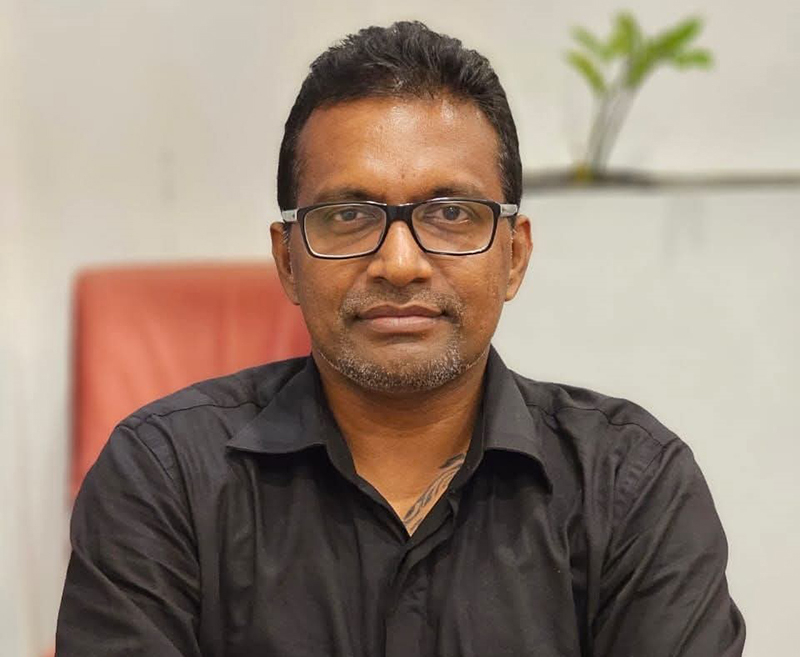
Silent yet destructive, Osteoporosis often advances without warning until a simple fall results in a life altering fracture. In this interview Dr. Anura Caldera, Consultant Rheumatologist sheds light on a condition long misunderstood as an inevitable part of ageing. He explains why Osteoporosis is preventable, detectable, and treatable when addressed early and awareness especially among women and the elderly can mean the difference between independence and disability. Drawing from years of frontline experience, Dr. Caldera unpacks the myths, risks and lifesaving interventions surrounding one of the world’s most under diagnosed bone diseases.
 Dr. Caldera is a product of Royal College with advanced foreign training that has shaped his professional expertise. This blend of strong local education and global training has been central to the perspective and standards he brings to his work today.
All of us may have seen the elderly woman in the neighbourhood who broke her hip, disappeared from the community, and passed away a few months later. We may also have seen another woman who gradually stoops forward and ends up needing a walking stick in no time. But many of us may never have realized that these are complications of a disease that could have been prevented.
What is Osteoporosis?
Osteoporosis is a systemic bone disease that reduces bone mineral density, making bones extremely weak and fragile. This reduction in bone density makes bones highly prone to fractures, often involving the hip, spine, forearm just above the wrist and upper arm, even following minor falls.
What happens in Osteoporosis?
Bones are dynamic structures, meaning they are constantly being built up and broken down within the body. Two main cell types are responsible for this process: osteoblasts, which form bone, and osteoclasts, which break down bone.
When we are young and healthy, these cells work in perfect harmony, maintaining strong and healthy bones. Ideally, we should not fracture a bone even if we fall from our own height.
In Osteoporosis, this balance is tipped towards bone breakdown. Over time, bone mineral density gradually decreases to dangerous levels. At this stage, even minor trauma—such as slipping while trying to sit on a chair and falling to the ground—can result in a fracture, particularly of the hip.
Why aren’t patients aware of it?
The major problem with Osteoporosis is that it has no symptoms until it causes a fracture. When you have diabetes, you may urinate frequently, feel excessive thirst, and lose weight. When your heart arteries are blocked, you may feel breathless climbing a few stairs. When your kidneys are failing, your feet may swell. But with Osteoporosis, you feel nothing.
By the time symptoms appear, the disease has already manifested its complications—fractures. Most patients in Sri Lanka discover they have Osteoporosis only after breaking a bone.
Some patients gradually lose height over time due to silent fractures of the spine, known as vertebral wedge fractures. Sometimes the pain is so minimal that the patient is unaware a fracture has occurred. Degeneration of spinal discs can also contribute to height loss. A stooped posture may develop for the same reasons. Lower back pain usually appears only once fractures have occurred.
What treatment options are available?
The mainstay of treatment is anti-resorptive therapy, which is available in tablet, injection, and infusion forms. The most commonly used medication is alendronate 70 mg, taken once weekly on an empty stomach with 200 ml of water. Patients must remain upright and avoid eating for at least 30 minutes after taking the tablet.
There are also monthly tablet formulations. If oral medications are poorly tolerated, treatment can be switched to an annual infusion such as zoledronic acid or six-monthly denosumab subcutaneous injections. Other treatment options are also available.
In addition, patients require calcium and vitamin D supplementation. The minimum recommended intake is 700 mg of calcium and 800 IU of vitamin D, obtained through a combination of diet and supplements. Combination tablets containing calcium and vitamin D in these ranges are generally safe.
How long should patients be treated?
The duration of treatment depends on the individual patient. A common misconception is that five years of treatment is sufficient for everyone. This is incorrect.
Decisions regarding treatment duration and drug holidays must be made carefully, based on multiple factors. Patients require regular DXA and FRAX assessments to monitor treatment response and identify new risk factors. If the response is inadequate, the physician may need to change the antiresorptive medication—for example, from oral therapy to infusion. Osteoporosis cannot be effectively managed by prescribing a single medication and assuming five years of treatment will resolve the condition.
Why is Osteoporosis called a “silent killer”?
Osteoporosis-related hip fractures significantly increase the risk of death within the following year, with up to 30% of patients dying within 12 months of a hip fracture. Death often results from complications such as pneumonia or blood clots due to prolonged immobility.
A significant number of survivors also lose their independent mobility after a hip fracture. Therefore, it is far better to be safe than sorry—get tested and treated when necessary. One of the greatest assets in old age is independent mobility, which allows a person to remain self-sufficient and maintain quality of life.
As a result, patients tend to attribute their pain to this condition. However, the real cause may be that one of the weakened vertebrae has already fractured and collapsed, and the next bone at risk of fracture could be the hip.
Which patients are most affected?
Peak bone mass is achieved in the early 30s, after which bone mineral density gradually declines. This loss is usually minimal and does not significantly increase fracture risk.
However, once women reach menopause, the lack of estrogen accelerates bone loss to a level where bone mineral density may reach Osteoporotic levels.
A study conducted in Sri Lanka in 2004 by Prof. Sisira Siribaddana and Prof. Sarath Lekamwasam revealed that 42.3% of women aged 50-59, 67.5% of women aged 6069, and 81.6% of women over 70 had Osteoporosis. According to similar studies, 94% of Sri Lankan patients with Osteoporosis are female. These figures are notably higher than those seen in many developed countries, where the prevalence is lower.
How can we diagnose this condition?
Any woman over the age of 50 should undergo a “fracture risk assessment”. Those with an intermediate or higher risk should then have a bone mineral density assessment using a DXA scan. This scan measures bone density in the spine, hip, and, in selected cases, the wrist.
The T-score is used to guide treatment decisions in most patients. However, a FRAX score—calculated using an online tool—is particularly useful for patients with borderline bone density (Osteopenia), as the DXA scan alone cannot reliably predict hip or major Osteoporotic fracture risk in all individuals.
There is one situation where treatment is initiated even without a DXA scan: when a patient has already suffered a fracture believed to be due to Osteoporosis. In such cases, treatment is started even if the DXA scan (Dual Energy Xray Absorptiometry scan) does not show established Osteoporosis.
Additional blood tests may be required, though not all are necessary for every patient. These commonly include serum calcium, vitamin D levels, parathyroid hormone levels (in selected patients), and routine kidney and liver function tests. Further investigations may be arranged on a patient-by-patient basis.
Are there other high-risk groups apart from post-menopausal women?
Yes. Other risk factors include advancing age, low Body Mass Index (BMI), previous fragility fractures, a parental history of hip fractures, long-term steroid therapy (more than three months), smoking, alcohol consumption exceeding three units per day, rheumatoid arthritis, type 1 diabetes, chronic liver disease, chronic kidney disease, sex hormone deficiency, and concurrent malignancy.
FRAX score is a fracture risk assessment tool that is particularly valuable for patients who do not meet treatment thresholds based on DXA results alone.

Three arrested with narcotics valued at Rs123 million at BIA

Navy intercepts 02 narcotics-laden trawlers with 11 suspects in southern seas

Indonesian Naval Ship ‘KRI SULTAN ISKANDAR MUDA – 367’ departs island

U19 World Cup: Japan defeat Tanzania by nine wickets

U19 World Cup: Ambrish’s four-fer powers India to third straight win

Josh Hoey breaks world 800m short track record with 1:42.50 in Boston

‘Dates have the highest sugar content to fight Coronavirus’

Sunday Island 27 December – Headlines

#SundayIsland 17th December – Headlines

Sunday Island – 28th March

Sunday Island Headlines – 21 March

Sunday Island – 21st February – Headlines
-

 Features7 days ago
Extended mind thesis:A Buddhist perspective
-

 Opinion6 days ago
American rulers’ hatred for Venezuela and its leaders
-
 Business18 hours ago
ComBank advances ForwardTogether agenda with event on sustainable business transformation
-

 Opinion4 days ago
Remembering Cedric, who helped neutralise LTTE terrorism
-
 Business4 days ago
CORALL Conservation Trust Fund – a historic first for SL
-

 Opinion3 days ago
A puppet show?
-

 Opinion6 days ago
History of St. Sebastian’s National Shrine Kandana
-
 Opinion18 hours ago
Conference “Microfinance and Credit Regulatory Authority Bill: Neither Here, Nor There”