
Life style
Be confident at all times, and walk the talk!


Trail blazing leadership
by Zanita Careem

In the ever evoving landscape of hospitality,there exists an exciting realm of possibilities for women to leave an indelible mark,extending from the heartfelt greetings offered at the hotel’s thresthold to the pinnacle of leadership and pivotal decision making forums.
Gitanjali Chakravarthy is the first Sri Lankan woman to become a General Manager for a global hospitality brand. As a woman hotelier, her journey has been a tapestry of diverse experiences, challenges and triumphs. Undoubtedly, the hospitality industry is demanding, characterized by its ever changing nature yet, it is precisely this dynamism that fuels her passion.
On this international Women’s Day week let’s celebrate, the resilience, tenacity and ingenuity of women in the hospitality and beyond. Together let’s continue paving the way for future generations empowering women to thrive in every facet of the industry. For in unity there lies our greatest strength, and in diversity, our boundless potential.
In a candid chat, Gitanjali Chakravathy tells what drives her passion for hospitality, the challenges of being a hotel GM, and her vision for the brand.
What triggered your interest in the hospitality industry?
Growing up, my fascination with the hospitality industry was deeply rooted in my childhood experiences. My father was the key influence, as he served as a General Manager for several hotels back then. Our family holidays were often spent in their welcoming embrace.
It was during these trips that I discovered the enchanting world of hospitality — where good food, comfort, and beautiful surroundings intertwined.
I was inspired by my father’s passion for delivering seamless guest experiences and his commitment to ensuring every guest felt not only welcomed but cherished. It made me see that the hotel industry is more than just a job — it is a dedication to creating memorable and meaningful experiences for your guests.
Having spent most of my childhood adventures in hotels, coupled with my father’s influence, it ignited in me a genuine love for an industry that revolves around making people feel at home, even when they are miles away. I knew I wanted to play a role in turning moments into memories and providing a haven for those seeking a home away from home.
Some key highlights of your career, awards accolades etc.
Throughout my career, I have always strived not just personal excellence, but to embody the hospitality industry’s ethos of leadership and service excellence. I apply that same principle to the teams I lead to foster a culture where we have been able to deliver high-performing results in a positive and highly-motivated environment.
Throughout my career, I have had the privilege of receiving several accolades that have also marked key milestones in my professional journey. Some of these include:
Pioneering Woman Leader:
Awarded at the 7th Edition of the World Women Leadership Congress in 2020, at the Taj Lands End in Mumbai.
Leadership Excellence in the Hospitality Industry, Gold Category:
Awarded at the 9th Edition Top 50 Professional Career Woman Awards in 2019, at Shangri-La in Colombo.
Sri Lanka World Woman Leadership Award:
Recognized at the 6th Edition of the World Women Leadership Congress in 2019, at the Taj Samudra in Colombo.
To me, these accolades not only represent personal achievements but also reflect the collective efforts of the teams that I had the privilege of leading.
What are your challenges of being a woman in a male dominated segment?
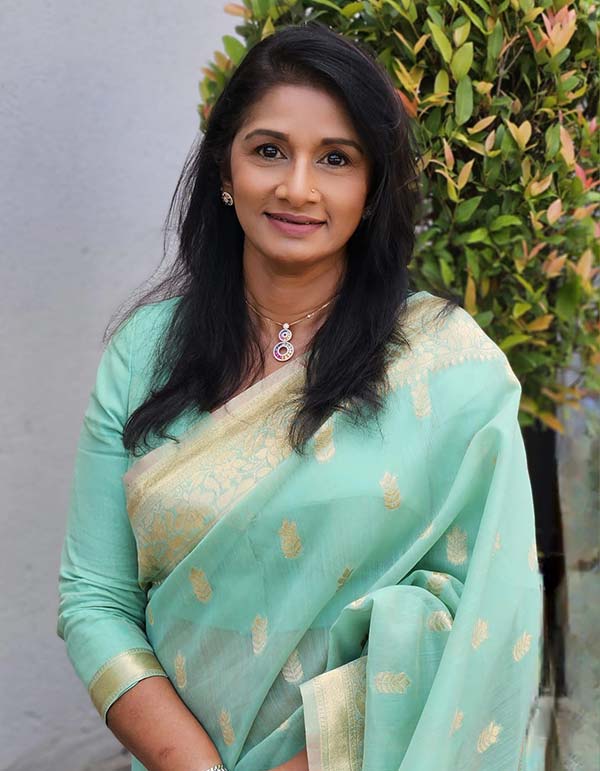
Gitanjali Chakravarthy
While I have been fortunate to work in environments where I have been able to thrive regardless of my gender, I recognize the need for ongoing efforts to support gender equality and equity.
I firmly believe that inclusivity and diversity is a strength that fosters innovation and contributes to a richer organizational culture. Overcoming stereotypes and unconscious biases has been a part of my journey, and I am dedicated to creating pathways for more women to excel in leadership roles within the hospitality industry.
In my experience, the key to breaking down gender barriers lies in emphasizing meritocracy and knowing that talent knows no gender. At Hilton, we have continually fostered an inclusive environment so women as well as men are able to thrive and grow into leadership roles. This includes investing in a range of leadership and training programmes that enable and empower women in their career planning and to be the best version of themselves. Earlier this year, we launched the South East Asia iteration of Hilton’s Women in Leadership programme, where junior female professionals have direct access to senior leader mentors and a guided training pathway to help them build their career paths.
Your comments – low participation of women in the hospitality sector.
Within Sri Lankan hospitality sector men are found to outnumber women in occupational category? Your opinion?
I strongly believe that everyone, regardless of their gender or background, deserves equal opportunity. As a business of people serving people, we recognize that our Team Members are at the heart of everything we do. We are strongly invested in creating a culture of inclusion, wellness, growth and purpose, so that every Team Member — no matter their gender — can have a successful career in the hospitality industry. To this end, Hilton has in place several initiatives. For example, Thrive@Hilton is Hilton’s employer value proposition that cultivates meaningful opportunities and a workplace culture where all team members can thrive regardless of background, role and location.
Careers@Hilton, for instance, provides guidance and highlights opportunities for young people in the hospitality industry through annual awareness campaigns. There are also region-specific initiatives, such as the Hilton South East Asia Management Trainee program, which aims to produce the next generation of hospitality leaders. A total of 46 trainees across 7 countries, including Sri Lanka, are participating in this year’s program. Another resource is Lead@Hilton, an industry-leading learning platform that offers a suite of learning resources on management and leadership, including a Leadership Unscripted video series where senior leaders share career advice and virtual development programs created in partnership with Harvard.
We believe that providing the best professional development support we can is key to cultivating an inclusive workplace culture that enables women and men from all backgrounds to thrive at work and contribute to a stronger hospitality industry.
Your inspirational journey is an example to many others?
My career journey has been fulfilling and transformative, something I’m honored to share as inspiration. As a trainee, my dedication to the hospitality industry motivated me to pursue a professional qualification. Throughout my career, I had the opportunity to grow in various capacities, gradually progressing from junior management roles to senior management positions.
Having worked for globally renowned brands and gaining invaluable experience in over ten countries, my journey has been characterized by continuous learning and growth. It was also a tremendous privilege to have been able to contribute to the development of aspiring hoteliers during my tenure as a senior lecturer at the Ceylon Hotel School, now known as the Sri Lanka Institute of Tourism and Hotel Management.
Becoming the first Sri Lankan female General Manager for Hilton in the country is a significant achievement. I see this not only as a key milestone in my career, but also an encouraging sign of the evolving inclusivity and diversity in the hospitality industry.
Reflecting on my journey, I am thankful for the many opportunities that have allowed me to break barriers and open doors for others. I genuinely hope my experiences inspire other women who are looking to join the vibrant realm of hospitality.
. Being in the dynamic world of travel and reaching the top position of honour and responsibility how difficult or challenging has been for you? Being a woman has ever added to the difficulties?
Throughout my career, I have always approached challenges with resilience and optimism. I see setbacks as opportunities to learn and grow, and a chance to reshape and deepen my perspective. Maintaining optimism during tough times has helped make me stronger and to face any situation with confidence.
Are you implementing any strategies to drive occupancy and revenue?
The key drivers in our strategy to drive growth at Hilton Yala Resort include the resort’s unique location and distinct design that showcases Yala’s natural wonders, as well as the breadth of immersive experiences and our exceptional hospitality.
At Hilton Yala Resort, we aim to create immersive and memorable experiences for guests looking to fully connect with nature. Situated just outside Sri Lanka’s Yala National Park and surrounded by lush greenery, the resort provides an elevated escape for guests seeking adventure and relaxation Guests can also choose to go on a full-day safari excursion with a bush dining experience where they can enjoy customized menus that showcase the freshest and highest quality ingredients, as well as a range of activities such as accompanied nature walks, lake fishing, and visits to archaeological sites such as Sithulpawwa Rajamaha Viharaya within Yala National Park, to soak in the rich biodiversity and history that the region has to offer.
How is the demand for sustainability affecting your work?
Travellers today seek sustainable experiences, and this is shaping how we work. Our team is committed to making sustainability a part of everything we offer. We aim to match the values of environmentally conscious travellers, making sure our operations and experiences are memorable and enriching for guests while also contributing positively to the local community and the broader goal of sustainability.
Hilton Yala Resort has been meticulously designed to ensure the utmost care for the surrounding environment, ecosystem, and local communities. We collaborate with local partners to advance efforts to preserve and protect local habitats and biodiversity as part of our destination stewardship efforts. With the support of microgrant funding provided by the Hilton Global Foundation, we have initiated an on-site animal research program in collaboration with the Wildlife and Nature Protection Society (WNPS) Small Cat Advisory, Leopard Diary and the Wilderness and Wildlife Conservation Trust (WWCT) to monitor wildlife in and near the resort to better inform local conservation efforts.
How do you foresee the future of travel sector in Sri Lanka?
The future of Sri Lanka’s travel sector is promising, driven by a strong recovery of the tourism sector in South East Asia. As tourism continues to pick up, we are prepared to meet the evolving preferences of our guests in this new era of travel.
Travellers also show an eagerness to explore lesser-known destinations, where they can slow down and enjoy authentic, once-in-a-lifetime experiences without having to jostle with the crowds. To that end, Yala’s natural wonders and abundant bio diversity make it an ideal destination for travellers seeking off-the-beaten-path experiences, to fully connect with nature, or a unique and authentic holiday. As one of the most beautiful destinations in Sri Lanka known for its natural beauty and rich biodiversity, Yala has been growing in popularity among travellers . Sri Lanka’s tourism appeal has not been missed, with the country ranked among “Top Countries in the World: Readers’ Choice Awards 2022” by Condé Nast Traveller. This makes us confident of Yala and Sri Lanka’s growth and appeal as a sought-after travel destination for travelers all over the world.
Would you say that confidence has returned to the tourist sector?
Absolutely, I would say that confidence has returned to the tourism sector. This positive shift is underscored by the increase in travel frequency around the world and a growing optimism within the industry.
What does Yala Hilton’s future entail?
Hilton Yala Resort is Hilton’s first safari hotel in the region, as we expand our presence in one of the most sought-after destinations in the country. The resort is poised to be a key destination hotel in Sri Lanka, providing guests with a unique and up-close experience with Yala’s wildlife and natural landscapes.
We are continuously seeking new ways to meet the evolving needs of travelers, and we look forward to bringing more immersive, unique and memorable experiences.
What about your expectation when it comes to service and value?
At Hilton, our service not only meets but we are always striving to exceed industry standards. We aim to offer experiences that are unparalleled in quality, to create lasting impressions and deliver exceptional value, all of which are hallmarks of the Hilton brand, to all our guests.
What is your approach to identifying, nurturing and motivating talent?
At Hilton, we are constantly taking innovative approaches to hiring and recruiting, partnering with our hotels to support their needs through virtual hiring events and shortened application processes to identify the right individuals. From earned wage access to new ways of scheduling, we are looking at how to increase flexibility across the full team member experience.
Hilton offers Hilton university programs and campus recruitment to enable individuals to explore the possibilities and rewards of a career in hospitality. We also have undergraduate and graduate opportunities offered in each region around the globe.
How do you achieve consistency when it comes to service?
I believe that consistent service is achieved through strategic hiring, continuous training and fostering a positive and enabling workplace culture. Hilton’s focus on these areas ensures that we maintain our high standards of service that our guests have come to expect. Our team members also undergo regular training programmes to ensure they are equipped and empowered with the skill sets and resources needed to deliver consistently excellent service to our guests.
Which are the activities and experience guests can enjoy?
At Hilton Yala, guests can indulge in a diverse array of activities that enable them to immerse in the abundant biodiversity that Yala has to offer. Guests can enjoy the most intimate and enriching encounters with the region’s rich flora and fauna through activities such as environmentally responsible safari tours with locally trained rangers dedicated to helping guests experience the best of Yala National Park and bring about a stronger sense of awareness and appreciation of the wildlife and ecosystem through impactful educational sessions.
Guests can also choose to go on a full-day safari excursion with a bush dining experience where they can enjoy customized menus that showcase the freshest and highest quality ingredients. They can also extend their safari tour with a drive from Kirinda to Kumana to explore shipwrecks and a massive 40km reef brimming with marine life.
Beyond wildlife safaris, guests can enjoy accompanied nature and bush walks, lake fishing, photography safaris, and cultural excursions to archaeological sites such as Sithulpawwa Rajamaha Viharaya within Yala National Park and Kirinda Nimalawa Aranya, located in Nimalawa Sanctuary, which promise an educational and enriching experience for the whole family. Parents can also enroll their child in the Junior Ranger program.
Hilton Yala Resort offers endless adventures to choose from. In addition to the exciting safari tours and bush walks, guests seeking immersive moments in nature can discover the magic of the night sky through the Stargazing Adventure, enjoying enchanting views spanning both the Northern and Southern Hemispheres near the equator.
Guests can go from sky to sea with a dive and snorkeling excursion in the Great Basses reef, exploring the abundant marine life, stunning coral formations, shipwrecks, majestic sea turtles and gray sharks in the depths of Sri Lanka’s coastal waters.
Hilton Yala also features exceptional gastronomic experiences. From the flavors of contemporary Asia at Dhira to Sandali, a premier dining destination known for its Western cuisine, guests can also indulge in delicious cocktails at Vanya. For a truly memorable meal, guests can venture into the wild to experience Lanthaaruma, the resort’s bespoke dining experience set between Yala’s lush jungle and the lapping waves of the Indian Ocean, where a fully customized menu of the freshest and highest quality ingredients is accompanied by sommelier-selected wines.
Those looking to relax can enjoy the outdoor pool at the heart of the resort, which blends seamlessly with its breathtaking surroundings. Ground floor rooms also feature private pools, which span from eight to 16 square meters, while those on the level above offer private hot tubs, providing a serene space for guests to unwind. We also have a state-of-the-art spa providing relaxing treatments in a beautifully designed space. As a resort, we are also flexible and can tailor many other activities based on the preferences of our guests, ensuring a personalized and enriching stay.

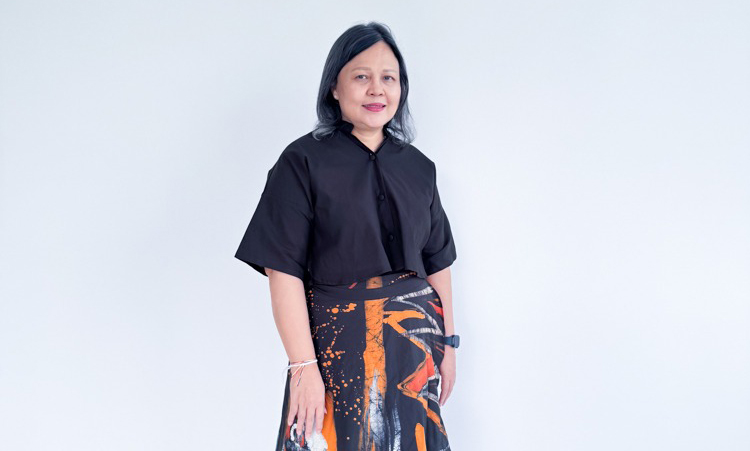
In a world where diplomacy often moves quietly behind closed doors, ambassadors serve as the living bridge between nations, culture and peoples.
The Indonesian Ambassador to Sri Lanka Dewi Gustina Tobing carries this responsibility with a vision that goes behind protocol seeking to deepen ties, foster mutual understanding and showcase the richness of Indonesian heritage to a Sri Lankan audience. From trade and tourism to cultural exchange and the role of woman in society, the Ambassador embodies the naunced, multifaceted relationship between two nations with shared histories and aspirations, In this exclusive interview, we explore perspectives that span politics, culture and social development and gain a glimpse into the mindset of a diplomat whose mission is about connection as it is about representation.
 (Q) How would you describe the current state of relations between Indonesia and Sri Lanka and what excites you most about its future?
(A) Indonesia and Sri Lanka today enjoy warm, stable, and cooperative relations, rooted in shared history, non-aligned foreign policy traditions, and a common identity as Indian Ocean nations. Politically, the relationship is cordial and pragmatic, with regular diplomatic engagement and mutual support in multilateral forums such as the United Nations, the Non-Aligned Movement, the Indian Ocean Rim Association (IORA), and historically within the Colombo Plan framework. Neither country sees the other as a strategic rival; instead, they approach the relationship with goodwill and respect for sovereignty.
Economically, ties are positive but still under-realized. Trade has been growing gradually, particularly in areas such as textiles, rubber, coconut oil, spices, and pharmaceuticals. There is also cooperation in maritime affairs, fisheries, disaster management, and education, reflecting shared development priorities as archipelagic and coastal states. Through the Colombo Plan, both countries have benefited from and contributed to technical cooperation, capacity building, and human resource development, strengthening institutional and educational linkages across South and Southeast Asia.
Culturally, the relationship is enriched by deep historical links—from ancient Buddhist connections and Indian Ocean trade routes to modern people-to-people exchanges. Educational scholarships and professional training programmes under the Colombo Plan further reinforce these soft-power ties, giving the relationship a natural resilience beyond day-to-day politics.
What excites me most about the future of Indonesia–Sri Lanka relations is the untapped strategic potential of Indian Ocean cooperation. Both countries are well positioned to work together on:
• Maritime security and blue economy initiatives
• Port development and logistics connectivity
• Renewable energy and climate resilience
• Tourism, cultural exchange, and education (including expanded Colombo Plan–style exchanges)
• South–Southeast Asia economic linkages
As global attention increasingly shifts toward the Indo-Pacific and the Indian Ocean, Indonesia and Sri Lanka have a real opportunity to elevate their partnership from friendly to truly strategic—not through military alignment, but through trade, sustainability, human capital development, and inclusive regional leadership. The continued relevance of the Colombo Plan’s cooperative spirit adds an important historical foundation to that future-oriented partnership.
(Q) Indonesia and Sri Lanka share deep maritime and Buddhist histories. How can these be translated into modern diplomatic partnerships ?
(A) Indonesia and Sri Lanka share deep maritime and Buddhist histories that can be translated into modern diplomatic partnerships by:
• Strengthening maritime cooperation, including port connectivity, blue economy initiatives, Indian Ocean security dialogue, and enhanced fisheries cooperation—such as sustainable fishery management, combating illegal, unreported and unregulated (IUU) fishing, aquaculture development, and joint research on marine resources
• Promoting cultural and religious diplomacy, especially through Buddhist heritage exchanges, education, and tourism
• Expanding people-to-people ties, such as academic collaboration, monk exchanges, cultural programs, and technical exchanges in marine and coastal livelihoods
• Deepening multilateral cooperation, particularly within the Indian Ocean Rim Association and the United Nations
By turning shared history into practical cooperation—including stronger collaboration in fisheries and marine sustainability—both countries can build a forward-looking, resilient, and mutually beneficial diplomatic partnership rooted in their shared identity as Indian Ocean nations.
(Q) What are your priorities during your tenure as Indonesia’s envoy to Sri Lanka?
(A) During my tenure as Indonesian’s envoy to Sri Lanka, my priorities would be:
Strengthening Bilateral Relations
Deepen political and diplomatic ties through regular high-level engagements and close coordination between our governments, based on mutual respect and shared regional interests.
Enhancing Economic and Trade Cooperation
Promote two-way trade, investment, and tourism by identifying new opportunities, supporting business partnerships, and encouraging collaboration in sectors such as manufacturing, agriculture, maritime industries, and the digital economy.
Promoting People-to-People and Cultural Exchanges
Foster closer connections between Indonesians and Sri Lankans through education, cultural diplomacy, tourism, and cooperation among youth, academics, and civil society.
Cooperation in Regional and Multilateral Forums
Strengthen collaboration within ASEAN–South Asia frameworks, the Indian Ocean Rim Association (IORA), and other multilateral platforms to address shared challenges such as maritime security, climate change, and sustainable development.
Consular Protection and Citizen Services
Ensure the welfare, safety, and rights of Indonesian citizens in Sri Lanka while improving consular services and outreach.
Promoting Peace, Stability, and Sustainable Development
Support dialogue, inclusivity, and cooperation that contribute to regional stability and sustainable economic growth, drawing on Indonesia’s own experiences in democracy and development.
These priorities would guide my efforts to build a strong, forward-looking partnership between Indonesia and Sri Lanka.
(Q) As a woman leading Indonesia’s diplomatic mission, what unique perspectives do you bring to diplomacy?
(A) As a woman leading Indonesia’s diplomatic mission, I bring an inclusive and empathetic approach to diplomacy that values dialogue, collaboration, and mutual respect. I believe effective diplomacy benefits from listening carefully to diverse perspectives and building consensus through understanding and trust.
I also bring a strong commitment to promoting gender equality and women’s empowerment, both within the diplomatic mission and in our broader cooperation with Sri Lanka. By encouraging the participation of women and youth in economic, social, and peace-building initiatives, diplomacy becomes more representative and sustainable.
Most importantly, I bring professionalism, resilience, and Indonesia’s values of tolerance and cooperation, demonstrating that leadership in diplomacy is defined by integrity, capability, and dedication rather than gender.
(Q) How does Indonesia promote women’s participation and leadership on the global stage?
(A) Indonesia promotes women’s participation and leadership on the global stage through a combination of national policies, international advocacy, and practical cooperation.
At the national level, Indonesia has strengthened legal and institutional frameworks to advance gender equality, including policies that support women’s leadership in politics, the civil service, diplomacy, and the economy. Women increasingly serve as ministers, ambassadors, peacekeepers, and senior officials, reflecting Indonesia’s commitment to inclusive leadership.
At the international level, Indonesia actively advocates for the Women, Peace, and Security (WPS) agenda in multilateral forums such as the United Nations, ASEAN, and the G20. Indonesia supports the meaningful participation of women in peace processes, conflict prevention, and post-conflict reconstruction, and contributes female peacekeepers and mediators to international missions.
Indonesia also promotes women’s economic empowerment globally by supporting women entrepreneurs, MSMEs, and digital inclusion initiatives through South–South and triangular cooperation, particularly with developing countries.
Through diplomacy, development cooperation, and example, Indonesia demonstrates that empowering women is essential to sustainable peace, economic growth, and effective global governance.
(Q) Indonesia culture from batik and cuisine and cinema has a powerful global appeal. How import is a culture as a diplomatic tool?
(A) Culture is a very important diplomatic tool because it builds understanding and trust in ways that formal diplomacy alone cannot. Through culture—such as batik, cuisine, cinema, music, and traditional arts—Indonesia shares its values of diversity, tolerance, and creativity with the world in a way that is accessible and engaging.
Cultural diplomacy helps people connect at a human level. When people experience Indonesian culture, they gain a deeper appreciation of Indonesia’s history, identity, and pluralistic society. This strengthens people-to-people ties, reduces misunderstandings, and creates a positive foundation for political, economic, and social cooperation.
An increasingly important driver of this cultural diplomacy is the role of the millennial and Gen Z generations. Young Indonesians actively promote batik, cuisine, and cinema through digital platforms, social media campaigns, creative start-ups, and international collaborations. By modernizing traditional batik designs, creating contemporary culinary brands, and producing globally relevant films, they make Indonesian culture more accessible to international audiences. Through influencers, content creators, student exchanges, film festivals, and culinary pop-ups abroad, millennials act as informal cultural ambassadors who bridge local heritage with global trends.
Culture also supports broader diplomatic objectives. It promotes tourism, encourages creative-industry partnerships, and opens opportunities for education and cultural exchange. Indonesian cinema and cuisine, for example, showcase contemporary stories and innovation while preserving tradition, making Indonesia relatable and relevant globally. Digital-native generations amplify this impact by leveraging technology, cross-cultural networks, and entrepreneurial creativity to expand Indonesia’s cultural reach.
In essence, culture is a form of soft power. It allows Indonesia to project a positive image, foster mutual respect, and build long-term relationships. With millennials and young creatives at the forefront—championing batik as sustainable fashion, cuisine as global culinary diplomacy, and cinema as a platform for storytelling—Indonesia’s cultural diplomacy becomes more dynamic, participatory, and influential in shaping global perceptions.
(Q) What drew you to a career in diplomacy and who inspired you along the way?
(A) I was drawn to a career in diplomacy by a strong desire to serve my country while building bridges between nations. From an early stage, I was fascinated by how dialogue, understanding, and cooperation could resolve differences and create opportunities for mutual benefit. Diplomacy offered a path to represent Indonesia’s values, interests, and diversity on the global stage while contributing to peace and development.
Along the way, I was inspired by Indonesia’s senior diplomats and national leaders who demonstrated integrity, professionalism, and a deep commitment to multilateralism and international cooperation. I was also inspired by women leaders—both in Indonesia and internationally—who showed that perseverance, competence, and principled leadership can overcome barriers and create meaningful change.
Equally important were mentors and colleagues who emphasized the importance of listening, cultural sensitivity, and empathy in diplomacy. Their guidance reinforced my belief that effective diplomacy is not only about negotiation, but also about building trust and lasting relationships between people and nations.
(Q) Are there places people or moments in Sri Lanka that have left a lasting impression on you?
(A) Yes, Sri Lanka has left a strong and lasting impression on me through its places, people, and moments. The warmth and generosity of the Sri Lankan people stand out most clearly. In my interactions, I have consistently felt a genuine openness and hospitality that make engagement both meaningful and memorable.
Sri Lanka’s rich cultural and spiritual heritage is also deeply impressive. Visiting historic and sacred sites—such as ancient temples, cultural cities, and places of worship—reflects the country’s deep sense of history, resilience, and diversity. These places convey values of tolerance and coexistence that resonate strongly with Indonesia’s own multicultural identity.
Equally memorable are moments of everyday interaction: conversations with community leaders, students, artists, and businesspeople who are optimistic about the future and committed to rebuilding and progress. These encounters highlight Sri Lanka’s strength, dignity, and potential, and they reinforce my commitment to further strengthening the friendship between Indonesia and Sri Lanka.
(Q) How do you balance the demands of high level diplomacy with personal well being?
(A) Balancing the demands of high-level diplomacy with personal well-being requires deliberate focus, discipline, and self-awareness. Diplomacy often involves long hours, complex negotiations, and high-stakes decision-making, so maintaining mental, emotional, and physical health is essential to perform effectively.
I prioritize time management and set boundaries to ensure that I have moments for rest, reflection, and personal interests, even amidst a busy schedule. Practices such as regular exercise, reading, and staying connected with family and friends help me recharge and maintain perspective.
Equally important is cultivating a strong support system within the mission, where teamwork, delegation, and mutual trust allow responsibilities to be shared effectively. Mindfulness and self-reflection also help me approach challenges calmly and make decisions with clarity.
Ultimately, maintaining personal well-being is not just about self-care—it is integral to being a resilient, attentive, and effective diplomat, capable of representing Indonesia with focus, energy, and dedication.
(Q) What message would you like to share with Sri Lankan about Indonesia and its people?
(A) I would like to share with the people of Sri Lanka that Indonesia is a nation rich in diversity, culture, and natural beauty, and that its people are warm, resilient, and welcoming. Indonesians value harmony, tolerance, and cooperation, which are reflected in our traditions, arts, and everyday life.
Indonesia is committed to building strong friendships and partnerships with Sri Lanka, grounded in mutual respect and shared interests. We welcome cultural, educational, and economic exchanges, and we hope that more Sri Lankans will experience the richness of Indonesian culture, cuisine, and landscapes first hand.
Above all, I want the people of Sri Lanka to know that Indonesia sees them as close partners and friends. Together, our nations can grow, collaborate, and create opportunities for prosperity, peace, and mutual understanding in the region and beyond.

The launch of the book “Hob Nails to Spikes” by Ranjith Fernand, a name synonymous with passion, discipline and an enduring love for the game was held at the grand Ballroom of the Galle Face Hotel, drawing a distinguished gathering of cricket enthusiasts, friends and other well-known invitees.
It was a celebration of Ranjith’s remarkable journey in the world of sport, with the book reflecting on memorable experiences, insights and milestones from his long association with cricket. A former national cricketer, and famous TV commentator, he has spent decades nurturing and narrating the story of Sri Lanka cricket. Guests listened to tributes and reflections on his contribution to the game, making the launch a warm and memorable occasion.
Standing firmly was his wife, Ramani Fernando, whose unwavering support has been constant throughout his journey. Known for her own success and elegance, Ramani shared the proud moment as friends and wellwishers gathered to applaud both the book and the inspiring story behind it.
The book reflects Fernando’s experience in cricket – from the early days of the sport to the modern era – sharing ancedotes, insights and stories from a lifetime devoted to the game. The morning was filled with tributes from those who have known him through his playing days, coaching career and his familiar voice in the commentary box.
His articulate commentary and deep knowledge of the game have made him a trusted voice for cricket fans over the years.
By Zanita Careem
-

- Veteran cricket commentator Ranjith Fernando marks a proud literary milestone at the launch of his book
-
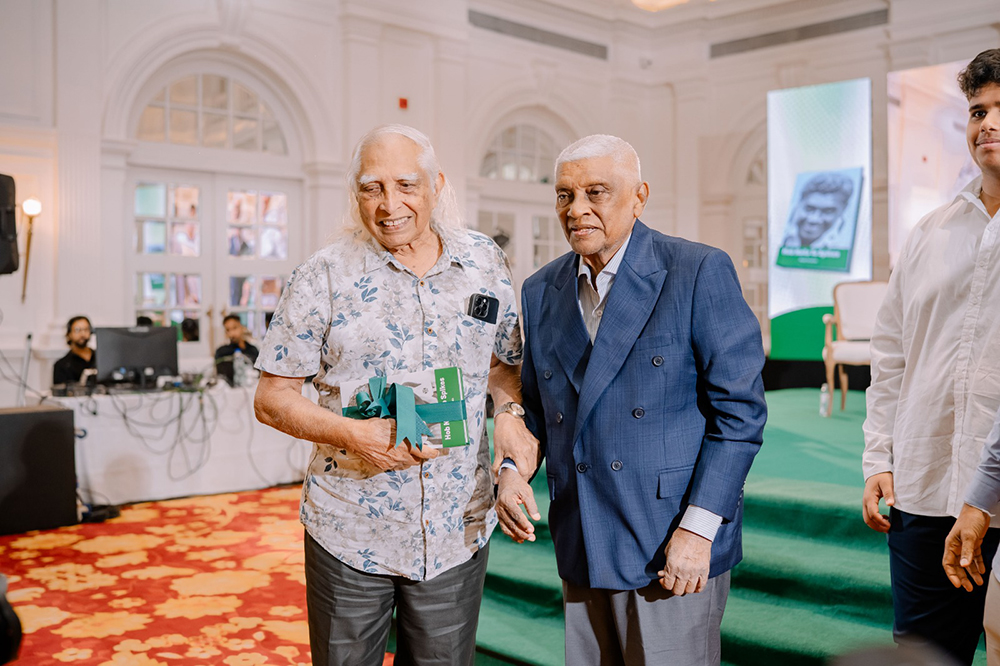
- Book launch, memories and pride displayed – Ranjith and Chandra Schafter
-
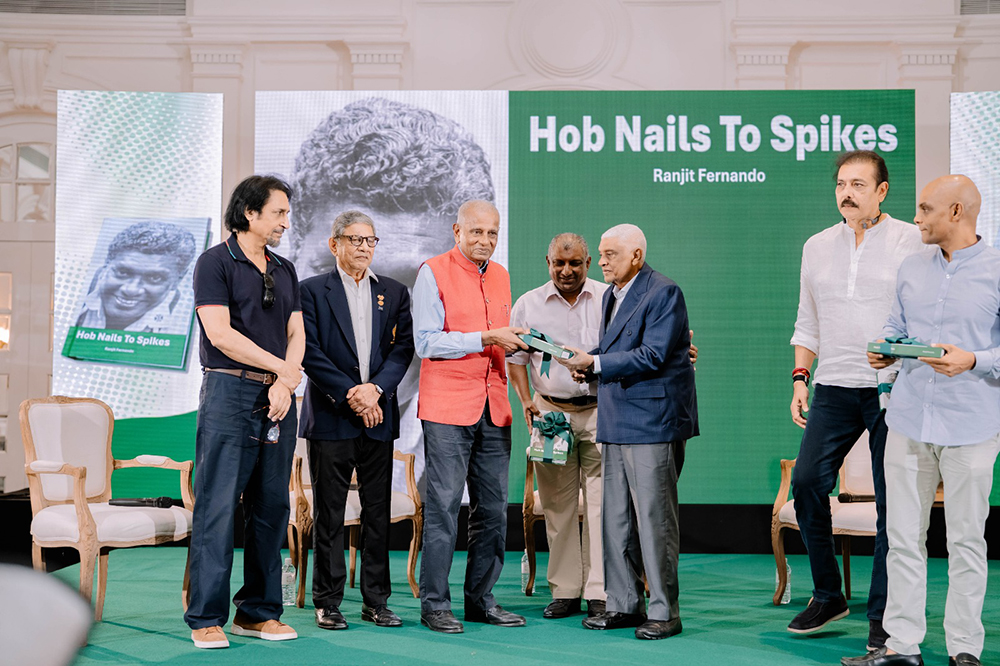
- Stories, memories, cricket – Ranjith has it all in his book
-
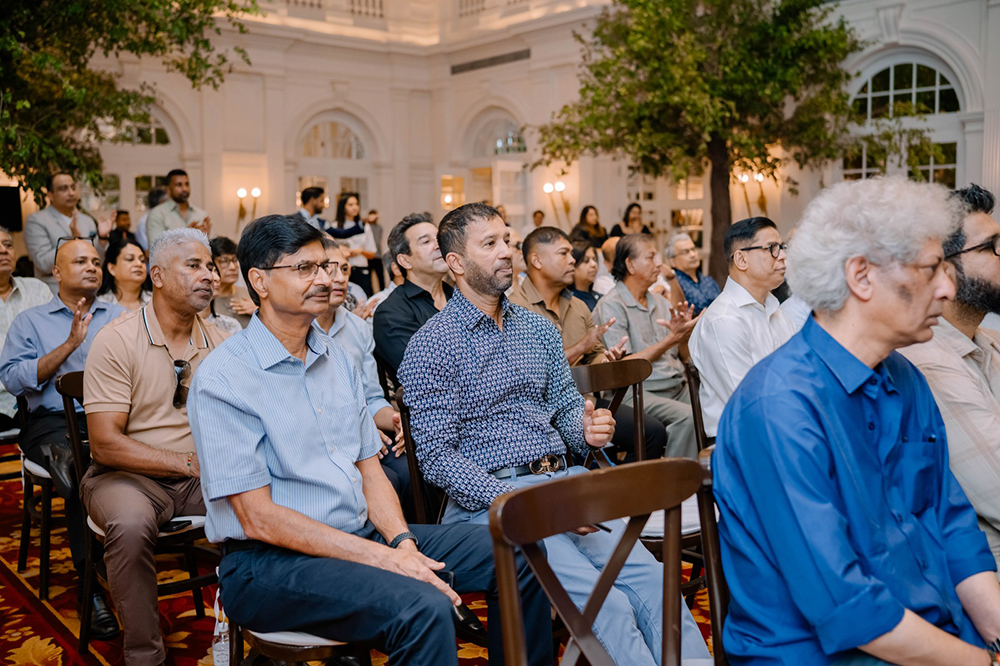
- Brandon kuruppu, Kumar Dharmasena and Chaminda Vas turning moments into memories
-
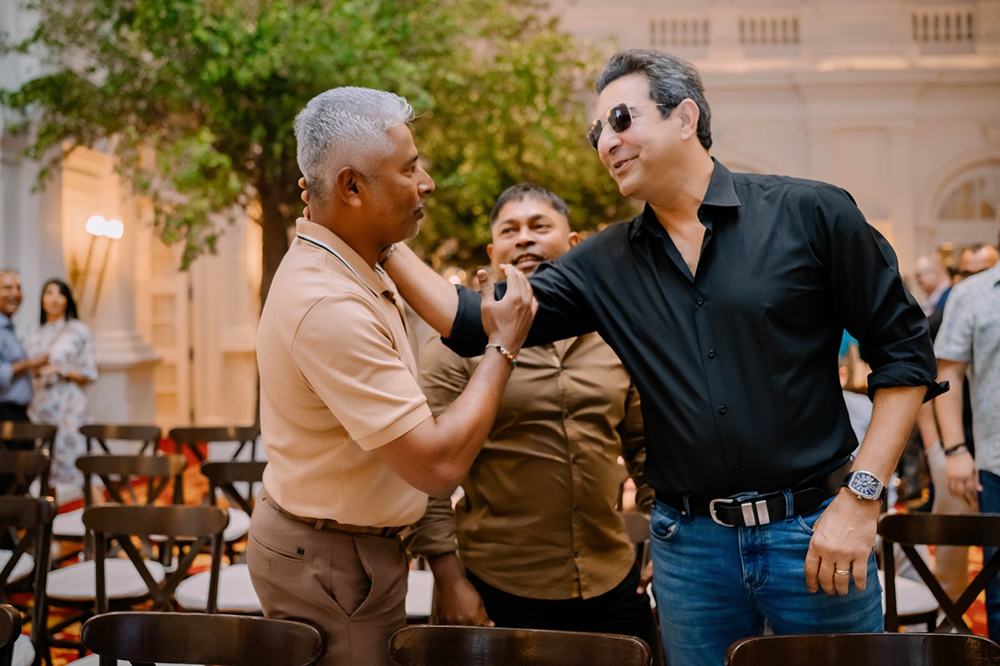
- Chaminda Vas, Romesh Kaluwitharane and Wasim Akram
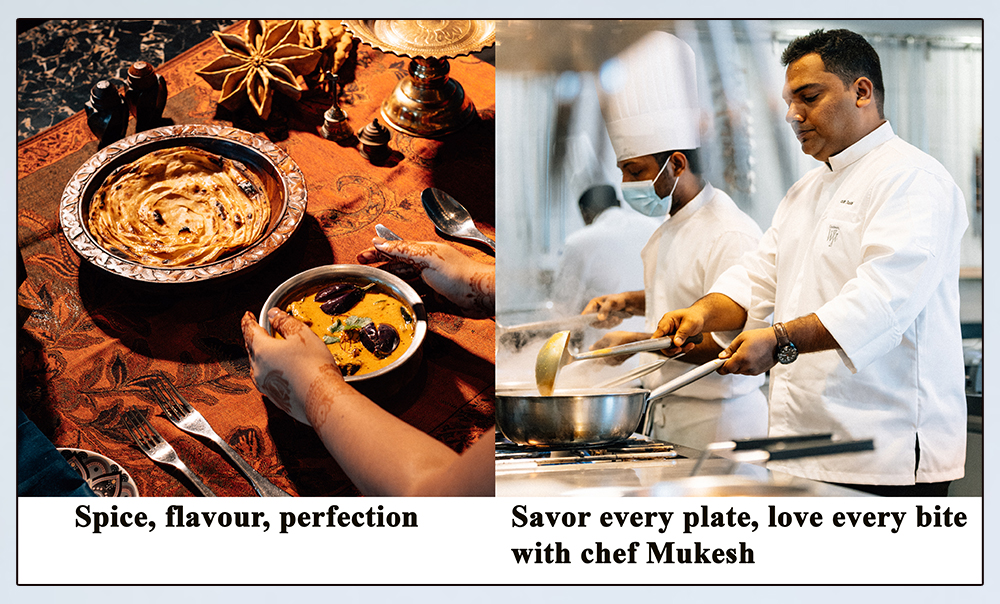
Indiya, the signature Indian restaurant at Cinnamon Life at City of Dreams, enters a new chapter with Chef Mukesh Joshi at the helm. Situated on the spectacular Level 23, the restaurant now offers a dining experience that is as elevated as its views, combining Indian culinary traditions with Sri Lankan influences in a contemporary, family-style format.
Under Chef Mukesh’s leadership, the menu takes guests on a journey across India’s regions. Fragrant rice dishes such as Awadhi Mutton Biryani and Zaffrani Chicken Dum Biryani anchor the experience, while comforting classics like Dal Makhani and Chana Masala bring depth and familiarity to the table. Alongside these are thoughtfully crafted vegetarian preparations, including Kurkuri Bhindi, Hyderabadi Bagara Baingan, and the indulgent Shahi Subz Korma.
The experience unfolds through layers of texture and flavour. Crisp starters such as Sev Papdi Chaat, a generous Pakora Platter, and warming soups set the tone, followed by tandoor-led favourites like Hariyali Tandoori Gobi, Rajma Galouti, and non-vegetarian selections including Jhinga Koliwada, Rawa Fried Surmai, and a classic non-vegetarian Kebab Platter. Freshly baked breads, from Chilli Cheese Naan and flaky Paratha to comforting Aloo Kulcha, arrive ready to be shared.
Seafood and meat preparations showcase Chef Mukesh’s confident spice work and regional storytelling, with dishes such as Jhinga Hara Pyaz, Macchi Malai Curry, Railway Chicken Curry, Kozhi Milagu Fry, Mewari Kheema, and Mutton Bhuna forming the heart of the menu. For those seeking something distinctive, the chef’s special selections, including Tandoori Kaala Jhinga, Pahadi Tandoori Kukkad, Nandu Curry, and the standout Lagoon Jhinga Biryani, offer bold, expressive flavours designed to take centre stage.
The meal concludes on a nostalgic, indulgent note with classic desserts such as Mishti Doi and Kulfi Falooda, bringing warmth and familiarity to the final moments of the dining experience.
Indiya’s new approach moves away from traditional fine dining, focusing instead on bringing people together around the table. Whether it’s a family gathering, a dinner with friends, or a special occasion, the restaurant is designed for connection, conversation, and memorable moments, where every dish reflects care, authenticity, and thoughtful execution.
Chef Mukesh’s career spans India and the UAE, from The Westin and St. Regis Mumbai to Dubai’s India Bistro and Art of Dum, where he led kitchens, designed menus, and executed landmark events. Known for balancing classic flavours with contemporary presentation, Mukesh’s hands-on leadership and commitment to excellence shape every aspect of Indiya, from the ingredients and techniques to the teamwork that brings the dishes to life.
With this new chapter, Indiya offers a dining experience that is vibrant, elevated, and immersive, celebrating Indian cuisine in a way that feels authentic, approachable, and perfectly suited to the city-sized destination of Cinnamon Life at City of Dreams.
-

 News6 days ago
Repatriation of Iranian naval personnel Sri Lanka’s call: Washington
-
 Features6 days ago
Winds of Change:Geopolitics at the crossroads of South and Southeast Asia
-

 News5 days ago
Prof. Dunusinghe warns Lanka at serious risk due to ME war
-

 Sports4 days ago
Royal start favourites in historic Battle of the Blues
-

 Sports3 days ago
The 147th Royal–Thomian and 175 Years of the School by the Sea
-

 News3 days ago
Historic address by BASL President at the Supreme Court of India
-

 News4 days ago
CEBEU warns of operational disruptions amid uncertainty over CEB restructuring
-

 Business4 days ago
BOI launches ‘Invest in Sri Lanka’ forum