
Foreign News
Battling a rare brain-eating disease in an Indian state


On the eve of Onam, the most joyous festival in India’s Kerala state, 45-year-old Sobhana lay shivering in the back of an ambulance, drifting into unconsciousness as her family rushed her to a medical college hospital.
Just days earlier, the Dalit (formerly known as untouchables) woman, who earned her living bottling fruit juices in a village in Malappuram district, had complained of nothing more alarming than dizziness and high blood pressure. Doctors prescribed pills and sent her home. But her condition spiralled with terrifying speed: uneasiness gave way to fever, fever to violent shivers, and on 5 September – the main day of the festival – Sobhana was dead.
The culprit was Naegleria fowleri – commonly known as the brain-eating amoeba – an infection usually contracted through the nose in freshwater and so rare that most doctors never encounter a case in their entire careers. “We were powerless to stop it. We learnt about the disease only after Sobhana’s death,” says Ajitha Kathiradath, a cousin of the victim and a prominent social worker.
In Kerala this year, more than 70 people have been diagnosed and 19 have died from the brain-eating amoeba. Patients have ranged from a three-month-old to a 92-year-old man.
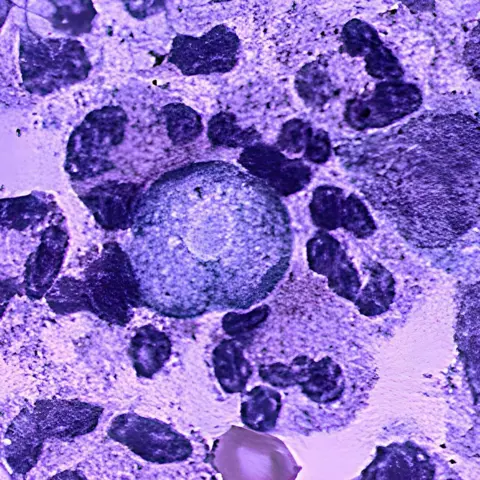
Normally feeding on bacteria in warm freshwater, this single-cell organism causes a near-fatal brain infection, known as primary amoebic meningoencephalitis (PAM). It enters through the nose during swimming and rapidly destroys brain tissue.
Kerala began detecting cases in 2016, just one or two a year, and until recently nearly all were fatal. A new study has found only 488 cases have been reported globally since 1962 – mostly in the US, Pakistan and Australia. And 95% of the victims have died from the disease.
But in Kerala, survival appears to be improving: last year there were 39 cases with a 23% fatality rate and this year, nearly 70 cases have been reported with about 24.5% mortality. Doctors say the rise in numbers reflects better detection, thanks to state-of-the-art labs.
“Cases are rising but deaths are falling. Aggressive testing and early diagnosis have improved survival – a strategy unique to Kerala,” said Aravind Reghukumar, head of infectious diseases at the Medical College and Hospital in Thiruvananthapuram, the state’s capital. Early detection allows customised treatment: a drug cocktail of antimicrobials and steroids targeting the amoeba can save lives.
Scientists have identified around 400 species of free-living amoebae, but only six are known to cause disease in humans – including Naegleria fowleri and Acanthamoeba, both of which can infect the brain. In Kerala, public health laboratories can now detect the five major pathogenic types, officials say.
The southern state’s heavy reliance on groundwater and natural water bodies makes it particularly vulnerable, especially as many ponds and wells are polluted. A small cluster of cases last year, for example, was linked to young men vaping boiled cannabis mixed with pond water – a risky practice that underscores how contaminated water can become a conduit for infection.
Kerala has nearly 5.5 million wells and 55,000 ponds – and millions draw their daily water from wells alone. That sheer ubiquity makes it impossible to treat wells or ponds as simple “risk factors” – they are the backbone of life in the state.
“Some infections have occurred in people bathing in ponds, others from swimming pools, and even through nasal rinsing with water which is a religious ritual. Whether in a polluted pond or a well, the risk is real,” says Anish TS, a leading epidemiologist.

So public health authorities have tried to respond at scale: in a single campaign at the end of August, 2.7 million wells were chlorinated.
Local governments have put up sign boards around ponds warning against bathing or swimming and evoked the Public Health Act to enforce regular chlorination of swimming pools and water tanks. But even with such measures, ponds cannot realistically be chlorinated – fish would die – and policing every village water source in a state of more than 30 million people is unworkable.
Officials now stress awareness over prohibition: households are urged to clean tanks and pools, use clean warm water for nasal ablutions, keep children away from garden sprinklers and avoid unsafe ponds. Swimmers are advised to protect their noses by keeping their heads above water, using nose plugs and avoiding stirring up sediment in stagnant or untreated freshwater.
Yet, striking a balance between educating the public about real risks – of using untreated freshwater – and avoiding fear that could disrupt daily life is challenging. Many say despite guidelines issued for more than a year, enforcement remains patchy.
“This is a difficult problem. In some places [hot springs], signs are posted to warn of the possibility of the amoebae in the water source. This is not practical in most situations since the amoebae can be present in any source of untreated water [lakes, ponds, pools],” Dennis Kyle, a professor of infectious diseases and cellular biology at the University of Georgia, told the BBC.
“In more controlled environments, frequent monitoring for proper chlorination can significantly reduce chances of infection. These include pools, splash pads and other man-made recreational water activities,” he said.

Scientists warn climate change is amplifying the risk: warmer waters, longer summers and rising temperatures create ideal conditions for the amoeba. “Even a 1C rise can trigger its spread in Kerala’s tropical climate and water pollution fuels it further by feeding bacteria the amoeba consumes,” says Prof Anish.
Dr Kyle adds a note of caution, noting that some past cases may simply have gone unrecognised, with the amoeba not identified as the cause.
That uncertainty can make treatment even harder. Current drug cocktails are “sub-optimal,” Dr Kyle explains, adding that in rare survivors, the regimen becomes the standard. “We lack sufficient data to determine if all the drugs are actually helpful or needed.”
Kerala may be catching more patients and saving more lives, but the lesson reaches far beyond its borders. Climate change may be rewriting the map of disease – and even the rarest pathogens may not stay rare for long.
[BBC]

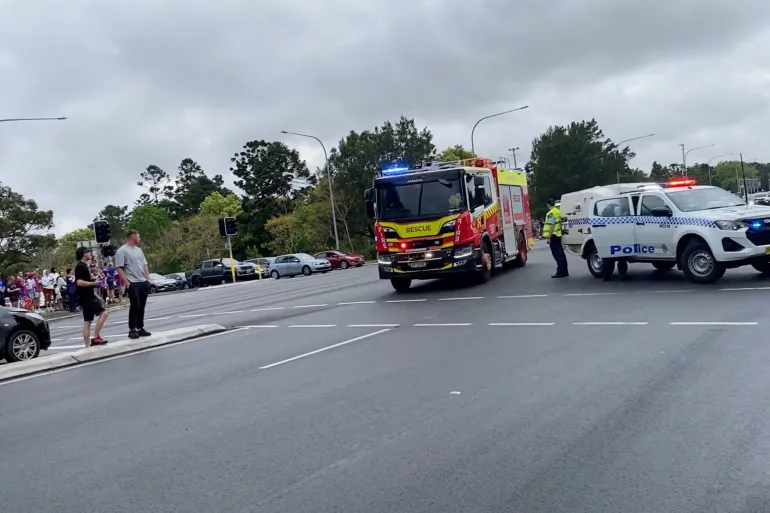
A car has crashed into a crowd of rugby league supporters in the eastern Australian city of Newcastle, injuring 10 people, including three children.
New South Wales police said on Saturday that two of the injured – a five-year-old girl and a 67-year-old man – were in a critical condition and the other eight were in stable condition in hospital.
Police said they had arrested the 18-year-old man driving the vehicle and were investigating what happened. They said the crash was not believed to be related to “terrorism”.
The crowd had gathered to farewell the local rugby league side, the Newcastle Knights, ahead of their grand final against the Sydney Roosters on Sunday.
Newcastle Lord Mayor Gavin Morris said the driver, a rugby league fan, had lost control of his vehicle and had been taken into custody.
“He was revving the car, he was excited, he was a supporter, he was there for the joy of the moment,” Morris told the national broadcaster ABC.
“Somehow he lost control of the car … and he’s gone into the crowd,” he added.
Prime Minister Anthony Albanese said: “My thoughts are with everyone injured or involved in the horrible incident this morning in Newcastle.”
“Rugby league brings people together, and this should have been a weekend of excitement and pride for Newcastle fans,” he wrote in a social media post.
[Aljazeera]
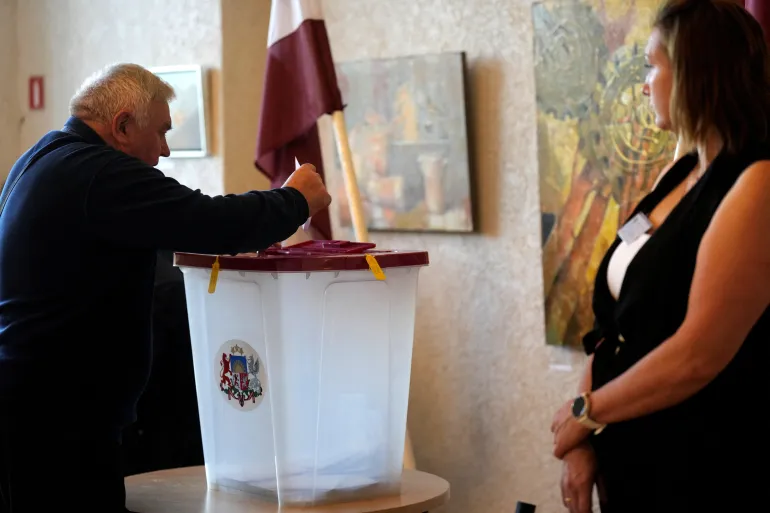
Polls have opened in Latvia for an election taking place against the backdrop of perceived security threats from Russia and a nationwide cost-of-living squeeze.
Saturday’s vote is the first electoral test for Prime Minister Andris Kulbergs after coming to power in May this year when his predecessor resigned due to a backlash from stray drone incursions from Ukraine.
Kulbergs, whose right-wing United List party is currently polling at about 20 percent, is expected to hold onto his position, but the decline of two allies in his current coalition means he is set for a complicated negotiation over the makeup of any future government.
Polls opened at 05:00 GMT and will close at 17:00 GMT. The results are not expected to change Latvia’s pro-European and pro-Ukrainian course.

About 1.5 million people are eligible to vote in the country’s 11th parliamentary election since independence from the Soviet Union in 1991.
Latvian politics are highly fragmented, with parties rarely seeing above 20 percent vote share and coalitions being the norm.
This year, 14 electoral lists are contesting the election, but polls indicate only seven are likely to enter parliament, with the rest expected to fail to meet the minimum 5 percent vote threshold.
Rising living costs, low wages, strains on the healthcare system and long-term population decline have all featured prominently in campaign debates.
Most parties in Latvia are pro-Ukraine; however, the populist Sovereign Power party – which says it wants Ukraine to win but argues money spent supporting Kyiv would be better spent at home – looks likely to become the country’s second-biggest party, with more than 9 percent of the vote. Most other parties have ruled out forming a coalition with Sovereign Power.
Latvia First, a pro-Ukraine and populist nationalist party currently polling at about 9 percent, could be a potential coalition partner for PM Kulbergs.
The Progressives, a pro-European social democratic party, are polling at 6 percent.
Ethnic Russians make up roughly one in four Latvian citizens, but their vote, which has traditionally been cast along identity-based lines, looks set to be made according to economic and social issues.
Latvia is the poorest of the Baltic states, and it has sharply increased its defence spending since Russia invaded Ukraine, now allocating nearly 5 percent of its gross domestic product (GDP) to defence.
[Aljazeera]
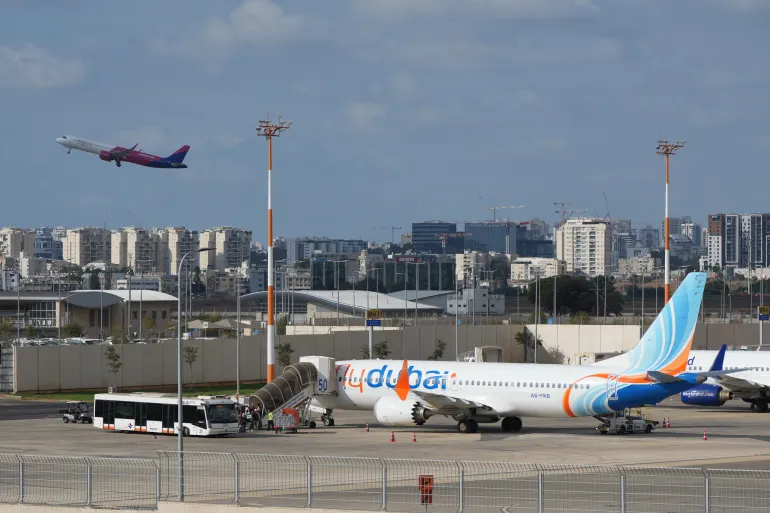
A flight from the United Arab Emirates to Israel was diverted to Saudi Arabia after issuing a distress signal, in what appeared to be a hijacking attempt, on Wednesday.
The Flydubai flight FZ1073 was diverted as it flew from Dubai to Tel Aviv through Jordanian airspace, prompting Israel to deploy warplanes, the Reuters news agency reported.
Israeli Prime Minister Benjamin Netanyahu said one of the pilots had stabbed the other and then tried to crash the plane. He added that Israel was preparing for other “potential threats” after the incident.
There has been no official confirmation of a hijacking attempt, however.
Flydubai said an altercation had occurred on the flight deck and that all passengers were safe and accounted for. The plane was secured by on-duty crew travelling onboard, it added.
At Saudi Arabia’s Tabuk airport, where the plane landed, officials said both the plane’s captain and the first officer had been hospitalised after sustaining injuries. Both were taken to the hospital, according to a statement from the Prince Sultan bin Abdulaziz International Airport in Tabuk carried by the Saudi state-run Alekhbariya television.
The UAE has become a popular vacation destination for Israeli tourists since the countries normalised ties in 2020. Here’s what we know about what happened.
Footage taken onboard the plane appears to show the captain of the aircraft lying on the ground with several stab wounds, and a passenger with a bloody wound to the head.
In another video, passengers weep and cry out in distress as the aircraft shakes.
Yasmin Abukasis, the mother of one of the passengers onboard, said her daughter Miriam thought she was going to die. “The plane started to lose control,” she told journalists at Israel’s Ben Gurion Airport, before other pilots onboard took control of the aircraft.
Flight tracking data indicated the plane descended over 14,000 feet in less than 30 seconds around two and a half hours after leaving Dubai. Flightradar24 said on X that an initial general emergency signal designated by code 7700 was issued at around 05:31 UTC and was later changed to another emergency signal with code 7500 declaring “unlawful interference”.
Passenger Dalia Shpigel told Israeli newspaper Haaretz that some people seated towards the front of the plane broke into the cockpit after the plane began to descend and they realised something was wrong.
“An hour before landing, we felt that there was no control over the plane, that it was starting to jump,” she said. “The guys saw that the plane had begun to dive and broke into the cockpit.”
Netanyahu said he later spoke to one of the Israeli passengers who broke into the cockpit and overpowered one of the pilots who was reportedly trying to sabotage the aircraft’s systems.
“I salute these heroes who demonstrated extraordinary resourcefulness and courage,” Netanyahu said in a statement. “They saved many lives and prevented a major disaster.”
Timeline of events
03:05 – Flight FZ1073 takes off from Dubai05:21 – Altitude fluctuations begin05:22 – Aircraft drops more than 14,000 ft in under 30 seconds05:31 – Signal from aircraft changes to 7700 (general emergency)05:38 – Signal changes to 7500 (unlawful interference)06:45 – Aircraft lands at Tabuk Regional Airport
[Aljazeera]

Landslide Early Warnings issued to the Districts of Kandy, Kegalle, Matale and Ratnapura

No handshakes and a delayed ceremony as India beat Pakistan at Asian Games

Showers or thundershowers will occur in most parts of the island after 1.00 p.m

Lanka enters new phase of prosecutions as hurdles clear

Police warn: Court evaders face property seizure

Nearly 20 Iranian tankers stranded off Lanka amid US sanctions

‘Dates have the highest sugar content to fight Coronavirus’

Sunday Island 27 December – Headlines

#SundayIsland 17th December – Headlines

Sunday Island – 28th March

Sunday Island Headlines – 21 March

Sunday Island – 21st February – Headlines
-

 News6 days ago
Police remove Thileepan statue in Jaffna
-

 Features6 days ago
The 22nd Amendment, constitutional recovery and illiberal slippage
-

 Features6 days ago
Of foreigners as CEOs of Lankan ventures
-

 Latest News4 days ago
Gold winner Tharanga gets brand-new Honda Vezel from SLAAJ
-

 News6 days ago
Sajith rejects Jt. Opp. protest sabotage claim; SJB TU chief demands remedial action
-

 Features4 days ago
Why Sri Lanka needs an Inclusive Civic Nationalism – urgently
-

 News3 days ago
US-assisted ‘Ice’ detection: NPC to examine IGP’s move to transfer drug-busting team
-

 Features5 days ago
Thailand’s biggest new global star …