
Life style
Bacopa (lunuwila) …the smart drug –

by Emme Haddon
Nootropics, from Greek, meaning “mind-turning”, promote both brain function and brain health, protecting against cognitive decline, whilst boosting mental and physical performance. Often referred to as ‘smart drugs’, they can either be synthetic or natural herbal extracts which improve concentration, memory, motivation, attention and promote creativity.
The new millennium ushered in an era of mass brain fascination. In the early 2000s, Ryuta Kawashima’s Train Your Brain: 60 Days to a Better Brain, sold over a million copies in Japan and in 2006 Nintendo’s Brain Age game, advertised with the slogan “Getting the most out of your prefrontal cortex”, sold 120,000 copies in its first three weeks of availability. In 2008, Reuters called brain fitness the “hot industry of the future.”
 In 2011, Bradley Cooper starred in Limitless, a movie about a man who takes a special pill and becomes smarter and more capable than anyone else on Earth. The film mainstreamed the idea of ‘genius in a bottle’ that was taking hold among Silicon Valley biohackers and human optimization zealots.
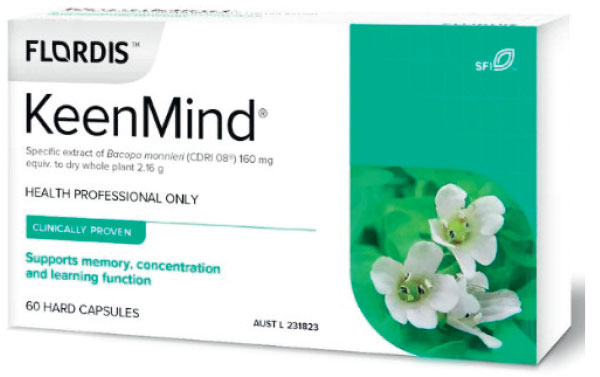
Today the nootropic market is responding to the demand for a “real Limitless pill” from students, programmers, young bankers, entrepreneurs, athletes and senior citizens with products such as BrainGear which promises “a clearer brain today” and “a stronger brain tomorrow,” and KeenMind which supports memory, concentration and learning retention, to stay focused and productive.
A Google search on the best nootropics will bring up Bacopa monnieri, either as an ingredient in a “nootropic stack“, a smart drug containing a combination of brain-boosting ingredients, or as a natural, adaptogenic, nootropic herb which boosts brain function and mental performance. Bacopa monnieri, commonly referred to as bacopa or water hyssop in English, is one of two extremely powerful nootropic herbs, rather confusingly, known as “brahmi” in Sanskrit – the other being gotukola.
Bacopa is known to improve spatial learning, the ability to process information, the ability to retain information, the speed of processing of visual information, memory, learning rate and attention. The bioactive components of bacopa are known to play a significant role in neuroprotection. It is particularly useful in age-related memory impairment and also helps reduce the symptoms of the neuro developmental disorder, ADHD, such as restlessness, poor self-control, inattention, and impulsivity whilst improving cognition.
Numerous double-blind, randomized, placebo-controlled trials studies have demonstrated multiple anti-Alzheimer’s Disease mechanisms: it has been shown to reduce amyloid plaque A?40 & A?42 levels in the brain by approximately 60%, inhibit tau-mediated toxicity, reduce ROS and neuro-inflammation, and improve cognitive and learning behaviour.
It has also demonstrated neuroprotective potential against other disorders including epilepsy, Parkinson’s disease and Huntington’s disease. Bacopa acts as a vasodilator and increases the blood circulation towards the brain with an upsurge in vital nutrients, energy, and oxygen, and mitigates the inflammatory responses and modulate neurotransmitter concentrations in the brain.
Bacopa, known as lunuwila in Sinhala, is a perennial creeping herb that grows in damp soils and marshes in Sri Lanka, India and many other warm, tropical parts of the world. In Sri Lanka it is frequently served in sambols and curries and is available as a fresh cut leaf vegetable in many supermarkets. It is highly revered as an Ayurvedic “medhya rasayana“, a herbal therapeutic that boosts memory, restores cognitive deficits and improve mental function.
It has been used for centuries in many Ayurvedic adaptogenic herbal formulations which support the physical function of the brain and nervous system and to treat conditions such as lack of concentration, anxiety, stress, poor cognition, epilepsy, and loss of memory. It has a bitter – sweet taste and cooling action that balances the pitta dosha and brings strength, tone, and rejuvenation to the circulatory, respiratory and digestive systems.
It is used in the treatment of gout, arthritis, and other inflammatory conditions; for bronchitis, sinusitis, excess mucus and phlegm; and rejuvenates and treats skin conditions such as psoriasis, eczema, abscesses, ulceration and reduces the appearance of scars. It is also a popular hair tonic used to repair damaged hair follicles and to promote hair growth.
In addition to it benefits as a nootropic, research suggests that bacopa’s active class of compounds, bacosides, may also have cancer-fighting properties. Test-tube studies have shown bacosides to inhibit the growth of breast, skin, colon and brain tumor cells. Bacopa helps regulate blood sugar levels, particularly in patients with diabetes, has also been shown to suppress the release of pro-inflammatory cytokines, molecules that stimulate an inflammatory immune response, and inhibits enzymes which play key roles in inflammation and pain. The antioxidant compounds of bacopa strengthen the immune system against bacterial and virus infections and other pathogens.
The nootropic market was valued at USD 2.42 billion in 2020 and is projected to reach USD 6.29 billion by 2028 with entrepreneurs, professionals, senior citizens and students, looking for something to give them the edge needed to perform at their best. The bacopa market size was valued at $315 million in 2019, and is forecast to reach USD 1.08 billion by 2028.
With an increasing ageing population, competition in the workplace and school, there is a huge market potential for bacopa, alone or in combination with other adaptogens and nootropics such as gotukola, tulsi and ashwagandha.



Tourism remains one of the most powerful drivers of economic growth and cultural exchange in Sri Lanka.
As the tourist industry continues its post pandemic recovery and looks toward a more sustainable and innovative future, the role of strategic planning and policy direction has been more important. In this interview Professor Ruwan Ranasinghe, Deputy Minister of Tourism,, and a respected academic in this field shares his insight on the current state of the Sri Lankan tourism industry, emerging trends, challenges facing the sector and the governments vision for positioning Sri Lanka as a leading global destination.
With a vision focused on sustainability, innovation, and destination competitiveness, he is playing a pivottal role in shaping the future of Sri Lanka’s tourism industry. He shares his insights on the opportunities, challeges,and strategic direction of tourism in the years ahead. A first class graduate of Rajarata University and holds an MBA and a doctorate from Sichuan University, China. He launched Sri Lanka’s first Tourism and Hospitality Management degree at Uva Wellassa , endorsed by the UNWTO.
Excerpts of the interview.
(Q) Are you seeing a decline in visitors in Sri Lanka due to geo-political tensions?What segments of the tourism industry are most affected: luxury, leisure or group travel?
(A) Sri Lanka has not experienced a dramatic decline in arrivals, overall, but global geopolitical tensions do influence travel sentiment. The most affected segments are group travel and leisure tourism, as these travellers are more sensitive to perceptions of safety. Luxury tourism remains comparatively resilient, with high-end visitors continuing to seek curated, exclusive experiences.
(Q) Is Sri Lanka experiencing cancellations or postponements from travellers in conflicted zones? Are hotels and resorts reporting reduced occupancy linked to uncertainty in the region?
(A) Yes, there have been cancellations and postponements from travellers originating in conflict affected regions, particularly the Middle East. Some hotels and resorts have reported reduced occupancy during peak uncertainty periods. However, arrivals from other regions remain strong, balancing the overall impact.
(Q) What measures is the Sri Lankan tourism sector taking to mitigate the impact of local stability?
(A) The Ministry has adopted a proactive approach:
Transparent communication through embassies, airlines, and official tourism portals.
Safety protocols coordinated with law enforcement and emergency services.
Marketing resilience campaigns highlighting Sri Lanka’s stability and diverse attractions.
Stakeholder engagement with hoteliers, tour operators, and airlines to align strategies.
(Q) Do you expect a short-term disruption or long-term impact on Sri Lanka’s tourism growth?
Are you seeing early warning signs such as cancellations, reduced flight bookings or shorter stays?
(A) We anticipate short-term disruptions rather than long term setbacks. Early warning signs such as reduced flight bookings and shorter stays are being monitored. However, Sri Lanka’s fundamentals — diverse attractions, strong hospitality, and cultural authenticity — remain intact, ensuring recovery once tensions ease.
(Q) Boutique luxury tourism is often seen as niche – how central is it to Sri Lanka’s overall tourism strategy right now?
(A) Boutique luxury is central to our tourism strategy. It attracts high value travellers who contribute significantly to foreign exchange earnings while demanding sustainable, authentic experiences. This segment also diversifies our tourism portfolio beyond mass tourism, making the industry more resilient.
(Q) How is the government defining boutique luxury in Sri Lankan context?
(A) Boutique luxury in Sri Lanka is defined by personalised, small scale experiences rooted in cultural and natural heritage. It emphasises exclusivity, authenticity, and sustainability rather than sheer opulence, offering intimate stays in properties that reflect local architecture and traditions.
(Q) What makes Sri Lanka uniquely competitive in boutique luxury compared to destinations like the Maldives, Thailand and Bali?
(A) Sri Lanka’s strength lies in its diversity. Unlike the Maldives, which is primarily a beach destination, or Bali and Thailand, which focus heavily on wellness and nightlife, Sri Lanka offers a multifaceted experience: pristine beaches, UNESCO heritage sites, wildlife safaris, tea plantations, and Ayurveda wellness — all within short travel distances. This variety, combined with boutique hospitality, makes us uniquely competitive.
(Q) How do you balance encouraging foreign investment while preserving Sri Lanka’s cultural authenticity?
(A) We welcome foreign investment but ensure it aligns with our cultural identity. Guidelines require investors to integrate local design, employ Sri Lankan staff, and source materials locally. This ensures development enhances our heritage rather than dilutes it, creating partnerships that benefit both investors and communities.
(Q) Boutique luxury often interacts with sustainability – how is the Ministry ensuring that growth in this segment benefits local communities?
(A) The Ministry ensures boutique luxury growth benefits communities by:
Promoting local sourcing of food, crafts, and services.
Supporting eco friendly construction and operations in boutique resorts.
Encouraging community-based tourism initiatives where locals directly participate in guiding, hosting, and cultural performances.
(Q) How do you retain skilled hospitality professionals within Sri Lanka?
(A) Retention is achieved through:
Competitive compensation aligned with international standards.
Continuous training programmes in partnership with global hospitality schools.
Career pathways that allow professionals to grow within Sri Lanka.
Recognition programmes to celebrate excellence in service.
(Q) Where do you see Sri Lanka’s boutique luxury tourism sector in the next five years?
(A)In the next five years, Sri Lanka aims to be recognised as a regional leader in boutique luxury tourism. We envision a network of boutique properties integrated into cultural and ecological landscapes, offering world class service while maintaining authenticity. This sector will be a key driver of sustainable growth and foreign exchange earnings.
(Q) What markets are you targeting for boutique luxury tours?
(A) We are targeting highspending travellers from Europe, North America, and East Asia. These markets value exclusivity, sustainability, and authenticity — qualities that Sri Lanka’s boutique luxury sector embodies. We are also exploring niche markets such as wellness travellers and cultural enthusiasts.
(Q) How has the ongoing conflict between Iran and Israel affected overall tourism arrivals in Sri Lanka?
(A) The ongoing conflict has created uncertainty in global travel, particularly in the Middle East. While Sri Lanka has not experienced a dramatic decline, arrivals from conflict adjacent regions have slowed. To mitigate this, we are diversifying source markets, strengthening promotions in Europe and Asia, and reassuring travellers through diplomatic channels and tourism partners.
By Zanita Careem ✍️
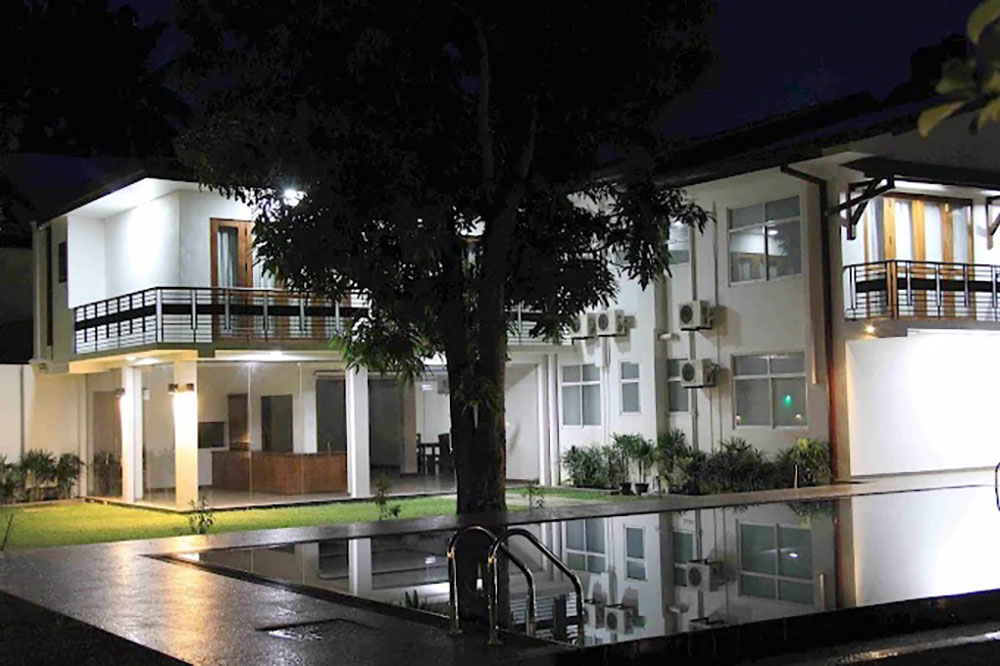
As Sri Lanka’s southern tourism corridor continues to attract travellers from across the globe, Serenity Tissa stands out as a destination where comfort, culture and nature come together in perfect harmony, offering guests an unforgettable journey into the soul of the island, southern heritage.
While many visitors journey through the Cultural Triangle in search of the Island’s ancient treasures, Tissamaharama itself stands as a destination rich in history, culture and natural beauty.
Set amidst this historic landscape of Tissamaharama, Serenity Tissa offers a unique retreat in the cradle of Southern Civilisation .
Nestled in the historic heartland of Tissamaharama Serenity Tissa offers far more than a comfortable stay, it delivers an experience deeply rooted in Sri Lanka’s Southern charm, cultured heritage and natural beauty.
Surrounded by the tranquil atmosphere of Tissa Wewa and located within easy reach of the famed Yala National Park, the boutique-style property has steadily earned a reputation among both local and international travellers seeking serenity, comfort and authentic Southern hospitality. Build on the grounds of an ancestral home, once owned by Patric De Silva, Serenity Tissa gracefully blends the warmth of a family residence with the conversion to a modern boutique-style hotel. Fortress inspired architecture, lush mango tress and peaceful open space create a welcoming retreat for travellers eager to explore the cultural and wildlife treasures of Sri Lanka’s deep South.
The hotel’s strategic location places guest close to some of the regions most treasured landmarks, including Yala and Bundala National Park, Tissamaharama Raja Maha Vihara, Kirinda Temple, Yatala Vihara and Sandagari Stupa, to mention a few.
-
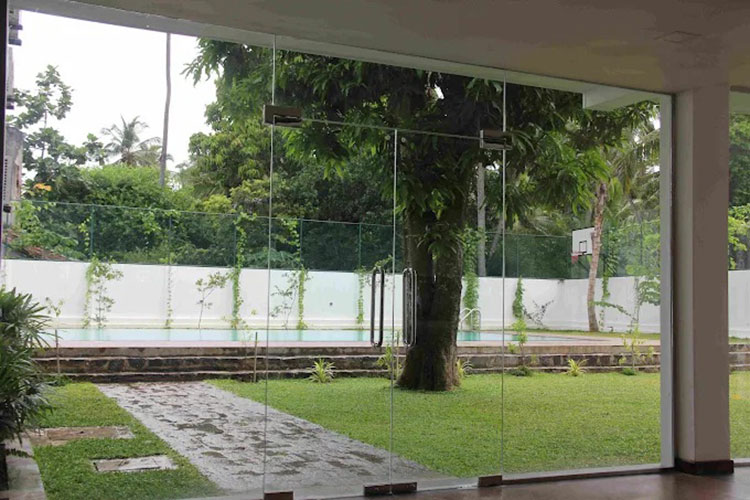
- Beautiful blend of nature, comfort and hospitality
-
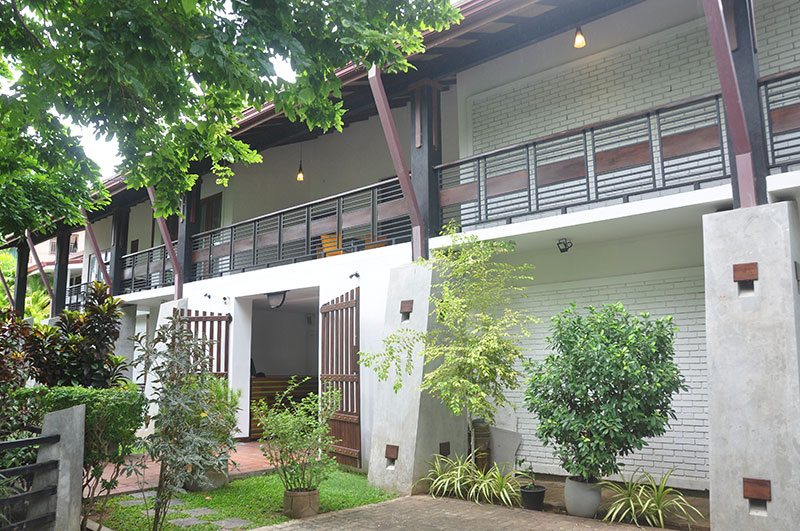
- Sanctuary of calm and rejuvention, offers the perfect escape
-
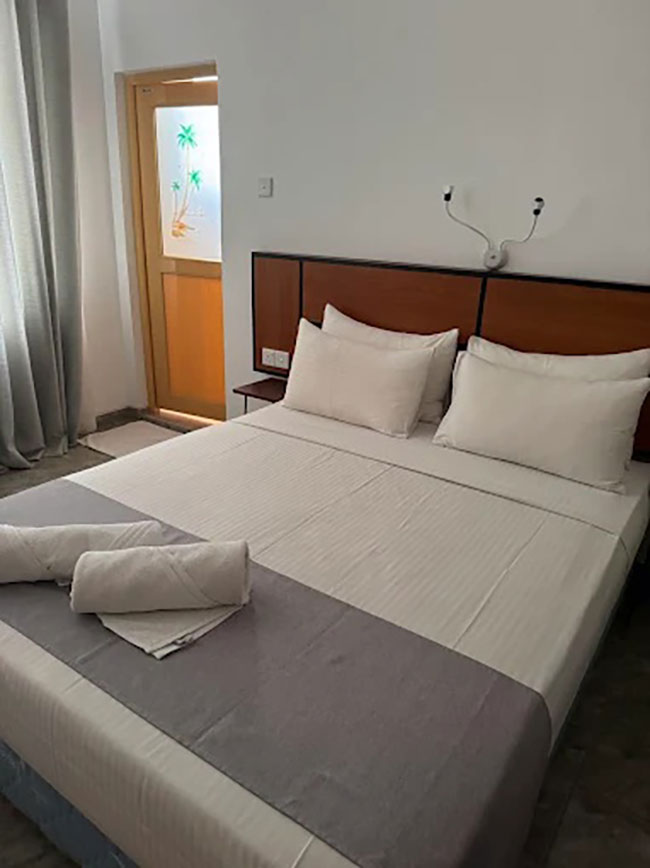
- Elegantly designed for comfort
-
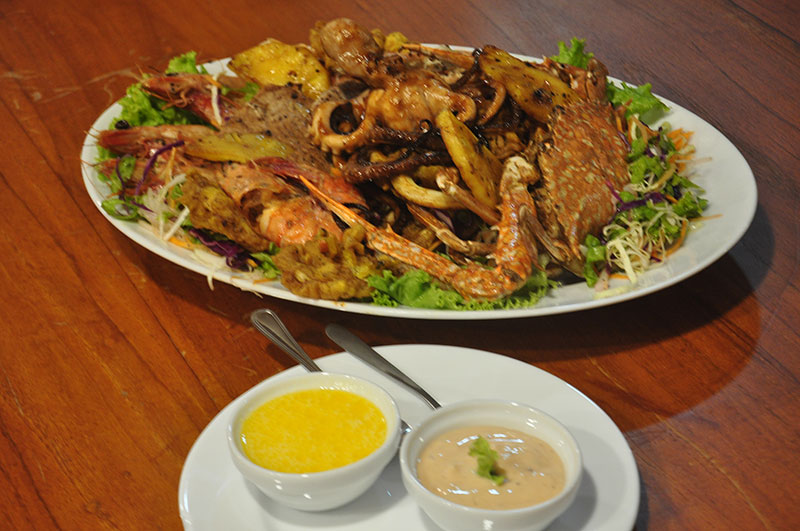
- Authentic Sri Lankan flavours
For adventure seeking, safari excursions this place remains a major attraction, while those seeking relaxation they can simply unwind besides the hotel’s swimming pool or enjoy the calm beauty of the surrounding landscape. Serenity Tissa rooms are designed with simplicity and comfort in mind, offering a range of accommodation options suitable for couples, families and groups.
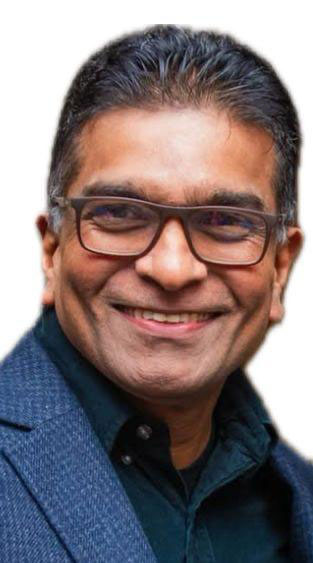
Managing Director Ajith de Silva dedication and commitment
Spacious interiors and warm hospitality have consistently drawn praises from guests from around the world. Dining at the hotel is another memorable highlight. The open air restaurant celebrates the bold and aesthetic flavours of Southern Sri Lankan cuisines with dishes inspired by coastal traditions and local village, kitchens. Fresh sea food delicacies, rich curries and fragrant spices combine to create a culinary experiences that reflects the region’s vibrant food culture. The executive chef Rushira, who has years of experience, said ‘At Serenity Tissa Southern hospitality with refined experience, inspired by Sri Lankan rich cultural and culinary heritage is bought to life in all our dishes. Ambul Thiyal. mouthwatering pol sambol, sea food kottu, all reflecting bold flavours of the south. The use of coconut milk, aromatic spices, creates a memorable culinary journey that introduce visitors to the local tastes.
His passion for authentic Southern Sri Lankan cuisine shines though every dish, offering guests an unforgettable experience. Under the leadership of the Managing Director Ajith de Silva, he has played a pivotal role in tranforning a family inspired hospitality, into one of Tissamaharama’s most welcoming boutique destinations.
Guided by his vision Serenity Tissa has emerged as a distinctive hospitality destination in Sri Lanka’s southern vision, offering the warm and personalised hospitality for which Serenity Tissa is renowned for. Frequently praised by guests, numerous reviews full attention, memorable guests experiences makes it a preferred choice for travellers exploring the historic attractions of the region
What is so special about Serenity Tissa is the personalised hospitality, numerous traveller reviews, dedication of the staff, a blend of warm Sri Lankan hospitality personalised services and authentic local experiences.
Ajith de Silva’s vision has helped position the property as a preferred base for travellers exploring the cultural and natural wonders of Tissamaharama Hotel The Manager Thushara Samarasuriya whose dedication and attention in detail have also contributed significantly to the hotel’s reputation for excellence.
Serenity Tissa offers a gateway to the history, culture and natural wonders of Southern Sri Lanka Under the guidance of its dedicated team, Serenity Tissa continues to create lasting memories for guests from around the world.
By Zanita Careem ✍️

Tiesh Sri Lanka, renowned for its exceptional craftsmanship, timeless elegance, and celebration of Sri Lankan gemstones, has appointed Sabina Yousaf as the newest face of the brand. The partnership marks a significant milestone for both Tiesh and Sabina, uniting two names that embody grace, sophistication, and a deep appreciation for heritage and craftsmanship.
Sabina Yousaf recently brought pride to Sri Lanka on the global stage when she was crowned Second Runner-Up at the 41st Mrs World pageant. As the reigning Mrs World Sri Lanka, she has captivated audiences locally and internationally with her poise, intelligence, and charisma, becoming an inspiring figure admired by many across the country.
A successful businesswoman and passionate advocate for community empowerment, Sabina’s values closely align with the philosophy of Tiesh. Her commitment to giving back to society reflects the principles long championed by Founder and Managing Director of Tiesh, Lasantha De Fonseka, who has consistently emphasised compassion, generosity, and supporting communities, values that have also been instilled in the next generation of the brand, Thiyasha and Ayesh De Fonseka.
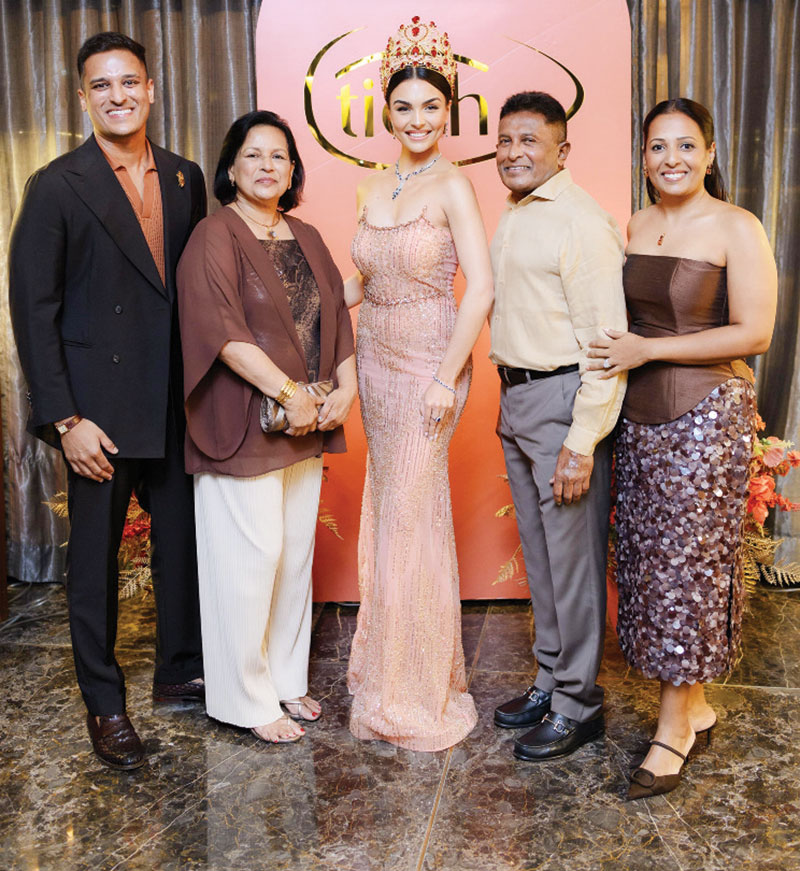
Sabina with the Directors of Tiesh (From Left): Thiyasha, Lasantha, Bryony, and Ayesh De Fonseka

Thiyasha and Ayesh – passionate about thier business
With a legacy spanning over two decades, Tiesh Sri Lanka has established itself as one of the country’s leading jewellery brands, celebrated for blending contemporary elegance with the natural beauty of Sri Lankan gemstones. Beyond jewellery, the brand has become a destination that educates and inspires, offering customers an appreciation of fine craftsmanship, artistry, and heritage.
Renowned for its dedication to excellence, Tiesh continues to uphold its legacy of creating jewellery that epitomises luxury, sophistication, and meticulous attention to detail. Every creation is thoughtfully designed and expertly crafted by skilled local artisans using the finest precious stones, reflecting the brand’s unwavering commitment to quality and authenticity.
Commenting on the collaboration, Founder and Managing Director of Tiesh, Lasantha De Fonseka stated, “Sabina embodies everything that Tiesh stands for: elegance, confidence, authenticity, and grace. Her inspiring journey, both nationally and internationally, resonates strongly with our values as a brand. We are delighted to welcome her into the Tiesh family as she represents the spirit of the modern Sri Lankan woman with remarkable strength and sophistication.”
Tiesh Director, Ayesh De Fonseka added, “We are incredibly excited to have Sabina as the face of Tiesh. She is admired both locally and internationally, and her presence brings a fresh sense of modern femininity and confidence to the brand. This partnership reflects our vision of positioning Tiesh on a greater global platform while remaining deeply rooted in Sri Lankan heritage and craftsmanship.”
Speaking on the partnership, Sabina Yousaf expressed her admiration for the brand and the significance of becoming its newest ambassador.
“For me, Tiesh is far more than a jewellery brand. It represents history, artistry, and an enduring passion for craftsmanship. What makes Tiesh truly exceptional is its deep connection to the heritage of Sri Lankan gemstones and the incredible artistry behind every creation. Each piece reflects elegance, individuality, and timeless beauty,” she said.
“This collaboration feels incredibly meaningful because the brand aligns so naturally with my own personal style, values, and appreciation for authenticity. I am genuinely grateful for the opportunity to work with a brand that I deeply admire and respect.”
She further added, “Jewellery, to me, is a powerful form of self-expression. It reflects individuality, personality, and confidence. The pieces we choose often tell a story about who we are, and I believe jewellery has the ability not only to elevate one’s style, but also to inspire confidence and presence.”
The collaboration between Tiesh and Sabina Yousaf symbolises a shared vision of elegance, empowerment, and timeless beauty. As the brand continues to evolve while honouring its rich legacy, this partnership further strengthens Tiesh’s position as a leading name in contemporary luxury jewellery. (ZC)

Special Dengue Prevention Week declared in Colombo District from June 15 to 21

The leader of the indigenous Vedda community Uru Warige Wannila Aththo Meets Prime Minister Dr. Harini Amarasuriya

SpaceX IPO debuts in US markets, Musk becomes world’s first trillionaire

Fans on concourses instead of in seats, claims FIFA

Co-hosts Canada begin 2026 World Cup campaign with a draw against Bosnia-Herzegovina.

Showers will occur at times in the Western, Sabaragamuwa and North-western provinces and in Galle, Matara, Kandy and Nuwara-Eliya districts

‘Dates have the highest sugar content to fight Coronavirus’

Sunday Island 27 December – Headlines

#SundayIsland 17th December – Headlines

Sunday Island – 28th March

Sunday Island Headlines – 21 March

Sunday Island – 21st February – Headlines
-

 News6 days ago
Women’s T20 World Cup 2026 warm-up: Chamari Athapaththu’s 94 helps Sri Lanka beat Pakistan
-

 News6 days ago
Lankan-Canadian inducted to Toronto Sports Hall of Fame
-

 Editorial5 days ago
Probe Sallay’s complaint
-
 News3 days ago
Local firms move millions of dollars overseas for phantom imports: Govt.
-

 Editorial6 days ago
Prez in the dock
-

 Features6 days ago
Entering MIT for my Ph.D program, coping with harsh Boston winter and breasting the tape
-
 Midweek Review3 days ago
July 09: An inexcusable overall security failure and exceptional contingency plan
-

 News1 day ago
CIABOC summons Yoshitha over his participation in British Navy training programme