
Latest News
Asia Cup 2025: Kusal Mendis, Nuwan Thushara knock Afghanistan out

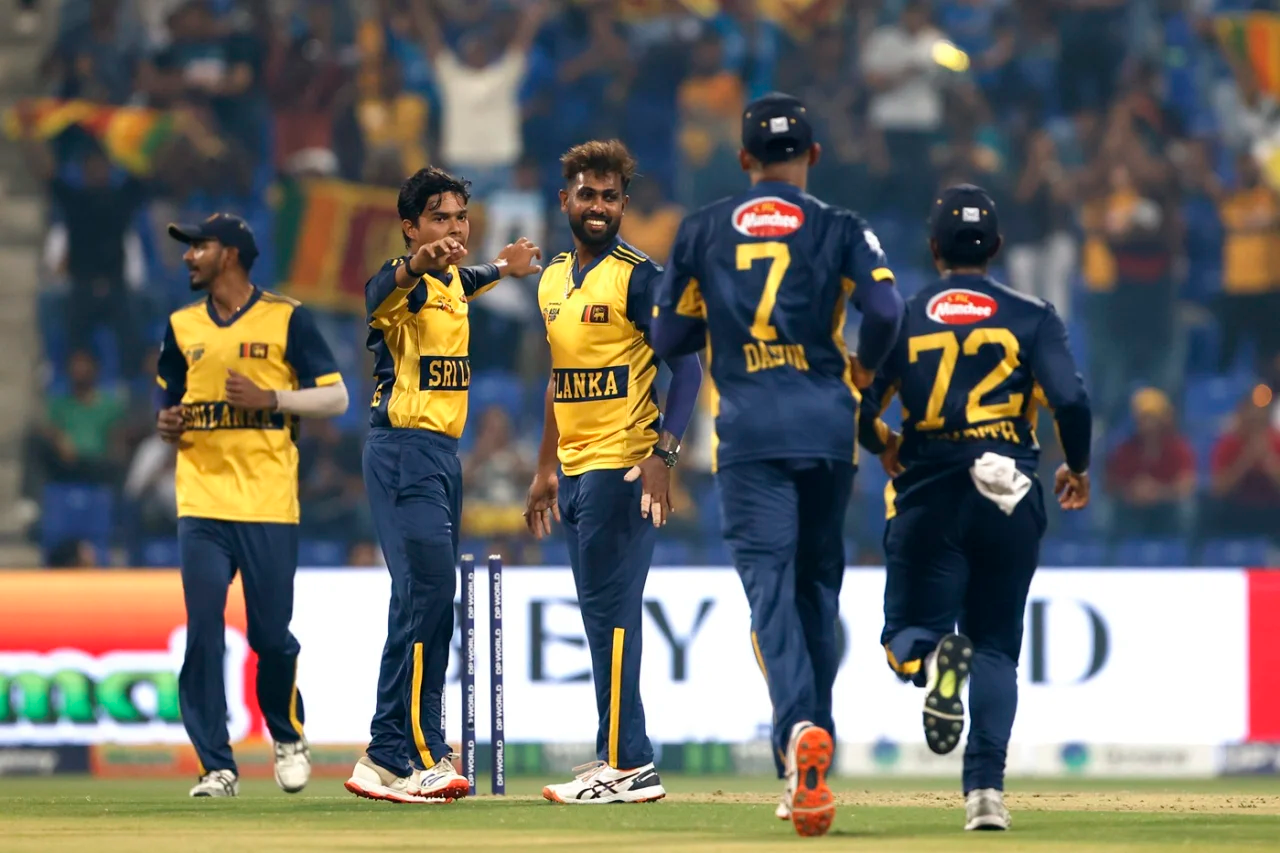
Kusal Mendis ensured Sri Lanka’s 100% record through the group stage as his unbeaten 74 off 52 trumped Mohammad Nabi’s outrageous 60 off 22 for a six-wicket win against Afghanistan. The result means Bangladesh also qualify with a second place in group B.
Kusal was crucial to the chase with his ability to navigate Afghanistan’s variety of spinners – courtesy of well-executed sweeps and pulls – proving crucial in Sri Lanka running down a tricky target with eight deliveries to spare.
Kusal was therefore the common denominator in a string of partnerships – 22, 25, 45, 27 and 52* – as Sri Lanka put aside a potentially momentum-shifting cameo from Nabi.
Nabi had earlier resurrected the Afghanistan innings, striking five sixes in the final over bowled by left-arm spinner Dunith Wellalage, who had been drafted in to this game ahead of Maheesh Theekshana. Prior to that, Dushmantha Chameera had been taken for 17 runs in the penultimate over of the innings, meaning Afghanistan struck 49 in the last two overs to give their total a monster boost.
Up until that point, though, Sri Lanka had dominated proceedings, with Nuwan Thushara, in particular, shining with figures of 4 for 18. It was a performance worthy of a win, and so it proved in the end.
Losing Pathum Nissanka early was not ideal, nor was Kamil Mishara falling in the powerplay. But Kusal ensured that he took on the scoring burden and kept Sri Lanka in the chase with timely boundaries through the middle overs.
However, nerves still remained with Sri Lanka needing 48 off the last five overs. It was here that Kusal was joined by the other Mendis in the side – Kamindu – who once more showed off his capabilities as a finisher.
Kamindu struck two pivotal sixes – one each off Noor Ahmad and Fazalhaq Farooqi – to take the pressure off his senior compatriot and finished unbeaten on 26 off 13. It meant Kusal rarely had to shift gears, even at the death, as Sri Lanka ran down the target with ease.
Starting left-arm spin-bowling allrounder Wellalage over Theekshana was a call presumably predicated on the idea that Afghanistan had ten right-handers in their batting line-up, while also a move that simultaneously lengthened the batting and improved the fielding.
As things transpired, though, Wellalage was not needed with the bat, while he dropped Nabi on 5. But more pertinently, so effective were Sri Lanka’s strike bowlers – particularly Thushara – that Charith Asalanka decided that it was worth the gamble to bowl his main bowlers out early in the hopes of picking up wickets sooner rather than later.
And the plan worked – to an extent. Thushara bowled three overs in the powerplay, picked up three wickets in that period, before getting a fourth at the death. Chameera bowled well, but was unlucky to go for 50 runs in his four overs – the most expensive spell of his career. Dasun Shanaka, nominally the fifth bowler, got away with 29 runs in his four overs, while Hasaranga gave away just 18 in four wicketless overs.
Even Wellalage had given away just 17 up until his last over. For Nabi, a fantastic hitter of spin, this was an ideal match-up and he took on Wellalage in epic fashion. Five sixes in the V saw 32 come off that final over – and with it gave Afghanistan hope.
It’s unfortunate that many will remember Wellalage for that final over, because up until then, he, along with the rest of the Sri Lanka bowlers, had kept Afghanistan quiet right through their innings.
Thushara was the star, taking three in the powerplay with his outswingers to the right-handers, and one searing in swinger to left-hander Sediqullah Atal.
Asalanka smartly got through his fifth bowler quota with Shanaka in the middle overs as Afghanistan sought to consolidate, though it was that extra over from Thushara in the powerplay that proved decisive in the end as it meant Wellalage wound up having to bowl to Nabi in the final over – a strategy rarely, if ever, employed by a Sri Lanka side in recent years.
Fortunately for Wellalage and Sri Lanka, it mattered little once all the chips were counted.
Brief scores:
Sri Lanka 171 for 4 (Kusal Mendis 74*, Kusal Perera 28, Charith Asalanka 17, Kamindu Mendis 26*; Mujeeb Ur Rahman 1-42, Azmatullah Omarzai 1-10, Mohammad Nabi 1-20, Noor Ahmad 1-37) beat Afghanistan 169 for 8 in 20 overs (Rahmanullah Gurbaz 14, Sadiqullah Atal 18, Ibrahim Zadran 24, Mohammad Nabi 60, Rashid Khan 24; Nuwan Thushara 4-18, Dushmantha Chameera 1-50, Dunith Wellalage 1-49, Dasun Shanaka 1-29) by six wickets
[Cricinfo]




Latest News
Showers above 100 mm are likely at some places in the Western, Sabaragamuwa, Central, Uva and Southern provinces and in Anuradhapura district

WEATHER FORECAST FOR 08 OCTOBER 2026
Issued at 05.30 a.m. on 08 October 2026 by the Department of Meteorology
Misty conditions can be expected at some places in the Western, Sabaragamuwa, Central and Uva provinces and in Galle and Matara districts during the early hours of the morning.
Showers or thundershowers will occur in the most part of the island after 1.00 p.m. Heavy showers above 100 mm are likely at some places in Western, Sabaragamuwa, Central, Uva and Southern provinces and in Anuradhapura district.
The general public is kindly requested to take adequate precautions to minimize damage caused by temporary localized strong winds and lightning during thundershowers.

Former first lady Shiranthi Rajapaksa, wife of former President Mahinda Rajapaksa was produced before the Hulftsdorp court, after being arrested by officers of the Commission to Investigate Allegations of Bribery or Corruption (CIABOC) and produce
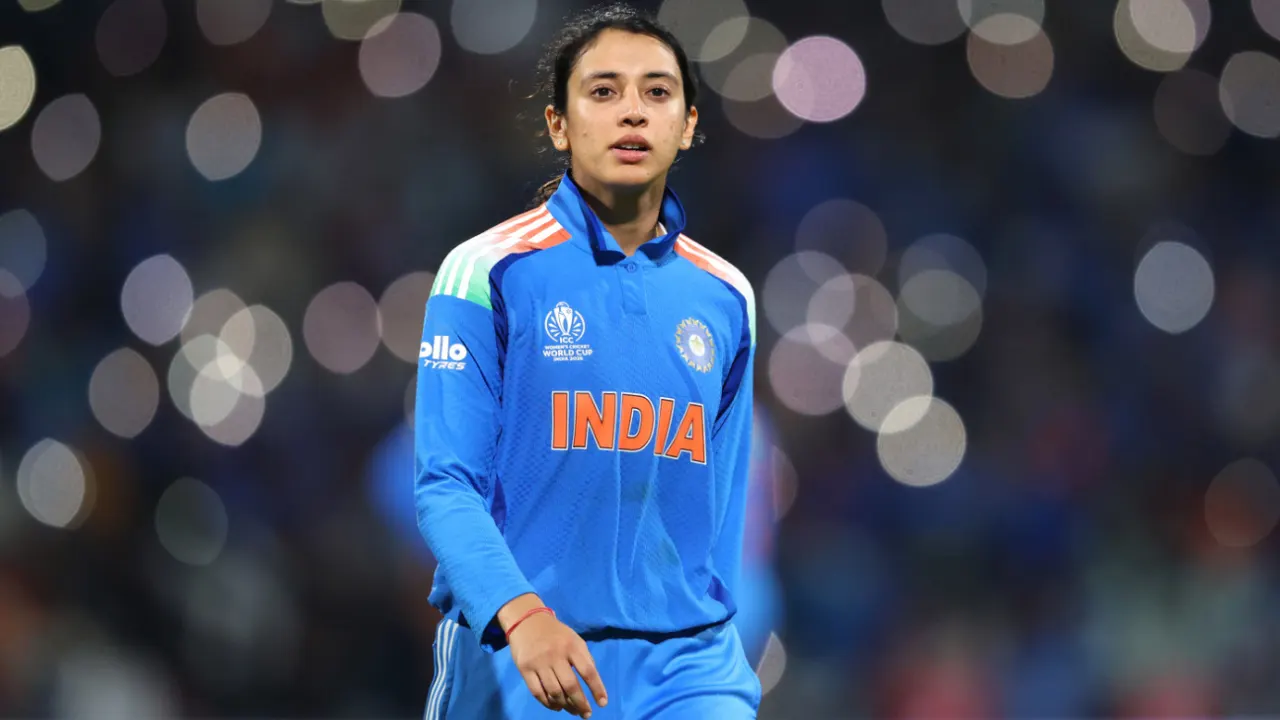
Smriti Mandhana has been named India’s all-format women’s captain on the same day Harmanpreet Kaur stepped down from the role after nearly a decade since she first took over.
Mandhana – vice-captain to Harmanpreet for much of this period – has previously led India in four ODIs and 18 T20Is, apart from captaining Maharashtra in domestic cricket and Royal Challengers Bengaluru in the Women’s Premier League.
Mandhana’s first assignment will be the limited-overs series against Zimbabwe beginning with the three T20Is in Raipur from October 16. On Tuesday, Mandhana was part of the selection meeting chaired by Amita Sharma to pick the squad for the tour.
Terming the appointment a “special honour”, Mandhana also acknowledged the contributions of her predecessor in her welcome note.
“I would also like to acknowledge Harmanpreet and the contribution she has made as captain over the years,” she was quoted as saying by the BCCI. “She has led the team with great commitment and has been an important part of our journey.
“I understand the responsibility that comes with this role and look forward to working with the team, learning along the way and giving my best to take Indian cricket forward.”
Mandhana’s appointment comes on the back of a review meeting held on Monday in Guwahati. Chaired by secretary Devajit Saikia, the meeting was also attended by Mandhana, Harmanpreet and head coach Amol Muzumdar to chart a roadmap forward, with an eye on next year’s inaugural Women’s Champions Trophy in February as well as the T20 World Cup and Los Angeles Olympics in 2028.
Mandhana, India’s best all-format batter, has been knocking on the doors for a while. Earlier this year, she led RCB to their second WPL title, in which she also top-scored in the final.
In September, she overtook Mithali Raj to become the leading run-scorer in women’s international across formats. Her 18 international hundreds are also the most in women’s cricket. She is also the first Indian woman to score centuries in all formats.
[Cricinfo]

Showers or thundershowers will occur in most part of the island after 1.00 p.m.

Removing monk’s robes matter for Sangha to decide: Mahanayake Theras

NDB fraud Rs 60mn more than reported

President orders review of laws on treatment of imprisoned monks

BHC, Colombo: “LTTE remains a proscribed org. in the UK”

Sri Lanka runs out of essential anti-TB medicines, India comes to rescue

‘Dates have the highest sugar content to fight Coronavirus’

Sunday Island 27 December – Headlines

#SundayIsland 17th December – Headlines

Sunday Island – 28th March

Sunday Island Headlines – 21 March

Sunday Island – 21st February – Headlines
-

 Features5 days ago
The first woman in the foreign service or Ceylon Overseas Service it was then called
-

 Editorial6 days ago
Fuelling discontent and protest
-

 News4 days ago
Geneva takes up Sallay’s case and govt. ignores opportunity to answer accusations
-

 Foreign News6 days ago
Ten injured after car crashes into rugby supporters in Australia
-

 Latest News6 days ago
Tharindu Rathnayake, bowlers secure Asian Games Bronze for Sri Lanka
-

 News5 days ago
Nearly 20 Iranian tankers stranded off Lanka amid US sanctions
-

 Features4 days ago
Sri Lanka Cricket Bill: Governance reform is not yet a cricket strategy
-

 News5 days ago
Lanka enters new phase of prosecutions as hurdles clear