
Business
As IMF reforms continue, Central Bank pushes for financially savvy population

A ‘dual strategy’ to merge macroeconomic stability with microeconomic empowerment
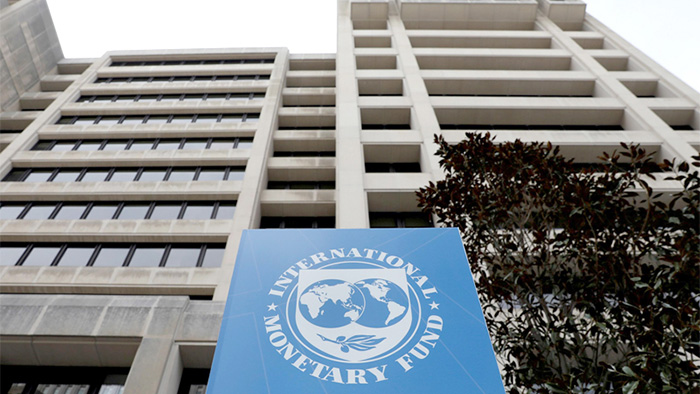
Sri Lanka is forging a new path toward sustainable economic recovery by combining top-down IMF-backed reforms with bottom-up financial empowerment. This dual approach aims to create not just macroeconomic stability but also microeconomic resilience, ensuring that policy gains translate into tangible benefits for ordinary citizens.
As Sri Lanka secures another critical tranche of IMF funding – $350 million under its Extended Fund Facility (EFF), the Central Bank rolled out a nationwide financial literacy initiative, signaling a commitment to long-term growth anchored by a financially savvy population.
The latest disbursement brings total IMF funding under the $2.9 billion bailout programme to $1.74 billion, reinforcing confidence in the country’s reform trajectory.
The IMF has commended Sri Lanka’s progress, citing improved growth projections (3.5% for 2025), controlled inflation (now below target levels), stronger foreign reserves, and successful electricity pricing reforms.
Additionally, debt restructuring agreements with major creditors, including Japan, India, and France, are nearing completion.
However, the IMF also highlighted lingering risks, particularly global trade uncertainties such as potential U.S. tariff adjustments. To safeguard recovery, Sri Lanka must finalise pending debt agreements, notably with China, strengthen tax administration, maintain exchange rate flexibility, and enhance governance and banking reforms to bolster private-sector confidence.
While macroeconomic indicators show promise, many Sri Lankans continue to grapple with personal debt, inadequate savings, and financial scams. Recognising this disconnect, the Central Bank launched a sweeping National Financial Literacy Initiative on July 3, 2025, designed to equip citizens with practical financial skills.
Key components of the programme include:
A National Financial Literacy Curriculum, the first of its kind, covering personal finance, MSME financing, digital banking safety, consumer protection, and tax literacy.
An educational video series, developed in collaboration with UNDP and JICA, addressing over-indebtedness, scam prevention, and smart savings strategies.
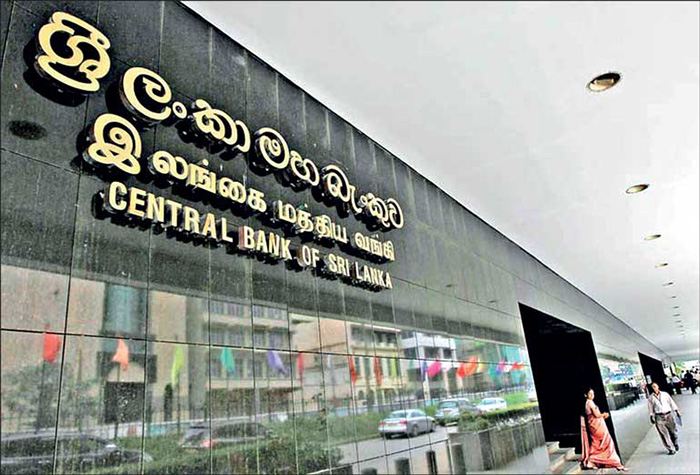
Central Bank headquarters building
A Certified Trainer in Financial Literacy (CTFL) Programme, aiming to train 100 professionals annually to expand financial education nationwide.
A partnership with the University of Kelaniya to ensure research-driven, adaptive financial education tailored to future needs.
As the IMF prepares for its next review focusing on tax reforms, debt restructuring, and governance improvements, the success of Sri Lanka’s recovery will hinge on expanding financial literacy to rural and underserved communities. This is especially vital given persistent external risks, including volatile trade policies and global inflation, which remain unpredictable. In such circumstances, strengthening grassroots resilience has never been more critical.
“Financial literacy isn’t just about knowledge. It’s about changing behaviours to protect families from economic shocks. While Sri Lanka’s recovery is on track, true success means ensuring every citizen benefits from it,” Governor Weerasinghe said at the programme’s launch.
By merging macroeconomic stability with microeconomic empowerment, Sri Lanka is laying the foundation for a more inclusive and crisis-proof economy – one where policy gains are expected to translate into real prosperity for its people.
By Sanath Nanayakkare ✍️


Parliament yesterday took up for debate and vote a sweeping overhaul of Sri Lanka’s main environmental law, in what the Central Environmental Authority (CEA) hopes will become the country’s first major legal reset on environmental protection in 38 years.
The National Environmental (Amendment) Bill, taken up for its final reading in the House, is being seen by environmental officials as a critical attempt to modernise an outdated legal framework that has struggled to keep pace with mounting pollution, hazardous waste, ecological degradation and the environmental fallout of unplanned development.
In a sign of the importance attached to the Bill, senior CEA officials remained in parliament throughout the day as the debate unfolded, amid growing expectations within the environmental sector that the revised law would strengthen the Authority’s hand in regulation, enforcement and environmental planning.
CEA chairman Prof. Tilak Hewawasam described yesterday as a “very special day” for the Authority and said the proposed amendments were long overdue.
“Yesterday was a very special day for the Central Environmental Authority. The Bill to amend the National Environmental Act was read in parliament for the final time, debated and voted on. This was the third revision of the Act and came 26 years after the previous amendment. While the 2000 revision was only a minor one, the 1988 amendment was a comprehensive reform that provided the legal framework and tools such as the EPL and EIA for environmental protection and environmental management in Sri Lanka. After 38 years, another comprehensive revision has now been proposed to Parliament, Hewawasam told The Island Finacial Review.
He said the CEA leadership and senior staff had closely followed the proceedings, hopeful that parliament would clear the Bill and pave the way for a stronger legal framework for sustainable development.
“We were very eager to see this revised Act passed and enacted by parliament, as it will provide the legal framework needed to drive and accelerate the country’s sustainable development, he said.
The push for reform comes at a time when the country’s environmental governance framework is under increasing strain from industrial pollution, mounting solid waste, chemical hazards, encroachment into environmentally sensitive zones and the widening conflict between economic activity and ecological safeguards.
Environmental officials say the revised law is intended to close long-standing legal and institutional gaps that have weakened environmental enforcement and slowed regulatory action.
Among the major changes proposed are provisions to legally recognise Strategic Environmental Assessments (SEA), strengthen the CEA’s authority to issue binding orders instead of merely recommendations, tighten controls on hazardous waste and chemicals, expand producer responsibility in waste management, and empower authorities to act more decisively against unauthorised constructions and environmentally harmful activities in protected and ecologically sensitive areas.
By Ifham Nizam

Residents of La Serena recently came together in a spirit of quiet reflection and shared devotion for a Vesak Bhakthi Gee recital, transforming the serene beachfront setting into an evening of song, mindfulness and gentle celebration.
The programme, organised for residents and invited guests, featured a collection of Buddhist devotional songs that captured the essence of Vesak, fostering a sense of inner peace and spiritual fulfilment. Voices joined in harmony, creating a deeply moving atmosphere rich in meaning and memory.
With around 60 per cent of La Serena residents being expatriate Sri Lankans, the event was particularly evocative. One resident observed that having lived overseas for many years, they had missed Sri Lankan cultural and religious celebrations, making the celebration especially meaningful.
Beyond the music, the gathering strengthened the bonds of community that define life at La Serena, encouraging connection, conversation and companionship among residents. Rooted in Sri Lankan cultural and religious tradition, the event reflected the resort’s commitment to enriching emotional and spiritual well-being through thoughtfully curated experiences.
La Serena is a purpose-built beachfront retirement resort in Uswetakeiyawa, offering a secure and dignified environment for assisted living. Combining the privacy of independent living with access to personalised care and shared amenities, it fosters a vibrant, connected lifestyle where residents can enjoy comfort, companionship and peace of mind.

Sarvodaya Development Finance PLC (SDF) delivered a strong financial performance for the year ended 31 March 2026, recording significant growth in income, profitability, portfolio expansion, and asset quality while continuing its commitment to responsible and inclusive finance.
For the financial year under review, SDF reported total income of LKR 6.42 billion, a year-on year increase of 46.8%. Interest income rose by 43.8% to LKR 5.85 billion, driven by business expansion and growth in earning assets. Net Interest Income increased by 35.4% to LKR 3.58 billion, while Total Operating Income grew by 40.8% to LKR 4.15 billion, reflecting the Company’s ability to generate strong and sustainable earnings.
Profitability improved substantially during the year. Operating Profit before Tax on Financial Services increased by 59.9% to LKR 1.82 billion, while Profit Before Tax rose by 63.8% to LKR 1.36 billion. Profit for the Year increased by 73.1% to LKR 820.1 million compared with LKR 473.8 million in the previous year. Earnings per share improved to LKR 5.48, demonstrating enhanced value creation for shareholders.
The Company’s balance sheet expanded significantly, with total assets increasing by 65.8% to LKR 37.37 billion as at 31 March 2026. Financial assets at amortized cost, including loans and receivables, grew by 67.2% to LKR 20.60 billion, while lease rental receivables increased by 34.0% to LKR 9.19 billion. SDF also strengthened its funding profile through debt securities, including Sustainable Bonds, amounting to LKR 2.09 billion.
Commenting on the performance, Chief Executive Officer, Nilantha Jayanetti stated, “The results achieved during FY2025/26 reflect the strength of our business model, disciplined growth strategy, and commitment to delivering responsible financial solutions. We remain focused on creating sustainable value while supporting communities and enterprises across Sri Lanka.”
SDF maintained a strong capital position, with a Tier 1 Capital Adequacy Ratio of 15.48% and a Total Capital Adequacy Ratio of 22.13%, both comfortably above regulatory requirements. Asset quality also improved, with the Gross Stage 3 Loans Ratio declining to 4.93% from 7.88% and the Net Stage 3 Loans Ratio improving to 2.94% from 5.70%. The Stage 3 Impairment Coverage Ratio strengthened to 42.60%.
Operational efficiency improved as the Cost-to-Income Ratio reduced to 42.99%, while Return on Equity increased to 19.60%. Reflecting its stronger financial position, SDF’s external credit rating was upgraded to Lanka Ratings (SL) BBB- Stable.
With a network of 56 branches, SDF remains committed to advancing financial inclusion, supporting sustainable enterprise growth, and contributing to Sri Lanka’s long-term socio-economic development.

Morocco come back after historic Haiti goals to reach World Cup last 32

Strong earthquake strikes northern Japan

Vinicius nets twice and Neymar returns as Brazil ease by Scotland

Two powerful quakes shake Venezuela

Showers will occur in the Western, Sabaragamuwa and North-western provinces and in Galle, Matara, Kandy and Nuwara-Eliya districts

Proposed EPF-ETF merger harmful to private sector workers – FSP

‘Dates have the highest sugar content to fight Coronavirus’

Sunday Island 27 December – Headlines

#SundayIsland 17th December – Headlines

Sunday Island – 28th March

Sunday Island Headlines – 21 March

Sunday Island – 21st February – Headlines
-

 News6 days ago
Creditor receives USD 2.5 mn as Lankan public bears loss from theft of Treasury funds
-

 News5 days ago
Creditor not yet paid
-
 News5 days ago
Consumers bearing 22% tax burden despite 18% VAT claim: Dr. Harsha de Silva
-

 Features4 days ago
Nanda Pethiyagoda Wanasundara as three generations of family saw her
-

 Features3 days ago
Sri Lanka developing independent hydrographic capabilities
-

 Opinion6 days ago
SriLankan Airbus struck by lightning
-

 Latest News3 days ago
Sooryavanshi thumps fastest List A fifty as India A win tri-series
-

 Editorial4 days ago
Fuel crisis: Beyond price debate