
Sports
Anthonians look for a promising start in school rugby curtain raiser

By A Special Sports Correspondent
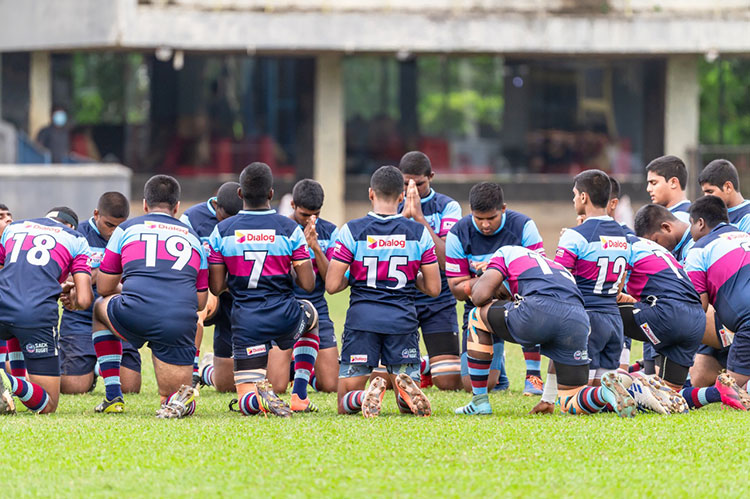
The much looked-forward-to inter-school under 19 fifteen a side league rugby tournament for 2023 will kick off on June 14 with St. Anthony’s College Katugastota taking on the formidable Josephians in what promises to be a blockbuster clash at Bogambara Stadium.
Joes were easily the second-best side last season and what’s going to give them that much-needed impetus this season is that they are led by big boy Naveen Marasinghe who was a terror last season. Joes finished as runners-up in both league and knockout tournaments last season.
Playing in his accustomed position of number eight Marasinghe penetrated many a defence and gave the message to his teammates that try scoring can be easy when body proportion, skill, and determination are all to your advantage; not forgetting team support as well. St. Anthony’s on the other hand have a lot to prove and need to redeem lost glory because last season saw them merely hanging in there in a tough group and suffering many defeats. The Anthonians are a force in school rugby and the present lot of players must take to heart to avenge the poor show last season and keep the school flag flying high by throwing into the game all what they have this season .
Both St. Anthony’s and Joes are pooled alongside Isipatana, Wesley, S. Thomas’, Kingswood, and new kids on the block D.S Senanayake, who earned a promotion from the bottom division after a successful season in fifteens and seven a side rugby tournaments. All these teams will contest the Division 1 Segment A Group 1 category of the tournament which will have a first phase running for seven weeks. That will be followed by a super round where the top two teams of one group will play against the top two teams of the other group named Division 1 Segment A Group 2 featuring Royal, Trinity, Vidyartha, Science, Dharmaraja, St. Peter’s and Zahira. Last season’s double champions Isipatana will play their maiden game this season when they lock horns with Kingswood, the latter hosting the game at Bogambara Stadium on June 18 (Sunday). Isipatana are led this season by promising back division player Nuwan Kanishka who is also known for his skills in cricket; having captained the school’s First XI team this season.
There is much focus and attention on school rugby in this island; not forgetting the support from the old boys unions here and abroad. The sport at this level has attracted many sponsors; making school rugby more a lucrative venture than a pastime at an academic institution. Much attention must be given by the schools authorities to how big the game is allowed to grow money-wise; not forgetting the control the authorities must exercise where player honesty is concerned in terms of ensuring they meet the age limit criterion. Crossovers by schoolboys from less affluent and lesser-known schools to popular academic institutions have also raised eyebrows and calls for some fair play.
Also, there were many concerns last season because the lower segments of the tournament featuring lesser-known schools were forced to play in mid-afternoon in the scorching sun and on grounds which were too hard and invited injuries. The school rugby tournament is played in two other divisions which this newspaper will touch on within the next few days.
The other matches of the Division One Segment A scheduled for the first week running from June 12 to 18 are; Vidyartha vs Science at Bogambara (June 16), S. Thomas’ vs Wesley at Mt. Lavinia (June 17), St. Peter’s vs Royal at Bambalapitiya (June 17), Dharmaraja vs Trinity at Bogambara (June 17) and Kingswood vs Isipatana at Bogambara (June 18). All matches start at 4 pm.



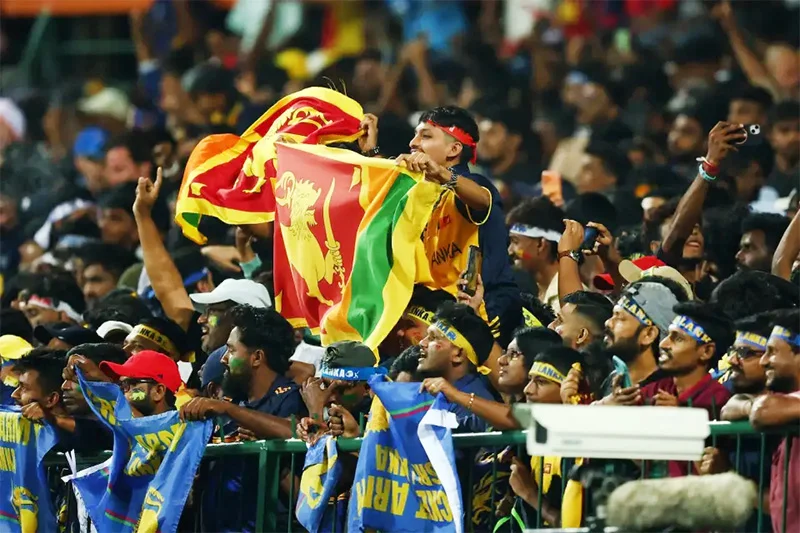
Sri Lanka became the first side from Group ‘B’ to punch their ticket to the Super Eight stage of the T20 World Cup, getting the job done with a game to spare and ticking the qualification box in clinical fashion. While they still have Zimbabwe to contend with in their final league outing today, the bigger fish to fry awaits on Sunday, a heavyweight rematch against England at Pallekele.
Earlier this month, England handed Sri Lanka a humbling 3-0 whitewash in a bilateral series at the same venue. Sri Lanka’s batting unit, in particular, was found wanting as England’s spinners kept them on a tight leash. But batting coach Vikram Rathour is not losing sleep over that setback, insisting the scoreline flattered the visitors.
“We have had three good games. I don’t think there were any issues as such during the England series with batting. We had some good games and not so good games. I wasn’t concerned about the results during that series. It was all about getting the process right,” said Rathour, who is contracted with Sri Lanka until the end of the World Cup.
Rathour, part of India’s backroom staff when they lifted the T20 World Cup in the Caribbean in 2024, knows a thing or two about peaking at the business end of a tournament. He stressed that dwelling on past scars would be counter-productive.
“We need to play to our strengths. We need to focus on the game and not think too much about the past or the future,” he explained.
Before they lock horns with England, however, Sri Lanka must first negotiate Zimbabwe, the tournament’s dark horses who have already sent Australia packing and gatecrashed the second round. The African side have punched above their weight, breathing fire with the new ball and showing steel with the bat.
 “Zimbabwe have played really well so far. They have a decent bowling unit. We need to play to our potential. If we can stick to our plans and execute them well, that will be good for us,” Rathour said.
Sri Lanka’s resurgence has been underpinned by a batting unit beginning to hum in unison. Opener Pathum Nissanka has become the cynosure of all eyes after his majestic hundred against Australia, the first century of this tournament, a knock that blended timing, temperament and a touch of audacity.
“It was almost the perfect batting knock. Pathum played one of the best T20 innings you will ever see. Kusal Mendis has been very consistent with three half-centuries in three games. Pavan Rathnayake has been good against spinners, using his feet well. We have played to our potential and we need to be consistent in doing that.”
Conditions, though, will once again demand adaptability. Colombo’s R. Premadasa Stadium is a different kettle of fish to the truer surfaces of Pallekele, where Sri Lanka outplayed Australia. At RPS, the ball grips, stops and asks awkward questions, a venue where flat-track bullies often come unstuck.
“I read a great line where someone had said that these are not tough conditions but these are different conditions. We have enough skill in the side to adapt to these conditions,” Rathour noted.
by Rex Clementine
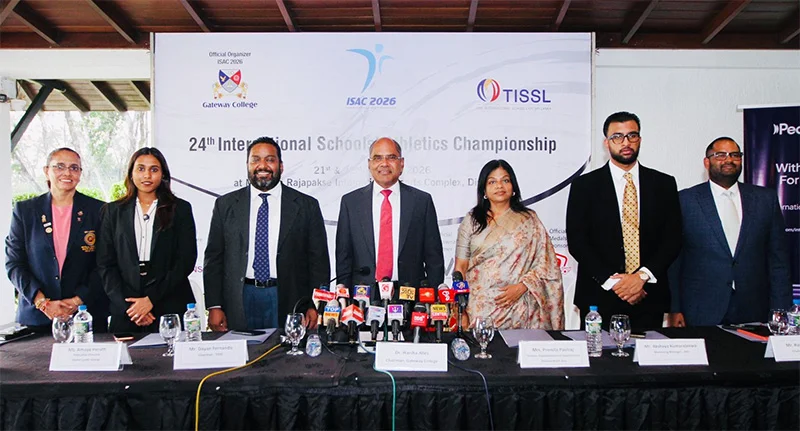
Gateway College, a pioneer in international school education in Sri Lanka, is set to host the prestigious International Schools’ Athletics Championship (ISAC 2026) at the Mahinda Rajapaksa International Stadium Diyagama over the weekend.
First held in 2001, ISAC has evolved into the flagship sporting event on the international schools’ calendar, showcasing the athletic excellence of students from 22 leading international schools across the country.
Founded by the late R. I. T. Alles, ISAC has played a pivotal role in advancing competitive sport among international schools, leaving behind an enduring legacy that has contributed significantly to the development of athletics in Sri Lanka.
The championship is expected to attract approximately 1,554 athletes and 300 technical officials, representing the participating schools. With an anticipated audience exceeding 15,000 students, parents and alumni, ISAC 2026 promises to be a vibrant celebration of athleticism, sportsmanship and camaraderie.
Commenting on the event’s national significance Ramantha Alles, Director of Gateway Group, stated, “ISAC has become an important platform for nurturing talented athletes and showcasing junior athletes of international repute. The standard of athletics among international schools has steadily progressed, with several athletes advancing to national and international levels, contributing to high-quality competition.”
Expressing his appreciation for their generous support, Dr. Harsha Alles, Chairman of the Gateway Group, stated, “It is heartening to see Pearson Edexcel as the Principal Sponsor, actively contributing to the holistic development of pupils, Home Lands as the Platinum Sponsor, extending its support to schools and Education and AVI as the Sportswear Partner, playing a valuable role in promoting sportswear and strengthening school sport.”
The event is further supported by Sense Rehabilitation and Sports Hospital as the Official Healthcare Partner, The Papare.com as the Official Broadcasting Partner, Yeti as the Official Hydration Partner and Dinemore Go as the Official Medal Sponsor.
ISAC 2026 will be conducted in accordance with TISSL rules and regulations and the International Athletics Federation Competition Rules. All athletes will compete using a common identity card issued by TISSL, the association representing member international schools.
Participating TISSL member schools for ISAC 2026 include: Asian International School, Belvoir College International, The British School in Colombo, Burhani Serendib School, Colombo International School, Colombo. Colombo International School, Kandy, Elizabeth Moir School, Gateway College, Colombo, Gateway College, Kandy, Horizon College International, Ilma International Girls School, Leeds International School, Panadura, Lyceum International School, Nugegoda, Lyceum International School, Panadura, Lyceum International School, Ratnapura, Lyceum International School, Wattala, OKI International School, Royal Institute, Stafford International School, St. Nicholas International School, Wycherley International School, Colombo, Wycherley International School, Gampaha.
Sports
Dialog marks 21 years of unwavering commitment as the Battle of the Blues enters its 147th chapter
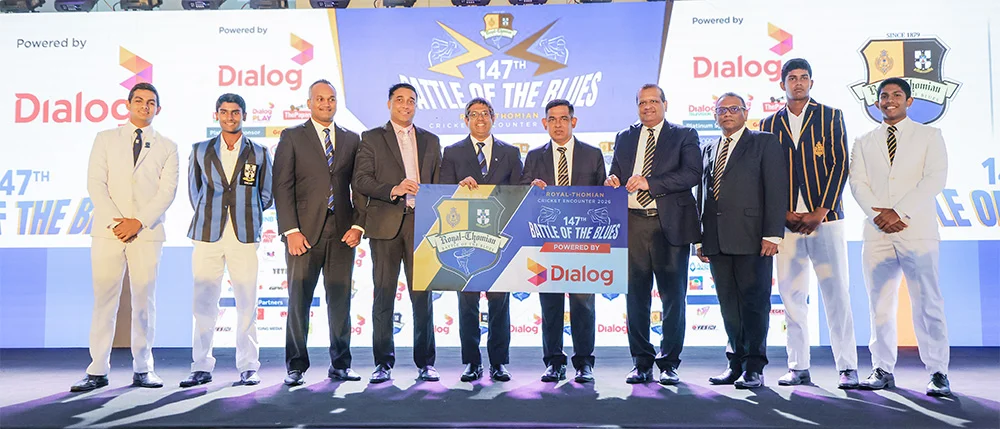
S. Thomas’ College, Mount Lavinia will once again take on their arch-rivals Royal College, Colombo in the 147th Battle of the Blues, scheduled to be held on 12th, 13th and 14th March 2026 at the country’s premier Test cricket venue, the Sinhalese Sports Club (SSC), Colombo.
Etched with rich traditions, passion and unparalleled history, this legendary encounter stands as the second-longest uninterrupted school cricket series in the world — a testament to the unwavering camaraderie and sporting spirit between two of Colombo’s leading educational institutions. The Battle of the Blues is not just a cricket match, but an institution in itself — a story of competition and brotherhood that has endured for nearly 150 years, contributing immensely to the game of cricket, the heartbeat of the island.
Adding to the grandeur, the much-anticipated Mustangs Trophy one-day encounter will take center stage on 28 March 2026 under lights at the newly floodlit SSC ground.
Royalists and Thomians, both past and present, clad in their iconic blue, gold and black, will once again gather to celebrate their schools’ proud heritage. The pavilion will roar, flags will wave, and songs of tradition will echo across the SSC as schoolboys, old boys, and cricket enthusiasts from around the world unite in the true spirit of the game.
This prestigious encounter—widely regarded as Sri Lanka’s very own “Big Match”—has witnessed some of the finest young cricketers take center stage before rising to national and international acclaim.
As part of the Dialog Big Match Season, this historic clash continues to embody tradition, passion, and sporting excellence, bringing together generations in celebration of one of the nation’s most cherished sporting rivalries.
Dialog Axiata PLC Sri Lankas #1 Connectivity Provider & a Prolific promoter of sports in Sri Lanka, a steadfast patron of Sri Lankan school cricket. With an enduring commitment to Powering young talent and fostering the next generation of cricketing greats, the company’s partnership ensures that the legacy of the Battle of the Blues remains stronger than ever. Their continued support is not merely a sponsorship, but an investment in Sri Lanka’s sporting future.
”It is that time of the year when the schools come to a standstill and all eyes are directed to the middle of the field watching eagerly and anxiously,11 men in white play for the covetous Senanayake Trophy. As the 147th episode of the 2nd longest intercollegiate encounter enfolds, we wish the two teams all the very best as they become part of this unbroken tradition.
May this encounter be the everlasting tradition that connects S. Thomas’ College and Royal College.
I place on record my thanks and the thanks of the College and the Joint Organizing committee to all our sponsors for coming on board this year” stated the Warden of S. Thomas’ College, Asanka Perera.
”As we prepare to witness yet another Roy–Tho, we celebrate 147 years of unbroken continuity—an achievement sustained through challenges and change. In recent years, the event has evolved, embracing digitization, standardization, sustainability, and CSR, with Dialog proudly serving as main sponsor on 21 occasions alongside many others. This is more than a match—it is a tradition that shapes personalities and carries forward a timeless legacy,” stated Cochairman, Ramesh Abeywickrama.
”At the doorstep of the greatest sporting event of the year, we celebrate a world heritage carried forward by 22 boys and countless stakeholders for 146 unbroken years. As Royalists and Thomians, we take pride in this enduring tradition. We wish both teams and all who uphold this legacy an enjoyable and memorable match.” – Mr. Athula Wijewardena Principal Royal College Colombo 7.
Commenting on the occasion, Navin Peiris, Group Chief Officer – Dialog Enterprise, said: “At Dialog, we are incredibly proud to continue our longstanding partnership with the Battle of the Blues, one of the most iconic events in Sri Lanka’s school cricketing calendar. Our commitment to supporting school cricket stems from our belief in nurturing young talent and fostering a passion for the game that lasts a lifetime. Through initiatives like the Battle of the Blues, we aim to contribute to the development of the next generation of cricketers while preserving the rich traditions of Sri Lankan school cricket. As we power this historic rivalry once again, we remain dedicated to powering the champions of tomorrow.”
Tickets for the 147th Battle of the Blues and the 49th Mustangs Trophy will be available for purchase at the Royal College Union and the STCML OBA Secretariat. Given the massive following and the electrifying atmosphere that this legendary encounter promises, early booking is highly recommended to secure a seat at Sri Lanka’s grandest school cricketing festival. Join us in celebrating the spirit of cricket, tradition and sportsmanship at the 147th Battle of the Blues and the Mustangs Trophy match.

Ambassador of Switzerland to Sri Lanka pays courtesy call on PM

Suspected carbon-monoxide leak kills at least 30 miners in Nigeria, witnesses say

Eight skiers found dead after California avalanche

Advisory for low pressure area in the Southwest Bay of Bengal to the south-east of Sri Lanka

Showers will occur at times in the Northern , North-central, Central, Uva and Eastern provinces and in Hambantota district

Canada concerned about delay in holding PC polls

‘Dates have the highest sugar content to fight Coronavirus’

Sunday Island 27 December – Headlines

#SundayIsland 17th December – Headlines

Sunday Island – 28th March

Sunday Island Headlines – 21 March

Sunday Island – 21st February – Headlines
-

 Life style4 days ago
Marriot new GM Suranga
-

 Business3 days ago
Ministry of Brands to launch Sri Lanka’s first off-price retail destination
-

 Features4 days ago
Monks’ march, in America and Sri Lanka
-

 Features4 days ago
The Rise of Takaichi
-

 Features4 days ago
Wetlands of Sri Lanka:
-

 News4 days ago
Thailand to recruit 10,000 Lankans under new labour pact
-
 News4 days ago
Massive Sangha confab to address alleged injustices against monks
-

 News2 days ago
IMF MD here