
News
Alarming spike in new cancer patients in Sri Lanka amidst aflatoxin fears in foodstuffs

by Suresh Perera
In the backdrop of concerns expressed by medical experts over ingesting foodstuffs with carcinogenic aflatoxins, Sri Lanka has witnessed a disturbing spike in cancer with 33,226 fresh cases on the basis of 89 new patients per day reported in 2019.
The number of cancer-related mortalities during the year under review was 16,691 with 46 patients dying of the dreaded disease per day, according to new statistics.
“There were 75,909 prevalent cases of cancer in Sri Lanka’, the Health Ministry’s National Cancer Control Program (NCCP), said.
Non-Communicable Diseases (NCDs) account for almost 83% of total deaths in the country and the proportional mortality due to cancer is estimated to be 14%, it said.
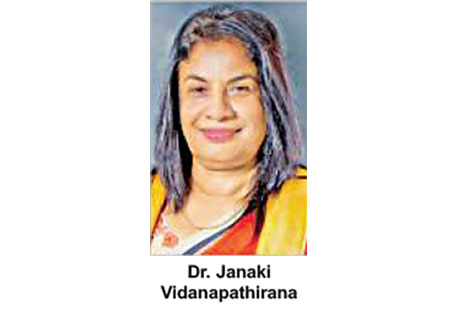
“Newly detected cancer cases have shot up from a moderate 13,372 in 2005 to more than 30,000 in 2019”, says NCCP’s Acting Director, Dr. Janaki Vidanapathirana.
“There has been a steady surge in new cancer cases over the past 14 years”, she said.
Medical experts contend that aflatoxins (a family of toxins produced by certain fungi found on agricultural crops such as maize (corn), peanuts, cottonseed, and tree nuts) in the human system can cause a carcinogenic reaction over a period of time.
Director-General of the Sri Lanka Standards Institution (SLSI), Dr. Siddika Senaratne’s recent assertion that, apart from imported coconut oil, certain other consumables also contained aflatoxins, triggered a controversy over the safe consumption of certain foodstuffs.
Amidst public fears over products identified on social media platforms, rightly or wrongly, the critical question that emerged was for how long people had been consuming such foodstuffs and whether they continue to do so despite the claimed carcinogenic substances in them.
There was confusion in the public mind as Dr. Senaratne declined to identify the contaminated products saying that naming them will reflect adversely on the trade.
“They should be given time to remedy the shortcomings”, she said.
Asked whether the presence of aflatoxin in imported coconut oil, as discovered recently, and possibly other foodstuffs could have contributed towards the exponential increase in the incidence of cancer in the country, Dr. Vidanapathirana said that exposure to any aflatoxin will increase the risk of cancer, but it depends on the duration and the quantum ingested.
There are usually 800-850 new liver cancer cases per year caused mainly due to alcohol consumption, tobacco smoking, hepatitis b and c and aflatoxins. Cancer is of multifactorial origin. Tobacco causes 15 types of cancers in the human body, while alcohol accounts for five types, the Consultant Community Physician explained.
Leading the list of top 10 cancers in Sri Lanka amongst males was mouth, lip and tongue cancer at 14% in 2019 followed by trachea, bronchus and lung (9%), colorectal (8%) oesophagus (7%), prostate (7%), larynx (4%), bladder (4%), lymphoma (4%), thyroid (3%) and others (40%).
Amongst females, breast cancer topped the list at 26% followed by thyroid (13%), colorectal (7%), ovary (6%), oesophagus (5%), uterus (4%), ovary (6%) trachea, bronchus and lung (3%), lymphoma (3%), oral (3%) and others (25%).
Oral cancer in Sri Lanka remains the highest in the world, Dr. Vidanapathirana said, while stressing that a structured program of action to arrest the alarming trend is the need of the hour.
Cancer is the uncontrolled growth of abnormal cells in the body. Cancer develops when the body’s normal control mechanism stops working. Old cells do not die and instead grow out of control, forming new, abnormal cells. These extra cells may form a mass of tissue, called a tumor. Some cancers, such as leukemia, do not form tumors.
“Cancer can be prevented through early detection”, she noted, while warning that obesity, tobacco smoking, alcohol consumption and physical inactivity have been identified as some of the primary causes that lead to the dreaded disease.
Asked whether consumption of milk activates dormant cancer cells, she replied “I don’t know. There’s no such evidence”
However, the intake of dairy milk is associated with a greater risk of breast cancer in women, according to a new study conducted by researchers at Loma Linda University Health.
Dairy, soy and risk of breast cancer: Those confounded milks, published in the International Journal of Epidemiology, found that even relatively moderate amounts of dairy milk consumption can increase women’s risk of breast cancer — up to 80% depending on the amount consumed.
First author of the paper, Gary E. Fraser, MBChB, PhD, said the observational study gives “fairly strong evidence that either dairy milk or some other factor closely related to drinking dairy milk is a cause of breast cancer in women, the ScienceDaily reported in 2020. (https://www.sciencedaily.com/releases/2020/02/200225101323.htm)

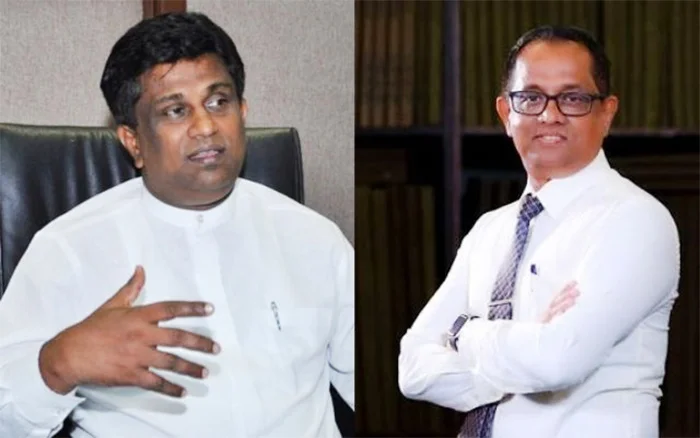
Speaker Dr. Jagath Wickramaratne yesterday ruled that a privilege complaint submitted by SJB Kalutara District MP Ajith P. Perera did not constitute a prima facie breach of parliamentary privilege.
The ruling was made in response to a notice of privilege submitted by Perera on October 02.
Perera alleged that his parliamentary privileges had been breached over the failure to take formal action or reach a final decision on a written request submitted on August 03 by 18 Opposition MPs seeking the appointment of a Special Select Committee to investigate delays in the judicial system and prison overcrowding.
He had also requested that the matter be referred to the Committee on Ethics and Privileges for investigation and recommendations.
In his ruling, Speaker Wickramaratne said the Speaker, as the Presiding Authority and guardian of the powers, rights and privileges of Parliament, could not be subjected to a privilege complaint or disciplinary inquiry by a committee subordinate to the Chair in respect of actions taken in an official capacity.
He said that, under the Standing Orders, the Speaker was required to independently determine whether a prima facie case of breach of privilege existed.
Referring a complaint against the Speaker to a committee functioning under the Speaker’s authority would, therefore, create a procedural contradiction, he said.
Accordingly, the Speaker ruled that Perera’s notice did not constitute a prima facie breach of parliamentary privilege and disallowed the request to refer the matter to the Committee on Ethics and Privileges.
Shiranthi’s anticipatory bail application
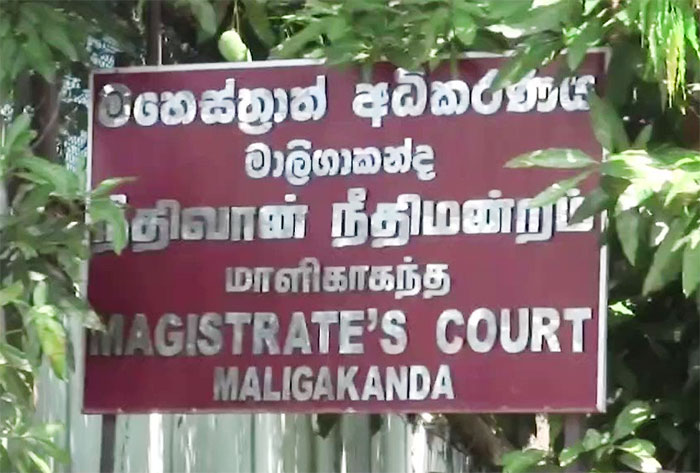
The Maligakanda Magistrate’s Court yesterday issued notice on the Officer-in-Charge (OIC) of the Financial Crimes Investigation Division (FCID) to appear before court on October 12 in connection with an anticipatory bail application filed by former First Lady Shiranthi Rajapaksa.
The application relates to an ongoing investigation into the financial affairs of the ‘Siriliya Saviya’ organisation.
Rajapaksa’s lawyers filed the anticipatory bail application on Monday (05), seeking an order preventing her arrest in connection with the investigation.
Meanwhile, Rajapaksa returned to Sri Lanka on Monday night from Malaysia after travelling overseas for medical treatment.
She had left for Singapore in the early hours of September 16, after being admitted to a private hospital, in Colombo, the previous day.
According to reports, she was taken directly from the hospital to the airport before leaving the country.
The Rajapaksa family has rejected reports that she knowingly left Sri Lanka despite being subject to an earlier summons issued by the FCID. The family has maintained that she had not been informed by the FCID of any such summons before she arrived at the airport.
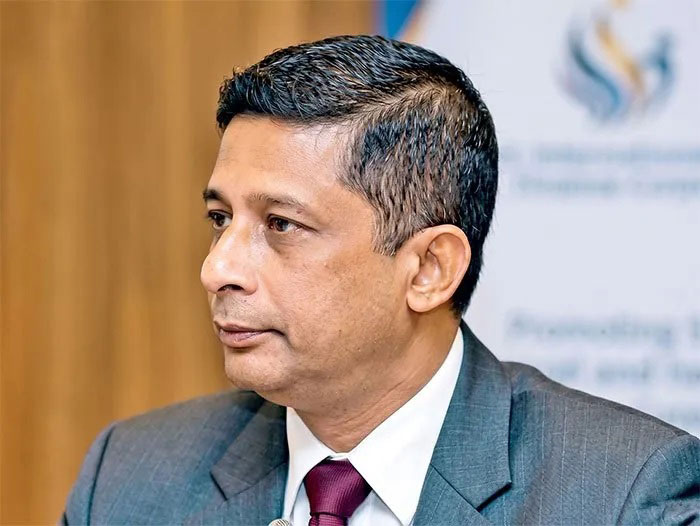
A 10-member medical board yesterday informed the Colombo Fort Magistrate’s Court that former State Intelligence Service (SIS) Director, retired Major General Suresh Sallay, could be discharged from the Colombo National Hospital.
Following the submission, Additional Solicitor General Dileepa Peiris told Fort Magistrate Pasan Amarasena that Sallay would be taken back into the custody of the CID after being discharged from hospital.
Sallay has been receiving treatment at the National Hospital, since June 07, including at the emergency care unit attached to the Cardiology Unit.
The medical board’s report stated that his condition had improved sufficiently for him to be discharged. The court had previously been informed that his cardiac and mental health conditions were stable and that he could be discharged once treatment for a dental condition was completed.
A previous report by a nine-member medical panel had stated that Sallay had developed an enlarged heart and had been fitted with a medical device to manage the condition. The prosecution informed court that about Rs. 4 million in public funds had been spent on the device.
The court had earlier issued notices on the 10 doctors treating Sallay, directing them to appear before court today
(07), following facts presented by the CID through a motion.
Sallay is one of three suspects facing proceedings before the Fort Magistrate’s Court in connection with investigations into the 2019 Easter Sunday attacks.
During an earlier hearing, the prosecution raised concerns that passwords to Sallay’s laptop and mobile phones had not been provided despite a court order. The defence maintained that passwords of military intelligence personnel were regularly changed for security reasons.
The Magistrate yesterday ordered that a report on the progress of the investigation be submitted to court on October 21.

Speaker rejects Ajith Perera’s privilege complaint

OIC of FCID summoned before Maligakanda Magistrate

Sallay cleared for discharge, to return to CID custody

Senior prelate urges authorities to allow Gnanasara Thera to wear his robes in prison

Nalanda on the cusp of reaching knockout stage as unbeaten run continues

PM ‘Rings the Bell’ at CSE to champion financial literacy and investor education

‘Dates have the highest sugar content to fight Coronavirus’

Sunday Island 27 December – Headlines

#SundayIsland 17th December – Headlines

Sunday Island – 28th March

Sunday Island Headlines – 21 March

Sunday Island – 21st February – Headlines
-

 Latest News7 days ago
Gold winner Tharanga gets brand-new Honda Vezel from SLAAJ
-

 News6 days ago
US-assisted ‘Ice’ detection: NPC to examine IGP’s move to transfer drug-busting team
-

 Editorial5 days ago
Colombo Port drug bust: The plot thickens
-

 News7 days ago
Civil society activist accuses govt. of favouring Ven. Gnanasara
-

 Editorial6 days ago
Drug busting, transfers and trust deficit
-

 Features3 days ago
The first woman in the foreign service or Ceylon Overseas Service it was then called
-

 Latest News4 days ago
Tharindu Rathnayake, bowlers secure Asian Games Bronze for Sri Lanka
-

 News6 days ago
Sri Lankan facing death penalty in Saudi Arabia: Mano G appeals to Crown Prince