
News
Ending gender-based violence in a world of 8 billion

How a new term, reproductive violence, helps confront an old problem
UNITED NATIONS, New York (UNFPA) – Whether to have children or not is one of the most life-altering decisions a person can make.But as UNFPA’s 2022 State of World Population report shows, people around the world – especially women and members of marginalized groups – are frequently denied any choice in the matter, with partners, relatives, health care providers and even governments making or strongly influencing these decisions.
“Men have greater decision-making power [regarding contraception]. Women may have to act secretly/discreetly to get contraception services,” a man in India told report authors.
“Men hold the ultimate decision-making power. It is common practice for providers to ask for the husband’s consent,” a woman in Sudan said.
Though women’s reproductive decisions have been subject to interference for centuries, it’s only in the last decade that researchers have begun to recognize and explore this concept. They call it reproductive violence.
What does reproductive violence look like?
Reproductive violence includes any form of abuse, coercion, discrimination, exploitation or violence that compromises a person’s reproductive autonomy.
This form of gender-based violence can be committed by individuals such as partners, relatives and health care providers, or by entire communities, as social norms influence societies’ ideas of who should or should not be a parent. Meanwhile governments often exert this form of violence through laws and institutions, by preventing access to contraceptives or even conducting forced sterilization campaigns, for instance.
At the interpersonal level, reproductive violence might look like a partner hiding, destroying or even forcefully removing their partner’s birth control, or involve “stealthing” – the practice of removing a condom during sex without consent.
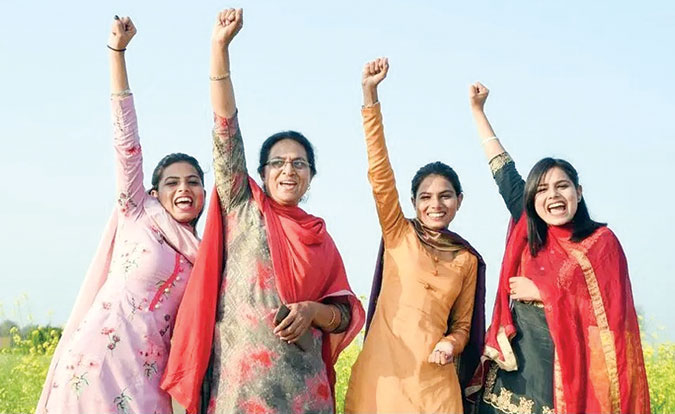
For others, reproductive violence follows the news of a pregnancy, with some women compelled against their will into motherhood and others, to terminate.It was the latter action that 58-year-old Jasbeer Kaur from Rajasthan, India, told UNFPA in 2020 that her husband’s family tried to force on her after learning Jasbeer was pregnant with triplets – all girls.
“No daughter had been born in my husband’s family in the last three generations. They told me, we won’t allow three daughters to be born in the house at the same time. They gave me an ultimatum: Get an abortion or leave,” Kaur said.
In demanding this of her, Kaur’s in-laws were perpetuating harmful social and gender norms that assign higher value to boys’ lives than those of girls. Members of Kaur’s community reinforced this discriminatory perspective, calling Kaur “poor thing” for not having any sons.
“Here, people still think … as a mother, you haven’t done your bit until you’ve given birth to a son,” one of Kaur’s neighbours told UNFPA.
But Kaur stood up to these norms and practices. She chose to leave her husband and his family and to keep her pregnancy. Today, her triplets Mandeep, Sandeep and Pardeep are all in their mid-twenties, building careers across the arts, business and health care.
“Today, people know us as Jasbeer Kaur’s daughters. We want to make something of our lives,” Sandeep said.
Seeing the problem to solve it
Although reproductive violence often involves partners and family members, as in Kaur’s case, they are not the only perpetrators. Governments and institutions also commit acts of reproductive violence through coercive laws and policies, some of which aim to control national-level fertility.
With the global population now eclipsing 8 billion people, countries’ population policies have entered the spotlight. And evidence has begun to emerge, especially, of countries seeking to boost fertility through problematic means, including by limiting access to abortion and cutting sex education from school.
UNFPA has warned that these efforts to engineer population size typically have little impact on fertility in the short term, and in the long term, risk causing major problems.
“Focusing on numbers alone treats people as commodities, stripping them of their rights and humanity,” UNFPA Executive Director Dr. Natalia Kanem said on 14 November in an op-ed for TIME. “We have too often seen leaders setting targets for population size or fertility rates, and the grievous human rights abuses that result.”
“Let’s be clear: When we talk about the ‘problem’ with fertility rates or an ‘ideal’ population size, we are really talking about controlling people’s bodies. We are talking about asserting power over their capacity for reproduction, whether by influence or by force, from policies where families are paid to have more children, to egregious violations like forced sterilization, often suffered by ethnic minorities, indigenous peoples, and people with disabilities.”
Today, many women are unable to exert control over their reproductive lives. UNFPA reports that across 64 countries, more than 8 per cent of women lack the power to decide on contraception, and nearly a quarter of women lack the power to say no to sex.
Specifically regarding reproductive violence, UNFPA is currently working on a technical paper and developing a measurement tool to help health care practitioners, researchers, institutions and governments identify where, when and how these violations occur. It’s a critical step towards helping societies address this issue and safeguard people’s rights and choices.
“A resilient world of 8 billion, a world that upholds individual rights and choices, offers infinite possibilities – possibilities for people, societies and our shared planet to thrive and prosper,” said Dr. Kanem.

News
Prime Minister of Sri Lanka holds a bilateral meeting with Minister for Education and Skills Development of Bhutan

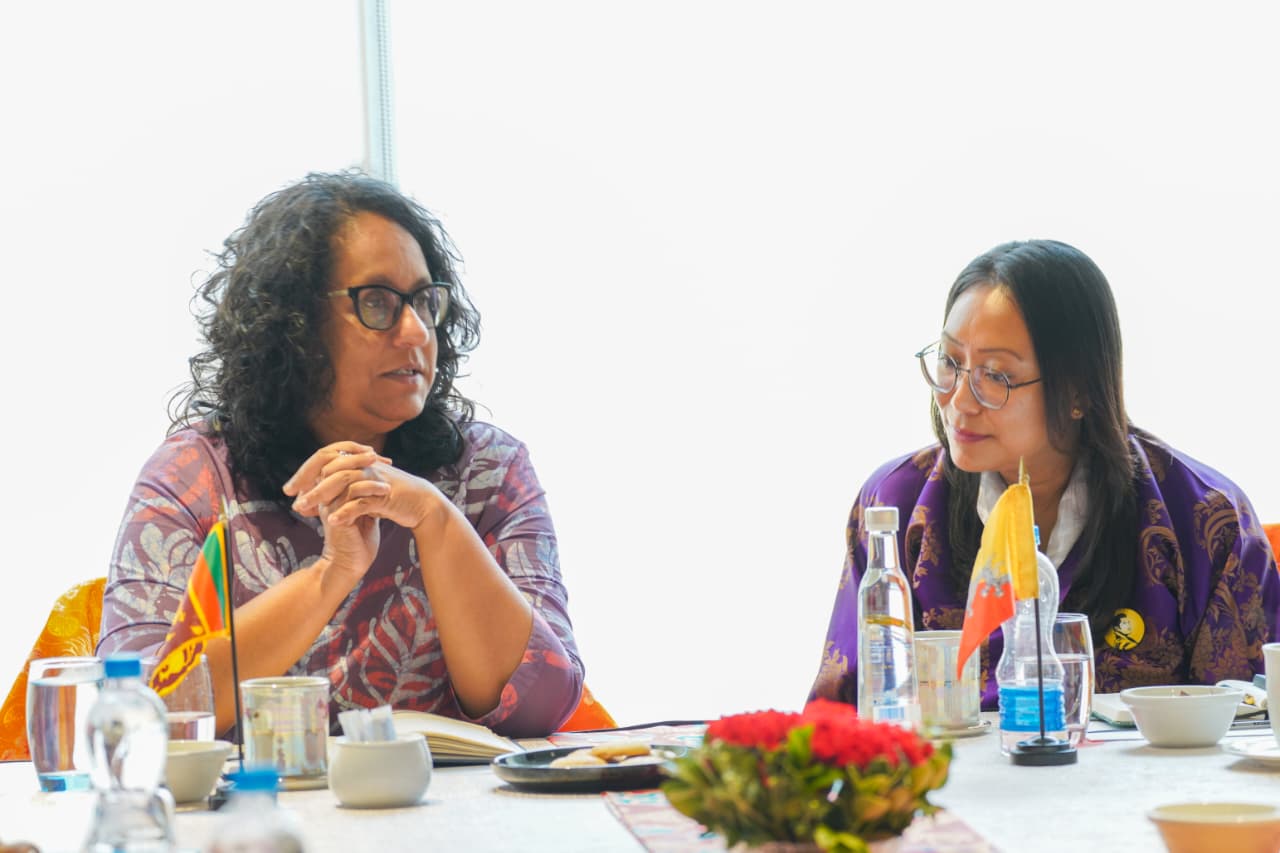
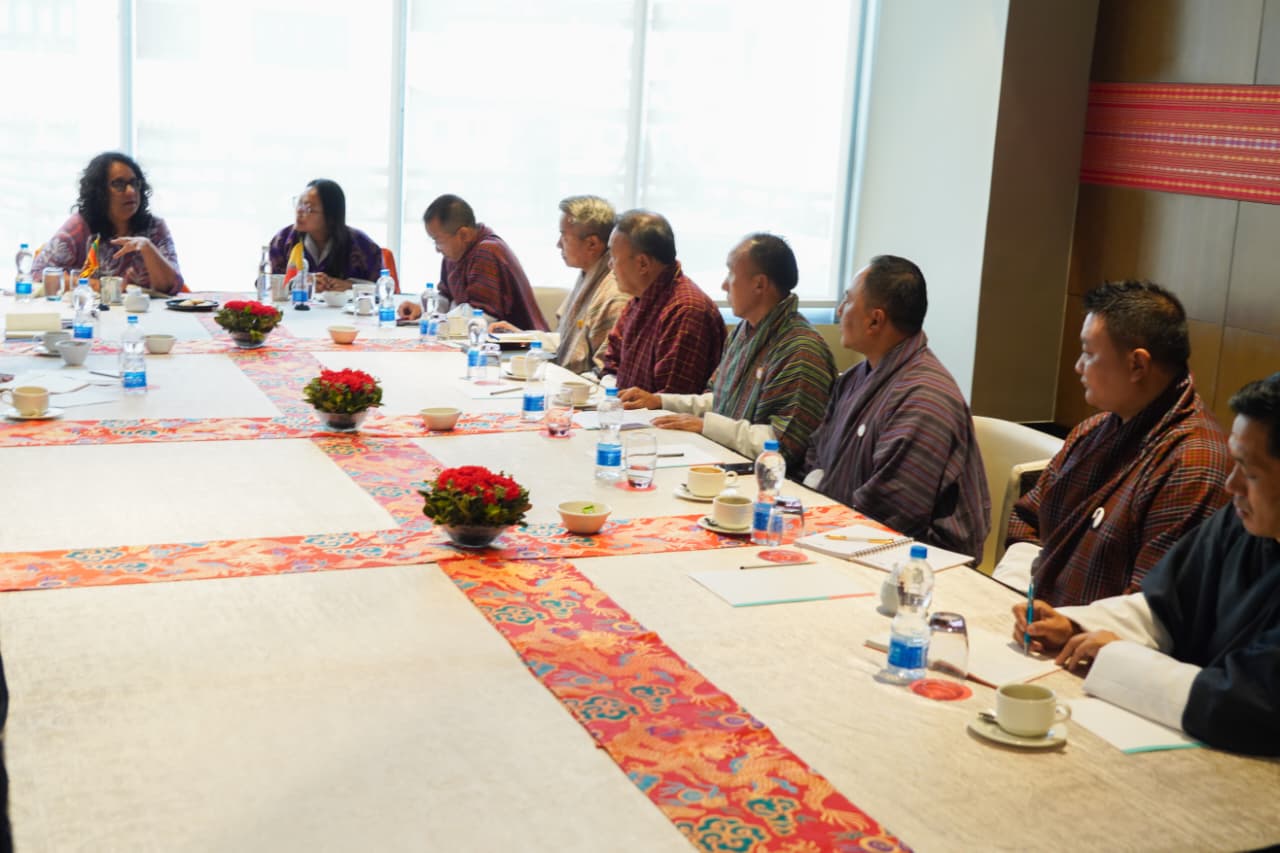
On the sidelines of the inaugural Global Conscious Food Systems Summit 2026, being held in Bhutan from 31 August to 4 September 2026, Prime Minister of Sri Lanka, Dr. Harini Amarasuriya, in her capacity as Minister of Education, Higher Education and Vocational Education, held a productive bilateral meeting with Yeezang De Thapa, Minister for Education and Skills Development of Bhutan, on 03 September 2026.
The discussions focused on further strengthening and expanding Sri Lanka-Bhutan cooperation in the education sector, with particular emphasis on developing mutually beneficial initiatives through enhanced Government-to-Government engagement.
Both sides underscored the importance of deepening institutional cooperation and exploring new avenues for collaboration in education, higher education and vocational training, with a view to creating greater opportunities for students, educators and academic institutions of both countries.
During the meeting, both sides agreed to initiate discussions towards the finalization and signing of a Memorandum of Understanding (MoU) on cooperation in the fields of education and vocational training. It was also agreed that the implementation of the MoU could be facilitated through the establishment of a Joint Working Group, headed at the Secretary level, with meetings to be convened annually to review progress, identify new areas of cooperation, and facilitate the effective implementation of agreed activities.
The major areas of cooperation discussed included enhancing collaboration among universities and academic institutions, promoting academic and faculty exchanges, joint research and university programmes, strengthening training and capacity-building opportunities for educators and teachers, and sharing expertise and best practices in the education and vocational training sectors.
The two sides also discussed strengthening child protection and safeguarding mechanisms, promoting ethical values among students, and addressing violence against children while ensuring their safety, protection, well-being and access to quality education.
Opportunities for Bhutanese students to pursue undergraduate studies at universities in Sri Lanka were also discussed, with particular emphasis on Dentistry, Medicine (MBBS), and allied health disciplines such as Physiotherapy. The discussions further covered opportunities for postgraduate studies in medical and health sciences at Sri Lankan universities, as well as enhanced collaboration among universities and other academic institutions of the two countries.
The meeting provided a valuable opportunity for Sri Lanka and Bhutan to advance cooperation in education and vocational training and explore new avenues for long-term collaboration for the mutual benefit of students, educators and academic institutions of both countries.
(Prime Minister’s Media Division)
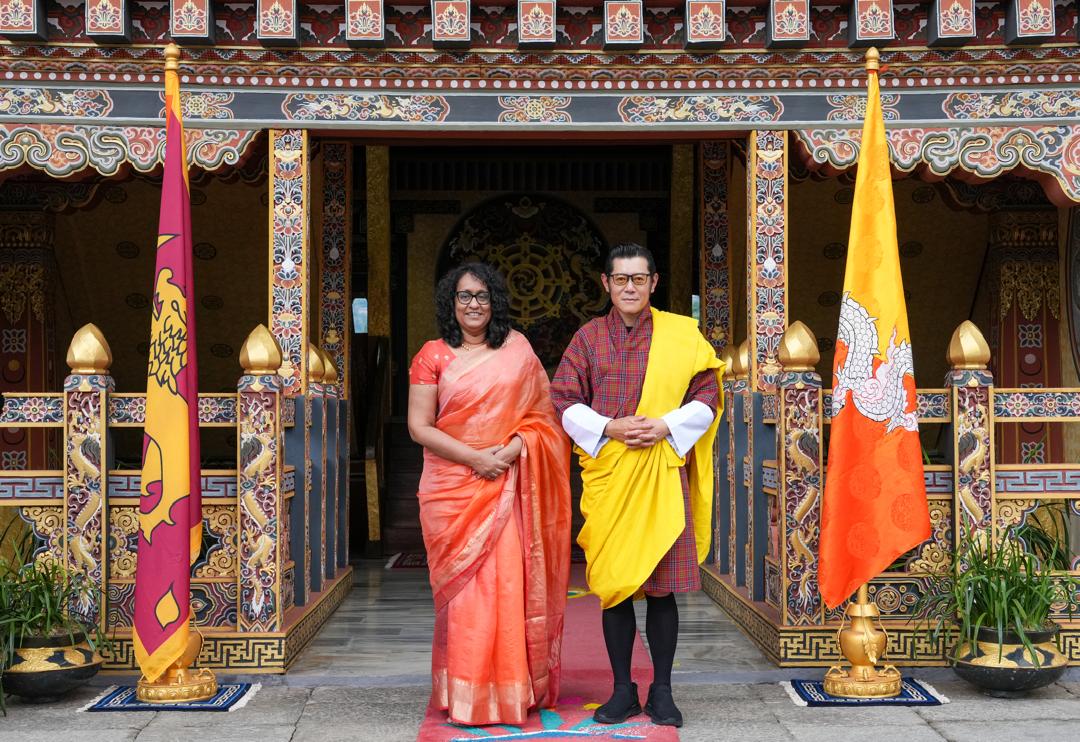
Prime Minister Dr. Harini Amarasuriya had an audience with His Majesty King Jigme Khesar Namgyel Wangchuck at the Tashichhodzong in Thimphu on September 02, during her official visit to the Kingdom of Bhutan.
The cordial discussion focused on Bhutan’s future development priorities and opportunities for cooperation between the two countries.
His Majesty expressed Bhutan’s interest in drawing on Sri Lanka’s experiences and expertise in areas relevant to its development plans. The discussion also focused on promoting investment between the two countries, including the possibility of establishing an investment zone in Bhutan.
The two sides also exchanged views on demographic challenges facing Bhutan, including the increasing migration of young people and its impact on the country’s population and future workforce.
The meeting highlighted the importance of strengthening bilateral cooperation and sharing experiences and best practices in support of the sustainable development of both countries.
(Prime Minister’s Media Division)
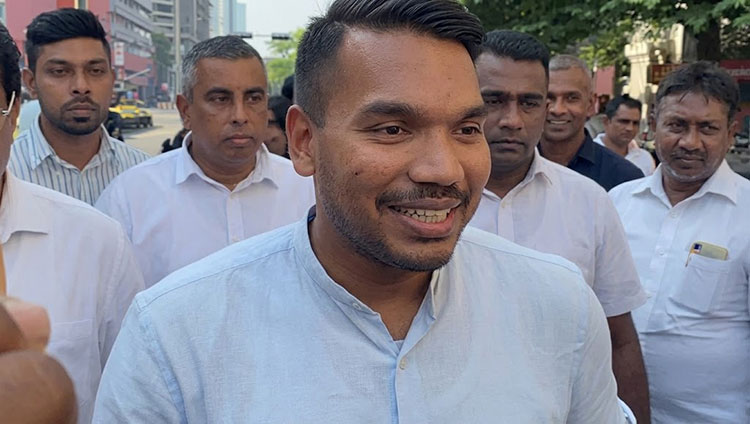
Sri Lanka Podujana Peramuna (SLPP) Member of Parliament Namal Rajapaksa has been arrested by the Commission to Investigate Allegations of Bribery or Corruption (CIABOC).
Namal Rajapaksa had been summoned by CIABOC to provide a statement in connection with investigations into the controversial Airbus deal. He was subsequently arrested by CIABOC after recording his statement for over 5 hours.

Prime Minister of Sri Lanka holds a bilateral meeting with Minister for Education and Skills Development of Bhutan

Prime Minister Meets His Majesty the King of Bhutan

Kusal Mendis, Binura Fernando ruled out of T20I series in England

SLPP MP Namal Rajapaksa arrested by CIABOC

Devapathiraja clinch U15 Division I title with 33-run win over Royal

Mandhana’s record ton powers India into semi-finals

‘Dates have the highest sugar content to fight Coronavirus’

Sunday Island 27 December – Headlines

#SundayIsland 17th December – Headlines

Sunday Island – 28th March

Sunday Island Headlines – 21 March

Sunday Island – 21st February – Headlines
-

 Features6 days ago
“Wrap Me Up in My Blazer”— A Gentlemanly Bradby Reminiscence
-

 Features5 days ago
When Sri Lankan stories find their own voice
-
 Features6 days ago
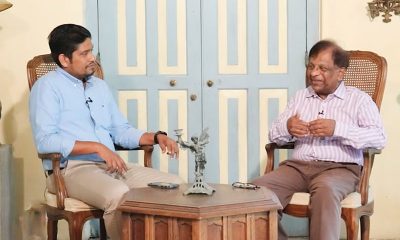
JVP/NPP government as seen from outside by Lionel Bopage now domiciled in Australia
-
 News5 days ago
BASL takes exception to Justice Ganepola being denied a place in SC
-

 Editorial7 days ago
Govt. trying to dupe UN Rapporteur?
-
 Features6 days ago
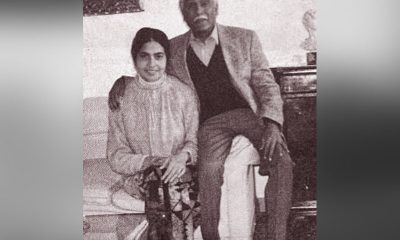
Prof. Savitri Goonesekere: What has she done?
-

 News2 days ago
Denied of promotion to SC despite vacancies, justice Gurusinghe retires
-

 Latest News2 days ago
Grade 5 scholarship exam results released