
Business
Dialog in partnership with Sampath Bank launches tourist fuel pass


Dialog Axiata PLC on the invitation of Ministry of Power and Energy and Ministry of Tourism partnered Sampath Bank PLC, to launch the Tourist Fuel Pass (TFP) that would enable tourists visiting Sri Lanka to obtain fuel without the standard quota restrictions. The TFP is a NFC-based stored value card that can be purchased on foreign currency at any Sampath Bank outlet. The Tourist Fuel Pass is powered by the Touch Fuel Platform developed by MilleniumIT ESP and accessible at selected Ceylon Petroleum Corporation (Ceypetco) and Lanka IOC (LIOC) fuel stations island-wide.
Dialog Axiata was licensed by the Central Bank of Sri Lanka as an Issuer of Payment Cards to facilitate issuance of single purpose stored value Tourist Fuel Pass cards. The Touch Fuel solution is available across 300 CPC and LIOC outlets and will be expanded to over 500 outlets by end-October 2022. Tourists can purchase the Tourist Fuel Pass for USD 5/- at any of the 229 Sampath Bank branches island-wide, including the outlet at the airport arrival. Tourists can access https://fuelpass.gov.lk/touristpass for additional information and contact the 24-hour hotline on 1393 for any card related queries. The Tourist Fuel Pass will be allowed a minimum of USD 50/- and a maximum of USD 300/- top-up value that can be paid in any accepted foreign currency, which will then be converted to LKR equivalent on the day’s prevailing forex rate and will be subject to a convenience fee deduction. The card is valid for 2 years from the date of activation. Further, any loss or damaged card can be replaced at any of the Sampath bank branches island-wide.
Commenting, Hon. Kanchana Wijesekera, Minister of Power and Energy said, “We are pleased to introduce the Tourist Fuel Pass to encourage overseas visitors to Sri Lanka who may be concerned about availability of fuel for their travel within the country. We are grateful to Dialog Axiata PLC, Sampath Bank PLC and Dialog’s Technology partner MillenniumIT ESP, along with CPC and LIOC for enabling the launch of this platform. The Government of Sri Lanka is committed to creating a safe and comfortable environment for all visitors to our beautiful country and the launch of TFP is one such initiative in that direction”.
Sharing his thoughts on the Tourist Fuel Pass, Hon. Harin Fernando, Minister of Tourism and Lands said “With the influx of visitors arriving in the country following the tourist season, I am pleased to see initiatives of this nature come to fruition. We have deep-seated confidence in this platform as it is powered by Dialog Axiata and Sampath Bank, two of the leaders in new technology & innovation. I must also acknowledge the efforts taken by MIT, Ceypetco and Lanka IOC for facilitating the launch of the Tourist Fuel Pass. We must all come together to showcase the beautiful nation that we all love as the accommodating, hospitable, ultimate travel destination that it is, and I am grateful to all those present on this occasion who have done so”.
Speaking about the initiative, Supun Weerasinghe, Group Chief Executive of Dialog Axiata PLC said, “We are thankful to the Ministry of Power and Energy and the Ministry of Tourism and Lands for their continued efforts and collaboration with the private sector to utilize digital platforms that would overcome challenges and accelerate growth. We are pleased to facilitate the ‘Tourist Fuel Pass’ solution and are thankful to our partners Sampath Bank, MIT, Ceypetco and Lanka IOC for enabling the launch of TFP on time for the upcoming tourist season”.
Sharing his thoughts on the partnership, Nanda Fernando, Managing Director of Sampath Bank PLC said “We at Sampath Bank are pleased to collaborate with Dialog Axiata PLC and Ceylon Petroleum Corporation on this new initiative as the exclusive banking partner for the new Tourist Fuel Pass. Introducing this scheme, guarantees an influx of foreign currency to the country as well as brings forth convenience and availability of fuel for tourists to travel around the island. As we thrive to support our country during these uncertain times, we are privileged to be on board with this project and to revive our nation”.
Expressing his thoughts, Susantha de Silva, Managing Director, CPC said, “Ceylon Petroleum Corporation takes pride in having been able to energize the future tourism industry by timely initiating the Tourist Fuel Pass in collaboration with all stakeholders. It has been a challenge but a joy to explore practical and user-friendly avenues to make tourists feel unburdened and carefree during their stay in our beautiful island. We are grateful to all the entities which held hands with Ceylon Petroleum Corporation in this journey to launch a Tourist Fuel Pass. I sincerely wish that this measure will drive the future tourism industry into a new phase and open new doors to uplift the country’s economy.”
Commenting, Manoj Gupta, Managing Director of LIOC said, “Atithidevo Bhava-A guest is akin to God. We are delighted to collaborate with Dialog Axiata PLC, Sampath Bank PLC and Dialog’s Technology partner Millennium IT ESP for this much awaited launch of Tourist Fuel Pass, that offers tourists fuel assurance at all LIOC sheds. As the travel and hospitality sector is witnessing increasing demand once again, we believe this Tourist Fuel Pass is coming at the right time for tourists looking at resuming their travel and enjoying their holidays in our island nation”.
Speaking about the initiative, Shevan Goonetilleke, CEO of MillenniumIT ESP said, “We are pleased to be a part of this great initiative in facilitating the ‘Tourist Fuel Pass’ that will contribute towards encouraging travelers to visit Sri Lanka despite the ongoing crisis. This platform launch was made possible by the incredible partnership between public and private sector companies, The Ministry of power and energy, The Ministry of Tourism and lands, Dialog Axiata PLC, Sampath Bank PLC, Ceypetco, and Lanka IOC. And this is just another example of how technology can rapidly create ecosystems to mitigate a national crisis.”



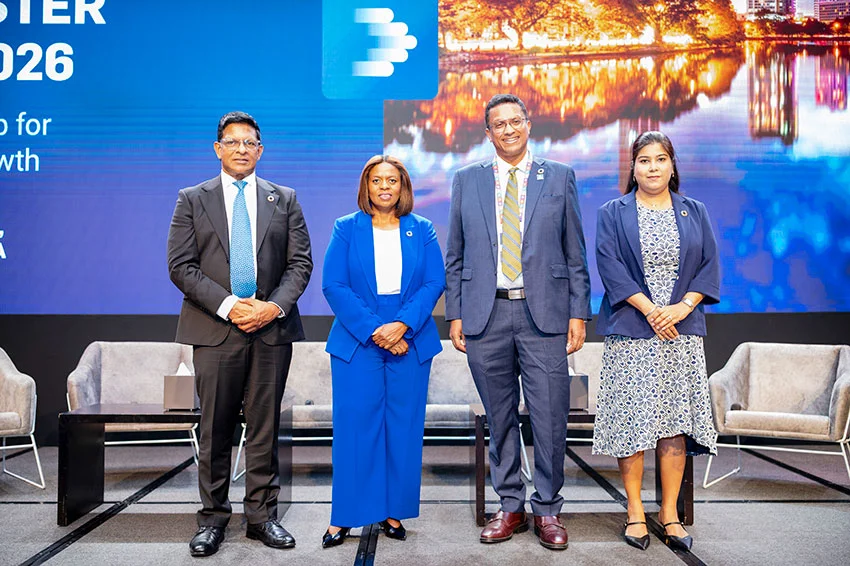
More than 200 senior business leaders, policymakers, investors, sustainability practitioners and United Nations representatives convened in Colombo on 11–12 August for Forward Faster Now | APAC 2026: Driving Business Leadership for Sustainable and Inclusive Growth—the United Nations Global Compact’s flagship regional forum in Asia-Pacific.
Hosted by UN Global Compact Network Sri Lanka and organized by the UN Global Compact APAC Hub in collaboration with 14 Global Compact Country Networks, the forum strengthened regional collaboration and demonstrated the growing role of business leadership in advancing sustainable and inclusive growth across Asia-Pacific.
More than 80 high-level speakers from across the region contributed to the two-day programme, bringing together expertise from business, finance, government, the United Nations and civil society. The forum also convened an exceptional audience of CEOs, C-Suite, Board Directors, Heads of UN agencies and senior decision-makers, creating one of the region’s most significant platforms for cross-sector dialogue on sustainable business.
Across plenary dialogues, leadership panels and action-oriented workshops, participants explored the issues shaping the future of business in Asia-Pacific, including climate action, sustainable finance, gender equality, resilient supply chains, water stewardship, governance and integrity, digital innovation, human rights due diligence, circular economy solutions and ESG data for decision-making. Rather than focusing solely on ambition, Forward Faster Now challenged businesses to move from broad sustainability goals to target setting, practical decisions, stronger systems and action that can deliver progress at scale.
A defining milestone of the forum was the visit of Sanda Ojiambo, Assistant Secretary-General, CEO and Executive Director of the UN Global Compact. Her presence in Sri Lanka underscored the country’s growing role within the regional sustainability agenda and reinforced the importance of private sector leadership in delivering the Sustainable Development Goals.
Beyond the public programme, her visit included a series of bilateral engagements and strategic convenings with business and institutional leaders, deepening relationships and opening new avenues for engagement between the UN Global Compact and stakeholders in Sri Lanka.
The event also marked the launch of three significant initiatives by UN Global Compact Network Sri Lanka that will extend the impact of the convening well beyond the event itself. The Responsible Business Coalition was introduced as a new partnership to embed sustainability, and strengthen governance by bringing together Sri Lanka’s leading professional and industry associations to embed the Ten Principles of the UN Global Compact into their existing convening, training and thought-leadership channels, moving responsible business from a standalone function to a shared C-Suite and Board responsibility.
Business
Sri Lanka Insurance Corporation General celebrates ‘One Team, One Vision’ sales excellence at Annual Awards 2025

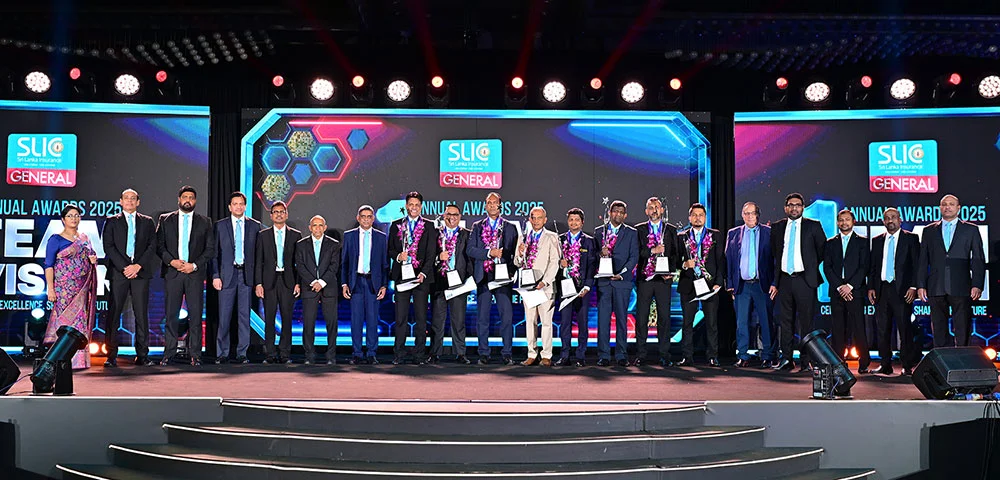
The Sri Lanka Insurance Corporation General Ltd. (SLICGL) team gathered to honour its top-performing sales professionals at the Annual Sales Awards 2025, held under the theme ‘One Team, One Vision’ on 20th August at the Monarch Imperial.
The evening convened sales leaders and high achievers throughout the island to celebrate a year of sustained performance, customer trust, and commitment which has kept SLICGL at the forefront of Sri Lanka’s general insurance sector.
Affirming SLICGL’s appreciation for the people driving success on the ground, the Sales Awards 2025 recognised those who went beyond targets, deepened client relationships, and contributed directly to the company’s continued expansion.
The event drew an unprecedented audience of over 700 participants. This year’s celebrations recognised a record number of winners, more than double the achievements honoured last year covering a diverse range of award categories reflecting excellence at every level of the business.
Nusith Kumaratunga, Chairman, Sri Lanka Insurance Corporation graced the event as the Chief Guest together with the Board of Directors and senior management of SLICGL also present as invited guests, encouraging and commending the winners for their outstanding achievements.
The award winners at this year’s ceremony included Insurance Advisors, Marketing Executives, Branch Managers, Regional Managers, and members of the Head Office Sales Channels, who were recognised and celebrated for their outstanding achievements in multiple categories.
Business
Sri Lanka to host SEARIC Summit 2026 for the first time, welcoming over 500 youth leaders from across South East Asia
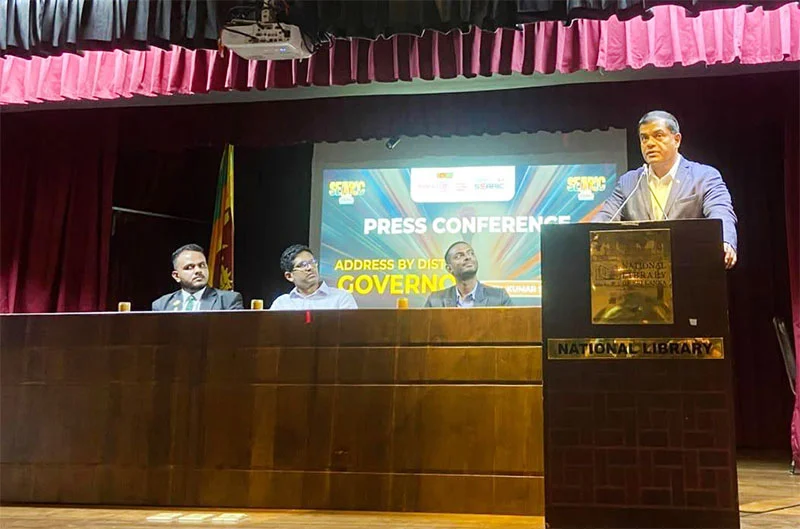
Sri Lanka is set to host the SEARIC Summit 2026 from 11 to 13 September 2026 at the Pegasus Reef Hotel, marking the first time the country will host the flagship regional gathering of the South East Asia Rotaract Information Centre (SEARIC).
Hosted by Rotaract in Rotary International District 3220 (RID 3220) – Sri Lanka & Maldives, the three-day summit is expected to bring together more than 500 delegates from six countries, creating a regional platform for leadership development, knowledge exchange, cultural understanding and collaboration among young leaders. The South-East Asia Rotaract Information Centre (SEARIC) serves as a regional platform connecting Rotaract districts across South East Asia. It facilitates collaboration, information exchange, cultural understanding and joint initiatives among Rotaractors across the region. The annual SEARIC Summit serves as the network’s flagship gathering, bringing together Rotaractors and Rotarians from participating countries for shared learning, fellowship, cultural exchange and collective growth.
Under the theme “The Role of Technology in the Future of Careers and Services,” SEARIC Summit Sri Lanka 2026 will explore the rapidly changing relationship between technology, careers, leadership and community service. As emerging technologies continue to transform industries and the way people work, the summit will provide a platform for young leaders to examine how technology can be used not only to prepare for the future of work, but also to strengthen the way communities are served. Across three days, delegates will participate in leadership and professional development sessions, discussions, cultural experiences, networking opportunities and community-focused programming, with the central theme reflected throughout the summit programme.
Beyond the Rotaract movement, the event also contributes to Sri Lanka’s broader positioning as a destination for international conferences, youth leadership programmes and regional collaboration. With hundreds of international delegates travelling to the country, the summit provides an opportunity to showcase Sri Lanka’s hospitality, culture and potential as a host destination for future international gatherings. The event further creates a platform for young leaders from across South East Asia to connect with Sri Lankan counterparts, exchange ideas and explore opportunities for cross-border collaboration.

More than 360 dead, 1,400 missing in Nepal and Tibet after Himalayan floods

Bosnian Serb convicted war criminal Ratko Mladic dies

Prince of Wales to celebrate 150th anniversary with six-a-side cricket

Unyielding Dinusha, spirited tail hold off India to save Colombo Test

US golfer Gogel gets six-month ban for betting

UAE’s Asif Khan handed 15-month ban for using a banned substance

‘Dates have the highest sugar content to fight Coronavirus’

Sunday Island 27 December – Headlines

#SundayIsland 17th December – Headlines

Sunday Island – 28th March

Sunday Island Headlines – 21 March

Sunday Island – 21st February – Headlines
-
 News7 days ago
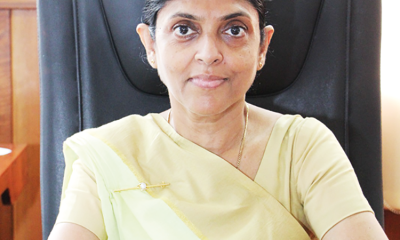
Country’s first woman Surveyor General appointed
-
 Business6 days ago
SriLankan Airlines makes ShakthiSAT Mission possible for talented Sri Lankan student
-

 Features7 days ago
Medical education in Sri Lanka: Then and now
-

 Latest News6 days ago
Imran Khan moved to private hospital amid deteriorating health
-

 Latest News7 days ago
Government has declared 21, 22 and 23 August 2026 as national days of mourning
-

 Features5 days ago
My secondary schooling after Royal Primary
-

 Latest News6 days ago
Tharanga edges out Chopra in 88m javelin battle
-
 News7 days ago
22A: Opp. demands all available SC judges hear petitions