
News
UN warns 345 million people face starvation worldwide

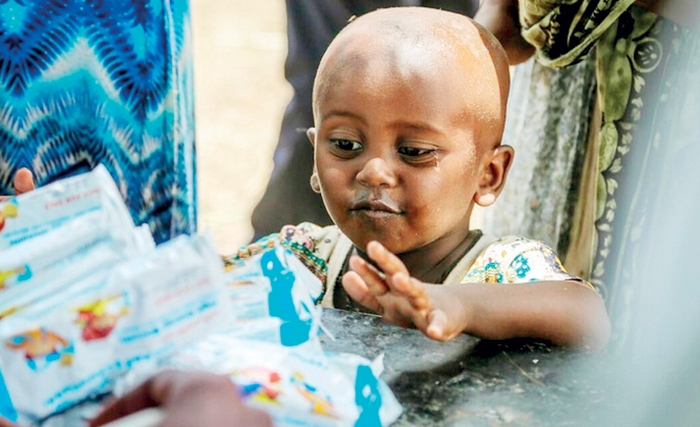
The United Nations food chief has warned the world is facing “a global emergency of unprecedented magnitude” with up to 345 million people marching towards starvation – and 70 million pushed closer to starvation by the war in Ukraine.David Beasley, Executive Director of the UN World Food Programme, told the UN Security Council on Thursday the 345 million people facing acute food insecurity in the 82 countries where the agency operates is more than twice the number of acutely food insecure people before the COVID-19 pandemic hit in 2020.
He said it is incredibly troubling that 50 million of those people in 45 countries are suffering from very acute malnutrition and are “knocking on famine’s door”.
“What was a wave of hunger is now a tsunami of hunger,” he said, pointing to rising conflict, the pandemic’s economic ripple effects, climate change, rising fuel prices and Russia’s invasion of Ukraine.
Since Russia invaded its neighbour on February 24, Beasley said, soaring food, fuel and fertiliser costs have driven 70 million people closer to starvation.Despite an agreement in July, allowing Ukrainian grain to be shipped from three Black Sea ports, blockaded by Russia, and continuing efforts to get Russian fertiliser back to global markets, “there is a real and dangerous risk of multiple famines this year”, he said.
“And in 2023, the current food price crisis could develop into a food availability crisis if we don’t act.”
‘All hands on deck’
The Security Council was focusing on conflict-induced food insecurity and the risk of famine in Ethiopia, northeastern Nigeria, South Sudan and Yemen. But Beasley and UN humanitarian chief Martin Griffiths also warned about the food crisis in Somalia, which they both recently visited, and Griffiths also put Afghanistan high on the list.
“Famine will happen in Somalia. Be sure it won’t be the only place either,” Griffiths said.
He cited recent assessments that identified “hundreds of thousands of people facing catastrophic levels of hunger” – meaning they are at the worst famine level.
Beasley recalled his warning to the council in April 2020 “that we were then facing famine, starvation of biblical proportions”. He said then the world “stepped up with funding and tremendous response, and we averted catastrophe”.
“We are on the edge once again, even worse, and we must do all that we can – all hands on deck with every fibre of our bodies,” he said. “The hungry people of the world are counting on us and … we must not let them down.”
Effects of conflict and violence
Griffiths said the widespread and increasing food insecurity is a result of the direct and indirect effect of conflict and violence that kills and injures civilians, forces families to flee the land they depend on for income and food, and leads to economic decline and rising prices for food they cannot afford.After more than seven years of war In Yemen, he said, “some 19 million people – six out of 10 – are acutely food insecure, an estimated 160,000 people are facing catastrophe, and 538,000 children are severely malnourished”.
Beasley said the Ukraine war is stoking inflation in Yemen, which is 90 percent reliant on food imports. The World Food Programme hopes to provide aid to about 18 million people, but its costs have risen 30 percent this year to $2.6bn.As a result, it has been forced to cut back so Yemenis this month are getting only two-thirds of their previous rations, he said.
Beasley said South Sudan faces “its highest rate of acute hunger since its independence in 2011” from Sudan. He said 7.7 million people, more than 60 percent of the population, are “facing critical or worse levels of food insecurity”.
Without a political solution to escalating violence and substantial spending on aid, “many people in South Sudan will die”, he warned.‘Exhausted families over the edge’ In northern Ethiopia’s Tigray, Afar and Amhara regions, more than 13 million people need life-saving food, Griffiths said. He pointed to a survey in Tigray in June that found 89 percent of people food insecure, “more than half of them severely so”.
Beasley said a truce in March enabled WFP and its partners to reach almost five million people in the Tigray area, but resumed fighting in recent weeks “threatens to push many hungry, exhausted families over the edge”.
In northeast Nigeria, the UN projects that 4.1 million people are facing high levels of food insecurity, including 588,000 who faced emergency levels between June and August, Griffiths said. Almost half of those people could not be reached because of insecurity, and the UN fears “some people may already be at the level of catastrophe and already dying”.
Griffiths urged the Security Council to “leave no stone unturned” in trying to end these conflicts, and to step up financing for humanitarian operations, saying UN appeals in those four countries are all “well below half of the required funding”. – Al Jazeera

News
Prime Minister of Sri Lanka holds a bilateral meeting with Minister for Education and Skills Development of Bhutan

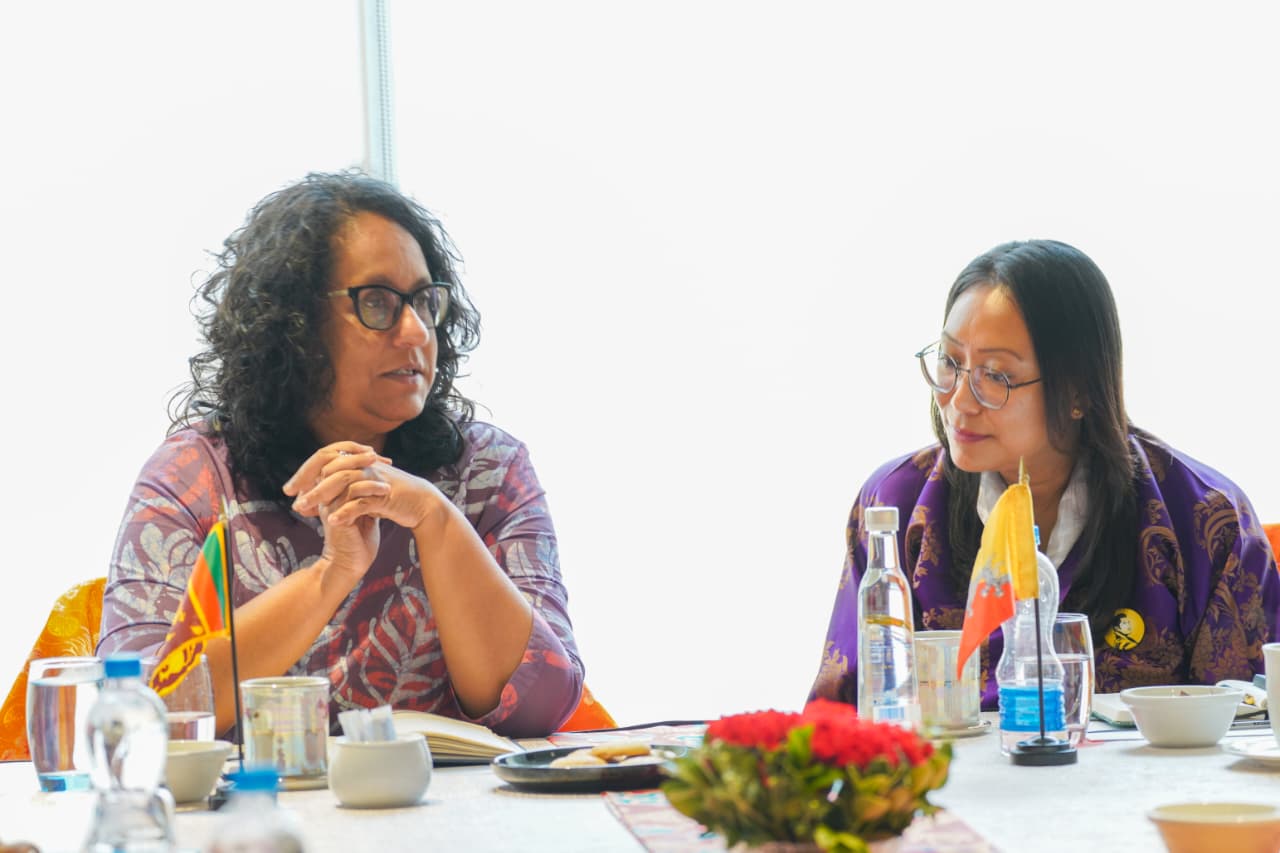
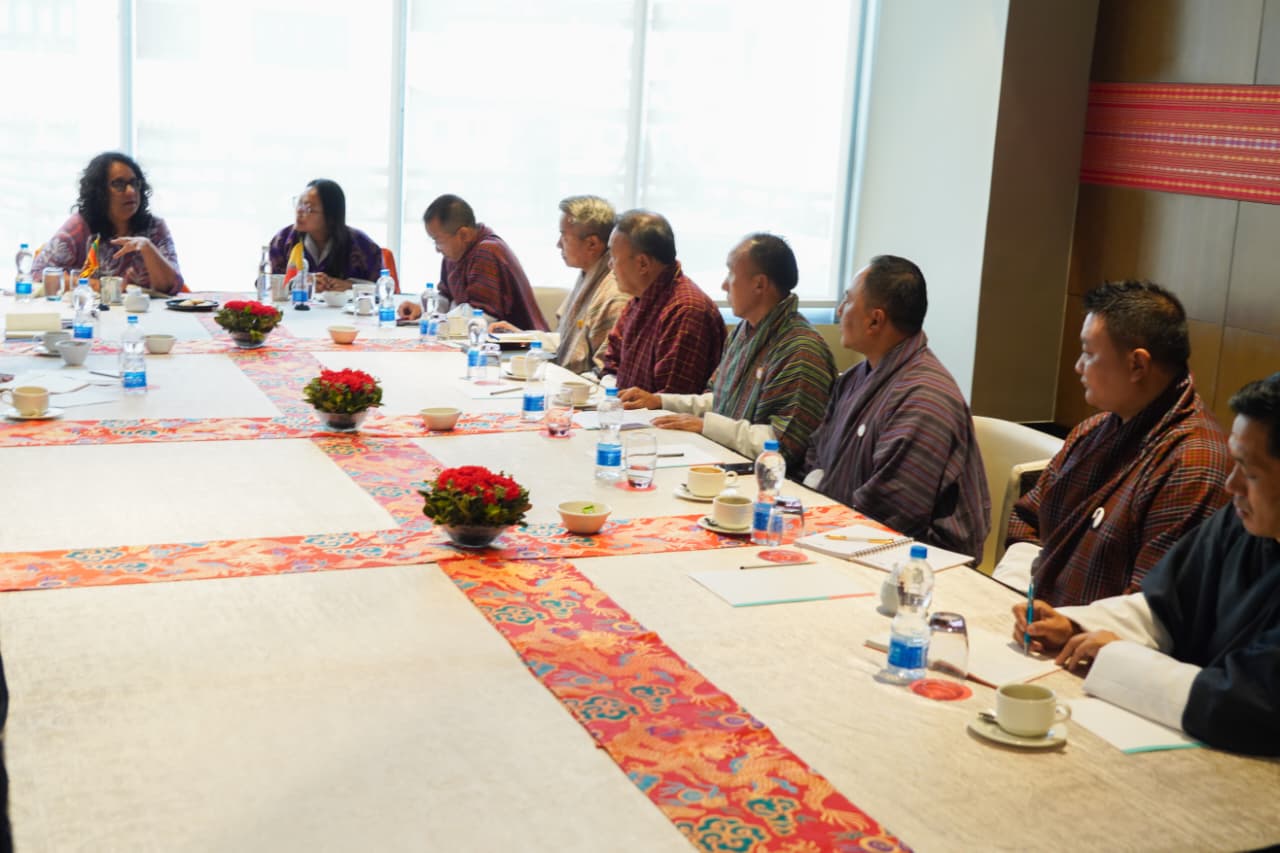
On the sidelines of the inaugural Global Conscious Food Systems Summit 2026, being held in Bhutan from 31 August to 4 September 2026, Prime Minister of Sri Lanka, Dr. Harini Amarasuriya, in her capacity as Minister of Education, Higher Education and Vocational Education, held a productive bilateral meeting with Yeezang De Thapa, Minister for Education and Skills Development of Bhutan, on 03 September 2026.
The discussions focused on further strengthening and expanding Sri Lanka-Bhutan cooperation in the education sector, with particular emphasis on developing mutually beneficial initiatives through enhanced Government-to-Government engagement.
Both sides underscored the importance of deepening institutional cooperation and exploring new avenues for collaboration in education, higher education and vocational training, with a view to creating greater opportunities for students, educators and academic institutions of both countries.
During the meeting, both sides agreed to initiate discussions towards the finalization and signing of a Memorandum of Understanding (MoU) on cooperation in the fields of education and vocational training. It was also agreed that the implementation of the MoU could be facilitated through the establishment of a Joint Working Group, headed at the Secretary level, with meetings to be convened annually to review progress, identify new areas of cooperation, and facilitate the effective implementation of agreed activities.
The major areas of cooperation discussed included enhancing collaboration among universities and academic institutions, promoting academic and faculty exchanges, joint research and university programmes, strengthening training and capacity-building opportunities for educators and teachers, and sharing expertise and best practices in the education and vocational training sectors.
The two sides also discussed strengthening child protection and safeguarding mechanisms, promoting ethical values among students, and addressing violence against children while ensuring their safety, protection, well-being and access to quality education.
Opportunities for Bhutanese students to pursue undergraduate studies at universities in Sri Lanka were also discussed, with particular emphasis on Dentistry, Medicine (MBBS), and allied health disciplines such as Physiotherapy. The discussions further covered opportunities for postgraduate studies in medical and health sciences at Sri Lankan universities, as well as enhanced collaboration among universities and other academic institutions of the two countries.
The meeting provided a valuable opportunity for Sri Lanka and Bhutan to advance cooperation in education and vocational training and explore new avenues for long-term collaboration for the mutual benefit of students, educators and academic institutions of both countries.
(Prime Minister’s Media Division)
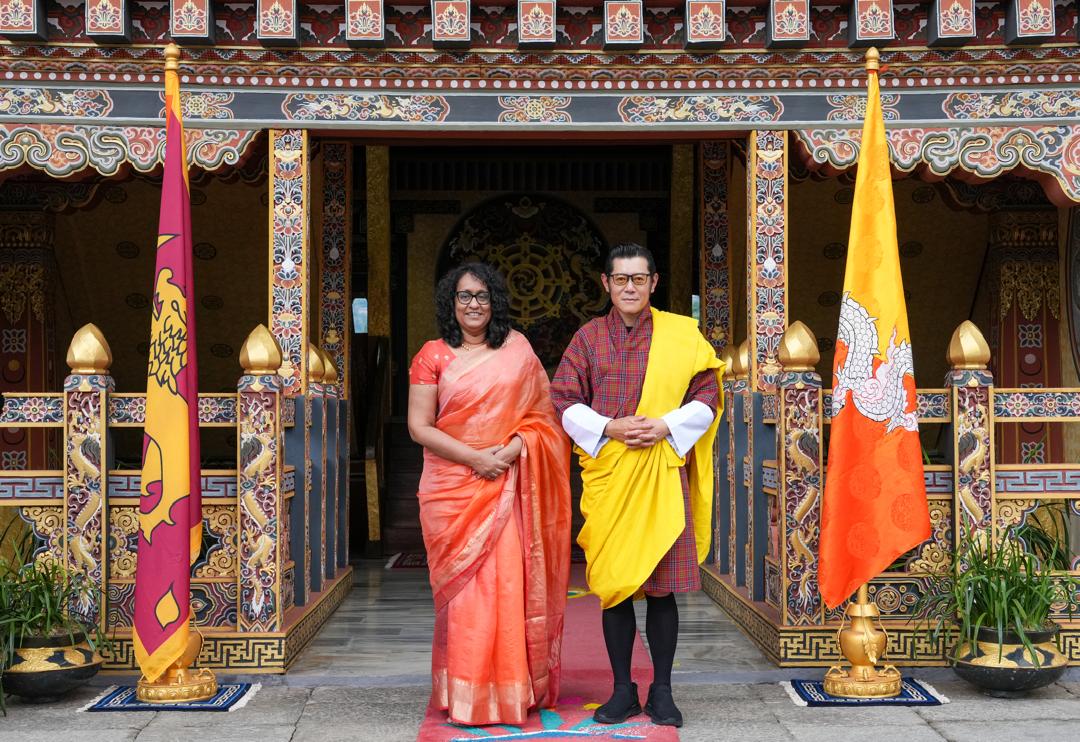
Prime Minister Dr. Harini Amarasuriya had an audience with His Majesty King Jigme Khesar Namgyel Wangchuck at the Tashichhodzong in Thimphu on September 02, during her official visit to the Kingdom of Bhutan.
The cordial discussion focused on Bhutan’s future development priorities and opportunities for cooperation between the two countries.
His Majesty expressed Bhutan’s interest in drawing on Sri Lanka’s experiences and expertise in areas relevant to its development plans. The discussion also focused on promoting investment between the two countries, including the possibility of establishing an investment zone in Bhutan.
The two sides also exchanged views on demographic challenges facing Bhutan, including the increasing migration of young people and its impact on the country’s population and future workforce.
The meeting highlighted the importance of strengthening bilateral cooperation and sharing experiences and best practices in support of the sustainable development of both countries.
(Prime Minister’s Media Division)
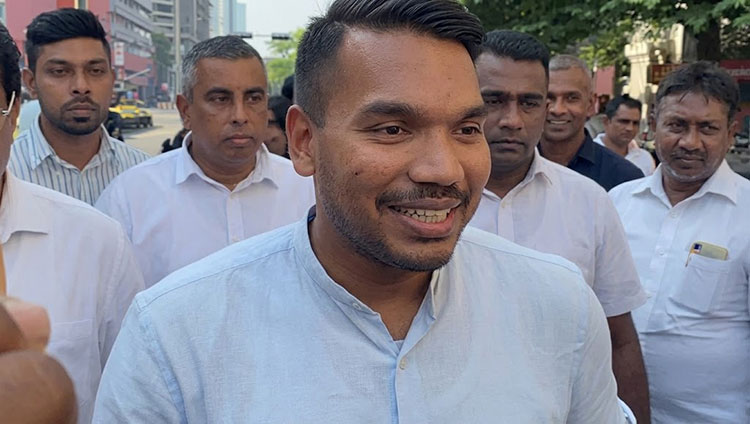
Sri Lanka Podujana Peramuna (SLPP) Member of Parliament Namal Rajapaksa has been arrested by the Commission to Investigate Allegations of Bribery or Corruption (CIABOC).
Namal Rajapaksa had been summoned by CIABOC to provide a statement in connection with investigations into the controversial Airbus deal. He was subsequently arrested by CIABOC after recording his statement for over 5 hours.

Prime Minister of Sri Lanka holds a bilateral meeting with Minister for Education and Skills Development of Bhutan

Prime Minister Meets His Majesty the King of Bhutan

Kusal Mendis, Binura Fernando ruled out of T20I series in England

SLPP MP Namal Rajapaksa arrested by CIABOC

Devapathiraja clinch U15 Division I title with 33-run win over Royal

Mandhana’s record ton powers India into semi-finals

‘Dates have the highest sugar content to fight Coronavirus’

Sunday Island 27 December – Headlines

#SundayIsland 17th December – Headlines

Sunday Island – 28th March

Sunday Island Headlines – 21 March

Sunday Island – 21st February – Headlines
-

 Features6 days ago
“Wrap Me Up in My Blazer”— A Gentlemanly Bradby Reminiscence
-

 Features5 days ago
When Sri Lankan stories find their own voice
-

 Features6 days ago
JVP/NPP government as seen from outside by Lionel Bopage now domiciled in Australia
-

 News5 days ago
BASL takes exception to Justice Ganepola being denied a place in SC
-

 Editorial7 days ago
Govt. trying to dupe UN Rapporteur?
-

 Features6 days ago
Prof. Savitri Goonesekere: What has she done?
-

 News2 days ago
Denied of promotion to SC despite vacancies, justice Gurusinghe retires
-

 Latest News2 days ago
Grade 5 scholarship exam results released