
Opinion
Immediate and short-term interventions proposed to mitigate impact of current economic crisis on food and nutritional security

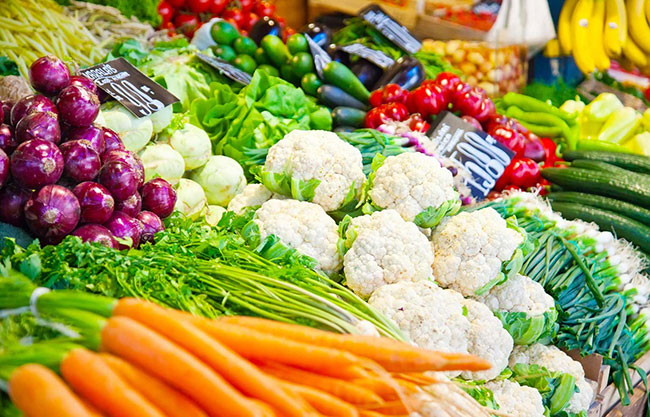
Current status
Agriculture currently occupies around 40% of the land and consumes over 80% of the fresh water resources of the country. There are about two million farmers, who account for 25% of the workforce of the country; yet, they contribute only around 6% of the GDP, which shows the low productivity of both land and labour and the poor value addition in agriculture. According to the last census of agriculture (2002), of the 3.3 million land holdings, 45% were less than 0.1 ha (quarter of an acre) and over 90% of the production units were less than 2 ha (5 acres). The situation may have been further exacerbated since, owing to fragmentation. Smallholder farmers who constitute the overwhelming majority of the farming population of the country are mainly engaged in primary production and contribute nearly 80% of the total annual crop production. Moreover, the bulk of land, over 80%, especially in rural areas, is owned by the government which has leased it in small lots to landless farmers. Owing to the scattered nature and small size of the holdings, they are difficult to consolidate, making it difficult to use machinery and achieve economies of scale. Besides, owing to non-ownership of land, farmers face difficulty in obtaining bank loans or investing in development, which constrains productivity improvement, value addition and the linking of rural agriculture to the global value chain.
In addition, the agriculture sector is beset with a myriad of other issues, including poor resource use efficiency, i.e., land, water and fertiliser, irregular use of pesticides, uncoordinated and unregulated production leading to unpredictable gluts and scarcities that cause drastic price fluctuations, unsatisfactory and inadequate extension service, lack of innovative business models and poor integration of agriculture with national, regional and global value chains. These issues have been exacerbated by the lack of a rational, coherent and consistent national policy with a clear sense of direction and depth, particularly in agriculture, land and trade. The recent abrupt ban of the import of chemical fertilisers, pesticides and weedicides in order to make Sri Lankan agriculture exclusively organic, is a poignant example.
Malnutrition and under-nutrition in children have already assumed alarming proportions with around 20% of children being underweight and about 15% suffering from chronic malnutrition and wasting disease. This will be further aggravated by the current food crisis, marked by scarcities, unavailability and/or price escalations of essential food items which will have far-reaching social, health economic and political implications. The crisis has led to growing unrest, tension and aggressiveness of the people affected. Therefore, while pursuing medium and long-term plans and programmes to develop robust sustainable agricultural systems, it is of prime importance to identify immediate and short-term actionable interventions to mitigate the impact of the economic crisis on food and nutritional security.
It is against this backdrop that the National Science Foundation, the premier national institution mandated to promote S&T for national development, assembled a galaxy of high-profile renowned scientists, professionals, academics and community leaders in agriculture, as well as representatives from leading agro-based enterprises and farmer organisations in the country, to identify immediate and short-term interventions to minimize the impact of the economic crisis on food security. Recommendations that emanated from the deliberations are given below for the attention of and early action by the relevant authorities:
Immediate and short-term interventions recommended to mitigate the impact of the economic crisis on food and nutritional security
1. Determination of the food and feed requirement, food production and food deficit/surplus in respect of the major food crops at district and national levels. This is required to understand the magnitude and gravity of food and nutritional insecurity and its spatial variation. For instance, only about 10% of the food requirement of the Western Province is produced within the Province and the deficit, i.e. 90%, is met by food produced in other areas and imports. On the other hand, the agriculturally active North-Central Province faces significantly far less food insecurity issues. Such information is vital to make effective interventions that will minimize the impact of the food crisis on the health and wellbeing of the people of the country and to ensure equitable distribution of the limited food supplies.
2. Identification of food crops and their varieties, i.e., cereals, pulses, yams, vegetables and fruits, that are most essential to food and nutritional security and import substitution.
Here, it becomes pertinent to identify crop varieties that are adaptable to low-external input sustainable agriculture (LEISA), and are relatively less affected by the shortage and/or prohibitive prices of inputs, i.e. planting material, fertilizers, pesticides, fuel for machinery (for land preparation, harvesting, etc.) based on past experience.
3.Determination of agro-climatically and edaphically most suitable areas for cultivation of the crops and their varieties identified under (2), to enable matching of crop and land for optimum yield. This can also be done based on the past experience and observations of farmers and officers of relevant institutions including Department of Agriculture and Department of Agrarian Development to meet the urgent need. Presently, farming is done in an unscientific and indiscriminate manner and many crops are grown under suboptimal and marginal conditions, thus producing far below their potential.
4. A rapid multiplication programme of high-quality planting material to meet the increased demand.
This is extremely important for paddy and due attention should be paid to collect adequate seed paddy from this Yala season harvest to meet the need in the coming Maha season which is about 80,000 metric tons. This should be done as an emergency programme to make sure that the seed paddy produced from this Yala harvest will not be consumed. As there is a Faculty of Agriculture in practically every province, and about a dozen Schools of Agriculture under the Department of Agriculture (DoA), their students can achieve rapid multiplication of other planting materials as part of their training programme under the guidance of the staff with little additional funding to meet provincial needs. Agrarian Service Centres, farmer organisations, Community-based organisations and such like should also be empowered and supported in this regard. The planting material produced must be sold at a fair price.
5. Cultivation of the 3rd season (between Yala and Maha) and 2022/23 Maha season to maximize production.
Production in high potential areas in the dry zone should be maximized as the wet zone has a lower yield potential and its farmers are predominantly part-time. Island-wide awareness programmes should also be conducted with the support of outstanding farmers and relevant institutions to achieve the highest yield potential with prudent use of inputs such as fertiliser, pesticides, water and fuel.
6. Identification of outstanding enterprising farmers in each AGA division who have consistently produced relatively high yields, particularly those who adopt good agricultural practices (GAPs), including integrated farming and integrated nutrient management.
The Dept. of Agrarian Development (DAD), DoA, Mahaweli Authority, SANASA, Sarvodaya, etc., can further assist in this regard. As there are 565 Agrarian Service Centres (ASCs) in the country, with links to farmers and institutions related to agriculture, ASCs may play a leading role in this connection. However, in order to avoid possible conflicts, the whole process should be conducted transparently and credibly with the participation of key stakeholders, i.e. representatives from the divisional secretariat, DoA , DAD/ASC, farmer organisations etc.
7. Making available the expensive limited inputs, i.e. chemical fertilisers, pesticides, weedicides, fuel for machinery etc., to the most outstanding selected farmers in areas with high agricultural potential for the crops/varieties in each district.
This will ensure maximum return on investment (ROI) and minimize unregulated, uncoordinated, ad hoc crop production for commercial purposes under sub-optimal and marginal conditions.
For instance, paddy is grown in 22 districts in the country with the average yield ranging from about 2.5 to around 6 metric tons/ha. However, in all the districts, more or less comparable quantities of water, fertilisers and pesticides are used per hectare. Therefore, the use of the limited fertilizers, agrochemicals and fuel in the most effective and productive manner will produce the highest possible yield so as to mitigate food shortages and nutritional insecurity. Thus, Sri Lanka should be able to maintain the same level of national production, with about one million farmers working about half of the extent cultivated now, if farming is done scientifically through matching of crop and land with proper planning and management. This will save a lot of water – at present, about 2500-5000 litres are required to produce one kilogram of rice depending on where it is grown – which can then be used for other purposes including generation of hydropower and reduce the need for agrochemicals. This will help to minimize the environmental and health hazards associated with agriculture and reduce the drain of foreign exchange.
8. Augmenting the production of organic manure for food crop production and inoculum for the production of pulses such as cowpea, mungbean, and soybean.
The former can be achieved with support from the garbage disposal unit of each UC and MC. In addition, immediate action should be taken to increase the production Single Super Phosphate (SSP) from Eppawala Rock Phosphate and produce ash from paddy husk and other suitable material as a source of potassium. Community-based organizations and the private sector can assist in these initiatives.
9. Cultivation of lands available in government institutions, religious institutions, schools etc. with assistance of the staff of the DoA, DAD, Mahaweli Authority, Faculties of Agriculture, Schools of Agriculture, and outstanding farmers in the area.
School children and public sector employees can be mobilized as necessary for cultivating crops in their respective premises for a few hours every week on a rotational basis during the crisis period. Moreover, agricultural lands with high potential should be leased to outstanding farmers and private sector for cultivation with attractive incentives/benefits offered to landowners. Polyculture should be promoted over monoculture wherever possible.
10. Launch of an accelerated programme for increasing the productivity and extent cultivated of home gardens, which hitherto have remained under-exploited.
There are over 4.46 million home gardens in the country with a total extent of 835,000 ha spread over the 25 districts. They operate far below their potential and their productivity can be considerably increased through intensification and improved management with minimal additional external inputs or expenditure. There are around 40 types of green leaves, and over 50 types of traditional and indigenous yams and tuber crops in Sri Lanka, which are not well known and hence under-exploited. They are a valuable source of minerals, vitamins, and energy.
11. Promotion of urban agriculture (vertical farming, rooftop farming, window gardening, balcony gardening etc.) and edible landscaping in suitable common urban areas.
This will be of great relevance to the Western Province where only about 10% of its food requirement is produced within the province. This should be facilitated by conducting appropriate awareness and training programmes and providing the requisite planting material, know-how and show-how which can easily be done by the staff of the DoA, Hector Kobbekaduwa Agrarian Research and Training Institute (HARTI), Faculties of Agriculture, etc.
12. Use of lands unsuitable for cultivating food crops to establish pasture or pasture/legume mixtures for increasing milk production, and of paddy fields which are not cultivated owing to shortage of fertilizer, pesticides and machinery to cultivate crops and vegetables that need a minimum of inputs.
Besides, mushroom production which requires no agricultural inputs such as fertilizer and agrochemicals should be promoted as a cottage industry.
13. Setting up of economic centres in each agriculturally important district for the purchase and distribution of agricultural produce mainly within the district, thereby reducing not only fuel consumption and carbon footprint, but also postharvest losses, i.e. 30-40%, and quality deterioration.
Presently what is produced in Angunukolapalassa is transported to the Dambulla Economic Centre from where it is distributed to other districts including Hambantota. In addition, cottage industries should be developed in agriculturally important areas for value addition, reduction of postharvest losses, and coping with gluts.
14.
Development of innovative business models with the engagement of appropriate private sector institutions in order to increase productivity and profitability of agricultural enterprises with linkages to local (i.e. supermarket chains), regional and global markets. For instance, “Polos” has a global market exceeding $ 30 billion and Sri Lanka has a great potential to export polos to the West, where there is a growing demand for meat substitutes. Cultivation of non-narcotic cannabis is another plant with an immense global market. These can also earn much needed foreign exchange for the country.
15. Upgrading and integrating the digital platforms in operation to provide the requisite information and services to farmers and stakeholders, including weather data, market dynamics (price fluctuations and supply and demand), recommendations for the control of pest and diseases, early warning against disease outbreaks, natural hazards etc.
This will ensure a fair price for the farmers and reduce exploitation by the middlemen.
16. Putting in place price controls to prevent the exploitation of farmers by the vendors of agrochemicals who are presently the main suppliers, as well as the prescribers, of agrochemicals to the farming community.
Therefore, like medicine, sale of pesticides and weedicides should be subject to strict guidelines by the relevant authorities.
17. Making use of existing, home-grown, low-cost technologies for the preservation of crops such as jak, breadfruit and manioc and fruits such as wood apple, mango, papaya, sweet melon, “waraka” and ‘belli”.
Establishment of small scale processing centers in the relevant districts or DS divisions will be useful to reduce post-harvest losses and add value to such produce. In addition, cultivation of sugarcane in small holdings can be developed as a cottage industry to produce cane jaggery and cane treacle; they can be used as a substitute for sugar which is currently imported at a cost exceeding Rs 40 billion per annum.
18. Conduct of appropriate educational and awareness programmes, electronic and otherwise, aimed at enhancing food and nutrition literacy (FNL).
This will significantly contribute to the ability of people, especially the economically disadvantaged, to overcome the misplaced fear and apprehension due to media hype that causes panic buying, hoarding, scarcities and price escalations. Such programmes are of great relevance as young children and youth are lured into buying unhealthy, junk food and fizzy beverages by the aggressive and attractive advertising campaigns conducted by some commercial concerns.
Nutrition is especially important during pregnancy and infancy, which are crucial periods for the formation of the brain, laying the foundation for the development of cognitive, motor, and socio-emotional skills throughout childhood and adulthood. Therefore, it is imperative to identify the vulnerable segments of the population in the country and develop a mechanism to provide assistance, food and otherwise, to minimize impact of the food and nutritional insecurity on cognitive and physical development in particular and health in general, paying attention to the elderly as well who account for 12.3% of the population, i.e. about 3.3 million.
19. Introduction of an encouragement award scheme, with attractive incentives and a befitting title, in order to motivate, recognize and felicitate the TOP 10 exemplary farmers at the divisional, district and national levels.
Gramasevaka Niladhari (14,002), Samurdhi recipients (3.3 million), Development Officers (c. 100,000) , Vidatha Resource Centre Officers (260), Agricultural Research and Production Assistants (>8,000) etc. should be mobilized and harnessed as required for the above interventions at the Divisional Secretariat (331) or Agrarian Service Centre level (565) as appropriate.
This report constitutes recommendations pertaining to only the Food Crop sub-sector. Fisheries & Aquaculture and Livestock & Poultry sub-sectors also contribute greatly to improve food security. Similar reports for those two sub-sectors are in preparation. Implementation of the above proposed interventions through a holistic approach with the participation of the relevant public and private sector institutions, and community-based and farmer organisations will contribute in no small measure to mitigating the impact of the current economic crisis on food and nutritional security of the people of the country.
Prof. Ranjith Senaratne
, Chairman, National Science Foundation and Professor Emeritus, Department of Crop Science, University of Ruhuna
Dr. Sepalika Sudasinghe, Director General, National Science Foundation
Prof. Gamini Senanayake
, Chairman, Council for Agricultural Research Policy and Professor Emeritus, Department of Agricultural Biology, University of Ruhuna
Rizvi Zaheed
, Chairman, Steering Committee on Agriculture, NSF and Chairman, Agripreneurs Forum
Dr. W.M.W. Weerakoon
, former Director General, Department of Agriculture
A.H.M.L. Abeyrathna
, Commissioner General, Department of Agrarian Development
Dr. Sirimal Premakumara
, Chairman, Industrial Technology Institute
Dr. Vinya Ariyaratne
, President, Sarvodaya Shramadana Movement
Samadanie Kiriwandeniya
, Managing Director, SANASA International (Pvt) Ltd.
Prof. Asha Karunaratne
, Dean, Faculty of Agricultural Sciences, Sabaragamuwa University
Prof. S. Subasinghe
, former Dean, Faculty of Agriculture and Senior Professor, Department of Crop Science, University of Ruhuna
Prof. Jeewika Weerahewa
, Senior Professor in Agricultural Economics and Business Management, University of Peradeniya
Prof. S. Sutharsan
, Professor in Crop Science, Faculty of Agriculture, Eastern University.


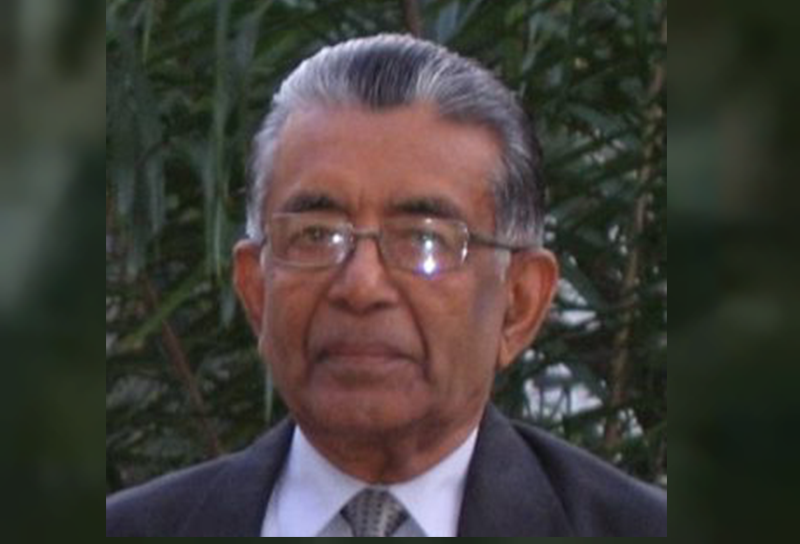
It is with a deep sense of sadness that I record the passing of Dr Upatissa Pethiyagoda, who died on 27 August 2026 at the age of 94. To many, he was a distinguished scientist, accomplished administrator, diplomat and public intellectual. To me, he was much more than that.
Dr Pethiyagoda was a proud product of Trinity College, Kandy. At a time when a first class in Botany was a rarity, he obtained one and subsequently pursued postgraduate studies in London. His scientific career reflected not only his knowledge but, more importantly, an enquiring and restless mind that was never satisfied with simply accepting what was known.
In the 1970s, he headed the Plant Physiology Department of the Tea Research Institute of Sri Lanka. He was part of a formidable team of scientists that included Drs R L de Silva, R L Wickramasinghe, P Sivapalan, Tilak Wettasinghe and W Danthanarayana. They were scientists who contributed enormously to the development of the tea industry in Sri Lanka, and Dr Pethiyagoda stood comfortably among them.
In 1978, he moved to the Coconut Research Institute as its Director. It was there that I had the privilege of working with him. Those years left a lasting impression on me.
Dr Pethiyagoda was, in every sense, a complete scientist. Although his formal specialisation was plant physiology, he was remarkably comfortable discussing almost anything scientific. What distinguished him was his curiosity. He questioned the science behind the ordinary things that most of us simply accepted. I remember his asking questions such as, why is an orange green in Sri Lanka? It was typical of him: an apparently simple observation would lead him to ask what lay behind it.
That curiosity never left him.
After his tenure at the CRI, he undertook an FAO assignment in the Middle East, working on the improvement of date palms. There he was exposed to agriculture under conditions of severe water scarcity. He pursued this further during a visit to Israel, learning about agronomic practices suited to such environments. Later, when he worked with the Mahaweli Authority, he was able to translate that knowledge into practice, introducing high-value horticultural crops to Systems B and C.
What impressed me was not merely that he acquired knowledge, but that he connected knowledge from one context to another and turned it into practical solutions. His enquiring mind and analytical ability enabled him to do this with remarkable effectiveness.
He was equally impressive as a communicator. Dr Pethiyagoda was an eloquent speaker, whether he was talking about science, agriculture, public policy or the everyday affairs of our country. His speeches were often laced with wit, humour and the occasional tongue-in-cheek remark. But beneath the humour was a very serious mind. He was forthright in his opinions and, importantly, he was not afraid to express them, whatever the possible repercussions.
His contributions to the media demonstrated this courage.
Writing about the travel to London by a former President, he observed:
“Where a person enjoys immunity by virtue of his position, this carries a reciprocal obligation to exercise an abundance of exemplary behaviour. In effect, immunity is best exercised, when the need to invoke it, is never allowed to arise.”
[Immunity Does Not Confer Impunity – Colombo Telegraph]
That was quintessential Pethiyagoda—precise, pointed and impossible to misunderstand.
He was equally outspoken about the government’s decision to ban inorganic fertiliser with ‘immediate effect’. He was deeply distressed by what he believed would be the consequences for farmers, particularly the poorer farming community. He would speak about it almost every day, driven not by political considerations but by his conviction that science and evidence had been disregarded.
In one of his writings on the subject, he remarked:
“What the ‘Vipathmaga’ caper taught us was that advice of sundry ‘Experts’ can be disastrous. Professors of Surgery, clergymen and Pediatricians are not the best equipped to advise on fertilisers, as much as a Soil Scientist should not prescribe treatment for a sick child.’ [Some Lessons That Can Be Learned Even From Disasters – Colombo Telegraph]
And in another article, his frustration was summed up in the memorable words:
“Stupidity, like History, has a way of repeating itself.”
[Unscrambling eggs – Colombo Telegraph]
These were not simply provocative statements. They reflected a scientist who believed deeply that public decisions, particularly those affecting agriculture and the livelihoods of farmers, should be based on evidence and sound scientific advice.
Perhaps, what I will remember most about Dr Pethiyagoda is that his curiosity survived almost to the very end of his life.
Very recently, he was still asking questions and pursuing ideas. He was interested in the possible genetic differences between the waraka and wela varieties of jak, because he wondered whether the wela variety might have commercial potential for cellulose extraction. He was disappointed that he could not find relevant scientific literature in Sri Lanka. More than the particular subject, what struck me was that at 94 he was still thinking about a scientific question, looking for evidence and wondering whether an apparently ordinary resource could have an important national application. He lamented the lack of interest among scientists and academics in such questions of national importance. That concern, too, was very much part of who he was.
Dr Pethiyagoda also served as President of the National Academy of Sciences, Sri Lanka. Unfortunately, he was unable to complete his term because he was appointed Ambassador to Italy, with representation at the Food and Agriculture Organization in Rome. Even in that role, he remained very much the scientist. I understand that he made a significant contribution to FAO discussions. As Ambassador, he also had the unenviable task of entertaining Sri Lankan Ministers of Agriculture who attended FAO sessions. I know from my own conversations with him that those informal dinners were not merely social occasions. He would discuss agricultural issues with the Ministers, and I have little doubt that his views—and the force with which he expressed them—sometimes influenced their thinking.
Looking back, what I admired most about Dr Pethiyagoda was not any particular position he held or any particular achievement. It was the way he thought.
He questioned.
He analysed.
He connected ideas.
He challenged conventional wisdom.
And he was willing to say what he believed to be true.
He also demonstrated that science should not remain confined to laboratories, research papers or academic institutions. For him, science was a way of looking at the world and, ultimately, a means of improving the lives of people.
It is perhaps ironic that, only a few months ago, he wrote about “The Cost of Dying”, as distinct from the “Cost of Living”. In that article, he reflected on the manner in which our mortal remains should be disposed of, observing: “I am in two minds regarding the manner in which the mortal remains are disposed of, ‘according to the will of the deceased’. But with the cessation of the breath, ownership or tenancy ceases.” Even in contemplating death, he brought his characteristic questioning mind to the subject. What particularly caught my attention, however, was his explanation of the Buddhist practice of holding dânes (almsgivings) for monks of the local temple in the seventh day and third month following a death. I had never really thought about the significance of this practice before. That, too, was typical of Dr Pethiyagoda: he could take something that we had accepted as ordinary and familiar and make us stop, think and see it differently.
His passing has created a colossal vacuum in Sri Lanka’s scientific community. People of his intellectual breadth, curiosity, courage and independence are rare. We may not always have agreed with everything he said, but we could never doubt that he had thought deeply about it and that he had the courage of his convictions.
For those of us who had the privilege of knowing him, there is sadness in his passing. But there is also gratitude—for having known such an extraordinary mind, for having learnt from him, and for having witnessed at close quarters his unwavering commitment to science and to the development of our country.
I shall remember Dr Pethiyagoda with great affection and immense respect.
Ranjith Mahindapala
Past President, National Academy of Sciences of Sri Lanka.
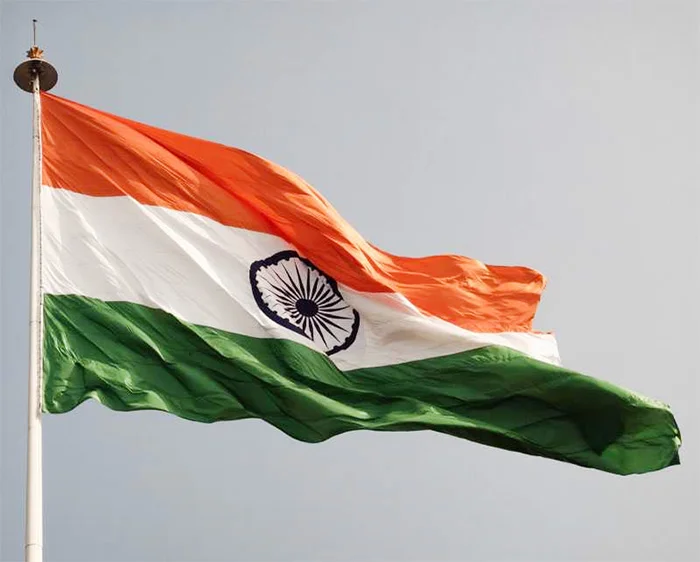
What India chooses to do with the strategic freedom it has built over eight decades may be the defining question of its next phase
 by Milinda Moragoda
In the emerging global economy, countries will increasingly seek multiple sources of energy, technology, capital, minerals and markets. India can contribute by helping create an open network rather than another exclusive bloc.
As India marks eight decades of Independence, its strategic position has changed almost beyond recognition. Yet the central question of strategic autonomy remains. What India chooses to do with the strategic freedom it has built over eight decades may be the defining question of its next phase.
India has spent the past decade expanding its strategic choices — deepening ties with the US, Europe and Japan while maintaining important ties with Russia and strengthening engagement with the Gulf, Africa and Southeast Asia. Australia and New Zealand are also becoming increasingly important partners in the wider Indo-Pacific. At the same time, India has sought a larger voice for the developing world in international institutions. Strategic autonomy has traditionally been understood in diplomatic terms: the ability to maintain freedom of action without being drawn into competing power blocs. In an increasingly interconnected world, however, that freedom will depend just as much on economic choices.
The objective should be strategic interdependence — building sufficiently diverse relationships that dependence on any one country or economic system does not become a vulnerability. India is unusually well placed to pursue this. Its geography connects the Gulf and wider West Asia, the manufacturing economies of Asia, Africa across the Indian Ocean and the Eurasian space extending through Russia. The opportunity, therefore, is to become a connector between economies increasingly fragmented by geopolitical competition.
India’s relationship with Japan is extending into advanced manufacturing, technology, energy, semiconductors and critical minerals. Its engagement with the US is deepening across technology, investment, advanced manufacturing, energy and strategic cooperation, while its engagement with Europe is becoming increasingly economic and technological. Its relationships with the Gulf are expanding beyond energy into investment and connectivity. Australia and New Zealand add an important southern dimension to its wider Indo-Pacific engagement, while Southeast Asia provides pathways into wider Asian production networks.
Russia remains an important part of this equation. India’s continuing engagement with Moscow, alongside its deepening relationships with Washington, Tokyo, Europe and the Gulf, demonstrates that strategic autonomy gives India the flexibility to maintain important relationships across geopolitical divides.
China inevitably occupies a special place in this landscape. India’s answer cannot be either excessive dependence or complete separation. It will require strengthening domestic capabilities, diversifying supply chains and building partnerships elsewhere, while retaining space for engagement where interests permit.
India possesses another asset that few countries can match: a large, globally active and influential diaspora. Yet the diaspora can also present challenges, as political currents within these communities do not always align with India’s interests and can occasionally create sensitivities in its relations with host countries. The greater opportunity lies in nurturing the economic, intellectual and cultural connections the diaspora can create, while respecting its diversity and independence. In the emerging global economy, countries will increasingly seek multiple sources of energy, technology, capital, minerals and markets. India can contribute by helping create an open network rather than another exclusive bloc.
Ports, shipping routes, energy corridors, digital infrastructure, supply chains and trade agreements increasingly shape strategic influence. India’s challenge is to bring these strands together without turning them into a closed sphere of influence.
India’s economic rise will be more sustainable if other countries see themselves as participants in its growth rather than simply as markets for it. The value for India lies in making these relationships complementary rather than choosing among them. India’s leadership of the Global South can now move beyond representation in international forums towards creating an international economic environment in which developing countries have greater choices. India’s own experience is relevant here. It has moved from a relatively closed economic model towards deeper global integration while retaining a strong emphasis on domestic capability. The lesson is that openness and strategic autonomy need not be contradictory.
As the G20 meets again in Miami in December, India can continue to argue that the Global South should not merely seek greater representation within existing institutions, but a greater stake in shaping the economic networks and institutions of the future. An economically integrated Indian Ocean could allow countries such as Sri Lanka, Bangladesh and the Maldives to participate more deeply in regional supply chains, logistics, energy, tourism, technology and services. Influence based on shared prosperity is more durable influence based on dependence. India’s strategic opportunity, therefore, lies in becoming one of the principal connectors of a changing world.
(Milinda Moragoda is founder of the Pathfinder Foundation, strategic affairs think tank, and can be contacted via email @milinda.org.)
Courtesy Hindustan Times
by By Kasun Kariyawasam
and Shiran Illanperuma
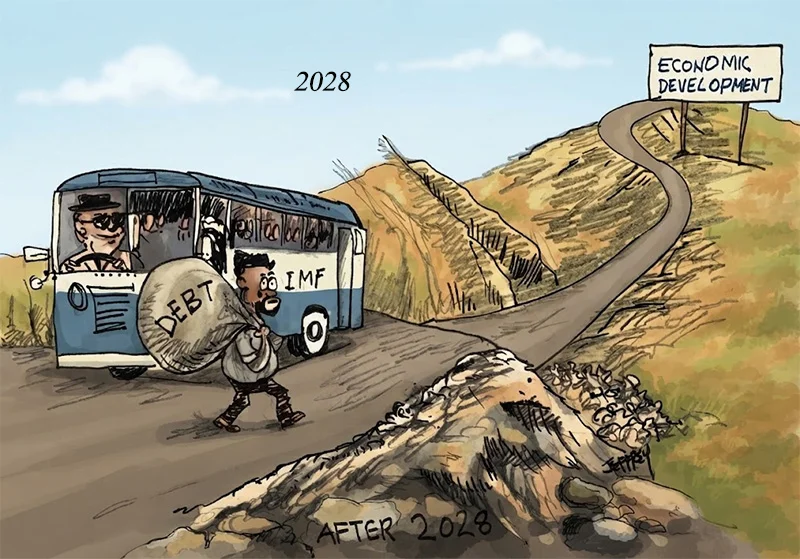
In March 2027, Sri Lanka’s Extended Fund Facility with the International Monetary Fund (IMF) will expire. It is the seventeenth arrangement the country has entered into with the Fund since 1965. That number is not a footnote; it is the argument. Sixteen previous left the underlying structure of the economy intact – an economy that imports what it consumes, exports what it cannot process further, and borrows to cover the difference. Each programme ended, and the conditions that produced it reassembled themselves.
The seventeenth has been the most invasive. Approved on 20 March 2023, in the aftermath of the sovereign default and the uprising that followed, it arrived at a moment of maximum leverage for the creditor and minimum room for the debtor. Fiscal consolidation was achieved primarily through indirect taxation, so that the burden fell heaviest on the poor. Energy subsidies were withdrawn and utility pricing made cost-reflective, transmitting global price movements directly into household budgets and industrial input costs. Public investment was compressed, and public sector wages held below inflation for years.
The revenue target was met but the social consequences are now well documented.
First, poverty in Sri Lanka roughly doubled after 2022 and has remained near a quarter of the population – a level not seen for two decades. Malnutrition among children, school dropout, and the depletion of household savings and assets are the transmission channels through which a fiscal adjustment becomes a lost generation.
Second, the most mobile and most skilled workers – nurses, doctors, engineers, IT workers – have left in numbers that constitute a structural loss of productive capacity, subsidised by the Sri Lankan state and captured by the labour markets of the Gulf, East Asia, and the West.
Third, and the least discussed, is the loss of economic sovereignty. The Central Bank Act of 2023 grants the Central Bank of Sri Lanka operational independence under a narrow inflation-targeting mandate and prohibits the monetary financing of government deficits, removing an instrument of development finance that every industrialised economy used on its way up. The Economic Transformation Act of 2024 legislates the programme’s own quantitative targets as binding statutory obligations on all future governments.
Although the IMF programme ends in March 2027, the framework it installed does not. Austerity has been converted into a legal architecture. Any government that wishes to finance development after 2027 will find that the fiscal space to do so has been pre-emptively legislated away, and that the debt service profile steps up sharply from 2028 as the restructured bonds begin to amortise in earnest.
The instruments on the table
Three instruments are currently under discussion for managing the debt portfolio. Each is worth examining on its merits, and each shares a common limitation.
Macro-linked bonds.
The upside triggers are more likely to be hit than the underlying real economy warrants, because the reference variable is dollar GDP. A nominal appreciation of the rupee lifts dollar GDP without a single additional unit of output being produced. The control variable intended to guard against precisely this – a requirement of 11.5% cumulative real growth – is a low bar following two consecutive years of contraction, when the base effect alone does much of the work. The country may find itself paying creditors a growth premium for an exchange rate movement.
Climate swaps.
Debt-for-nature and debt for-climate arrangements can retire a portion of the stock and may unlock multilateral climate grants, which are concessional. But they do not address the productive structure that generates the deficit in the first place, and their conditionalities – conservation commitments over land, forest, and coastal zones – can cut directly against the industrial and energy build-out that any serious development strategy requires. A country cannot finance debt relief by constraining its own industrialisation.
Bond buybacks. Retiring restructured bonds converts a contingent, complex portfolio into a plainer one, which makes debt management tractable. If the bonds trade below face or recovery value, Sri Lanka retires debt at a discount. Lazard reportedly advised this course for Zambia, so the playbook exists. However, Sri Lankan bonds have performed strongly since the restructuring, which means the discount that would make a buyback attractive has largely disappeared. A buyback becomes cheap only if sentiment softens again, or if specific contingent tranches are marked down on fear of the upside triggers. Moreover, a sovereign buying back its own debt shortly after a restructuring invites the interpretation that it anticipates difficulty, which raises the cost of future issuance. Selective buybacks are worth pursuing, given the uncertain external environment and the value of a cleaner portfolio, but that they are a marginal improvement rather than a solution.
All three instruments manage the existing stock of debt. None of them generates new finance for development. They are exercises in liability management, and a country cannot manage its way out of underdevelopment. Sri Lanka needs relief and it needs capital, and the current conversation addresses only the first.
Building the domestic architecture
New financing without new institutions reproduces the crisis. Before Sri Lanka seeks capital abroad, it must rebuild the machinery that governs how it borrows.
The primary dealer system requires reconstruction on a proper legal footing. Before the crisis, the primary dealer network degenerated into a captive placement channel: when the central bank could no longer absorb unsold stock, dealers took paper on terms set by proximity rather than price. This is allocation by moral suasion, and it produced a domestic debt market that told the government nothing useful about the cost of its own borrowing. Rebuilding it with binding contractual obligations, genuine capital requirements, and published performance rankings – as China does for its own dealer network – would restore price discovery. A government that cannot read a true yield curve cannot manage a debt portfolio.
Sri Lanka also needs a published Medium-Term Debt Management Strategy (MTDS) with explicit targets for the composition of the portfolio: external against domestic, concessional against commercial, and fixed against floating rate. Borrowing at present is reactive, driven by immediate financing needs rather than by a strategic view of currency, rollover, and interest rate risk. An MTDS makes those trade-offs visible and accountable. It is unglamorous and it is prerequisite.
The China angle
Sri Lanka’s most underused financial asset is its existing relationship with China’s monetary and capital market infrastructure. A currency swap line of 10 billion RMB is already in place, renewed in 2025, and it functions almost entirely as a passive reserve backstop. It could be the foundation of a financing strategy.
Broaden the use of RMB for trade settlement.
The swap is presently constrained in its permitted uses. Extending it to cover bilateral trade invoicing and settlement would reduce the dollar dependency that is the primary transmission channel for external volatility into the Sri Lankan economy. Every import invoiced in dollars is a claim on reserves that fluctuates with US monetary policy, over which Sri Lanka has no influence whatsoever.
Request eligibility for the FIMA RMB repo facility.
China’s facility, announced in June 2026, provides eligible central banks with access to RMB liquidity against holdings of Chinese government bonds. For Sri Lanka this would mean an RMB reserve buffer that is genuinely liquid rather than notional, and a second source of emergency liquidity that does not require a Fund programme as its precondition.
Issue panda bonds in the onshore Chinese market.
Sri Lanka has already begun refinancing dollar-denominated loans from Chinese banks into RMB, which establishes the precedent and the relationships. Issuance in the Shanghai interbank market would lock in RMB funding at rates below what the Eurobond market will offer a recently defaulted sovereign, and it diversifies the creditor base away from the Paris Club and Western commercial holders whose collective action in 2022 and 2023 was itself a lesson in concentration risk.
Access the offshore dim sum market in Hong Kong.
The offshore CNH market is deep – new issuance reached $157.2 billion in 2025 – and is a plausible source of medium-term infrastructure financing on terms that do not carry policy conditionality.
Integrate with CIPS.
None of the above scales without payments infrastructure. Integration with China’s Cross-Border Interbank Payment System reduces exposure to dollar-clearing volatility, carries lower transaction costs than routing through SWIFT correspondent banking, and is what allows the swap facilities to be used at volume rather than symbolically.
Establish direct LKR–RMB settlement.
Building on the Indonesia–HKMA–PBoC framework of June 2026, a direct settlement mechanism for bilateral trade would give Sri Lanka a working channel into one of the largest markets in the world, and create a pipeline for foreign direct investment and other inflows that does not transit the dollar system at all.
Multipolarity as infrastructure
What Sri Lanka should build is a blueprint for a local currency settlement corridor that can be scaled to any partner. Begin with China, where the infrastructure already exists, and extend it to India, the country’s nearest neighbour and one of its largest trading partners, where rupee settlement arrangements are already operating with other states. The same institutional template – bilateral swap, direct settlement mechanism, payments system linkage, local currency invoicing – applies to any counterparty with which Sri Lanka has meaningful two-way trade.
The immediate prize is energy. A large share of Sri Lankan inflation originates in oil, transmitted through both the world price and the exchange rate at which it is paid. That volatility does not merely raise the cost of living; it creates genuine industrial hurdles, because manufacturers cannot plan around input costs that move with a currency they do not earn. Denominating energy imports in local currency terms would break one of the most damaging transmission channels between external shocks and domestic prices. For a country whose recent history is defined by a fuel queue, this is not an abstraction.
Multipolarity, understood correctly, is a portfolio strategy. A sovereign with settlement channels in several currencies, funding relationships across several capital markets, and reserve buffers denominated in more than one unit of account is a sovereign with options during a crisis. Sri Lanka in 2022 had none, and the terms it accepted in 2023 reflect that.

Sun directly overhead Nittambuwa, Algama, Malwana, Aranayake, Meegahakiula and Panamkadu about 12.09 noon today (04)

Showers expected in the Uva, Central and Eastern provinces and in Polonnaruwa and Mullaittivu districts after 2.00 p.m

Norochcholai digs into dwindling coal stocks, two units slash generation

22A: BASL decides against making written submissions after SC refuses to grant it right of reply

CPSL condemns pursuit of military cooperation with NATO

Police probe cops promoting drug business of “Kudu Avishka” operating from Dubai

‘Dates have the highest sugar content to fight Coronavirus’

Sunday Island 27 December – Headlines

#SundayIsland 17th December – Headlines

Sunday Island – 28th March

Sunday Island Headlines – 21 March

Sunday Island – 21st February – Headlines
-

 Features5 days ago
“Wrap Me Up in My Blazer”— A Gentlemanly Bradby Reminiscence
-

 Features4 days ago
When Sri Lankan stories find their own voice
-

 Features5 days ago
JVP/NPP government as seen from outside by Lionel Bopage now domiciled in Australia
-

 News4 days ago
BASL takes exception to Justice Ganepola being denied a place in SC
-

 Editorial6 days ago
Govt. trying to dupe UN Rapporteur?
-

 Features5 days ago
Prof. Savitri Goonesekere: What has she done?
-

 Features5 days ago
World Trade Politics: Canada rebuffs Trump’s tariff blackmail
-
 News5 days ago
Legal avenues explored to bring back Mahendran, aka Harjan Alexander