
News
Gen. Silva reminds country of sacrifices made by military to bring peace, and urges public not to believe those spreading wild rumours

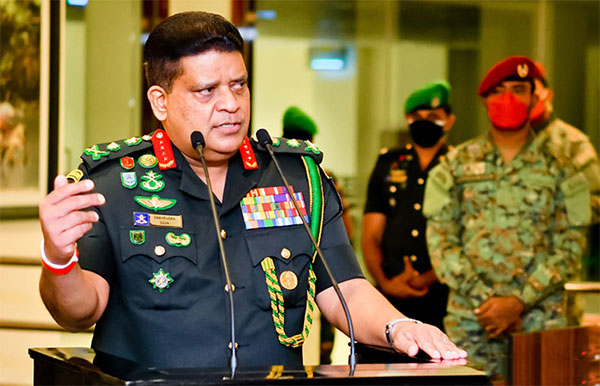
Chief of Defence Staff and Commander of the Army, General Shavendra Silva, yesterday said that the Army had never meant to harm civilians enjoying their constitutional right to peacefully protest and it neither ‘hatches secret plots,’ as alleged by some social media posts.
Addressing senior officers, following a ceremony held at the Army Headquarters, at Sri Jayewardenepura, to mark the first working day of the New Year, General Silva called on all to remember firmly that as members of a professional Army, they should not be swayed by various baseless and false rumours, allegations and concocted stories.
“Ours is a force, committed to protect the State and its people, all the time, as per provisions in the Constitution. You all, as gallant soldiers of this unmatched organisation, have made enormous sacrifices at the expense of your life and limbs, spending endless days and sleepless nights in jungles for days, if not for weeks, to bring about the spirits of peace and freedom which we all are enjoying today”.
“We are holding appointments, including myself, being the most Senior Officer still serving the organisation for the sake of the safety of the country. I, myself, having received injuries while fighting for democratic rights of our people always prioritised the interests of the State and its peace-loving citizens. We are always with the people and we do not want to take any ‘stand’ as some of those speculative claims, and we never ever mete out harm or harassment to anyone, neither do we want to inconvenience anyone in anyway. We are there to assist the Police, only when our assistance is sought from us,” General Silva said.
“As you very well know, our troops valiantly move in anywhere others are unable to do so while doing everything possible to keep the country and its people safe. We do not have any hidden agendas, as propagated by some ill-informed reports, or hold any secret agendas, as claimed by some elements, with vested interests, as you have seen in the past few days. The Army is not there to hatch hidden plans or mean harm to the very people whom they have committed to protect, and those speculative and fabricated rumours reflect the mindset of those elements who are hell bent on creating further unrest among peaceful protesters,” he said.
“Even when I was engaged in the fight against LTTE’s attempts of dividing the country, certain sections, inclusive of my own close associates, were doubtful whether we could win this war against terrorism at all. Of course, in the context of a civilian, I was compelled to listen to their voices and concerns, but as a uniformed military professional, dedicated to serve the country, I am obliged to perform my duties day and night as necessitated by the State and the Constitution risking my life. This is what we are meant, for contrary to what some of those interested parties allege without any basis,” he said.


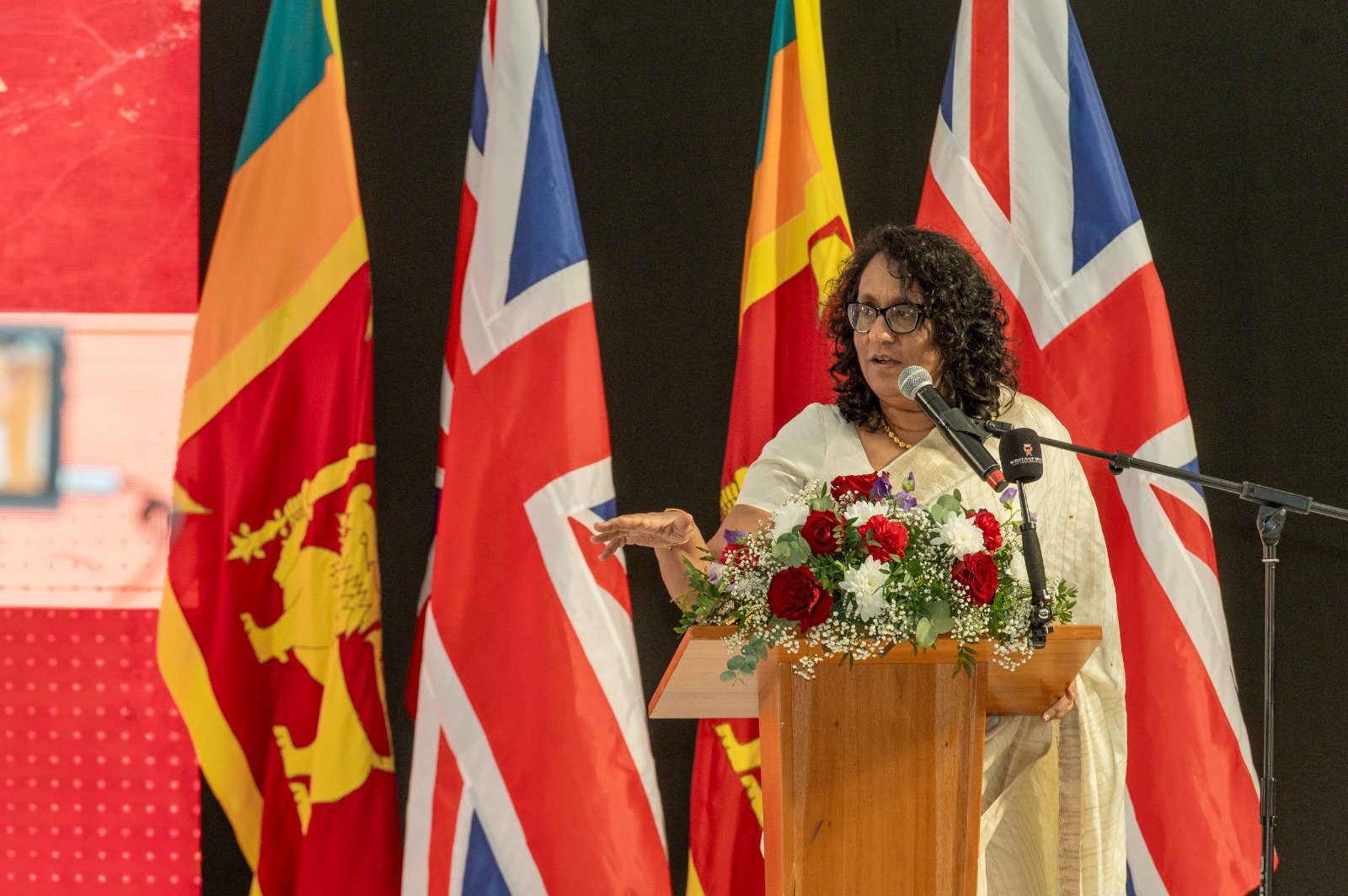
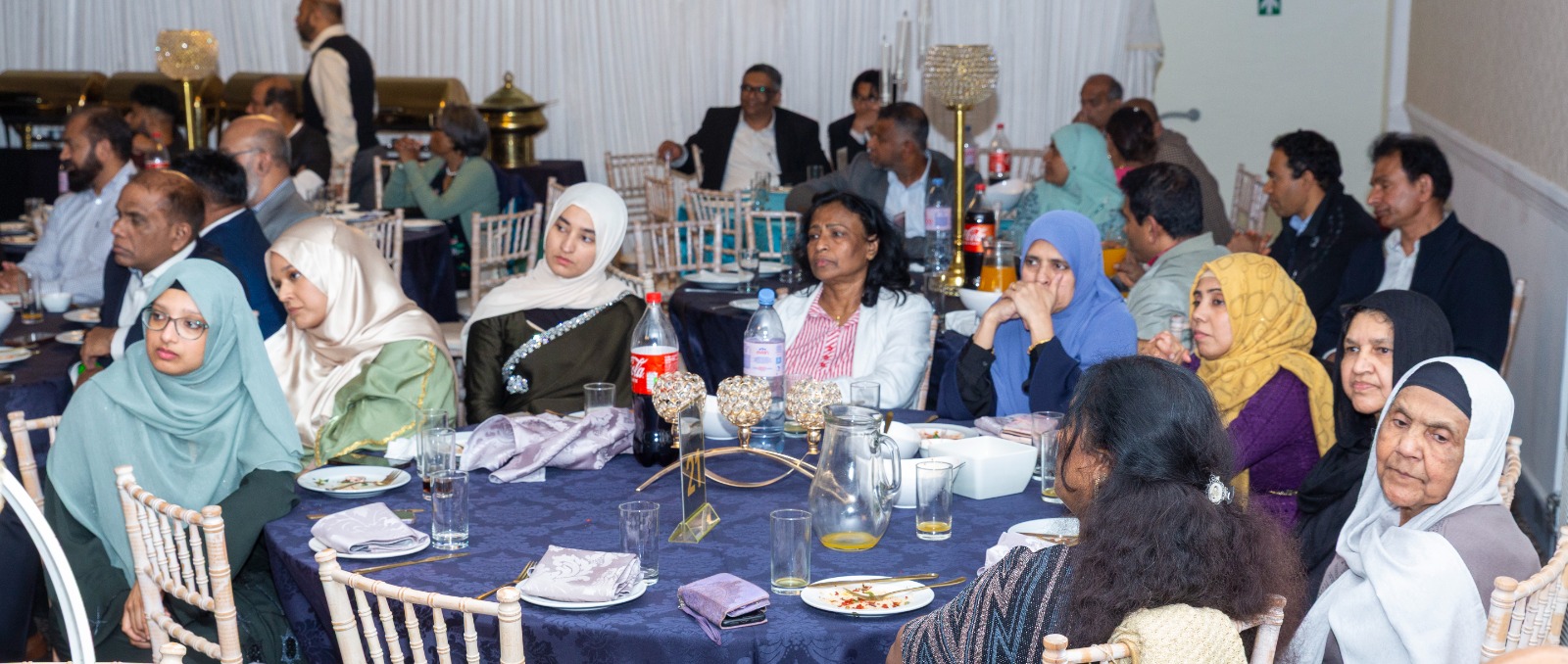
Prime Minister Dr. Harini Amarasuriya, who is currently on an official visit to the United Kingdom, met with members of the Sri Lankan community living in London on Wednesday [20th] and engaged in cordial discussions.
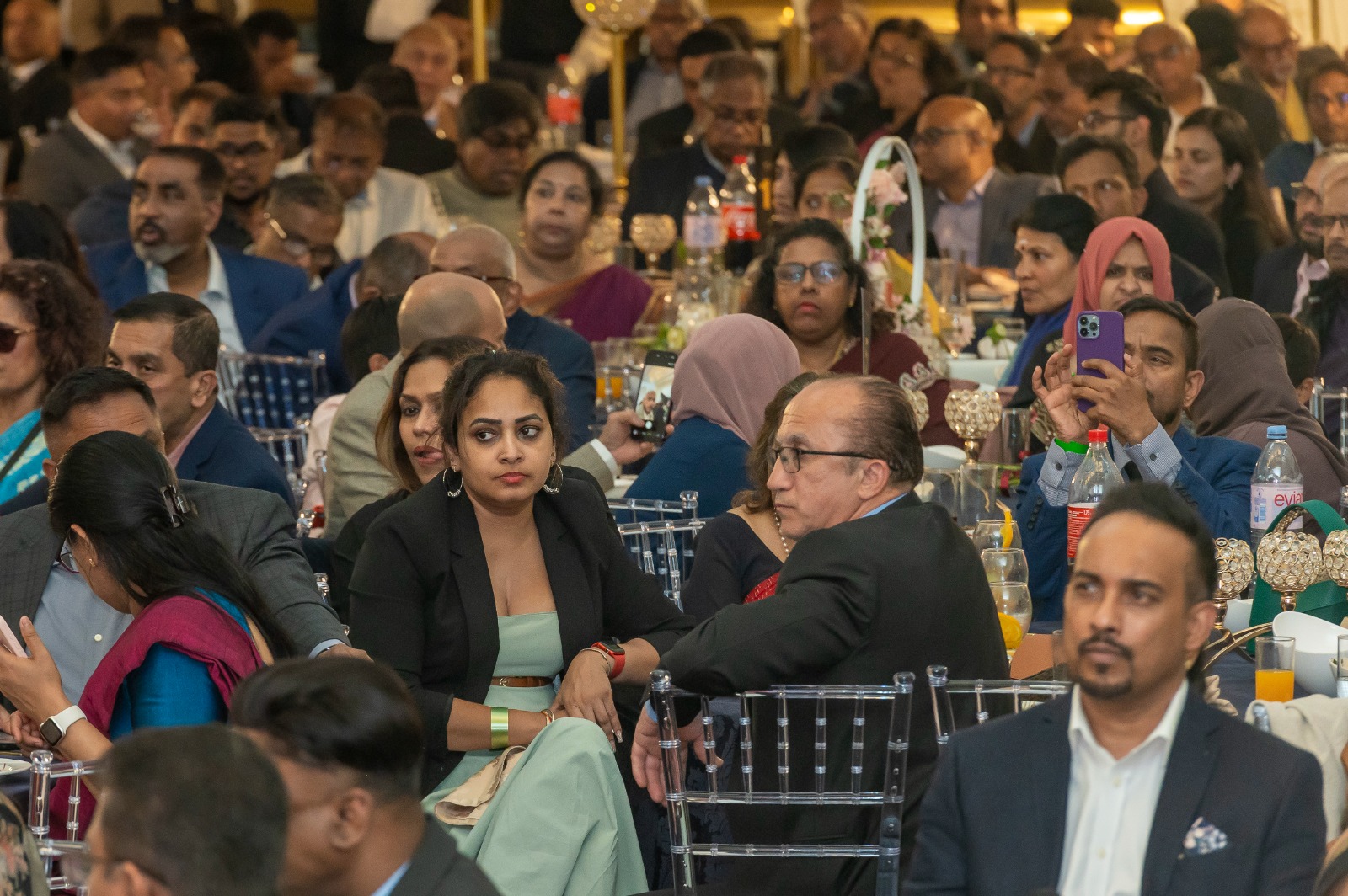
Despite the event being held on a weekday, it was notable that nearly one thousand Sri Lankans representing the Sinhala, Tamil, and Muslim communities attended with great enthusiasm.
Addressing the gathering, Prime Minister Dr. Harini Amarasuriya stated that despite natural disasters and international crises, the present government has succeeded in stabilizing the country’s economy while providing relief to the people. She further noted that Sri Lanka’s political culture has now undergone a positive transformation that is irreversible.
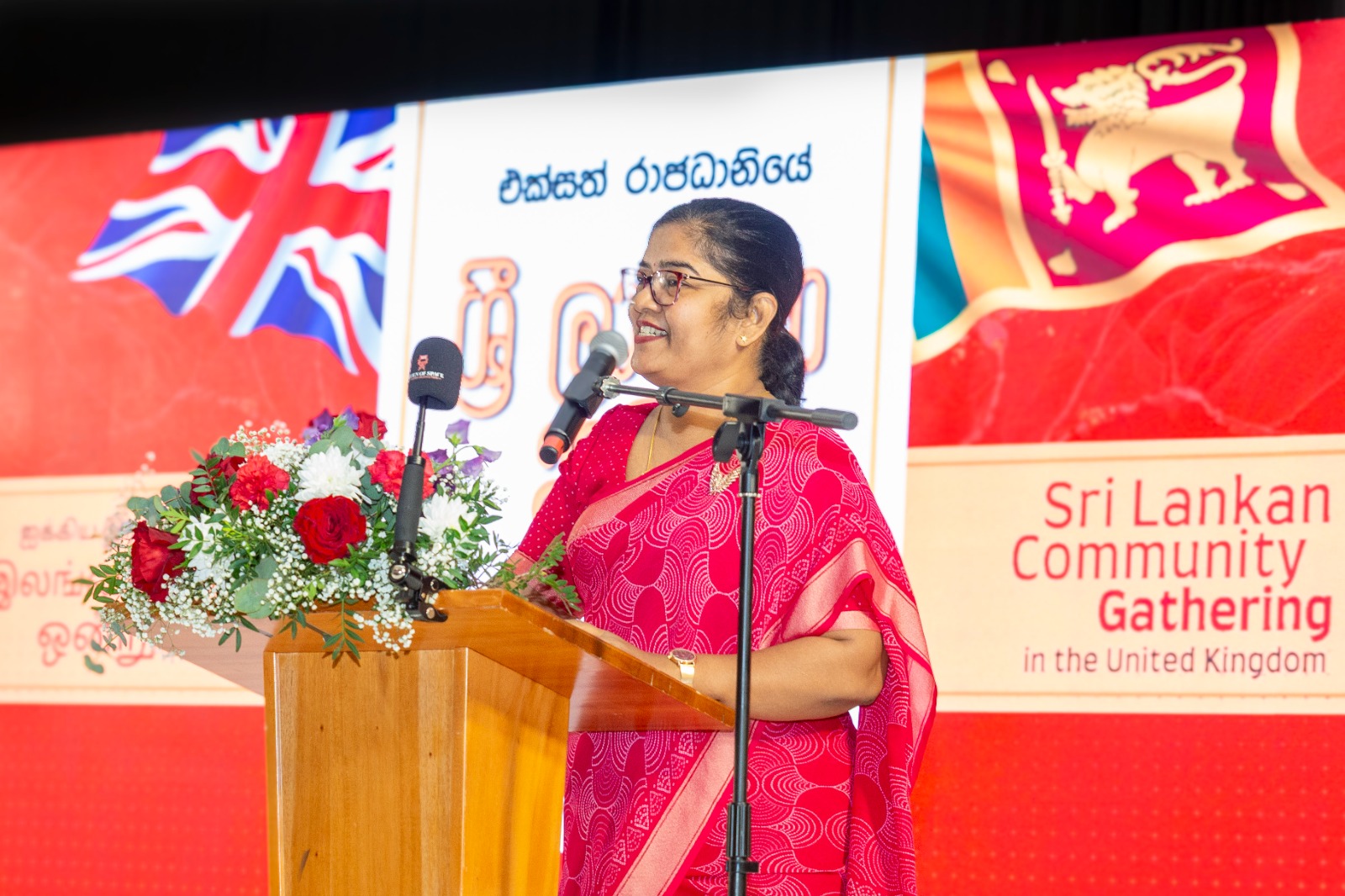
Minister of Women and Child Affairs Saroja Paulraj, addressing the event, stated that a governance system has now been established in the country where all communities are treated equally and the benefits of economic development are shared fairly among all citizens.
Moving away from the traditional method of political gatherings, the event also provided an open platform for members of the Sri Lankan community to directly raise questions and express their views to the Prime Minister and the Minister.
Commenting on the organization of the event, the organizing committee stated that all expenses, including dinner, were borne by the participants themselves. The organizers further remarked that it is unsurprising that opposition groups, accustomed to organizing such events through the misuse of public funds, appear unsettled by this transparent process.
The occasion was attended by the Minister of Women and Child Affairs Saroja Paulraj and Sri Lanka’s High Commissioner to the United Kingdom, Nimal Senadheera.
[Prime Minister’s Media Division]
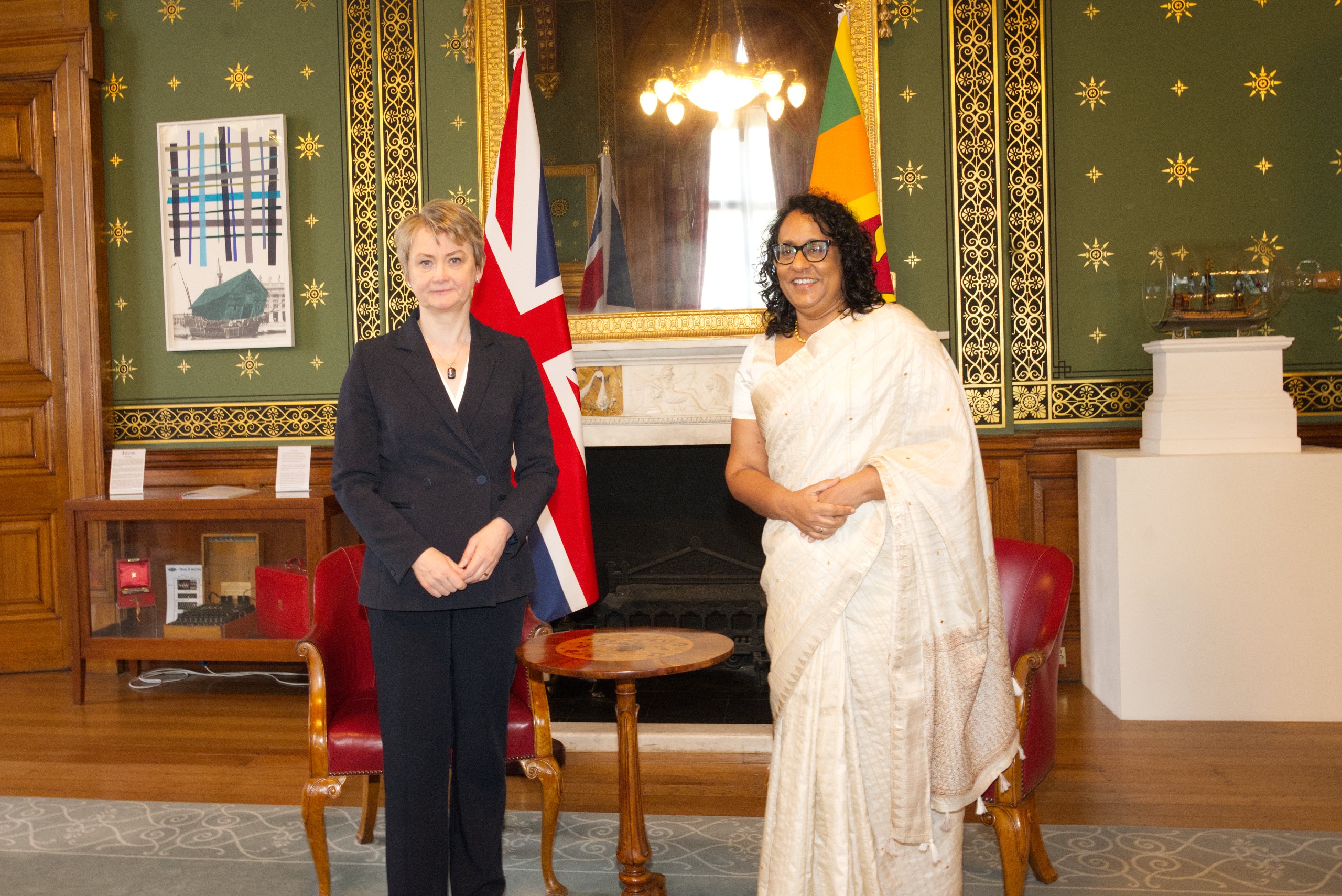
Prime Minister Dr Harini Amarasuriya currently undertaking an official visit to London, United Kingdom, to participate in the 43rd Commonwealth of Learning (COL) Board of Governors Meeting 2026 held a bilateral meeting with the Yvette Cooper MP, Foreign Secretary of the United Kingdom ON Wednesday [20]. The Prime Minister was accompanied by Sri Lanka’s High Commissioner to the United Kingdom, Nimal Senadheera, along with officials from the Sri Lankan High Commission.
During the meeting, the Prime Minister conveyed Sri Lanka’s appreciation to the United Kingdom for the support extended in the aftermath of Cyclone Ditwa, including ongoing rebuilding and recovery assistance. The Prime Minister also commended the United Kingdom’s support in facilitating increased bilateral trade and exports for Sri Lanka.
The Prime Minister briefed the UK delegation on Sri Lanka’s recent economic developments and policy priorities, the Government’s commitment to advancing human rights and reconciliation, as well as Sri Lanka’s positive growth trajectory.
The two sides also exchanged views on current global geopolitical developments, challenges in the energy sector, and the importance of enhancing regional connectivity and long-term energy security.
Both sides also emphasised the importance of strengthening structured academic mobility frameworks while ensuring fairness, clarity, and integrity within migration systems.
They also reaffirmed their commitment to further strengthening bilateral cooperation between the two countries in areas of mutual interest.
[Prime Minister’s Media Division]
Airbus bribe case:
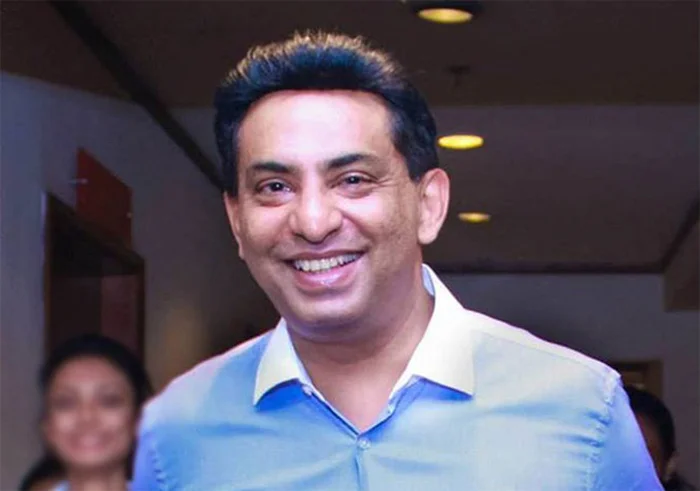
Colombo Additional Magistrate Lahiru Silva yesterday (20) granted bail to Mohamed Riswan and Mohamed Irshan, who allegedly received money to stand as sureties for the late former SriLankan Airlines CEO, Kapila Chandrasena. They were identified as residents of Sanchi Arachchi Watta, situated next to the Hulftsdorp court complex.
Chandrasena was found dead at his brother-in-law, Aravinda De Silva’s residence, at No. 38, Pedris Road, Kollupitiya, on 8 May.
The Magistrate also granted bail to B. A. Tissa and Perumal Ganesh, who arranged for Riswan and Irshan to stand as sureties for Chandrasena, who is under investigation for allegedly receiving a USD 2 million bribe through his wife to facilitate an Airbus deal. They, too, residents of Sanchi Arachchi Watta, were granted bail on two personal bail of Rs. 500,000 each.
Airbus had to pay USD 4 billion in penalties after admitting it had paid huge bribes to secure contracts in 20 countries. Sri Lanka is among them.
The Magistrate directed that the Grama Niladhari should certify their residence and the relevant certificates submitted to court and to establish the financial status of those who stood as sureties for the four persons.
The court was told that Mohamed Riswan and Mohamed Irshan obtained 17 Grama Niladhari certificates from January till May 2026. On the basis of a statement recorded from Keselwatta Grama Niladhari S. Nilantha Silva police informed court that the first suspect had obtained 10 certificates and the second person seven.
Fourth suspect Ganesh had first met those who stood as sureties, on 05 May, in the court premises and struck the deal. Crime OIC of Keselwatta Police, Sub Inspector K.W.D. Anuruddha, told court that Mohamed Riswan, Mohamed Irshan and B. A. Tissa hadn’t even known who Chandrasena was and were not related to him in anyway, according to investigations. Police requested that the four persons be further remanded.
The Magistrate granted them bail and set the next hearing for 25 June.
Legal sources said that such illegal practices were rampant, and in this particular case the Court Registrar should have been able to see that the sureties were very much unlikely to be relatives of Chandrasena.
By Shamindra Ferdinando

Gaby Lewis to lead Ireland at T20 World Cup

PM meets Sri Lankan community living in London

Kapila Wijegunawardena to head SLC’s new selection committee

Afghanistan refugee women’s team set for England tour under ECB initiative

DR Congo cancels World Cup training camp over Ebola outbreak

US charges Cuba’s Raúl Castro with murder over 1996 downing of two planes

‘Dates have the highest sugar content to fight Coronavirus’

Sunday Island 27 December – Headlines

#SundayIsland 17th December – Headlines

Sunday Island – 28th March

Sunday Island Headlines – 21 March

Sunday Island – 21st February – Headlines
-

 Features5 days ago
Sri Lankan Airlines Airbus Scandal and the Death of Kapila Chandrasena and my Brother Rajeewa
-
 News6 days ago
Lanka’s eligibility to draw next IMF tranche of USD 700 mn hinges on ‘restoration of cost-recovery pricing for electricity and fuel’
-
 News5 days ago
Kapila Chandrasena case: GN phone records under court scrutiny
-
 News5 days ago
Rupee slide rekindles 2022 crisis fears as inflation risks mount
-
 Features2 days ago
Octopus, Leech, and Snake: How Sri Lanka’s banks feast while the nation starves
-
 Business5 days ago
Expansion of PayPal services in Sri Lanka officially announced
-
 Features7 days ago
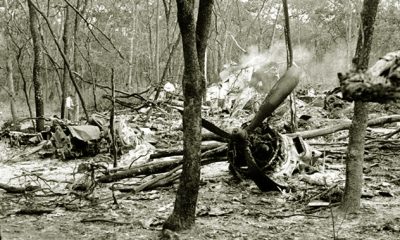
Mysterious Death of United Nations Secretary General Hammarskjöld
-

 News5 days ago
Court orders further arrests in alleged USD 42 Mn NDB fraud case