
News
Academics et al call for broadening and concretising democratic moment into sustained political action


A group of academics, in a statement issued, says that the origins of the present crisis are political, having been brought about by authoritarian policies of successive governments. Such authoritarian rule has been consolidated for decades through Sinhala Buddhist majoritarian mobilisations, one of the most recent one being mandatory cremations, after a COVID death. It is built upon the notion that powerful, rich, professional and militaristic men must lead the way through mechanisms, isolated from the needs of the larger community.
The following is the text of the statement titled ‘The democratic moment today: A call for action and reflection’: We are witness today to events that are unprecedented in our postcolonial history. Hundreds of thousands of people are taking to the streets, spontaneously, in protest in an extraordinary demonstration of democratic fervor. The calls for change are loud, and spectacular.
They are driven by anger at a small elite group—the Rajapaksas, who have built a dynastic political empire with their cronies and allies in and out of Parliament and a supportive business elite. One of the worst spells of economic hardship that the country has experienced in the past few decades has driven people to the streets, demanding that the President of the country “go home”.
But these calls for change are not just of the government in power, but of the forms of governance as well. Hard questions are being asked by the protesters: questions about economic policies, the functioning of the judiciary, relations between communities, and related concerns.
People want prices reduced and essential items, like food, medicine, milk powder, electricity, gas and stationery, available in adequate amounts for their families; communities want the country’s stolen wealth returned and re-distributed; many want the divisive ethnic and religion-based politics to end and past violations acknowledged and accounted for; the people are united in their cry for a country free of totalitarianism. The polyphony of slogans demanding economic, political social and gender justice must be heard and addressed.
The economic crisis was precipitated by the inability of the heavily indebted government to guarantee to the people essential imports, triggering the protests. Further, arbitrary decisions like the ban on the import of fertiliser badly impacted agricultural production. Shortages and exorbitant price hikes affecting food, medicines, fuel, and electricity, have induced widespread suffering. The impact is harshest on the working class, especially underclass, underprivileged, and multiply marginalised persons and communities; whose conditions have been rendered ever more precarious by the pandemic.
The origins of the present crisis are political, having been brought about by authoritarian policies of successive governments. Such authoritarian rule has been consolidated for decades through Sinhala Buddhist majoritarian mobilisations, one of the most recent one being mandatory cremations, after a COVID death. It is built upon the notion that powerful, rich, professional and militaristic men must lead the way through mechanisms isolated from the needs of the larger community. Such ideologies have discriminated against people on the margins and have little space for pluralism. It has resulted in heightened militarisation, inequality and injustice. It has narrowed the space for collective democratic action, and instead validated a culture of patronage and centralised authority.
It is important at this juncture that touted solutions do not compound the crisis. IMF involvement is very much on the table: the neoliberal economic thought that sees the IMF as the ideal solution extends across the political spectrum. However, it is decades of neoliberal policies that have led us to this crisis in the first place. Neoliberalism promotes policy that safeguards private property rights and free markets, overriding social concerns. Globally, social services, such as transportation, health and education have become spaces for racketeering and private profit, and transformed governments to be facilitators of this process. No longer is the state expected to provide services to the public and no longer do such services belong to the public. As a result, the role of the state has weakened and we have become victims of the vagaries of markets. We have witnessed the slashing of spending on social welfare.
Deregulation and privatization have become the norm. Today, we rely on the remittances of exploited migrant workers and heavy international borrowing, instead of developing production along viable lines, leading to self-sufficiency. In the event of an IMF intervention, we should keep the above in mind.
As a means of addressing the economic crisis in the short term, provisions must be made for immediate relief for the suffering people. We must demand progressive direct taxation, including a wealth tax on property and vehicles, geared towards redistribution and greater equality. We must insist on a significant reduction of the funds allocated to the defence sector and insist that core public services, including health, education, electricity, water and transport, are strengthened and funded by the state. Those who are landless should be given land for housing, agriculture and other economic activities.
We must broaden and concretize this democratic moment into sustained political action, pushing for structural changes in the long term. Draconian laws, including the Public Security Ordinance and the Prevention of Terrorism Act must be repealed. The country must engage in demilitarization by cutting back on military expenditure, releasing lands held by the military, and confining the military to the barracks. Devolution of power from the center to the peripheries is required. The executive presidency, together with the legislation brought about by the 20th Amendment to the constitution that consolidated powers at the centre must be done away with. Instead, we must nurture transparency and pluralism, through mechanisms such as tribunals, independent commissions and an independent judiciary.
As a people, we call for solidarity at this historical moment! We call for a movement of workers, unions, women’s groups, all marginalized, disenfranchised and discontented people towards a just and democratic future for us all.”
The signatories to the statement are:
Ruchini Abayakoon, McMaster University, Ontario, Canada, Udari Abeyasinghe, University of Peradeniya, Asha L. Abeyasekera, Royal Holloway, University of London, Asanka Abeyratne, Social Activist, Sachini Abeysekara, Brock University, Mohamed Adamaly, Attorney at Law, Chamalee Ahangama, S.L. Usman Akeel, Daily Ceylon, Indi Akurugoda, University of Ruhuna, Ashwini Amarasinghe, University of Peradeniya, M. A. M. S. Anaf, Kalmunai, Shani Anuradha, University of Peradeniya, Nalin Galkanda Arachchi, University of Vocational Technology, Ratmalana, S. Arivalzahan, University of Jaffna, Swasthika Arulingam, Attorney at Law, Odayan Arumugam, Trainer/Community Activist, Colombo, Mohamed Ashfaque, Akkaraipattu, A.N. Ashiq, Karaithivu,
Dhilma Atapattu, University of Peradeniya, Fazeeha Azmi, University Of Peradeniya, Crystal Baines, Ph.D. Candidate, Kandy, Dhanuka Bandara, Miami University of Ohio, Sumudu Bandara, University of Peradeniya, Bisliya Bhutto, Human Rights Activists,
Rudhramoorthy Cheran, University of Windsor, A.S.Chandrabose, Open University of Sri Lanka, Sasindi Chandrasekara, Visakesa Chandrasekaram, University of Colombo, Kaveesha Coswatte, APIIT Law School, Chamalee Ahangama Dayarathna, Counselor, Ruwanthie de Chickera, Playwright, Jan Ramesh de Saram, Colomboscope, Erandika de Silva, University of Jaffna, Marisa de Silva, Colombo, Mithma de Silva, University of Peradeniya, Priyanka de Silva, University of Peradeniya, Sulari de Silva, University of Moratuwa, Hiranyada Dewasiri; Uva Wellassa University of Sri Lanka,
Nirmal Ranjith Dewasiri, University of Colombo, Janaranga Wijaindu Dewasurandra, Family Planning Association of Sri Lanka, Kaushini Dammalage, Independent Researcher, Kanchuka Dharmasiri, University of Peradeniya, Chirath Dharmasena, Visakha Dharmadasa, AWAW, Shanka Dharmapala, independent researcher, Malaka Dewapriya, Filmmaker and Visual Artist, Nirmal Ranjith Dewasiri, University of Colombo, Priyan Dias, University of Moratuwa, Migara Doss, Attorney-at-Law, Ruwanthi Edirisinghe, City University of New York, Sarala Emmanuel Feminist Activist Batticaloa, Sandya Ekneligoda, Social Activist, Diroshan Fernando, Sasindi Fernando, Secondary school student, Amal Fernando, Kandy, Avanka Fernando, University of Colombo, Corita Fernando, Washington State University, Sasindi Fernando, Student, Bhavani Fonseka, Attorney-at-Law, Gnanabalan Gnanalosan, Point Pedro, Jaffna,
Mario Gomez, International Centre for Ethnic Studies, Thilanka Gunaratne, University of Peradeniya, Lesley Gunasekara, Independent Researcher, Ranmini Gunawardena, University of the Visual and Performing Arts, Dileni Gunewardena, University of Peradeniya, Camena Guneratne, Open University of Sri Lanka, Ashika Gunasena, Independent practitioner, Tasneem Hamead, Colombo, Azkha Hassen, Al Gazzaly NS, Farzana Haniffa, University of Colombo, Hasna Hasbullah, undergraduate, University of Jaffna, Jafar Hasbullah, University of British Columbia, Samal Hemachandra, Univ. Of Colombo, Himansa Herath, Siri Hettige, University of Colombo, Rajan Hoole, Jaffna, J. S. Ishie, Ministry of Health,
J. Prince Jeyadevan, University of Jaffna, 79. K.W. Janaranjana, editor, Anidda newspaper, Velayudan Jayachithra, Senior Project Officer, Women and Media Collective, Sumedha Jayakody, Independent Researcher, Pamoda Jayasundara, University of Peradeniya, Gehan Jayasuriya, University of Peradeniya, Shakila Jayathilaka, Barana Jayawardana, University of Peradeniya, Chulantha Jayawardena, Univ. Of Moratuwa, Janaki Jayawardena, University of Colombo, Uthpala Jayawardena, Open University of Sri Lanka, Pavithra Jayawardena, University of Colombo, Ahilan Kadirgamar, University of Jaffna, Sakuntala Kadirgamar, Law and Society Trust, Akhila Kahandagama, Concerned citizen, Anushka Kahandagamage, University of Otago, Pavithra Kailasapathy, University of Colombo, Saman M Kariyakarawana, University of Visual and Performing Arts, Thisal Kaluarachchi, University of Moratuwa, Maduranga Kalugampitiya, University of Peradeniya, Anuruddha Karunarathna, University of Peradeniya, Ransi Karunarathna, Sri Lanka Press Institute, Inoka Karunaratne, University of Peradeniya, Amal Karunaratna, Retired from the University of Adelaide, Apsara Karunaratne, independent researcher, Charuka Karunarathne, Inoka Karunaratne, University of Peradeniya, Ransi Karunarathna, Sri Lanka Press Institute, Portia Kemps, University of Peradeniya, Thamali Kithsiri, University of Peradeniya, Chulani Kodikara, University of Edinburgh, Manikya Kodithuwakku, Open University of Sri Lanka, Sandamali Kottachchi, Attorney at law, Mahaluxmy Kurushanthan, Mannar Women’s Development Federation, Pradeepa Korale Gedara, University of Peradeniya, Chamali S Kulathunga, University of Peradeniya, Ramya Kumar, University of Jaffna,
Shamala Kumar, University of Peradeniya, Vijaya Kumar, University of Peradeniya, Amal Kumarage, University of Moratuwa, Radha Kuruwitabandara, Attorney-at-Law, A.H. Lareena, Lecturer, Hasini Lecamwasam, University of Peradeniya, Menaka Lecamwasam, Independent researcher, C. Liyanage, Attorney -at-law, Saumya Liyanage, University of the Visual and Performing Arts, Mary Caroline Lurthunayaham, Wellawatta, Gunasingarajah Maheshwaralingam, University of Jaffna, Sudesh Mantillake, University of Peradeniya, Prabha Manuratne, University of Kelaniya, Ruvinie Machado, Colombo, Dulanjaya Mahagamage, Kandy, Tharinda Mallawaarachchi – University of Colombo, Anton Marcus, Joint Secretary, Free Trade Zones and General Services, Employees Union, Kalindu Matharage, Independent, Sumudu Himesha Medawela, University of Peradeniya, Mahim Mendis, Open University of Sri Lanka, Navindu Mendis, National Christian Evangelical Alliance of Sri Lanka, Juweriya Mohideen, Muslim Women’s Development Trust, Puttalam, Alikhan Mohideen, University of Peradeniya, Sakina Moinudeen, Colombo, S.P.Mohan, Heart’s Organisation Upcot,
Rumala Morel, University of Peradeniya, Chathurika Munasinghe, University of Peradeniya, Thaha Muzammil, Free Media Movement, Kethakie Nagahawatte, University of Colombo, Amizhthini Nakkeeran, Aze IT Consultancy (pvt) Ltd, Jaffna, S. Narththanah, Rajarata University of Sri Lanka, Pavithra Navarathne, Attorney-at-Law, Pamod Nayanapiya, Ammaarah Nilafdeen, Independent Researcher, Abeysinghe Navaratne-Bandara, Retd. University of Peradeniya, Sabreena Niles, University of Kelaniya, Hasanthi Niriella, M. A. Nuhman, Retd. Univ. Of Peradeniya, Ranjini Obeyesekere Formerly Princeton University and Univ. of Peradeniya, Upali Pannilage, Univ. Of Ruhuna, Sasinindu Patabendige, University of Jaffna, Muditha Pathirana, Independent Researcher, Nirmala Perera, Oshada Perera, Kandy, Paba Piyarathne, Srinagaruban Pathujan, University of Jaffna, Eshantha Peiris, University of Peradeniya, Pradeep Peiris, University of Colombo, Sanjeeva Pieris, Kaushalya Perera, University of Colombo, Kusal Perera, Political commentator, Journalist, Nicola Perera, University of Colombo, Nirmala Perera, Tania Perera, Colombo, Amalka Pinidiyaarachchi, University of Peradeniya, Dimagi Pitawala, University of Peradeniya, Ven. Fr. Samuel Ponniah, Church of Ceylon, Padma Poshpakanthi, Savisthri National Women’s Movement/ Women Acton for Social Justice, N. W. Prins, University of Ruhuna, Angel Queentus, Jaffna Transgender Network, Mirak Raheem, Independent Researcher, S. Rajadurai, University of Colombo, Chandi Rajapaksha, University of Peradeniya, Maheema Rajapakse, APIIT, Selvaraja Rajasegar, editor, maatram.org, Shafiya Rafaithu, Independent Researcher, Rupika Rajakaruna, University of Peradeniya, Vasuki Rajasingam, Jaffna, Sampath Rajapakshe, Lecturer 184. Tharsiga Ramanaaharan, Jaffna, Ramesh Ramasamy, University of Peradeniya, Harshana Rambukwella, Open University of Sri Lanka, Kanchana Virajani Ranaraja, Kandy, Piyumani Ranasinghe, Attorney-at-Law, Rajitha Ranasinghe, University of Peradeniya, Menaka Rathnayaka, University of Peradeniya, Sriyani Ranatunga, Research Assistant, University of Peradeniya, Dilini Ratnayaka, University of Peradeniya, Rev. M. V. E. Ravichandran, University of Jaffna, Ramzy Razeek, Social Activist, Rasma Razmi, University of Peradeniya, Stephini Sahid, Secondary School Teacher, Kandy, T. H. Rasika Samanmalee, University of Colombo, Aruni Samarakoon, University of Ruhuna, Dinesha Samararatne, University of Colombo, Gameela Samarasinghe, University of Colombo, Ganganee Samaraweera, University of Ruhuna, Unnathi Samaraweera, University of Colombo, Shreen Abdul Saroor, Women’s Action Network, Kalana Senaratne – University of Peradeniya, Hiniduma Sunil Senevi, Sabaragamuwa University of Sri Lanka , Belihuloya, Sharmila Seyyid, Author and Researcher, Tudor Silva, University of Peradeniya, Shashik Silva, Independent Researcher, Vanie Simon, Affected Women’s Forum, kkaraipattu, Krishan Siriwardhana , University of Colombo, Dr. K. Sivaji, University of Jaffna, Ratnasingam Sharveswara, University of Jaffna, S.Sivagurunathan, Interpreter and translator, N. Sivakaran, University of Jaffna, Gopikha Sivakumar, Undergraduate Univ. Of Jaffna, Sumathy Sivamohan, University of Peradeniya, Taniya Silvapulle, Social Scientists’ Association, S. Sivasegaram, retired University of Peradeniya, Gnani Somasundaram, Lanka Hospitals, M.Sooriasegaram, Jaffna, H. Sriyananda, The Open University of Sri Lanka, Ermiza Tegal, Attorney at Law, Dayapala Thiranagama, formerly Univ. Of Kelaniya, Mahendran Thiruvarangan, University of Jaffna, Darshi Thoradeniya, University of Colombo, Yathursha Ulakentheran, Independent Researcher, Ramila Usoof, University of Peradeniya, Nimali Vineeshiya, PGIHS ,University of Peradeniya, Chethiya Waththuhewa, University of Peradeniya, Manisha Weeraddana , University of Peradeniya, Ishan Weerapura, Social Scientists’ Association, Dasuni Weerasinghe, Attorney at law, Devaka Weerasinghe, Colombo, Ruvan Weerasinghe, University of Colombo, Shiran Harsha Widanapathirana, APIIT, Amali Wedagedera University of Hawaii, Ishan Weerapura, Social Scientists’ Association, Poornima Weerasinghe, John Wesley, University of Peradeniya Carmen S.Wickramagamage, University of Peradeniya, W. Namal M. Wickramasekera, University of Colombo, Maithree Wickramasinghe, University of Kelaniya, Upul Wickramasinghe, Univ. Of Durham, Priyan R. Wijebandara, Journalist, Gayatri Wijekoon, University Lecturer,
Ranjit Wijekoon, Colombo, Asanka Wijesinghe, Economics researcher, Maneesha Wijesundara, University of Peradeniya (former student), Dinuka Wijetunga, University of Colombo, Roshani Wijewardene, Shermal Wijewardene, University of Colombo, Apsara Wimalasiri, Colombo, Lareef Zubair, Independent Researcher.

Latest News
Sun directly overhead Kalpitiya, Talawa, Sinharagama, Galkadawala, Nachchaduwa, Padikaramaduwa, Gomarankalla and Verugal about 12.10 noon today (01)


The sun is going to be directly over the latitudes of Sri Lanka from 28th of August to 07th of September due to its apparent southward relative motion.
The nearest places of Sri Lanka over which the sun is overhead today (01) are Kalpitiya, Talawa, Sinharagama, Galkadawala,
Nachchaduwa, Padikaramaduwa, Gomarankalla and Verugal about 12.10 noon.
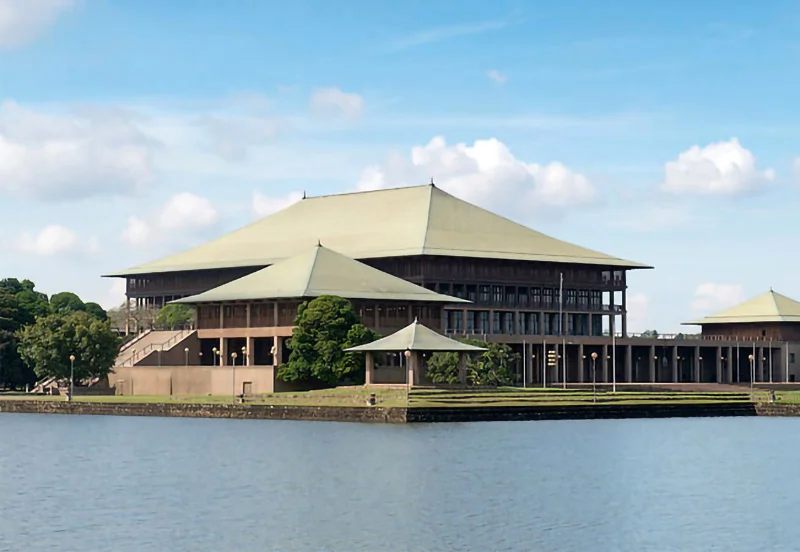
… stresses need for action if claims were proved false
Samagi Jana Balawegaya (SJB) MP Dayasiri Jayasekera has sought a clarification from Speaker Dr. Jagath Wickremaratne regarding several allegations against Chief Justice Preethi Padman Surasena, in Parliament, recently.
In a letter dated 31 August, Jayasekera has asked the Speaker whether he received any documentary evidence from MPs in support of the allegations at issue. The SJB MP has also inquired about the steps taken by the Speaker regarding the allegations and whether the issue had been taken up with the relevant agencies authorised to probe the assets of the CJ and members of his family.
MP Jayasekera confirmed that he had raised the issue with the Speaker, following the accusations relating to the high profile X-Press Pearl case, which received significant public attention in the recent past.
The Kurunegala District MP has also asked the Speaker whether the latter contemplated taking action in case the allegations were proved false to ensure that the dignity of the Chief Justice and the judiciary was safeguarded.
Among the issues raised by MP Jayasekera are the acquisition of valuable property in Colombo by the CJ’s son, the circumstances in which he was able to procure the property, as well as accusations regarding the CJ’s birth certificate, marriage certificate and birth certificates of his children.
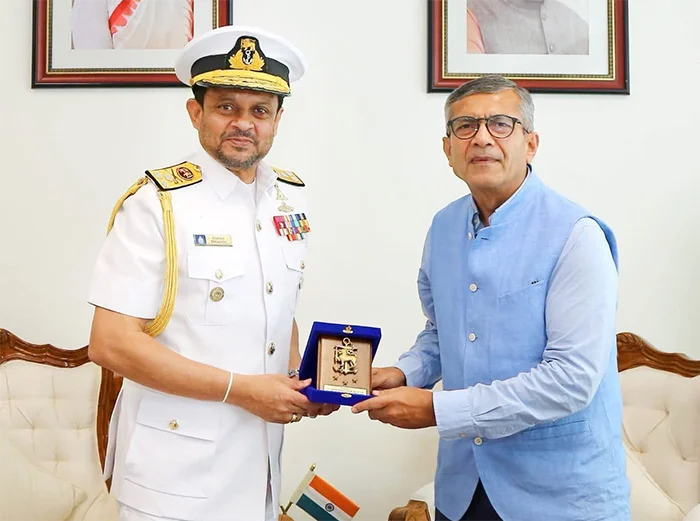
Navy Chief Vice Admiral Damian Fernando held a series of strategic-level discussions with senior Indian defence and military officials during a three-day official visit to New Delhi. He returned on Sunday (30).
Navy Headquarters said that the two sides discussed ways to further strengthen maritime security cooperation between the two Navies in support of security in the Indian Ocean region. They also exchanged views on expanding training opportunities and capacity-building programmes, as well as other areas of bilateral importance.
During his visit to New Delhi, Vice Admiral Fernando also held official discussions with India’s Chief of Defence Staff, General N.S. Raja Subramani, Defence Secretary Rajesh Kumar Singh and Vice Chief of the Air Staff, Air Marshal Ashutosh Dixit and defence industry representatives. Discussions at these meetings focused on bilateral defence cooperation, joint training programmes, and opportunities to enhance air and maritime cooperation in the Indian Ocean Region.
As part of efforts to further expand cooperation in naval training and professional development, Vice Admiral Fernando also met Vice Admiral Sameer Saxena, Flag Officer Commanding-in-Chief of India’s Southern Naval Command, at its headquarters in Kochi, Kerala. The two sides discussed existing naval training exchange programmes and opportunities for introducing and expanding further training initiatives. The meeting followed the Commander of the Sri Lanka Navy’s visit to INS Dronacharya, the Indian Navy’s training establishment where he previously completed the Long Gunnery and Missile Course.

Nahida, Marufa help Bangladesh brush aside Indonesia

Showers will occur in the Western, Sabaragamuwa, Southern and Uva provinces and in Kandy and Nuwara-Eliya districts

Sun directly overhead Kalpitiya, Talawa, Sinharagama, Galkadawala, Nachchaduwa, Padikaramaduwa, Gomarankalla and Verugal about 12.10 noon today (01)

SJB asks what Speaker intended to do about allegations against CJ

Navy Chief attends strategic-level discussions in Delhi

ICRS: Sustained and collective efforts critical to address issue of missing persons

‘Dates have the highest sugar content to fight Coronavirus’

Sunday Island 27 December – Headlines

#SundayIsland 17th December – Headlines

Sunday Island – 28th March

Sunday Island Headlines – 21 March

Sunday Island – 21st February – Headlines
-

 News4 days ago
Eight politicians in drug kingpin probe
-

 Features2 days ago
“Wrap Me Up in My Blazer”— A Gentlemanly Bradby Reminiscence
-

 Business4 days ago
Sri Lanka opens up: A new season of direct connectivity
-
 Features4 days ago
Redefining ageing in Sri Lanka
-
 Features6 days ago
Insights from Chieftains of Uva: Genealogy of two Kandyan Families – Part II
-
 Latest News5 days ago
Nepal-Tibet floods: What happened, what caused them and who is missing?
-

 Editorial6 days ago
Warning of power cuts: El Niño and corruption
-

 Features6 days ago
Export diversification: Missing the wood for the trees – Part I