
News
Clearing X-Press Pearl debris will begin in early November


by Ifham Nizam
Marine Environment Protection Authority (MEPA) Chairperson Dharshani Lahandapura, Attorney-at-Law said that removal of debris of Singapore-registered MV X-Press Pearl that sank in Lankan waters is set to start early November.
She said: “The Coastal area from Mannar to Dondra is cleaned daily. We have spent around 30,000 man-hours in the cleaning operation. Around 400 workers have been deployed for this work that has been going on daily for some time now. This process has to be continued for at least one more year.”
She said that special attention has been paid to clean the coastal areas in Negombo, Sarakkauwa, Mount Lavinia and Angulana.
The vessel was carrying 1,486 containers, including 25 tonnes of nitric acid, along with other chemicals and cosmetics that were loaded at the port of Hazira, India, on May 15. It caught fire off Colombo Port on May 27. After burning for 12 days, the vessel sank on June 2 as it was being towed to deeper waters.
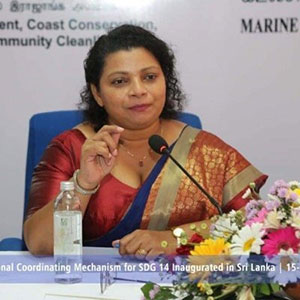 Lahandapura said this was one of the worst-ever marine disasters the country had to ever face. Calling it a ‘man-made disaster’, she said: “This is an unfortunate incident for Sri Lanka. It has negatively impacted the country in many ways. What we are doing right now is minimizing that negative impact.”
The environmental damage inflicted by the disaster has been divided to two categories: visible and invisible, she said.
The Prime Minister’s office has instructed MEPA to expedite its process of estimating the damage caused and the cost of recovery.
“The ship is now a huge pile of debris. It took five months for that to happen. What’s left now has dwindling power of damaging the environment. Tests are still being conducted to identify any further damage.”
What remains to be done has five components: observing the status quo of the wreckage, cleaning the beach and sea bottom at the disaster site, investigating the possibility of any accidental occurrence, collecting data on damage caused to the marine and coastal environment and surveying the changes occurring on the seabed, she said.
Plastic remnants are being cleared not only from the beach surface, but going down one meter as some plastic pellets have been found buried quite deep in the sand.
A team of 40 field experts and scientists, co-chaired by Prof Ajith de Alwis, Dean of Faculty of Graduate Studies of the Moratuwa University and Prof Prshanthi Gunawardena of the Department of Forestry and Environmental Science, University of Sri Jayewardenepura has been assigned the task of estimating the environmental damage.
Assistance has been rendered by 14 government agencies including the Department of the Government Analyst, Central Environment Authority and Wildlife Conservation Department. In addition laboratory assistance has been obtained from foreign countries including the UK, Australia and France.
Lahandapura said scanning the ocean bed has nearly been completed to assess the damage. Our plan was to commence debris removal at the end of this month and we’re still trying to keep to that deadline. Otherwise the project will begin in the first week of November,” she said,
The final report on damage assessment is expected to be submitted by Nov 30.


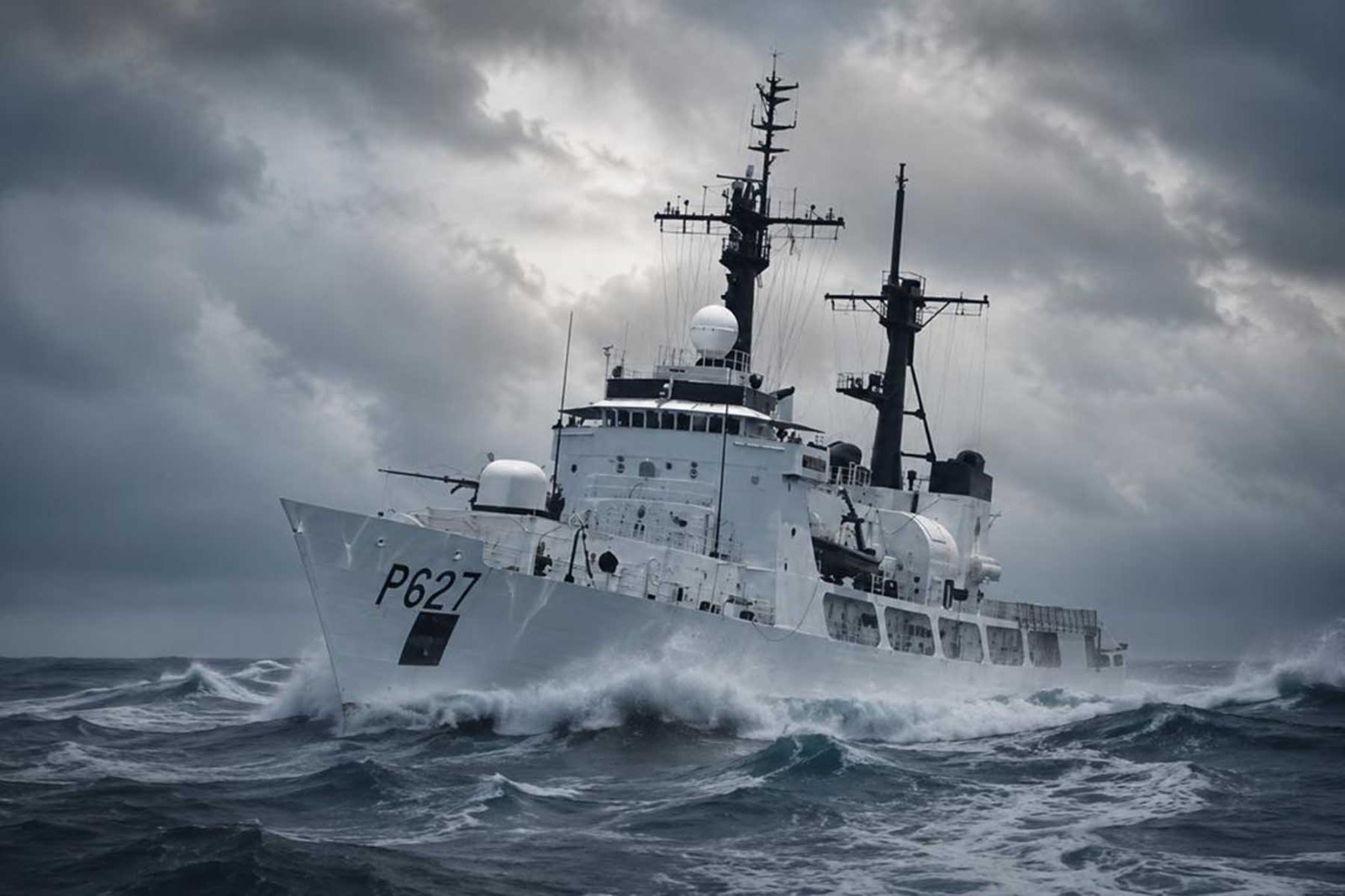
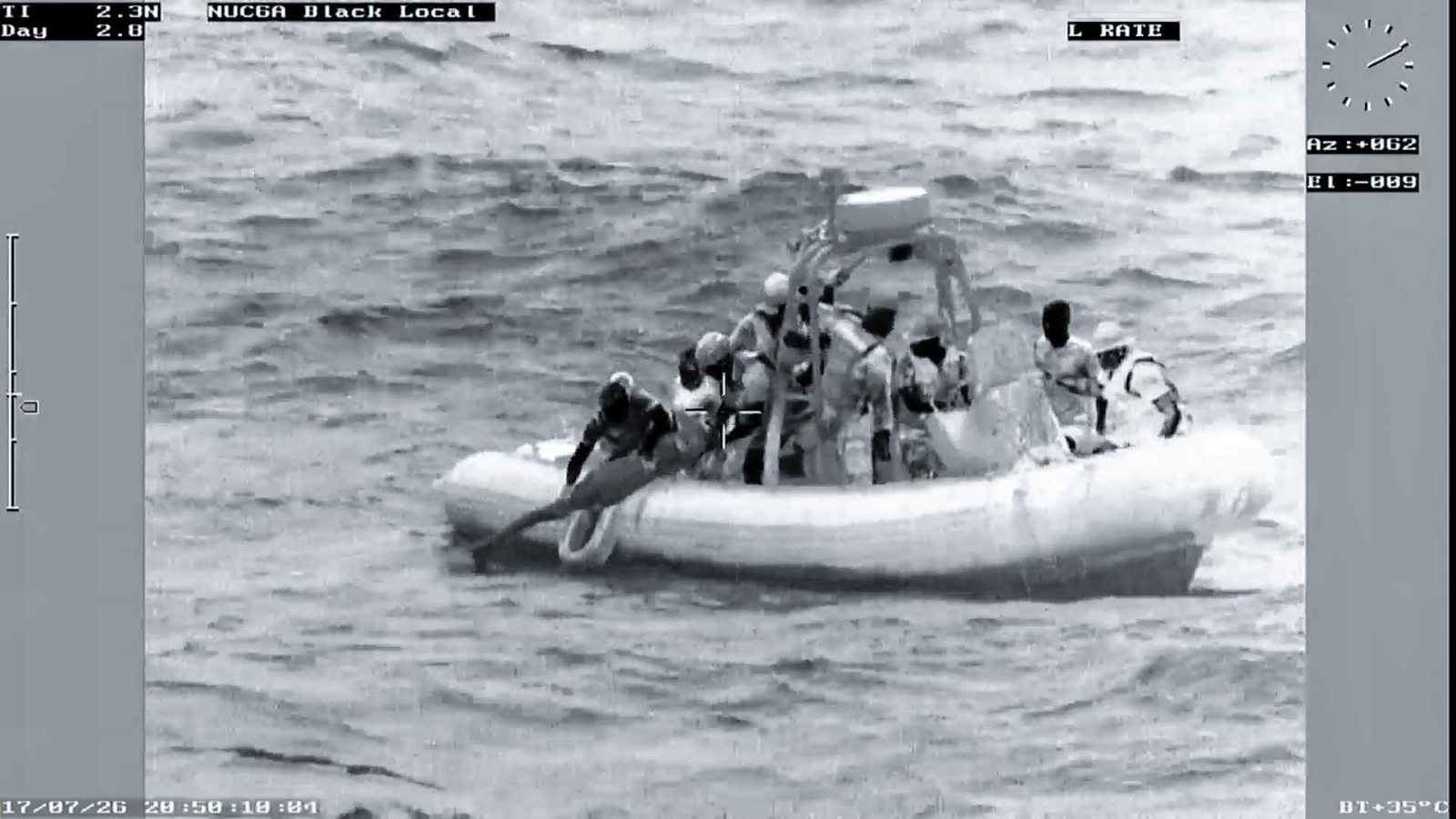
The Sri Lanka Navy rescued a fisherman from a local fishing trawler that encountered distress due to adverse weather conditions off the eastern coast of Sri Lanka.
The rescue operation took place on 17 July 2026, approximately 15 nautical miles off Pothuvil. The operation was launched following information received by the Maritime Rescue Coordination Centre (MRCC) Colombo.
In response, the Sri Lanka Navy deployed the Offshore Patrol Vessel SLNS Vijayabahu along with additional craft to conduct a search operation in the designated sea area, where they successfully located the distressed fisherman.
Following the rescue, the individual was brought aboard SLNS Vijayabahu, where naval personnel administered preliminary first aid. He was subsequently brought to the mainland and rushed for further medical attention.
Meanwhile, the Navy, along with the coordination of MRCC Colombo, remains constantly prepared to swiftly respond to the eventualities faced by maritime and fishing communities operating within the island’s Search and Rescue Region (SRR).

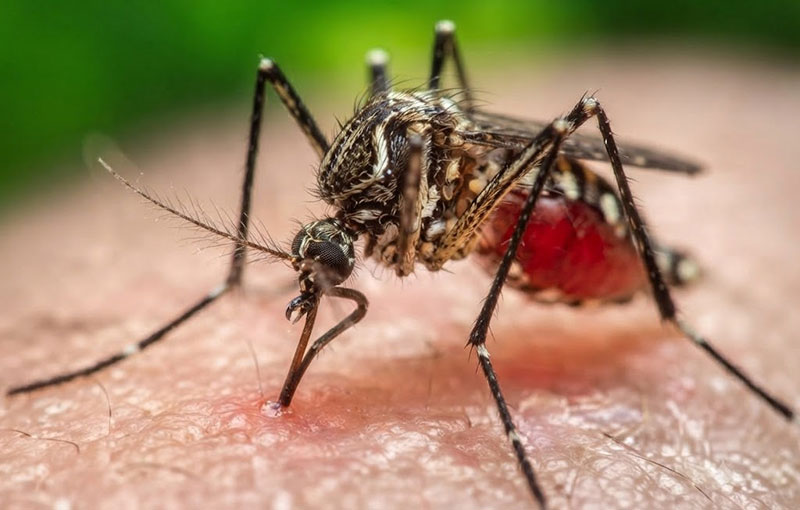
The countrywide dengue outbreak has intensified, with the death toll rising to 50, by July 16, as the number of reported infections surpassed 73,000, according to the National Dengue Control Unit (NDCU).
The country has recorded 73,455 dengue cases so far this year, with the case fatality rate standing at 0.07 percent, highlighting the severity of the ongoing outbreak.
The Western Province continues to remain the worst affected region, accounting for more than half of the total cases, with 38,700 infections. The Gampaha District has recorded the highest number of cases in the province with 15,341, followed closely by Colombo with 14,625.
The Southern Province has reported 11,382 cases, while the Sabaragamuwa and Central provinces have each recorded more than 6,000 infections.
Dengue cases have shown a sharp increase in recent months, with June recording the highest monthly total of 21,538 cases, while July has already reported 18,076 infections. In comparison, 8,590 cases were reported in May, and 5,651 in April.
Health authorities have identified 175 Medical Officer of Health (MOH) areas as high-risk locations during the 27th epidemiological week. An average of 2,677 new dengue cases are being reported daily, prompting authorities to intensify prevention and mosquito control measures.
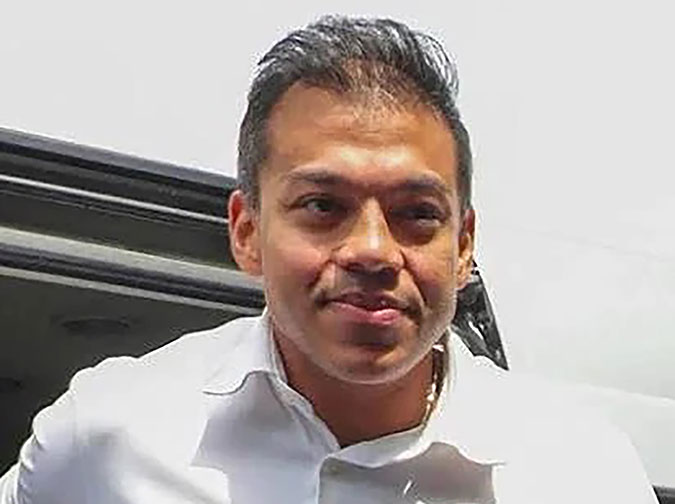
The Colombo High Court yesterday (17) resumed hearing the money laundering case filed against Yoshitha Rajapaksa, son of former President Mahinda Rajapaksa, under the Prevention of Money Laundering Act.
The proceedings were held before High Court Judge Udesh Ranatunga, where evidence was recorded from prosecution witnesses, under the direction of Deputy Solicitor General Janaka Bandara.
President’s Counsel Sampath Mendis, appearing for Yoshitha Rajapaksa, cross-examined the witnesses during the hearing.
After recording evidence, the court ordered that further examination of evidence be postponed until July 24.
The Attorney General has filed indictments, alleging that Yoshitha Rajapaksa committed an offence, under the Prevention of Money Laundering Act, by purchasing five plots of land in Dehiwala and Ratmalana, valued at more than Rs. 73 million.

Davis cup Asia/Oceania Group IV 2026 to be held in Colombo from 20th to 25th July

Navy brings fisherman in distress off Pothuvil, ashore

Malinga, Asalanka seal Galle Gallants win in LPL opener

Showers may occur in the Western, Sabaragamuwa and North-western provinces and in Kandy, Nuwara-Eliya, Galle and Matara districts

Dengue outbreak gallops ahead: Infections surpasses 73,455, leaving 50 dead

Evidence recorded in money laundering case against Yoshitha Rajapaksa

‘Dates have the highest sugar content to fight Coronavirus’

Sunday Island 27 December – Headlines

#SundayIsland 17th December – Headlines

Sunday Island – 28th March

Sunday Island Headlines – 21 March

Sunday Island – 21st February – Headlines
-
 Features6 days ago
Prison riots and politics: NPP’s biggest challenge and Sri Lanka’s biggest opportunity
-
 Features3 days ago
Dirty Money
-

 Editorial6 days ago
Much ado about crime: Fish or cut bait
-

 Sports6 days ago
The banker who rescued Sri Lankan cricket
-
 Features6 days ago
More on Saudi Arabia: ARAMCO and beyond
-

 News1 day ago
Money laundering case against Yoshitha, fixed for pre-trial conference
-
 Midweek Review3 days ago
The sordid tale of theft and tragedy at Finance Ministry
-
 Latest News4 days ago
Oil prices hit 1-month high as US-Iran attacks dim Strait of Hormuz outlook