
News
Sri Lanka bans ‘drunk driving’ of elephants in new protection law

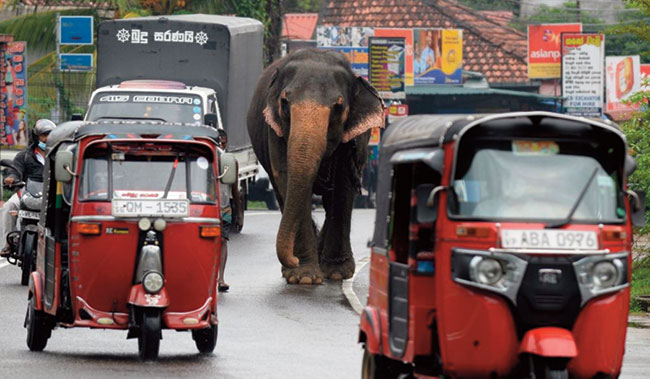
by Amal Jayasinghe
Colombo (Sri Lanka – AFP) Sri Lanka will issue captive elephants with their own biometric identity cards and ban their keepers from drinking on the job under a wide-ranging new animal protection law.
Many rich Sri Lankans — including Buddhist monks — keep elephants as pets to show off their wealth, but complaints of ill treatment and cruelty are widespread.
The new measures are aimed at protecting the animals’ welfare and include strict regulations around working elephants, as well as mandating a daily two-and-a-half-hour bath for each creature.
Official records show there are about 200 domesticated elephants in this South Asian nation, with the population in the wild estimated at about 7,500.
The new law will require all owners to ensure that animals under their care have new photo identity cards with a DNA stamp.
It also brings in multiple regulations for working elephants.
Baby elephants can no longer be used for work — even cultural pageants — and cannot be separated from their mothers.
Logging elephants cannot be worked for more than four hours a day and night work is prohibited.
There are new restrictions on the tourism industry too — from now on, no more than four people can ride an elephant at once, and they must sit on a well-padded saddle.
Their use in films is banned, except for government productions under strict veterinary supervision, as is allowing their riders to drink while working.
“The person who owns or has the custody of such elephants shall ensure that the mahout (rider) is not consuming any liquor or any harmful drug while employed,” Wildlife Protection minister Wimalaweera Dissanayaka said in a recent gazette notification.
Owners must send their animals for a medical check-up every six months.
Those who violate the new law will have their elephant taken into state care and could face a three-year prison sentence.
Capturing wild elephants in Sri Lanka is a criminal offence punishable by death, but prosecutions are rare.
Animal rights activists as well as elephant experts have alleged that over the last 15 years, more than 40 baby elephants have been stolen from national wildlife parks.

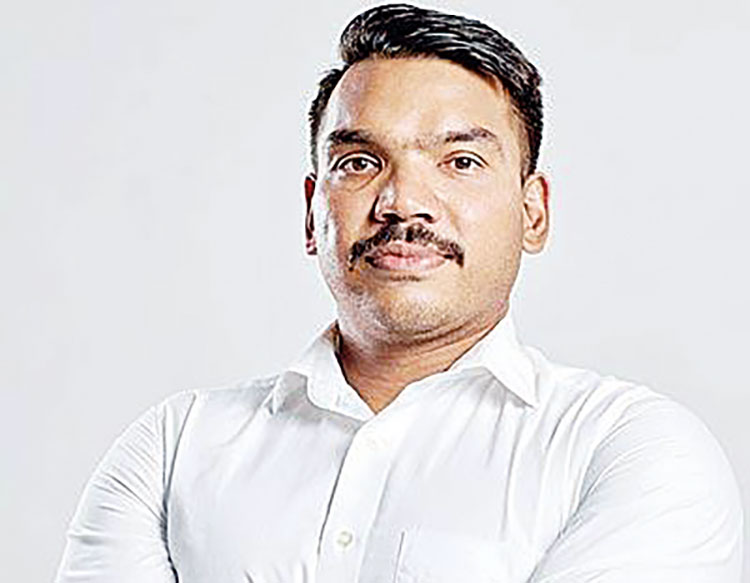
SLPP MP Namal Rajapaksa yesterday warned that the proposed Organised Crime Prevention Bill could pave the way for repressive practices, similar to those witnessed during the 1988–89 period.
Rajapaksa, who arrived in Parliament from remand custody to attend the proceedings, raised concerns over provisions relating to the identification of members of organised criminal groups.
“Do you need a new law to arrest someone who has a tattoo displaying the symbol of an organised criminal gang?” he asked.
Referring to explanations given by Justice Minister Harshana Nanayakkara regarding tattoos and other characteristics associated with criminal groups, Rajapaksa questioned whether the proposed legislation could result in people being targeted, based on their physical appearance.
He recalled earlier practices involving persons identified as Island Reconvicted Criminals (IRCs), claiming that people had been targeted over their hairstyles and beards.
Rajapaksa alleged that the Government was attempting to introduce repressive measures, under the guise of combating organised crime, and drew parallels with the methods used during the 1988–89 period.
He also questioned the Government’s priorities, pointing to continuing shootings and killings, linked to organised crime, while accusing the authorities of failing to adequately address the economic difficulties faced by the public.
The SLPP MP urged the Government to focus on unemployment, the rising cost of living and other pressing issues instead of introducing legislation which, he claimed, could be used for repression.

The Navy has apprehended 55 people in separate operations targeting illegal fishing and suspected narcotics smuggling in coastal areas this month.
According to the Navy, 50 people were arrested for engaging in illegal fishing during operations conducted between October 2 and 17 in coastal areas of Trincomalee, Jaffna and Puttalam.
The operations, conducted by the Eastern, Northern and Northwestern Naval Commands, also resulted in the seizure of 33 dinghies, a canoe and a quantity of unauthorised fishing equipment.
The suspects, boats and equipment were handed over to officials of the Department of Fisheries and Aquatic Resources for further legal action.
Meanwhile, five suspects were arrested along with a multi-day fishing trawler during a separate naval operation in the southern seas on October 13 over suspected narcotics smuggling.
The suspects and the trawler were handed over to the Police Narcotics Bureau for further investigations and legal action.
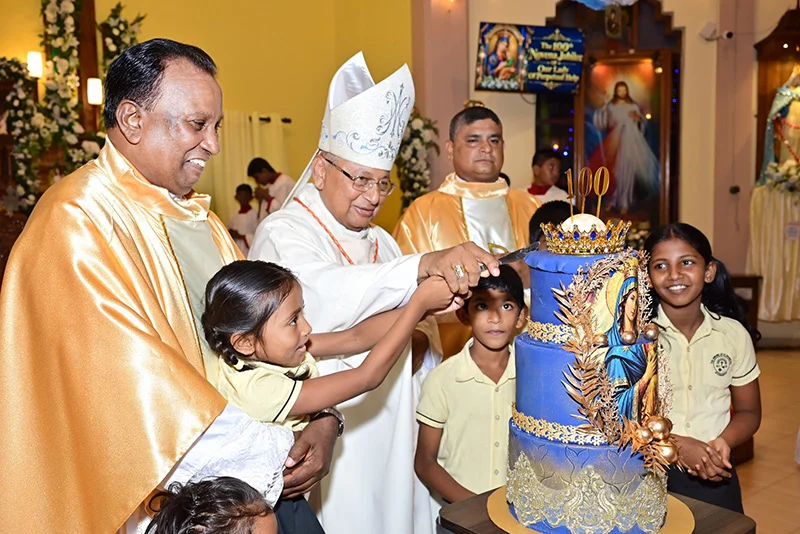
by J. Stanislas Pius
The centenary Perpetual Novena Holy Mass at the Shrine of St. Padre Pio in Athurugiriya was held on Sunday (18), presided over by Archbishop of Colombo Malcolm Cardinal Ranjith.
The Mass, marking the 100th Perpetual Novena, was held at 6 p.m. with the participation of Colombo Regional Vicar Very Rev. Fr. Robinson Wijesinghe, Ven. Sevwanagala Samadhi Thero of the Athurugiriya Seewali Hermitage and members of the Catholic community.
The event was organised under the leadership of the priest in charge of the shrine, Rev. Fr. Harsha Rajakaruna.
Following the Mass, the Grotto of Our Lady of Perpetual Help within the shrine was blessed and opened.

Wesley upset Richmond to join Mahanama and Nalanda in semis

LKR 3 billion HLAB fund launched to help Sri Lankan businesses scale

Namal alerts country to clear signs of returning to repressive practices of late 1980s

A call for professional dignity, political responsibility, and intelligent conflict resolution

Heshara, Shashen, Dilini among top performers

Molineux, Dunkley enter WPL 2027 auction with top base price of INR 50 lakh

‘Dates have the highest sugar content to fight Coronavirus’

Sunday Island 27 December – Headlines

#SundayIsland 17th December – Headlines

Sunday Island – 28th March

Sunday Island Headlines – 21 March

Sunday Island – 21st February – Headlines
-

 Features3 days ago
Kotahena:A Small Enclave, An Extraordinary Legacy
-

 News7 days ago
Sri Lanka, India caught in US-Iran ship crisis
-
 News4 days ago
Asgiri Mahanayake calls for immediate release of Gnanasara Thera
-

 News3 days ago
Record 1,600 students take Russian Classical Ballet examination in Sri Lanka
-
 News6 days ago
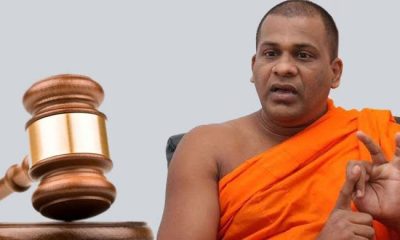
AC President recuses himself from hearing prison attire case pertaining to Gnanasara Thera
-
 News5 days ago
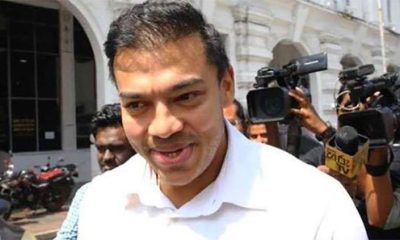
Naval officer testifies Yoshitha received Rs. 5.15 mn in salaries during SLN service
-

 Latest News7 days ago
Heavy showers above 100 mm are likely at some places in the Western, Sabaragamuwa, Southern, Central, and North-western provinces and in Anuradhapura district.
-

 News3 days ago
Karannagoda pushed for £24,536 for Yoshitha’s UK training, Court told