
Life style
Non-alcoholic fatty liver: the twin of diabetes

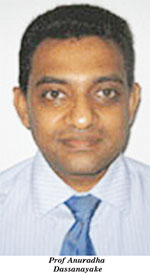
In an interview with Sunday Island, Prof. Anuradha Dassanayake, Consultant Physician and Professor in Pharmacology with special interest in liver disease from the Faculty of Medicine, University of Kelaniya throws light on non-alcoholic fatty liver disease (NAFLD) which is affecting almost 60% of middle aged and the elderly population and around 10% of adolescents in Sri Lanka. It is also known to be the ‘twin of diabetes’. The ‘grim and grave’ situation of NAFLD calls for recognition of it as a ‘health emergency’ today says Prof. Dassanayake
by Randima Attygalle
A precursor to cirrhosis and liver cancer, NAFLD is caused by accumulation of extra fat in liver cells that is NOT caused by alcohol. Largely triggered by fast food and lack of exercise, NAFLD is more prevalent among South Asians.
“The research confirms that even in countries such as the UK, NAFLD and cirrhosis are more common in those of South Asian origin,” explains Prof. Anuradha Dassanayake. He also says that genetic involvement of NAFLD is also notable. “Those with a family history of liver disease or liver cancer are more susceptible to develop NAFLD at a young age and they have a higher risk of developing cirrhosis by the age of 50 to 60.” Metabolic risk factors for NAFLD include cholesterol, heart disease and diabetes. Smoking and alcohol progress liver disease very rapidly.
 Excess calorie intake which is accumulated as fat all over the body, leads to obesity which is a risk factor for NAFLD. This excess fat is harmful to multiple organs in the body including the brain, liver, kidney and the heart. The excessive fat however is not derived only by eating ‘fatty meals’ such as processed meat and fried food but also by excessive carbohydrates and sugar, all of which is converted to fat in the end, points out Prof. Dassanayake.
“Wherever there is fast food, NAFLD is inevitable along with diabetes and heart disease,” says the senior consultant. “While it takes about two hours for a square meal to be prepared at home, it takes just two minutes to get a fast food meal which has no fibres but fortified in calories and carbs which is a very dangerous combination.” Saturated fats and calories of fast food make permanent changes in gut microbiota by altering the ‘friendly microorganism’ (which is required for gut health) into dangerous organism. “Once such permanent change is made, it is hard to shed body fat, even if you eat very little,” Prof. Dassanayake explains. Fructose syrup which is made out of corn is also ‘deadly for the liver’ he says. “Fructose is sweeter and cheaper compared to table sugar and is often found in commercially prepared sweets and beverages.”
The sedentary lifestyle which compounded by the COVID-pandemic is likely to see a rise of increased number of NAFLD cases including children, observes the Consultant. “Lack of physical exercise, increased screen-time before computers, phones and TVs are making most children overweight or obese which is a precursor to NAFLD.” A recent study from the Central Province reveals that about 20% of the estate workers have NAFLD. This is largely attributed to their diet of all-carbs with no fibre, points out Prof. Dassanayake.

The condition which is also considered the ‘twin’ of diabetes, will lead to an epidemic of cirrhosis (the progressive phase of NAFLD where the liver is hardened) in the next 20 years, unless a global campaign declaring it a ‘healthy emergency’ is realized, warns the physician. “NAFLD is not yet found in any of the world’s non-communicable disease (NCDs) control programmes. The epidemic of cirrhosis which is predicted in the next 15 to 20 years is going to be an absolute tsunami-like disaster and worst of it is that the world is still not prepared for it.”
The strong link between diabetes and NAFLD is now established, points out Prof. Dassanayake. “Today Diabetes organizations world over, recommend the screening of all diabetics for NAFDL.” The physician also explains that almost all people who develop NAFDL will end up with diabetes and if it’s diagnosed early, lifestyle modifications such as healthy eating and reducing weight can reverse the condition. “Coffee is often encouraged among those with NAFDL,” he says.
A silent killer, NAFLD is mostly asymptomatic (showing no symptoms. “While a few may experience a dull pain on the right side of the stomach below the rib cage, most will not be aware until it has progressed to cirrhosis or worse, liver failure marked by swelling of legs and stomach and vomiting of blood, hence it is very sinister,” the physician warns.
Several blood tests and new tools such as the Fibro Scan can diagnose NAFLD. “If you catch it early of its onset, it can be reversed by losing 10% of the body weight. While management of NAFLD with drugs is minimal, lifestyle modification is what physicians encourage. However, if it has progressed to cirrhosis, as it happens in 10% of all people with NAFLD, there is no alternative other than a liver transplant which is a costly affair,” says Prof. Dassanayake.
Annually around 3,000 patients die of cirrhosis here at home and only about 10 transplants can be performed locally, says the physician. “This is due to lack of resources and the difficulty in finding suitable non-fatty liver donors. Only a few can afford to get a transplant overseas and the situation of a large majority is very grim. Sadly without a transplant, there is absolutely no hope for these patients.”
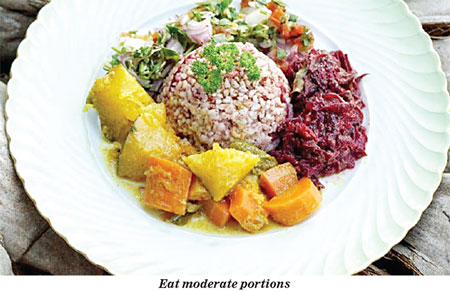
Debunking myths such as ‘long term diabetes drugs could cause fatty liver’ and that ‘fatty liver is harmless’ , Prof. Dassanayake reiterates that the condition is a red flag and urges people to eat healthy and watch their weight. “If you have a fatty liver at 25, you are likely to develop diabetes by 35 and suffer a heart attack by 45, such is the gravity of the condition. The good news is that unless you have a very nasty gene which triggers it, NAFLD is a preventable condition.”

Encouraging people to revert to the traditional Sri Lankan diet with moderate rice consumption, Prof. Dassanayake also calls for enhanced health literacy. “Unlike the good old days, where Sri Lankans were physically active, today many spend sedentary lives, hence they need to be conscious of their daily rice intake and also be conscious of the BMI value (Body Mass Index which articulates the ideal weight against height).


By Ifham Nizam
The sixth edition of the “Beauty of Sri Lanka” Photography Exhibition is set to unfold across North America this April, transforming the power of visual storytelling into a compelling platform for cultural diplomacy, environmental advocacy and nation branding.
Organised by the America Sri Lanka Photographic Art Society in collaboration with key diplomatic and institutional partners, including the Embassy of Sri Lanka in Washington, D.C., the Permanent Mission of Sri Lanka to the United Nations, the Consulate General of Sri Lanka in Los Angeles and Toronto, and the Sri Lanka Tourism Promotion Bureau, the exhibition will run from April 22 to May 4 across Los Angeles, Toronto, New York and Washington, D.C.
Held in conjunction with Earth Day, the exhibition continues to evolve as a globally recognised initiative that brings together art, conservation and international engagement. What began as a photography showcase has now matured into a dynamic soft-power platform that tells Sri Lanka’s story to the world—through its landscapes, biodiversity, and deeply rooted cultural heritage.

Photographers from Sri Lanka at Nigara State Park
The 2026 tour will feature prestigious venues that reflect its growing international stature. These include the iconic Church of Scientology Celebrity Centre International, Metro Hall in Toronto—marking the exhibition’s debut in Canada—the Permanent Mission in New York, and the Sri Lankan Embassy in Washington, D.C., as part of the widely celebrated Passport D.C. event. Each venue represents not only a geographic expansion but also a widening of the exhibition’s global audience and influence.

Exhibition
At its heart, “Beauty of Sri Lanka” is a vivid narrative of a nation’s natural and cultural wealth. From the mist-covered central highlands and pristine coastal belts to dense rainforests teeming with endemic wildlife, the exhibition captures Sri Lanka’s ecological richness through the lenses of talented photographers. These images serve as both an invitation to explore and a reminder of the urgent need to protect fragile ecosystems.
This year’s programme takes a significant step further by integrating real-world environmental action. The “ReTree Los Angeles” initiative, launched in line with Earth Day, focuses on tree planting, urban restoration and community engagement. It also includes a children’s painting competition aimed at fostering environmental awareness among the younger generation. Organisers believe that nurturing creativity at an early age can instil a lifelong commitment to conservation.
Adding a scientific dimension to the event, Dr. Sarath Gunapala will deliver the keynote address on “The Journey of Infrared Photography,” exploring how advanced imaging techniques can reveal unseen dimensions of the natural world. His participation highlights the exhibition’s interdisciplinary approach, where art meets science to deepen understanding and appreciation.
The exhibition will also feature a vibrant cultural segment designed to immerse international audiences in Sri Lanka’s living traditions. A carefully curated lineup of performances—including the sacred Wes Pooja, the dramatic Naga Raksha mask dance, the rhythmic Thelme ritual dance and the light-hearted Salu Paliya—will bring to life the island’s folklore, rituals and performing arts heritage. These performances are expected to add colour, rhythm and emotional depth to the visual experience offered by the photographic displays.
ASPAS President Suria Perera emphasised that the exhibition is more than a display of images. “It is a celebration of Sri Lanka’s identity—its natural beauty, its cultural vibrancy, and its responsibility to future generations,” she said. “Through photography and community engagement, we aim to inspire a deeper connection between people and the environment.”
Over the years, the exhibition has drawn a diverse audience, including diplomats, policymakers, conservationists, art collectors and members of the Sri Lankan diaspora. Its ability to connect these varied groups underscores its role as a bridge between cultures, fostering dialogue and mutual understanding while strengthening Sri Lanka’s global presence.
The continued support of diplomatic missions, cultural institutions and tourism authorities has been instrumental in elevating the exhibition’s profile. Their collaboration reinforces the role of art as a powerful tool in shaping perceptions, building partnerships and promoting sustainable tourism.
As the 2026 edition prepares to open its doors, “Beauty of Sri Lanka” stands as a testament to the island nation’s enduring appeal and its commitment to conservation. It is not merely an exhibition, but a movement—one that celebrates beauty, inspires responsibility and connects Sri Lanka to the world through the universal language of art.
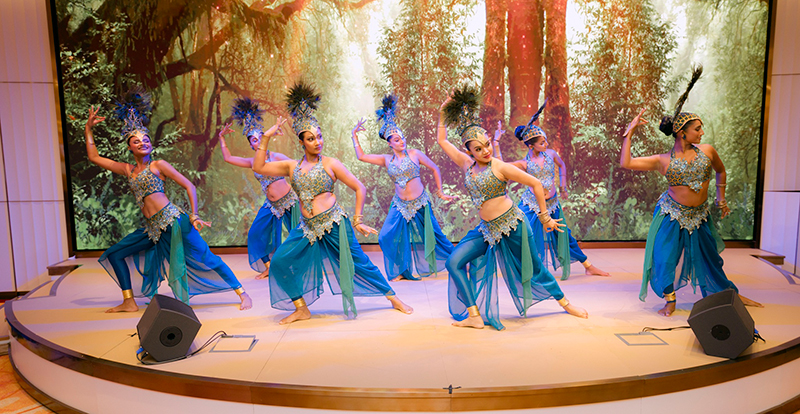
This holiday season, City of Dreams Sri Lanka invites guests to step into the heart of a truly Sri Lankan celebration with Signature Avurudu—a four-day cultural experience taking place.
Blending time-honoured traditions with contemporary flair, the festivities promise to capture the spirit of the Aluth Avurudda (Sinhala and Tamil New Year) in all its colour, rhythm, and warmth. From the moment guests arrive, they will be welcomed into a space transformed with festive décor, echoing the charm of a village celebrations brought to life in the city.
At the centre of the celebration is the Pahan Pujava, a symbolic lamp lighting ceremony led by the management, setting a tone of unity, prosperity, and new beginnings. This meaningful ritual reflects the essence of the New Year—a time to pause, reflect, and step into the new year with hope and positivity.
Throughout the four days, guests can experience the rich cultural heritage of Sri Lanka through a series of traditional performances. The rhythmic beats of raban and drums, alongside vibrant dance acts, will fill the air, creating an atmosphere that is both nostalgic and celebratory. Adding to the experience are elegantly dressed Sri Lankan hostesses, offering a warm, authentic welcome that embodies the island’s renowned hospitality.
No Avurudu celebration is complete without its flavours, and City of Dreams Sri Lanka delivers a feast to remember. Guests can indulge in an array of traditional sweets and savouries, alongside curated Avurudu-themed buffets and creative beverages inspired by local ingredients. Passing canapés and festive treats ensure there is something to enjoy at every turn—whether you’re reminiscing over childhood favourites or discovering new twists on beloved classics.
Designed as a celebration for all, Signature Avurudu brings together families, friends, and visitors from around the world to share in the joy of the season. It is a reminder that Avurudu is more than a festival—it is a feeling of togetherness, renewal, and shared happiness.
This April, celebrate the sights, sounds, and tastes of Avurudu at City of Dreams Sri Lanka—where tradition meets modern celebration, and every moment feels like home.

Students of S. Thomas’ College recently demonstrated commendable performance at two international sailing events held in India: the inaugural Indian Sailing Regatta and the 4th North-East Regatta. Both events featured participation from foreign teams, including Sri Lanka, Taiwan, Malaysia, Russia, Great Britain, South Korea, Singapore, and India.
The inaugural Indian Sailing League (ISL), held at Umiam Lake, Shillong, India, marked a significant milestone in the sport and was prominently featured in The Times of India. The ISL is a first-of-its-kind franchise-based sailing league, bringing together 14 teams, 182 sailors, and 58 international participants from eight countries.
The ISL follows a concept similar to the Cricket Indian Premier League, where top sailors are “bid” and selected into franchise teams representing different regions. The competition introduced an innovative team-based format in which the best sailor from each team in each category competed, combining multiple race formats such as fleet racing, team racing, marathon races, and rig-and-race challenges. This pioneering structure, widely regarded as a first in global sailing history, has significantly enhanced the spectator appeal and competitive depth of the sport, while promoting youth, women, and high-performance sailing on a single platform.
At the first Indian Sailing Regatta, in the Boys’ Optimist category, Haren Wickramatillake secured 3rd place and was also awarded a special medal for his courage during the rig and race event. Dhiren Perera achieved 3rd place in the rig and race event alongside his team member.
At the 4th North-East Regatta, performances continued to be noteworthy. In the Main Optimist Boys category, Haren Wickramatillake was placed 6th, while Shem Fernando secured 19th place out of 32 participants. In the Junior Green Fleet Optimist Boys category, Anuruth Tennakoon achieved 2nd place and Dhiren Perera was placed 4th out of 10 participants. In the ILCA 4 Boys category, Akaine Ubayasiri was placed 11th out of 22 participants.
These achievements highlight the high level of skill, determination, and sportsmanship demonstrated by the young sailors, while also reflecting Sri Lanka’s strong presence in an emerging and globally significant sailing platform.
Upcoming international sailing events, featuring students of S. Thomas’ College, include the Asian Beach Games 2026, to be held in China ,in April 2026, and the International Optimist Dinghy Association (IODA) competition, scheduled to take place at Port City, in Sri Lanka, in December 2026. These events will provide valuable international exposure and further opportunities for the young college sailors to compete at a high level.

Naples bank robbers hold 25 people hostage then vanish through tunnel

Oil prices plunge as Iran says Strait of Hormuz ‘open’ during ceasefire

Iran says $270bn war loss must be compensated, as fresh talks with US loom

Navy seize 161kg heroin shipment in high-seas operation

Minister of Power and Energy and Ministry Secretary resign from posts

Rwanda to host inaugural ICC Women’s Challenge Trophy from April 18

‘Dates have the highest sugar content to fight Coronavirus’

Sunday Island 27 December – Headlines

#SundayIsland 17th December – Headlines

Sunday Island – 28th March

Sunday Island Headlines – 21 March

Sunday Island – 21st February – Headlines
-

 News6 days ago
CEB orders temporary shutdown of large rooftop solar systems
-
 Features6 days ago
From Royal College Platoon to National Cadet Corps: 145 years of discipline, leadership, and modern challenges
-
 Latest News5 days ago
PNS TAIMUR & ASLAT arrive in Colombo
-

 News7 days ago
Anura Solomons passes away
-

 Features6 days ago
CIA’s hidden weapon in Iran
-
 Latest News5 days ago
Prasidh, Buttler set up comfortable win for Gujarat Titans
-

 News2 days ago
PNS TAIMUR & ASLAT set sail from Colombo
-

 Business7 days ago
SL’s economic outlook for 2026 being shaped by M-E conflict