
Business
LET’S BE ENERGY LEADERS

By Wasantha Perera
Secretary/ Ministry of Power
What and Why a ‘National Energy Day’?
Energy is the creator of a modern society. Our lives revolve around the continuous energy supply, which is made possible by the advanced infrastructure that exists in our cities. The energy supplied to us through our wall sockets, the flow of fuel to vehicles around, and the massive volume of power supplied through our electricity network to power our industries is crucial to our everyday well-being.
Driving the energy sector of the country to efficiency not only marks the success of our economic management, but also the assurance of our future habitability and well-being. This mission of energy management is no small feat. It requires a collective effort of each and every member within our society. A collective mission to conserve energy opens up enormous possibilities and stimulates creativity among our SMEs.
We celebrate National Energy Day to remember this mission and empower the next generation to be a part of it. Today is the day dedicated to energy education, energy awareness and energy innovations. It is dedicated to the experts teach the nation how to conserve energy and help them understand its importance. Importantly, today is the day that we show our gratitude to the endless possibilities provided to us through the energy system, and recognize how we preserve it.
What is energy? How energy dependent are we?
For a long time, scientists and engineers thought mechanical energy and thermal energy were two different types of energy that cannot be mixed together. Mechanical energy is the energy in moving objects, and the energy required to move and lift things. Thermal energy is the energy required to generate heat. In the late 17th century, scientists found out that thermal energy, in fact, can be converted to mechanical energy and vice versa.
Energy comes in so many different forms. We utilize energy to perform motor skills; to throw, lift heat and emit light. Heat, light, sound and electricity are also forms of energy and energy can be converted from one form to the other. Heat can be converted to mechanical energy and mechanical energy into electrical energy by way of using a generator. Light energy can be converted to electricity using solar cells. As we all know, electrical energy is converted to light through a light bulb. This conversion created a new technology called energy technology. Today everybody converts all primary energy sources to electricity, transport to the point of consumption and convert it back to the energy form, which is required.
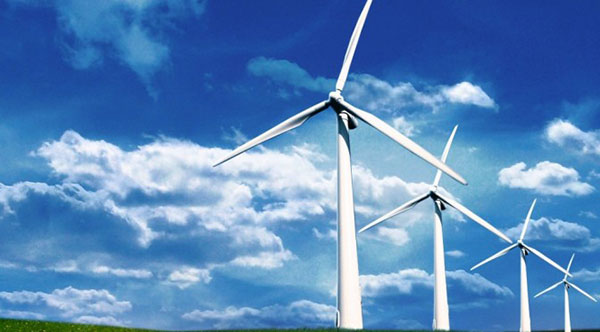
The energy requirement of the world is supplied by various resources that contain energy within them. Fossil fuels such as crude oil and coal are the most prominent primary energy sources in the world. Still, the firewood and plant components supply a significant portion of the world’s energy requirement. Nuclear energy created by the nuclear reactions of radioactive substances, such as Uranium and Plutonium found in our soil, is also a primary energy source of the world. Hydro energy in water stored at heights are used in hydro-power plants to generate electricity. The light energy in direct sunlight and the wind created by the differential heating of the atmosphere by the sun’s energy provide us with very valuable energy sources. Energy in ocean currents is also an important modern energy source tapped by undersea generators. All these are crucial energy sources that supply energy throughout the world.
In Sri Lanka our primary energy supply comes from fossil fuels (53%), solar (13%), wind and hydro (34%) and biomass. 28% of this primary energy supply is converted to electricity. Our industries consume 26% of the country’s energy. The domestic and commercial sector consumes 41% and 33% by the transport sector. All the energy used for the transport sector is supplied only from fossil fuels.
A moment’s power failure in our electrical grid system can bring our lives to a grinding halt, which shows the energy dependency of our daily lives. This applies to our industries and commercial activities as well. The lifeblood of the modern economy is its energy supply. Therefore, the reliability, stability and sustainability of our energy supply is as important as its affordability.
The energy outlook of our nation is currently in a transitional stage. It is important that we navigate this transition to reduce our carbon footprint and increase our energy security. This can be achieved through a plan governed by a strategic policy and our collective effort.
National energy Policy and its objectives
Sri Lanka’s ‘National Energy Policy’ is a well formed strategy which ensures convenient and affordable energy services for the equitable development of Sri Lanka through a clean, safe, sustainable, reliable and economically feasible energy supply. This Policy is formulated in alignment with the future goals of Sri Lanka, current global trends in energy and the Goal 7 of the Sustainable Development Goals of the United Nations. This policy will impact the vast realm of social, economic and environmental spheres and pave the way to realize the vision of Sri Lanka in achieving carbon neutrality and complete transition of all the energy value chains by 2050.
Energy is said to be at a trilemma. Energy equity, energy sustainability and energy reliability, are at a constant battle with each other. Affordable energy is not always clean or reliable. Clean energy is neither cheap nor guaranteed to be reliable. To make the energy supply system reliable, we are compelled to make massive investments towards delivering energy through systems that are neither cheap not clean. We must maintain a balance between these three competing ends: equity, sustainability and reliability. Thousands of researchers in the energy sector and engineering research centers all over the world strive to innovate technologies to find the right balance between equity, sustainability and reliability of energy. Every energy policy in the world tries to strike their own balancing point. Our energy policy is no different and tries to balance these three ends through various strategies, such as streamlining our firewood supply, going green, reducing the intensity and increasing the efficiency of our transport energy.
It takes a tremendous effort to provide affordable and accessible energy, while maintaining high reliability. The 2015 Sustainable Development Goals clearly recognize this trilemma, and have dedicated the seventh goal to “Ensure access to affordable, reliable and modern energy for all”. Within our global order, positioning Sri Lanka in the global forum as an example of a country with a green energy supply is a top priority that we care very much about.
Our electricity sector plays a vital role as the energy streamliner and catalyzer. In modern Sri Lanka, all energy forms are expected to be converted to electricity and delivered to the point of consumption. This is not as simple as in any other country due to our massive 34% footprint of biomass.
The government’s manifesto ‘Vistas of Prosperity and Splendor’ has captured the gamut of this concept in a powerful manner to state that ‘Sri Lanka is ranked high among the countries with a large share of renewable energy, with a strong commitment to retain this vital attribute of the nation’s economic resilience in a world of diminishing energy security’. As proven by this global pandemic and its consequences, today it is evident now more than ever, that our energy security, energy reliability and energy sustainability defines our world.
What is our responsibility on economic use of energy
The real question is how we can achieve energy efficiency and sustainability as a nation.
Our individual responsibility and role in this area is similar to our function within a democracy. The Sri Lankan energy supply can only be affordable, reliable and sustainable if everybody can together strive to achieve it.
We can identify our energy use among four economic sectors: residential, commercial, transportation, and industrial. We rely on energy for lighting, heating or cooling of buildings, moving vehicles and freight, and manufacturing products. It is projected that Sri Lanka’s energy demand will increase by 5-6% annually. Minimizing energy waste and using energy as economically as possible is the responsibility of every citizen. While my colleagues and various energy professionals dedicate ourselves to improving these systems, it is also equally the responsibility of every individual energy consumer to contribute to this collective mission by ensuring careful and economical use of energy in their day to day life.
The National Day is a perfect moment to reflect on our values and appreciate how far we’ve come, and how far we have yet to go.
“The pessimist complains about the wind. The optimist expects it to change.
The leader adjusts the sails”
John Maxwell Let’s adjust the sails and lead this voyage.

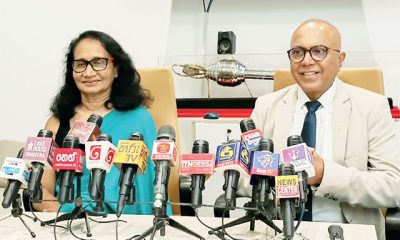
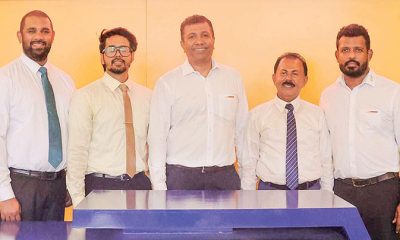

The International Institute of Health Sciences (IIHS) Multiversity is expanding its international education programmes with the aim of creating overseas employment opportunities for Sri Lankan nurses and allied health professionals while contributing to foreign exchange earnings.
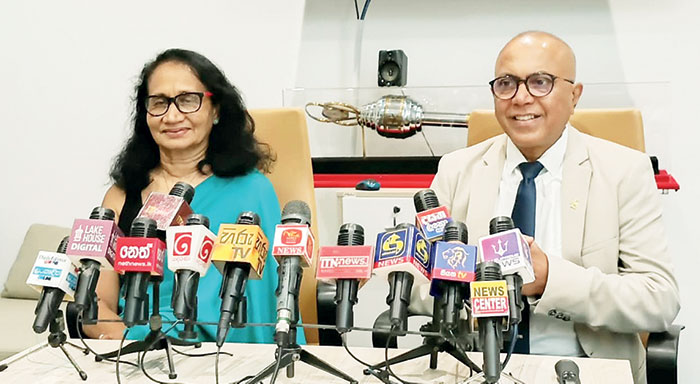
Speaking to the media during a conference at IIHS Multiversity in Kerawalapitiya, Dr. Kithsiri Edirisinghe, CEO, Co-Founder and Dean of IIHS aid that the institute has established academic partnerships with overseas universities and higher education institutions, including the University of Surrey in the UK, Deakin University in Australia, Metropolia University of Applied Sciences in Finland, Asia e University in Malaysia and SUNY Canton in the United States.
Under its ‘Study in Sri Lanka, Graduate to the World’ model, students can complete foundational and diploma-level qualifications locally before progressing to international top-up degrees or overseas employment.
Dr Edirisinghe said the model could substantially reduce the cost of obtaining internationally recognised qualifications. It estimates that completing a four-year bachelor’s degree at the University of Surrey in the UK would cost about USD 145,700, including tuition and living expenses, compared with about USD 27,750 through the IIHS pathway in Sri Lanka.
Dr Edirisinghe said the institute’s focus on overseas deployment addressed both Sri Lanka’s economic needs and the growing global demand for healthcare workers.
“Our winning model is producing job-ready, registration-ready healthcare professionals who can seamlessly enter foreign healthcare systems,” he said.
IIHS, which began operations in 2002 as the American College of Health Sciences, established its institutional base in Welisara in 2008 and launched its purpose-built greenfield multiversity campus in 2023.
The institute said it has upgraded the qualifications of more than 5,000 government nurses, supported over 2,500 youth on international employment pathways and trained more than 1,000 allied health professionals. It has also carried out over 250 community health projects.
The institute has identified Germany and Japan among its target markets, with pathways planned for 2,000 nurses for Germany and a one-year preparation programme linked to around 4,000 healthcare positions in Japan.
Dr. Renuka Jayatissa, Vice-Chancellor and a specialist medical doctor, said demographic changes and the growing burden of non-communicable diseases were changing healthcare requirements in Sri Lanka.
Business
Sampath Bank launches Sri Lanka’s first community-powered book discovery platform at Colombo International Book Fair

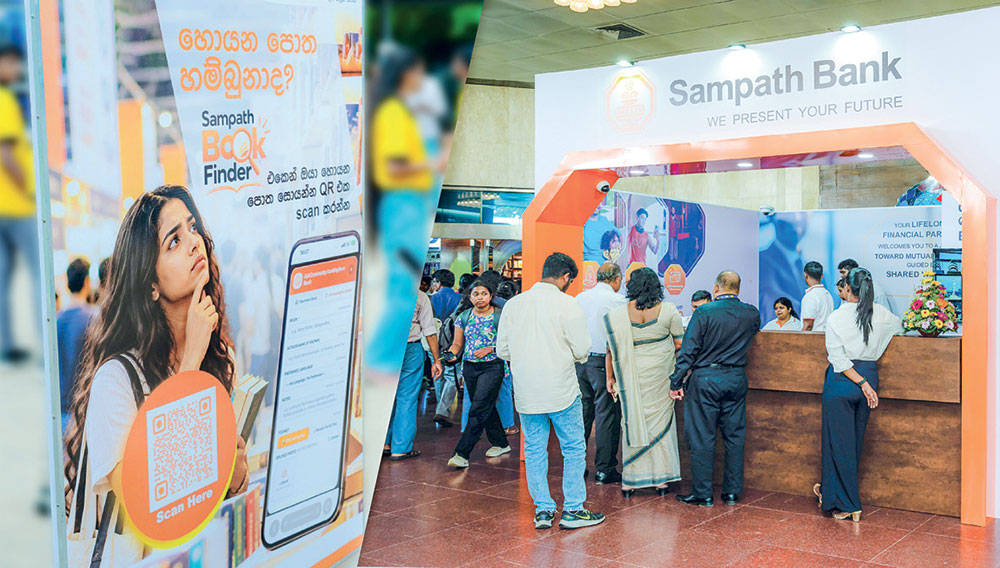
Sampath GPay customers can enjoy 25% cash back on Book Fair purchases
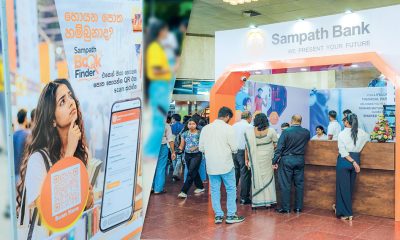
Sampath Bank PLC has launched Sampath Book Finder, Sri Lanka’s first community-powered book discovery platform, giving visitors to the Colombo International Book Fair a faster and more seamless way to find the books they are looking for across the fair’s 150+ stalls, while also opening up new opportunities to discover titles recommended by fellow readers.
Introduced on the opening day of the Colombo International Book Fair on 25 September, Sampath Book Finder brings together digital innovation and the collective knowledge of readers to address a familiar challenge at one of Sri Lanka’s largest literary gatherings, where the scale of the fair can make locating a particular title a time-consuming exercise. When a book proves difficult to locate, visitors can access bookfairtracker.com or scan the designated QR code and submit a request to the community, allowing readers who have already spotted the title to share its location and help others find it without having to search stall after stall.
Commenting on the initiative, Milinda Weerasinghe, Chief Marketing Officer, Sampath Bank PLC, said, “At Sampath Bank, we believe meaningful innovation begins by identifying everyday challenges and creating solutions that make a real difference. Sampath Book Finder brings this thinking to the Colombo International Book Fair by turning the collective knowledge of readers into a real-time digital solution, empowering them to find what they are looking for, discover something new and help others do the same, while making the overall experience more convenient and connected.”
The platform also turns book discovery into a shared experience, allowing visitors to recommend books they encounter by sharing the title, publisher, hall and stall number, which enables fellow readers to discover sought-after titles and recommendations while making it easier to locate them within the fair.
Sampath Bank’s longstanding association with the Colombo International Book Fair also continues in 2026, marking more than 20 years of partnership, with the Bank serving as the Official Banking Partner for this year’s fair. As part of its presence at the event, SampathCards offer 25% cashback for Sampath GPay customers on their purchases and 3 months 0% instalment plans for book purchases via Sampath credit cards, while visitors can also access banking services through the Bank’s physical presence at the fair. Customers registering to open selected Fixed Deposits at the premises will receive an additional 0.25%, adding further value and convenience for visitors.
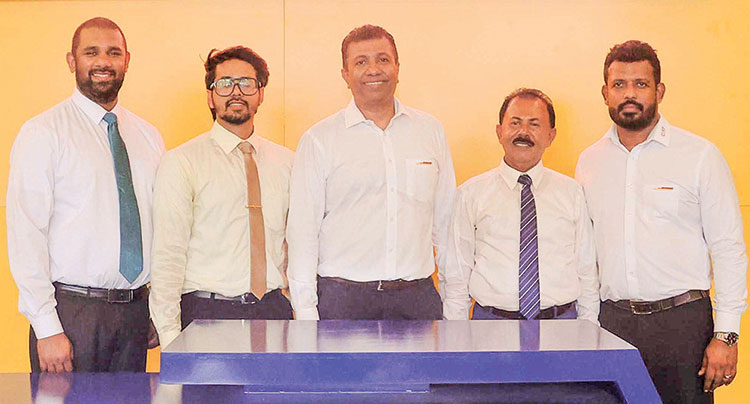
CEAT Kelani Holdings has expanded its premium retail network with the opening of a new Shop-in-Shop (SIS) outlet, Sumidag Prime, on Negombo Road, Kurunegala.
Located near Welagedara College in Malkaduwawa, the outlet is the company’s 14th SIS premium outlet in Sri Lanka and is aimed at providing customers in the North Western Province with access to CEAT’s tyre range and professional vehicle servicing.
The new outlet marks an expansion of the longstanding partnership between CEAT and Sumidag, which was established by Ajith Karunarathna in 1986. The business joined CEAT soon after the tyre brand entered the Sri Lankan market and has since become a leading dealer and two-wheeler tyre distributor in the Kurunegala region.
The outlet, led by the next generation of the Karunarathna family under Chamod Karunarathna, features dedicated CEAT branding, upgraded interiors, tyre display racks and a customer lounge.
Customers can access a range of CEAT tyres as well as services including nitrogen and air inflation, wheel alignment and balancing, camber and caster adjustment. The outlet also offers alloy wheels and batteries.
CEAT Kelani said the SIS concept was part of its strategy to strengthen its regional retail presence while helping dealer partners provide a more professional and convenient customer experience.

Proposals considered to amend Prevention of Domestic Violence Act

IIHS expands global nursing pathways

Sampath Bank launches Sri Lanka’s first community-powered book discovery platform at Colombo International Book Fair

CEAT expands premium retail network with Kurunegala outlet

STC General launches three new products

Reliance Consumer Products CEO to Deliver Keynote at SLEIS 2026

‘Dates have the highest sugar content to fight Coronavirus’

Sunday Island 27 December – Headlines

#SundayIsland 17th December – Headlines

Sunday Island – 28th March

Sunday Island Headlines – 21 March

Sunday Island – 21st February – Headlines
-

 News6 days ago
Police remove Thileepan statue in Jaffna
-

 Features6 days ago
The 22nd Amendment, constitutional recovery and illiberal slippage
-

 Features6 days ago
Of foreigners as CEOs of Lankan ventures
-

 Latest News4 days ago
Gold winner Tharanga gets brand-new Honda Vezel from SLAAJ
-

 News6 days ago
Sajith rejects Jt. Opp. protest sabotage claim; SJB TU chief demands remedial action
-

 Features4 days ago
Why Sri Lanka needs an Inclusive Civic Nationalism – urgently
-

 Features5 days ago
Thailand’s biggest new global star …
-

 News3 days ago
US-assisted ‘Ice’ detection: NPC to examine IGP’s move to transfer drug-busting team