
News
UN Regional Director launches SL’s first Country Gender Equality Profile during official visit


UN Women Regional Director for Asia and the Pacific, Christine Arab, concluded a two-day official visit to Sri Lanka (25–26 March), emphasising that closing gender gaps in labour force participation, access to economic opportunities and decision-making are critical to the country’s inclusive recovery. She also launched the Sri Lanka Country Gender Equality Profile (CGEP), a comprehensive analysis designed to inform evidence-based policymaking and strategic investments.
The CGEP notes that despite achieving high human development levels and ranking first in South Asia by 2022, Sri Lanka has continued to regress on gender equality markers, falling sharply from 16th place in the Global Gender Gap Index in 2010 to 130th by 2025 – a decline of over 100 places in just 15 years.
The publication features detailed gender statistics on women’s economic and political participation, education, health and morbidity, poverty and social protection, safety and security, as well as the gendered impacts of climate change and disasters. It also includes analysis of the country’s legal and institutional frameworks, acknowledging positive judicial and administrative reforms, while observing that persistent and layered inequalities and discriminatory social norms continue to undermine the rights of many women across the country. The profile concludes with recommendations for gender-transformative governance.
During her visit, Arab held a high-level discussion with the Minister of Women and Child Affairs, Saroja Savithri Paulraj, focusing on strengthening collaboration on policy reform, women’s economic empowerment, and efforts to end violence against women and girls.
“Gender equality is fundamental to Sri Lanka’s inclusive recovery and long-term resilience,” said Arab. “Data, strong institutions and meaningful partnerships are essential to ensuring that women and girls can fully contribute to and benefit from the country’s development.”
She also met with the High Commissioners of Australia and Canada, and their teams, and with the Embassy of Japan in Sri Lanka to reinforce partnerships supporting inclusive development and women’s leadership. Arab met members of Sri Lanka’s National Commission on Women (NCW) underscoring the importance of community-driven change and women’s voices in shaping policy.
Engagement with civil society organizations was another key component of the visit. Speaking during the discussion, Samitha Sugathimala, Programme Director, Foundation for Innovative Social Development (FISD), emphasized that “the shrinking space for civil society remains a critical challenge, particularly for organizations working on gender equality and social justice. In such contexts, collective action among civil society actors is not just important but essential to resist pushback, amplify marginalized voices and sustain community-driven change.”
In all her engagements, Arab reiterated the importance of strengthening institutions, investing in data and fostering multi-stakeholder partnerships to accelerate progress on gender equality.
The keynote address by Dr. Radhika Coomaraswamy, former United Nations Under-Secretary-General and Special Representative of the Secretary-General for Children and Armed Conflict, and former Chairperson of the Human Rights Commission of Sri Lanka, provided an in-depth analysis of the state of gender equality in Sri Lanka. It grounded these priorities in the country’s lived realities and highlighted persistent structural challenges.
A panel discussion, moderated by Arab, brought together current and former members of independent commissions to collectively explore the structural and institutional barriers that continue to impede progress, examine gaps in accountability and rights protection, and identify priority reforms required to drive meaningful, gender responsive governance in the final stretch towards 2030.
Panelist Dr. Padma Gunaratne, Member, NCW (2025–present) and Consultant Neurologist, stated that “Sri Lanka stands at a critical moment to strengthen its gender governance architecture. In this regard, it is essential to ensure that the National Commission on Women is both independent and well-resourced, while also clarifying and reinforcing the mandates of key institutions.”
Arab also appeared in an exclusive national television interview on Face to Face, where she highlighted the economic and social imperative of advancing women’s empowerment, noting that “investing in women is not only a matter of rights, but a driver of economic growth and sustainable development for Sri Lanka.”
UN Women remains committed to working alongside the Government of Sri Lanka, development partners and civil society to advance policies and programmes that promote equal rights, leadership opportunities, and economic participation for women and girls across the country.




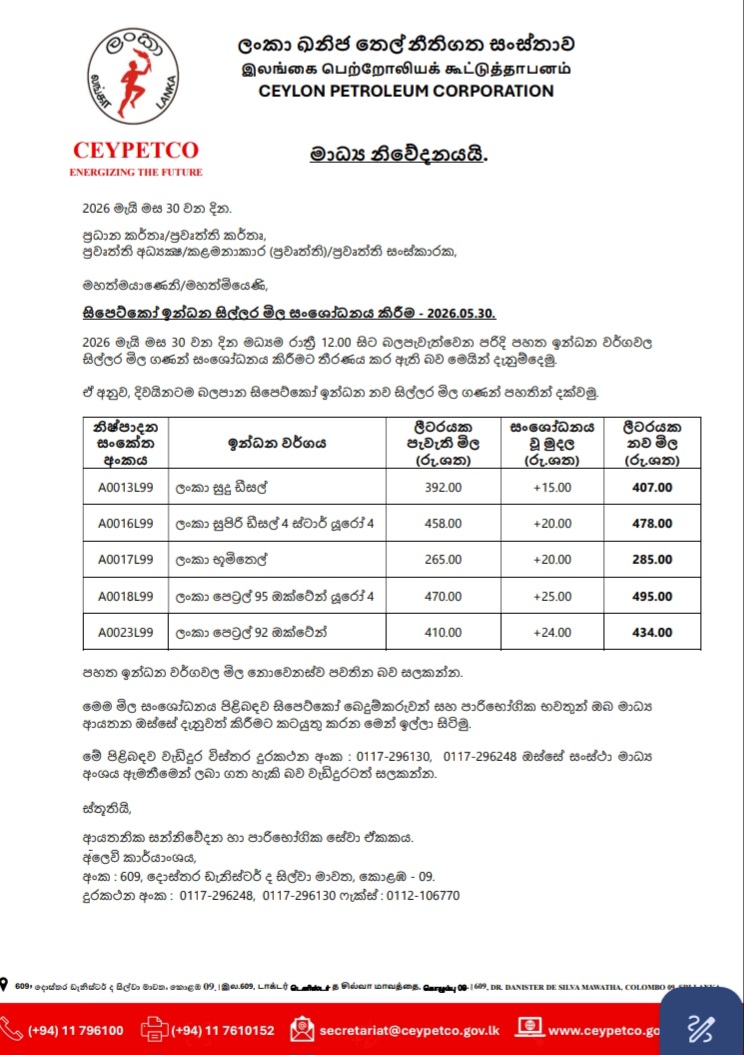
The Ceylon Petroleum Corporation (CEYPETCO) has announced a revision of fuel prices, effective from midnight on Saturday (May 30).
Accordingly,
the price of Auto Diesel has been increased by Rs. 15 to Rs.407 per liter,
the price of Super Diesel has been increased by Rs. 20 to Rs. 478 per liter.
the price of Petrol 92 Octane has been increased by Rs. 24 to Rs. 434 per liter
the price of Petrol 95 Octane up by Rs. 25 to Rs. 495 per liter
the price of kerosene by Rs. 20 to Rs. 285 per liter.

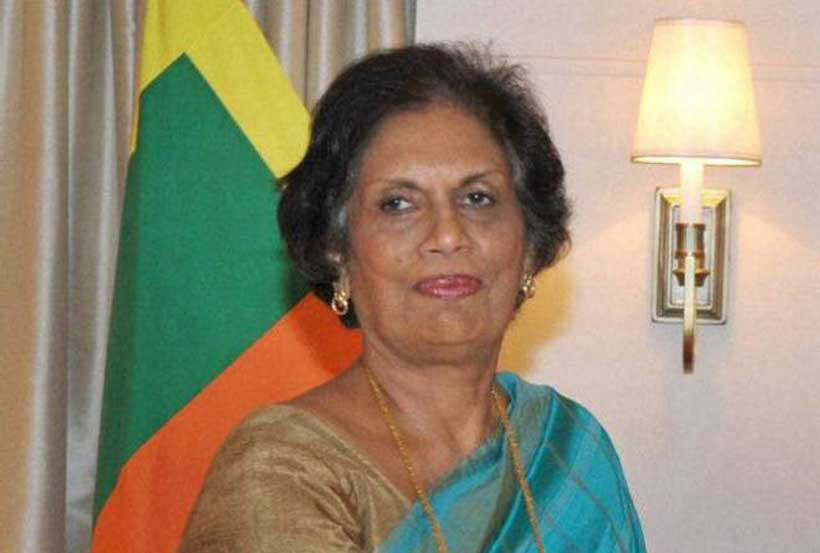
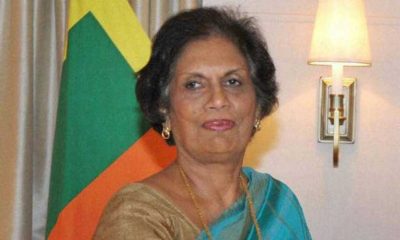
Former President Chandrika Bandaranaike Kumaratunga has called for a comprehensive reform programme within Sri Lanka’s Buddhist clergy, warning that repeated efforts to strengthen the Sasana have in the past been derailed by opposition from within sections of the Sangha itself.
In a statement addressed to the Mahanayake Theras of the three Buddhist chapters, Kumaratunga stressed that the long-term preservation of Buddhism depends on safeguarding both the Dhamma and Vinaya, or disciplinary code, and urged urgent internal reform to address what she described as deep-rooted structural weaknesses.
She noted that Buddhist history has consistently demonstrated that periods of institutional crisis were addressed through reform processes, citing precedents from the First Buddhist Council to reforms during the Kandyan era under Welivita Sri Saranankara Thera.
Referring to post-independence efforts, Kumaratunga said initiatives taken during the 1956 Bandaranaike administration to strengthen Buddhism were left incomplete following the assassination of former Prime Minister S.W.R.D. Bandaranaike.
She further stated that during her own presidency, plans to convene a Buddhist Council under the guidance of the late Madihe Pannasiha Mahanayake Thera had received government backing but were ultimately abandoned due to resistance from certain sections within the clergy.
The former President alleged that, on both occasions, vested interests benefiting from existing weaknesses within the Buddhist establishment had worked to obstruct meaningful reform efforts.
Warning that Buddhism in Sri Lanka is currently facing serious challenges, she called for a broad internal dialogue within the Sangha to identify root causes and implement both short- and long-term corrective measures.
Kumaratunga urged the Mahanayake Theras to take the lead in convening a Dharma Sanghayana, or Buddhist Council, and said she was prepared to work with senior lay Buddhist leaders to support such an initiative.
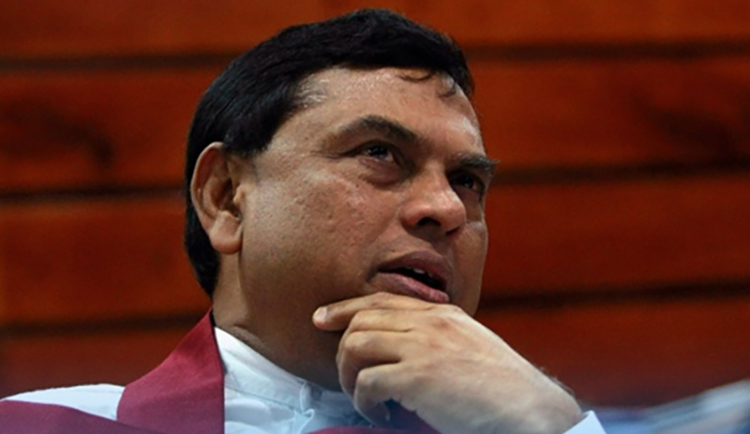
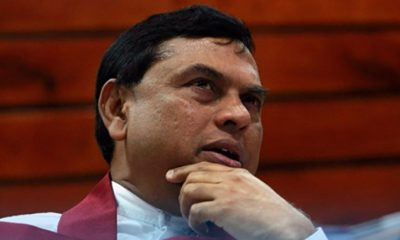
The Colombo Fort Magistrate’s Court on Friday ordered the arrest of former Minister Basil Rajapaksa, Tourism Promotion Bureau Chairman Bhashwara Gunaratne, Managing Director Rumi Jauffer and several others over the alleged misuse of Rs. 7.8 million belonging to the Tourism Promotion Authority during the 2014 Uva Provincial Council election campaign.
Magistrate Pasan Amarasena directed the Criminal Investigation Department (CID) to arrest and produce the suspects before court, after it was informed that they would be named under the Public Property Act on the advice of the Attorney General.
The CID told court that attempts to take the suspects into custody from their residences had been unsuccessful as they were not present.
The Magistrate also imposed an overseas travel ban on the suspects and ordered that the Controller of Immigration and Emigration be notified.
Investigations have reportedly revealed that the funds were used to print 12,000 T-shirts bearing an image of former President Mahinda Rajapaksa on one side and the name of a political party on the other.
According to the CID, the T-shirts were later distributed at a political event held in the Monaragala District.

Minhas’ record-breaking debut sets up handsome Pakistan victory

Showers expected in the Western, Sabaragamuwa and North-western provinces and in Galle, Matara, Kandy and Nuwara-Eliya districts
Fuel prices increased

Sangha reform drives stymied from within: CBK

Court orders arrest of Basil

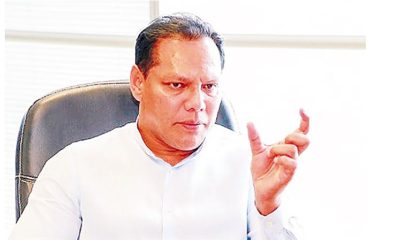
Dayasiri raises alarm over ‘coal cartel’, flags national security risks

‘Dates have the highest sugar content to fight Coronavirus’

Sunday Island 27 December – Headlines

#SundayIsland 17th December – Headlines

Sunday Island – 28th March

Sunday Island Headlines – 21 March

Sunday Island – 21st February – Headlines
-
 News6 days ago
Police probe underway to ascertain links between criminals deported from UAE and local politicians
-
 News5 days ago
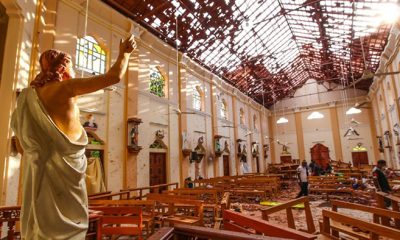
Easter Sunday carnage: Court told Maulana’s statement cannot be accepted without cross-examination
-
 News1 day ago
IMF urges Lanka not to meddle with exchange rate
-
 Opinion5 days ago
Undermining the democratic political framework
-
 News5 days ago
UK passport holder hiding here wants to have deportation order rescinded to leave without blemish
-

 Features2 days ago
The Division Bell Mystery
-
 News6 days ago
Dickoya double murder suspect arrested
-
 Midweek Review4 days ago
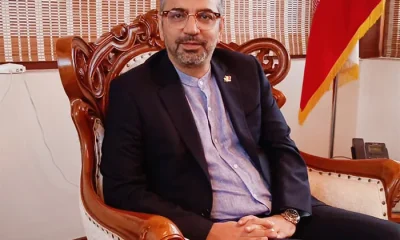
Israeli-US aggression won’t go unanswered -Iranian Ambassador