
News
CEB Engineers warn public to be prepared for power cuts after New Year


A looming power crisis is casting an ominous shadow over the country, with engineers warning that the current “no power cut” situation may not last beyond the Sinhala and Tamil New Year due to worsening diesel shortages and ongoing coal-related disruptions.
A senior electrical engineer, attached to the Ceylon Electricity Board Engineers Union, cautioned that while authorities appear to be managing the system for now, the underlying fuel constraints are reaching a critical point.
He told The Island: “At the moment, there are no scheduled power cuts across the country. But this is being maintained under significant strain. With the diesel shortage and unresolved coal issues, sustaining uninterrupted supply, beyond the New Year period, will be extremely challenging.”
The engineer noted that thermal power generation — particularly diesel-based plants — has become increasingly difficult to sustain due to limited fuel stocks and logistical bottlenecks. At the same time, the substandard quality coal supply issues that have plagued recent shipments continue to undermine the efficiency of base-load generation.
“We are stretching available resources to avoid immediate outages. owever, unless there is a rapid improvement in fuel availability, the system will be forced into load shedding soon after the New Year,” he warned.
According to him, authorities are likely to delay any scheduled outages until after the festive season to avoid public backlash and economic disruption during a traditionally sensitive period.
“Most probably, they will try to continue like this until the New Year. But after that, daytime or peak-time load shedding becomes almost inevitable if the situation remains unchanged,” he added.
Energy analysts say the warning reflects a deeper structural vulnerability within the power sector, where over-reliance on imported fossil fuels — particularly diesel and coal — continues to expose the system to external shocks and procurement failures.
The recent use of substandard coal has already resulted in reduced generation capacity at the country’s sole coal power plant at Norochcholai, compounding the pressure on thermal plants to bridge the shortfall. Engineers say this has forced operators to depend more heavily on costly diesel generation — an option now constrained by supply shortages.
Industry sources indicate that demand is also on the rise, particularly during night peak hours, possibly driven by increased reliance on electricity for cooking, amid gas shortages, further tightening the supply-demand balance.
Despite the absence of official announcements, insiders suggest contingency planning for load shedding is already underway.
“If the fuel situation does not improve within the next few weeks, controlled power cuts will be the only viable option to protect the grid from a total system failure,” the engineer stressed.
The warning comes at a time when the country is attempting to maintain economic stability following successive crises, with uninterrupted power supply considered critical for industry, commerce, and daily life.
However, unless urgent corrective measures are taken to secure reliable fuel supplies and stabilise generation capacity, the return of power cuts — including during daytime hours — appears increasingly unavoidable, an expert said.
By Ifham Nizam

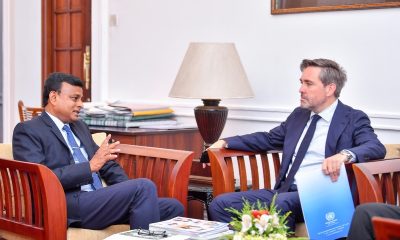



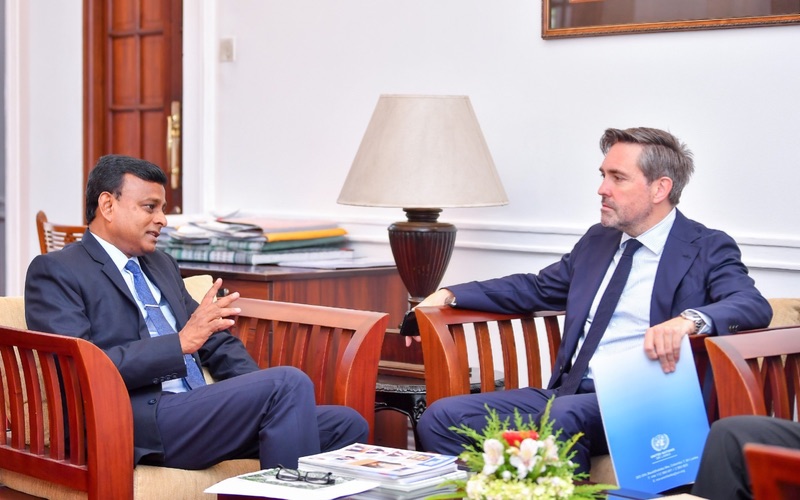
A meeting between UN Resident Coordinator Marc-André Franche and Chief of Staff to the President Prabath Chandrakeerthi was held on Monday (07) morning at the Presidential Secretariat.
Particular attention was given to the Government’s programme to resettle people who lost their homes due to Cyclone Ditwah.
The Government’s programme to address potential disasters that may arise in the future amid El Nino conditions was also discussed. The Chief of Staff to the President briefed the UN Resident Coordinator on the Government’s preparedness and plans to address such challenges.
Mr Franche stated that the United Nations was prepared to provide the necessary assistance to the Government to support the successful implementation of these programmes.
Partnerships and Development Finance Specialist at the United Nations Azam Bakeer Markar and UN Sri Lanka Humanitarian and Resilience Officer Wagisha Perera also participated in the discussion.
[President’s Media Division]
[ Cricbuzz]
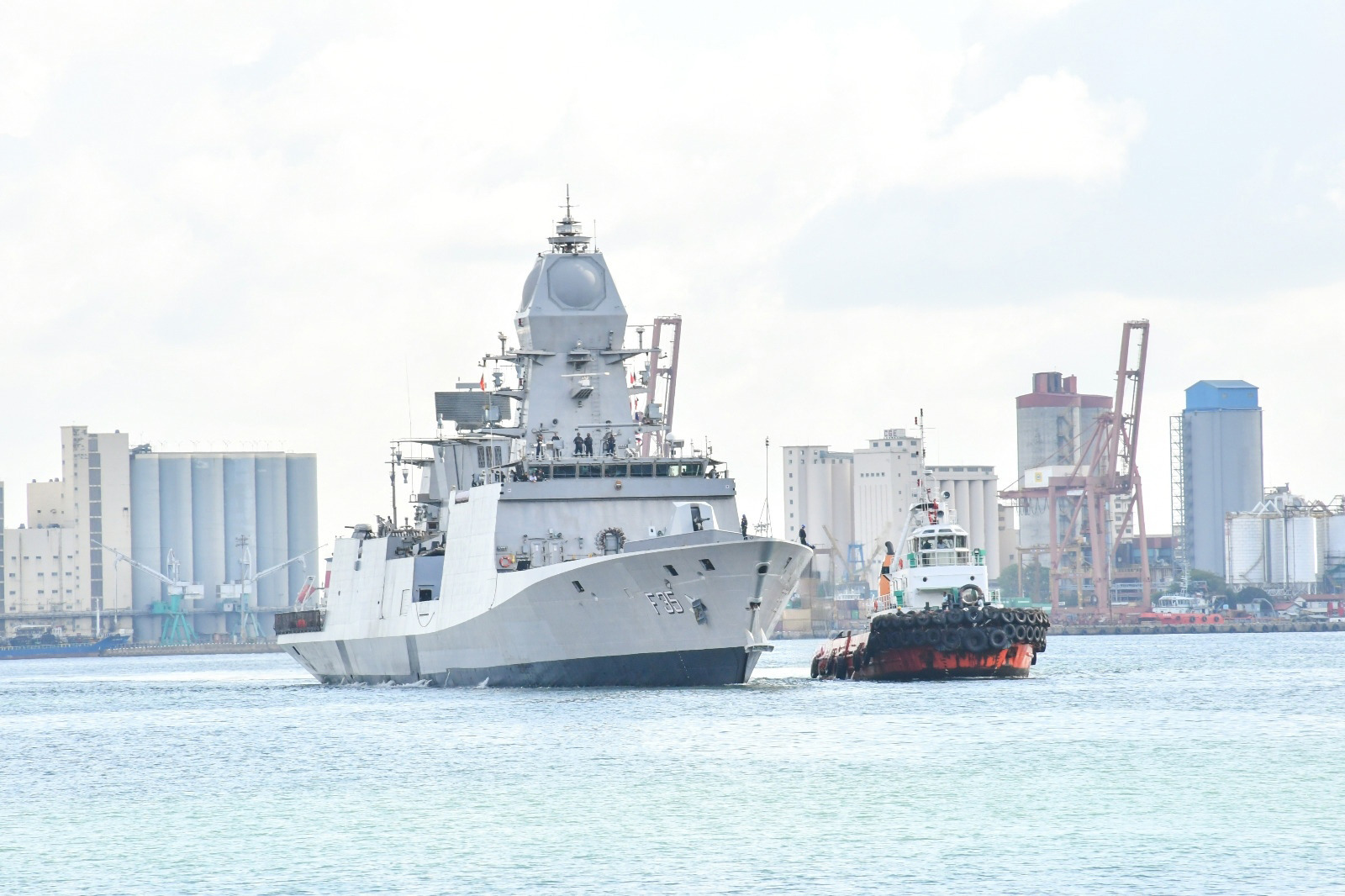
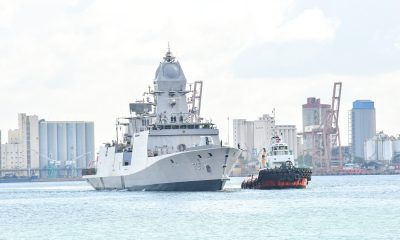
The Indian Naval Ship (INS) Udaygiri arrived at the Port of Colombo on an official visit today, 8 September 2026, where it was received by the Sri Lanka Navy in accordance with time-
honoured naval traditions.
INS Udaygiri is a 149.02m long Frigate, Commanded by Captain Vikas Sood. Meanwhile, the Commanding Officer of the visiting ship is scheduled to call on Commander Western Naval
Area, Rear Admiral Harsha De Silva at the Western Naval Command Headquarters.
Captain Sood served as the Defence Adviser at the Indian High Commission in Sri Lanka from July 2020 to October 2023.
During their stay in the island, the crew of INS Udaygiri will participate in several goodwill events organized by the Sri Lanka Navy to enhance camaraderie between the two forces.
The visiting personnel are also scheduled to visit prominent tourist and cultural locations across the island.
Additionally, Sri Lanka Navy personnel are expected to visit the ship for capability observation and knowledge sharing, and will conduct onboard training during its stay.

UN Delegation Meets Chief of Staff to the President

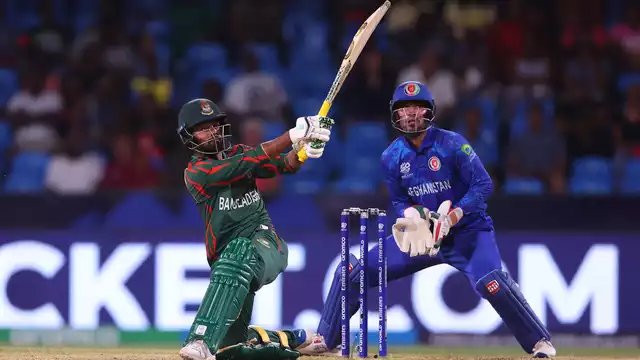
Afghanistan to host Zimbabwe, Bangladesh in ODI tri-series

Sandhu’s 6 for 7 seals Pakistan’s semi-final spot

INS Udaygiri makes port call in Colombo

Showers in the Uva, Central and Eastern provinces and in Polonnaruwa district

22A: Exclusion of 8 petitions questioned, action filed against SC Registrar, others

‘Dates have the highest sugar content to fight Coronavirus’

Sunday Island 27 December – Headlines

#SundayIsland 17th December – Headlines

Sunday Island – 28th March

Sunday Island Headlines – 21 March

Sunday Island – 21st February – Headlines
-

 News6 days ago
Denied of promotion to SC despite vacancies, justice Gurusinghe retires
-

 Latest News6 days ago
Grade 5 scholarship exam results released
-

 News6 days ago
22A: SC urged to suspend hearing, appoint full bench
-

 Midweek Review7 days ago
The local and global dynamics of Sri Lanka’s 22nd Amendment
-

 News4 days ago
Namal remanded until Sept. 18 over Airbus deal investigation
-

 Latest News3 days ago
Tharanga creates history with Diamond League crown in Brussels
-
 News6 days ago
Govt. seeks NATO assistance
-

 News7 days ago
40 professional organisations and TU oppose proposed 22A