
Sports
Gura: The unsung hero


The autobiography of Mr. Ranjit Fernando, launched last month, offers a fascinating peek behind the curtain into how a clutch of Sri Lanka’s finest cricketers were groomed in their formative years. Mr. Fernando was in charge when the Sri Lanka Under-19 side toured Australia in 1984 under the captaincy of Aravinda de Silva, a team that read like a who’s who of future stars, featuring Roshan Mahanama, Asanka Gurusinha and Jerome Jayaratne among others. The Aussies had Mark Taylor, the Waugh brothers and Craig McDermott.
As Mr. Fernando kept a watchful eye on his young charges, there was mischief brewing beneath the surface. At the book launch at the Galle Face Hotel, Aravinda let the cat out of the bag. Gurusinha, it turns out, had masterminded a daring escape plan, players sneaking out through the hotel window, climbing onto the roof and sliding down a pole to freedom to enjoy the night life in Brisbane..
Mr. Fernando, ever the hawk-eyed disciplinarian, caught wind of the escapade. Yet in a twist that raised a few eyebrows, it was Gurusinha who was handed the captaincy for the next Under-19 tour to England. Some insist Fernando had missed the mischief; others, who know him better, reckon he was playing a long game, setting a thief to catch thieves, backing a natural leader who could keep the dressing room in check.
Fast forward to 1996 and Gurusinha found himself cast in a very different role on cricket’s biggest stage. During Sri Lanka’s victorious World Cup campaign, he was often seen as the quiet man at the crease, a grafter in a team of dashers. To the untrained eye, his batting seemed workmanlike, even pedestrian. Fans, spoilt for choice with the pyrotechnics of Sanath Jayasuriya, Romesh Kaluwitharana and Aravinda de Silva, wanted fireworks, not forward defence. In a line-up full of strokemakers, many wondered what Gurusinha brought to the table.
Gura was no mug with the bat. He could clear the ropes and put bowlers to the sword when the situation demanded. But in that 1996 campaign, every cog in the wheel had a purpose. His job was to drop anchor, bat time and allow the strokemakers to play with freedom around him. It was a role that demanded discipline, selflessness and a thick skin, especially when the crowd was baying for boundaries.
While others were flaying attacks and ending the careers of bowlers like Manoj Prabhakar and Richard Illingworth, Gura was content to rotate the strike, even if it meant playing second fiddle. The fans, unaware of the team’s blueprint, were not always appreciative. Their impatience did not go unnoticed.
At one point, a frustrated Gurusinha had had enough. He approached captain Arjuna Ranatunga and Manager Duleep Mendis, keen to throw off the shackles and play his natural game. But the think tank stood firm, urging him to see the bigger picture, to play for the team, not the gallery. Gurusinha bought in, rolled up his sleeves and stuck to the script. The rest, as they say, is history.
As Sri Lanka marked the 30th anniversary of that famous triumph this week, Gurusinha reflected on the campaign in an interview with the Australian Broadcasting Corporation, offering fresh insight into the tactical nous that underpinned their success.
Sri Lanka’s batting line-up featured four left-handers in the top seven, no accident, but a calculated move. The plan was clear: take on Shane Warne, Australia’s trump card and knock him off his rhythm.
The Australians had a well-worn blueprint, build pressure through dot balls, squeeze the scoring and force batters into mistakes. Sri Lanka were determined not to fall into that trap. At that stage of his career, Warne was still developing his armoury and did not possess a reliable wrong’un to trouble left-handers.
When Jayasuriya fell early in the final, the baton passed to Gurusinha. True to plan, he stepped up, using his feet, unsettling Warne and disrupting Australia’s chokehold. It was a knock that didn’t grab headlines but played a crucial hand in tilting the contest Sri Lanka’s way.
For many, the World Cup win was life-changing; lucrative contracts for players, solid match fees and financial security followed. But Gurusinha’s story took a different turn. He walked away from the game the very same year, at just 29, missing out on the financial rewards that came in the aftermath.
Cricket, however, remembers more than just numbers and pay cheques. It remembers moments, roles played under pressure and men who put the team before self.In that sense, Asanka Gurusinha remains what every great side needs but few celebrate, the glue that held it all together. An unsung hero, in every sense of the word.
by Rex Clementine

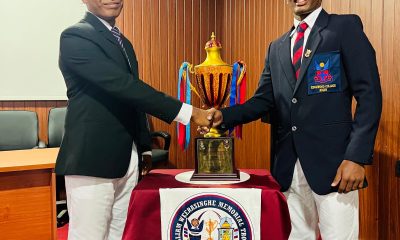





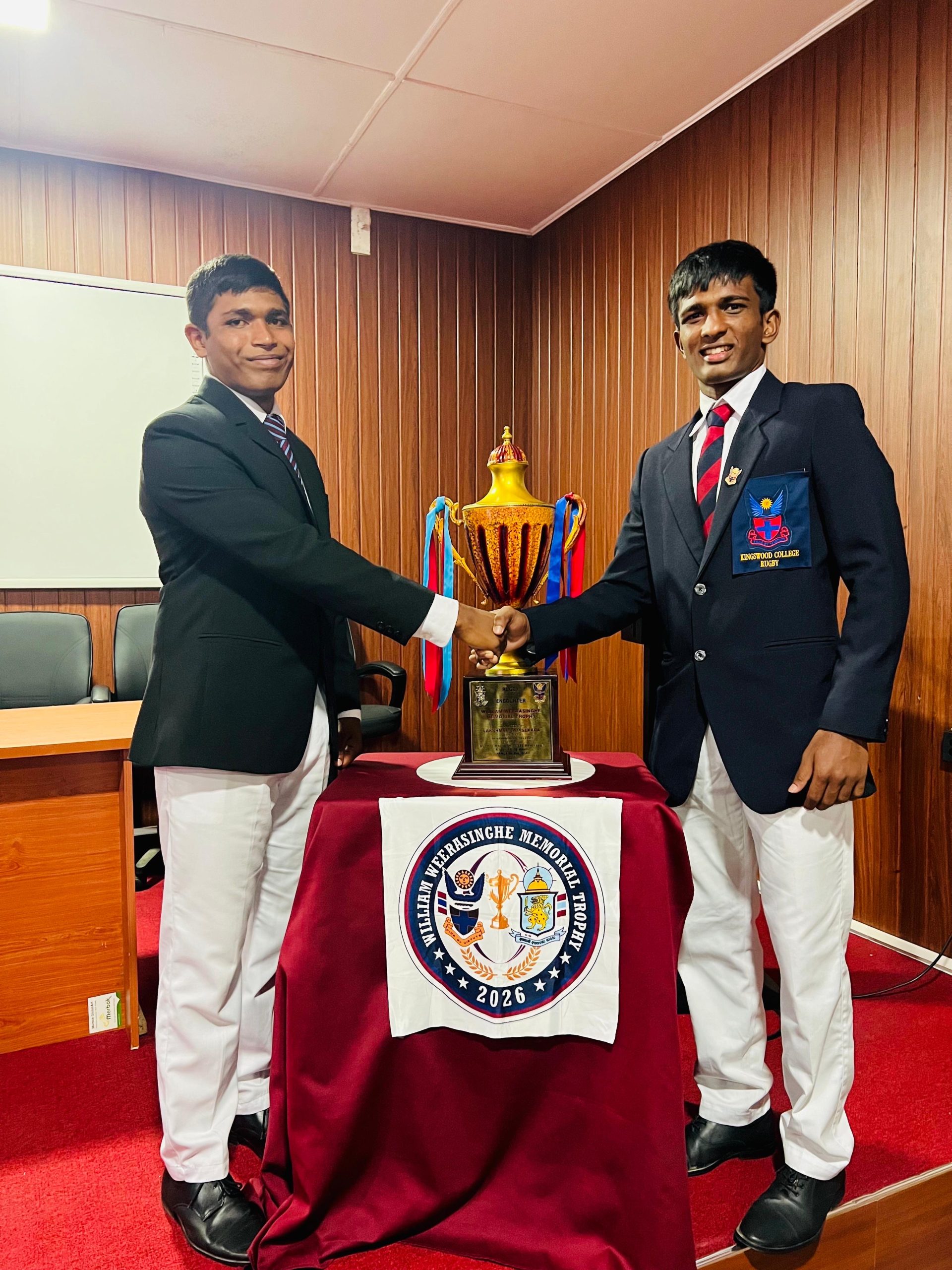
The annual rugby encounter between Dharmaraja College and Kingswood College, played for the William Weerasinghe Memorial Trophy, is set to take place tomorrow (July 11, 2026), at 4:00 PM at the Bogambara Stadium, Kandy.
The official unveiling of the trophy took place this week at the Dharmaraja College premises with the participation of the Principals of the two schools, teachers-in-charge of sports, coaches, the Rugby teams, and several distinguished guests, including Dharmaraja College Old Boys’ Association President Mahesh Wijetunga, Kingswood College Old Boys’ Association President Muditha Abeykoon,
by S K SAMARANAYAKE
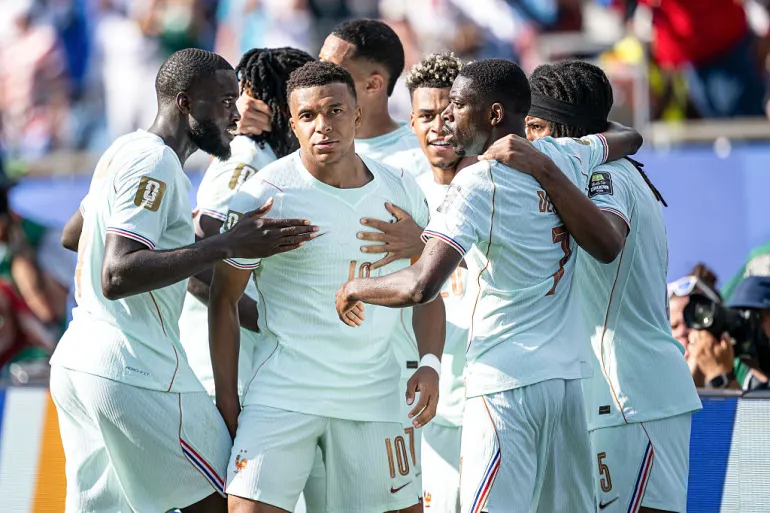
Kylian Mbappe and Ousmane Dembele were on target as France surged past Morocco 2-0 to book their place in the World Cup semifinals.
Mbappe curled in his eighth goal of the tournament on 60 minutes on Thursday before Dembele doubled Les Bleus’ lead six minutes later to settle a clinical victory at the Gillette Stadium outside Boston.
The win sends the 2018 champions into a last-four showdown against either Spain or Belgium in Arlington, Texas on Tuesday.
African champions Morocco had been tipped to pose a serious threat to France’s hopes of reaching a third consecutive World Cup final.
But Didier Deschamps’ men were always in control against a limited Morocco side who failed to register a single shot on goal until an 83rd-minute free-kick by Azzedine Ounahi was parried away by France goalkeeper Mike Maignan.
France, though, struggled to find a breakthrough, and missed the opportunity to take the lead on 28 minutes when Mbappe saw a penalty saved by Morocco goalkeeper Yassine Bounou.
Mbappe had won the penalty after being brought down by Noussair Mazraoui but was forced to wait several minutes before being allowed to take the kick after a protracted VAR check.
Morocco managed to hold out to half-time, but it was always only a matter of time before France’s relentless pressure paid off.
The breakthrough came on the hour mark, with Mbappe bending a brilliant right-foot shot past Bounou from the edge of the area.
Paris Saint-Germain star Dembele made the game safe in the 66th minute, striding forward menacingly from midfield before steering a low finish into the bottom corner.
France now await the winner of Friday’s quarterfinal in Los Angeles between European champions Spain and Belgium.
[Aljazeera]
111th Vision Care Colombo Championship
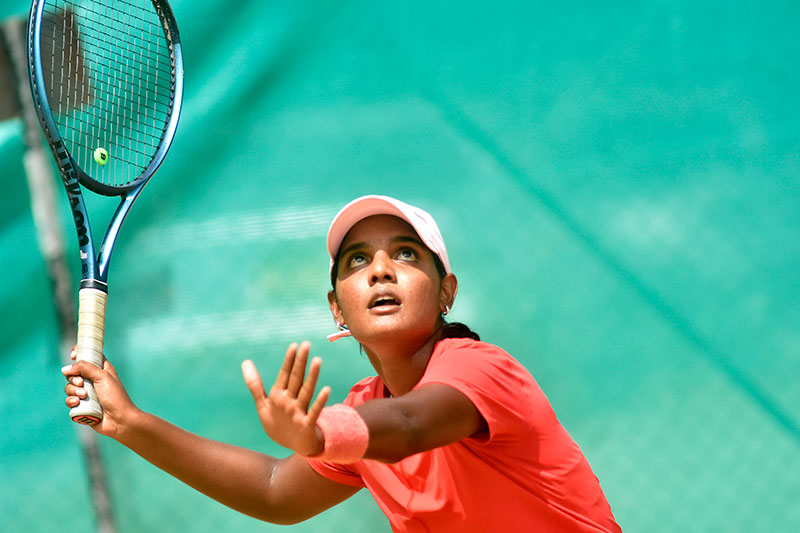
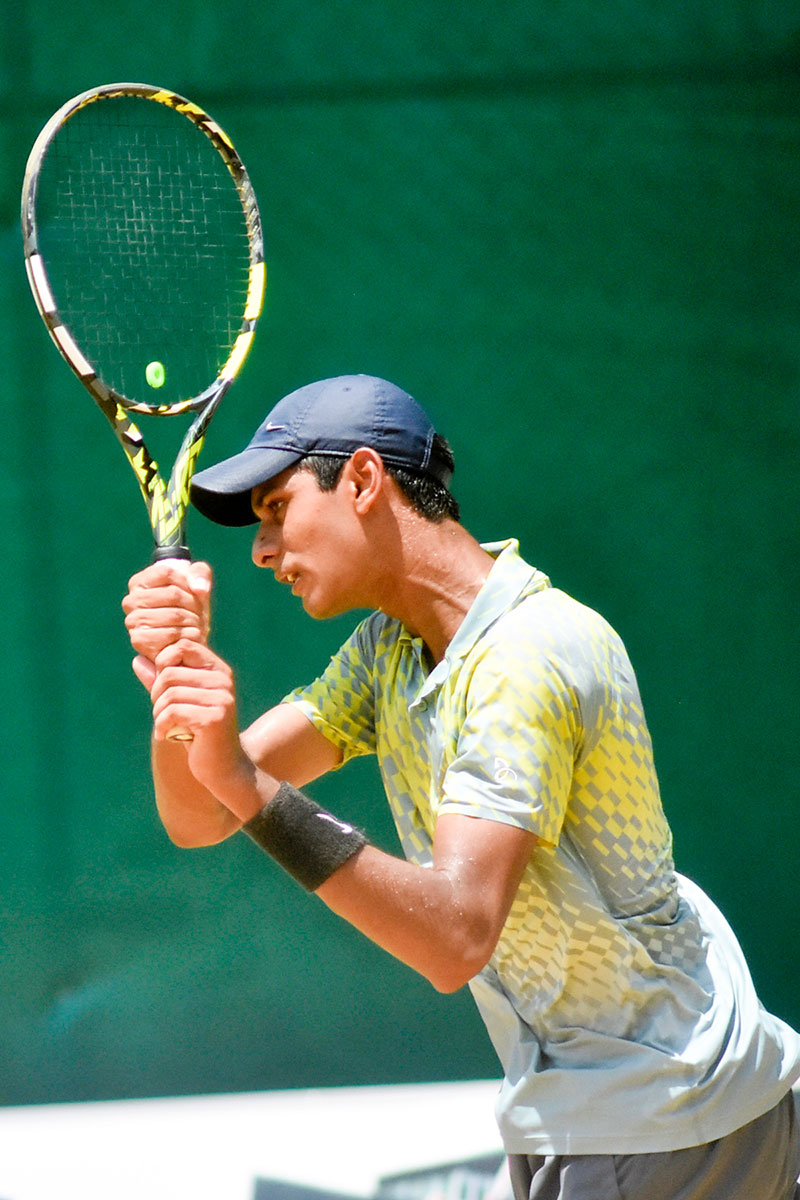
Aahil Kaleel of S. Thomas’ College, Mount Lavinia and Akesha Silva of Newstead College, Negombo emerged as the boys’ and girls’ Under-18 singles champions respectively at the 111th Vision Care Colombo Championship, played on Sri Lanka Tennis Association’s clay courts.
Aahil staged a remarkable comeback in the boys’ Under-18 final to defeat Rehan Gunawardhane 1-6, 6-4, 10-5 after dropping the opening set. The S. Thomas’ player enjoyed an impressive run to the title, overpowering Dehan Wickramasinghe 6-1, 6-1 in the quarter-finals before edging Mayooran Kubheran in a thrilling semi-final 4-6, 7-5, 10-7.
In the girls’ Under-18 final, Akesha Silva was crowned champion after Sahansa Damsiluni retired while trailing 1-0. Akesha booked her place in the final with a convincing 6-1, 6-4 victory over Gethmi Fernando in the semi-finals. Her toughest challenge came in the quarter-finals, where she outlasted Sandithi Usgodaarachchi 6-3, 6-7(4), 14-12 in a marathon encounter.
Akesha Silva
In the boys’ Under-18 doubles semi-finals, Mayooran Kubheran and Ashlin de Silva defeated Ranida Ranaweera and Ashmal Mohamed 5-4, 4-1, while Methika Wickramasinghe and Jayin de Seram overcame Jamal Sabry and Lithum Jayabandu 4-1, 2-4, 10-2 to set up the championship final.

Dharmaraja and Kingswood set for historic rugby clash on Saturday

Sri Lankan singer Mariazelle Goonetilleke passes away at the age of 68

Tensions erupt in Indian state after 11-year-old raped and murdered

US and Iran trade attacks as Khamenei is buried

Several spells of showers will occur in the Western, Sabaragamuwa and North-western provinces and in Galle, Matara, Kandy and Nuwara-Eliya districts

Canadian PM visits Saudi Arabia to strengthen energy, mining partnerships

‘Dates have the highest sugar content to fight Coronavirus’

Sunday Island 27 December – Headlines

#SundayIsland 17th December – Headlines

Sunday Island – 28th March

Sunday Island Headlines – 21 March

Sunday Island – 21st February – Headlines
-

 News5 days ago
Singapore-based Buddhist monk marks nearly four decades of humanitarian service
-

 News6 days ago
Freedom 250: US Embassy celebrates America’s 250th Independence Day through magic of American cinema
-

 News4 days ago
AI concerned over proposed SL military deployment in Haiti
-

 Midweek Review2 days ago
Unexpected focus on ‘pieces of tin’ worn by military men
-

 Features5 days ago
The NPP’s New Challenge: Balancing Easter Lawfare and Economic Welfare
-
 Latest News3 days ago
Nyamhuri and Ngarava stun Bangladesh by defending 141
-

 Latest News6 days ago
Ukrainian suspect hunted by police after Monaco bomb attack was ‘disguised as a man’
-

 News1 day ago
Negombo Prison riot: Ensuring protection of prisoners fundamental responsibility of the state – UN