
News
The success story behind developing Rathna Ella as an eco-tourism venture


By Ifham Nizam
Rathna Ella, the 14th highest waterfall in Sri Lanka, has been developed as an eco-tourism venture by the National Ethnic Unity Foundation (NEUF) with GEF-SGP/UNDP funding.
Situated within the 345-hectare Rathna Ella Conservation forest at Hasalaka in the Kandy district, the waterfall is formed by the Hasalaka Oya, the only water source available for drinking and agricultural purposes to around 2,000 families.
On average, around 5,000 people visit the waterfall annually, of which 80% are local tourists.
“As the first step, we mobilized villagers to conserve the Rathna Ella forest by forming Soba Mithuro of Rathna Ella (Nature Friends of Rathna Ella) to regularize eco-tourism activities in the area by ensuring the safe disposal of waste, improvement of facilities available to visitors, and in general, formalize eco-tourism, while offering the villagers an opportunity to enhance their livelihoods”, says NEUF Chairman, B. W. Gunasekara.
Soba Mithuro, headed by its president and an executive committee, has a membership of 37 persons representing families of the village. It collaborates local residents, especially the youth, who are one of the main beneficiaries of the project.
 Initially, the CBO (Community-based Organization) identified key issues in the Rathna Ella village due to unplanned tourism. As the project proponent, the NEUF was able to effectively mobilize villagers to conserve the environment, while giving them the opportunity to benefit from eco-tourism related activities.
The Sri Jayewardenepura University carried out water and soil analysis of the entire landscape. They collected water and soil samples for analysis to determine the health of the ecosystem of the project area.
The Mahaweli Authority supported the initiative by providing training to villagers on livelihood development activities and self-employment. It also contributed towards providing sewing machines to them.
The Department of Agriculture provided training on organic agriculture to the farmers through agricultural instructors.
As the project was an eco-tourism development venture, it was very attractive to youth and many were keen to get involved. At present, about 20 youth are actively involved in its activities. The project facilitated capacity building of youth in enhancing their ability to undertake small-scale business ventures, Gunasekara noted.
The key objectives of the project are to conserve the Rathna Ella, Kaluwawatuna Ella falls and Rathna Ella Conservation forest through the empowerment and involvement of the community and to improve the livelihoods of 20 families in the village by developing eco-tourism related income generating activities.
The initiatives of the project is to offer benefits to villagers, offer a memorable experience to tourists and contribute effectively towards the sustainability of the pristine environment and its biodiversity.
Among the work undertaken under the project include the establishment of an information outlet on the Rathna Ella village and the surrounding ecosystem. Visitors will be advised on how to behave in a manner that would preserve the environment and also on taking necessary precautions to avoid accidents.
A sales outlet was established to display locally made handicraft and food items by villagers, which helps to strengthen their livelihoods considerably.
The project has also supported the development of traditional reed handicrafts and train women to continue the traditional artisan work. Boots, torches and ropes needed for hiking are also provided to visitors.
A waste management plan is also in place with many trash bins in various places. The waste collected is recycled or safely disposed to prevent pollution and prevent injury to visitors. The project also promoted organic farming in the village, which was a relatively new concept for the farmers.
Organic farming activities promoted by the project have emphasized the production of organic fertilizer with the dual objective of safeguarding the environment and promoting eco-friendly farming practices. Promotion and familiarization of organic farming and home gardening have helped minimize chemical pollution of soil and water in the downstream area. The project has trained 15 families to make their own organic fertilizer.
Rathna Ella Conservation forest was the primary source of income for some villagers. In the past, illegal activities such as logging, gem mining and cutting trees for firewood were widespread within the forest. The eco-tourism project promoted sustainable income generating opportunities to ensure that the pressure on the forest for livelihoods was minimized.
Other products sold to visitors include dairy products, paper bags, garments, disposable masks, reed-based products, traditional foods and value added agricultural products.
Moreover, the beneficiaries also operate home-stays and camping sites, undertake grain milling, sell potted plants, paper bags and clothing items. At present, 44 individuals are engaged in home gardening, which has been introduced as an optional livelihood activity. The average monthly household income of the villagers was around Rs. 23,500 at the beginning of the project. This has now increased to Rs. 40,000 as a result of related activities.
Seed paddy varieties were also distributed among 15 families to start their own cultivation. These varieties enjoy a high demand among consumers and can fetch a good price compared to more common varieties of rice in the local market.
During the height of Covid-19 pandemic, the tourism industry collapsed, and the villagers had few opportunities to make a living. The CBO stepped in by providing fertilizer, vegetables and grains to 43 needy families.
The possibility of marketing products at hotels, restaurants, eating houses, grocery stores and in supermarkets in the Hasalaka and Mahiyangana areas is also being explored.
The project facilitated several self-employment opportunities and small businesses for the women in the village. At present, 37 women who had been previously confined to doing household chores are self-employed, adding to the household income. They are now able to earn an average monthly income of Rs. 40,000 through their business ventures.
As there are no foreign tourists visiting the site now due to the Covid-19 pandemic, the women have started to make disposable masks to support their families, Project Coordinator, Thilina Madushanka, said.

Latest News
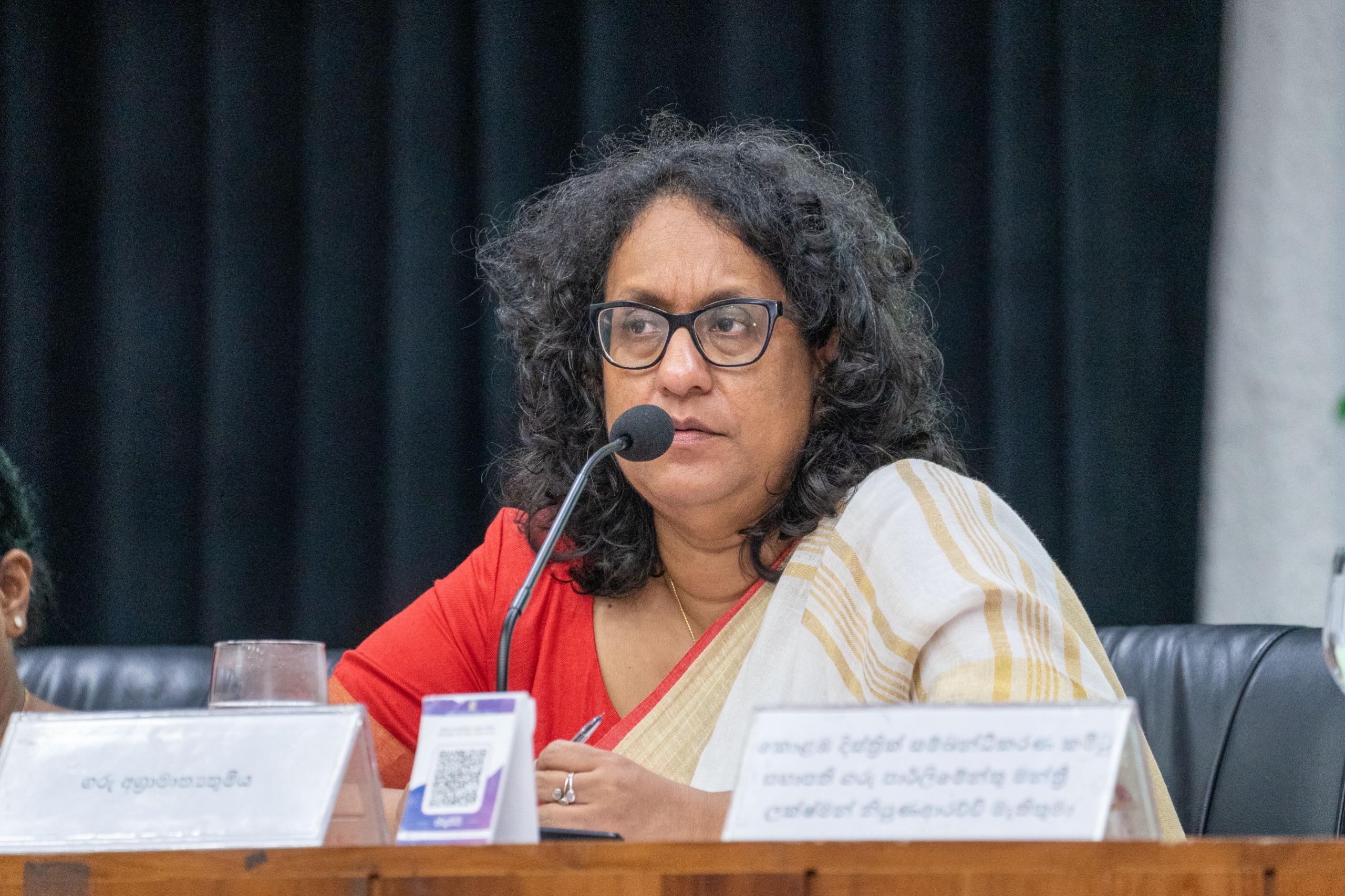
Expedite the cleaning of Colombo’s canals and drainage systems within the next two weeks – PM instructs officials

[Prime Minister’s Media Division]
Approval has been granted at the Cabinet meeting held on 22.07.2024 to publish the draft bill of State Assets Management Act in the government gazette notification and thereby present it to the Parliament for its concurrence.
However, the draft bill couldn’t be passed in Parliament as a result of the Parliament being dissolved in the month of October 2024.
Thereafter, the draft bill was subject to further inspection by a
committee appointed which comprised of officials and authorities on the subject.
The said Committee has recognized the amendments to be made and a fundamental draft has been prepared including the proposed amendments.
Accordingly, the Cabinet of Ministers approved the resolution furnished by the President in his capacity as the Minister of Finance, Planning and Economic Development to suspend further activities regarding the draft bill of State Assets Management Act published in the extraordinary gazette of 02.08.2024, and to direct the Legal Draftsman to prepare a draft bill based on the fundamental draft prepared by the subject specialists’ committee.
Considering the compliance of the Cooperative Societies’ operations with the concurrent socio – economic circumstances as well as the changes in the common law, the requirement of amending the Cooperative Employees Commission Act No. 12 of 1972 has been recognized.
A fundamental draft including proposed amendments based on the experience gained by that Commission as well as the opinions and proposals of Cooperative societies, their director board members, cooperative employees and other interested parties has been prepared.
Accordingly, the Cabinet of Ministers granted approval to the resolution furnished by the Minister of Trade, Commerce, Food Security and Cooperative development to provide instructions to the Legal draftsman to prepare a draft bill to amend the Cooperative Employees Commission Act No. 12 0f 1972, based on the said fundamental draft.

Missiles intercepted near Riyadh after Saudi coalition hits Yemen fuel depot

MI5 chief warns of threats to UK from Russia, Iran and AI

Pope diagnosed with lung cancer but had successful surgery, Vatican says

Expedite the cleaning of Colombo’s canals and drainage systems within the next two weeks – PM instructs officials

Kusal Mendis’ unbeaten 87 hands Sri Lanka consolation win

Cabinet approves redrafting of State Assets Management Act

‘Dates have the highest sugar content to fight Coronavirus’

Sunday Island 27 December – Headlines

#SundayIsland 17th December – Headlines

Sunday Island – 28th March

Sunday Island Headlines – 21 March

Sunday Island – 21st February – Headlines
-

 Features6 days ago
The Sri Lankan who made Scottish history
-

 Sports6 days ago
Nissanka absence opens door for Sri Lanka’s young guns
-

 News5 days ago
NDB fraud Rs 60mn more than reported
-

 News7 days ago
Gnansara Thera to be assigned to prison printing section: Officials
-

 News5 days ago
Removing monk’s robes matter for Sangha to decide: Mahanayake Theras
-

 News7 days ago
OIC of FCID summoned before Maligakanda Magistrate
-

 News6 days ago
Shiranthi R remanded until 13 Oct.
-

 Features6 days ago
Future of Sri Lanka’s state university system: Should it be shut down and reopened?