
News
GL: Proposed anti-terror laws will sound death knell for democracy

‘Media freedom will be in jeopardy’
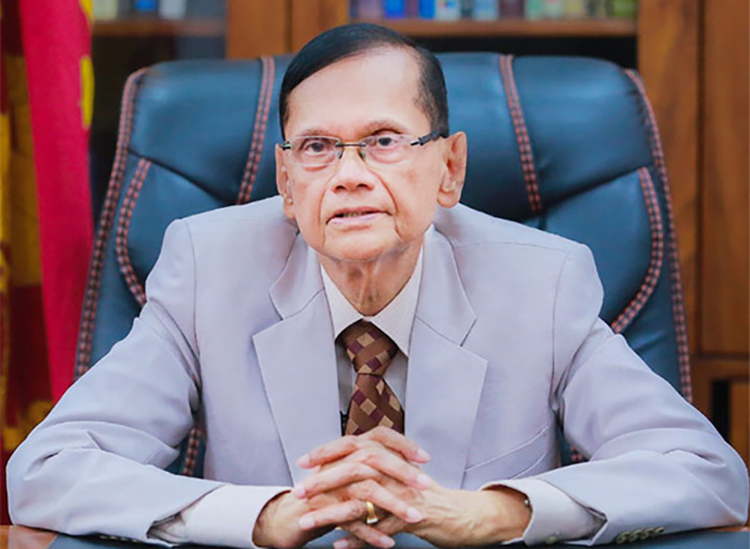
Former Minister of Justice, Constitutional Affairs, National Integration and Foreign Affairs Prof. G. L. Peiris has warned that the proposed Protection of the State from Terrorism Act (PSTA) will deal a severe blow to civil liberties and democratic rights, particularly media freedom and the overall freedom of expression.
Addressing a press conference organised by the joint opposition alliance “Maha Jana Handa” (Voice of the People) in Colombo, Prof. Peiris said the proposed legislation at issue had been designed “not to protect people from terrorism but to protect the State.”
Prof. Peiris said that the proposed law would sound the death knell for the rights long enjoyed by citizens, with journalists and media institutions likely to be among those worst affected.
Prof. Peiris took exception to what he described as the generous use of the concept of “recklessness” in the draft, particularly in relation to the publication of statements and dissemination of material. He argued that recklessness was recognised in criminal jurisprudence as a state of mind distinct from intention and its scope was traditionally limited.
“In this draft, it becomes yet another lever for the expansion of liability well beyond the properly designated category of terrorist offences,” Prof. Peiris said, warning that the elasticity of the term could expose individuals to prosecution on tenuous grounds.
Prof. Peiris was particularly critical of a provision enabling a suspect already in judicial custody to be transferred to police custody on the basis of a detention order issued by the Defence Secretary.
According to the proposed laws such a transfer could be justified on the claim that the suspect had committed an offence prior to arrest of which police were previously unaware, he said.
“The desirable direction of movement is from police to judicial custody. Here, the movement is in the opposite direction,” Prof. Peiris said, cautioning that although the authority of a High Court Judge was envisaged, the pressures of an asserted security situation could render judicial oversight ineffective in practice.
Describing the draft as “a travesty rather than a palliative,” Prof. Peiris said the government had reneged on assurances that reform would address longstanding concerns about existing counter-terrorism legislation. Instead of removing objectionable features, he argued, the new bill introduced additional provisions not found in the current Prevention of Terrorism Act (PTA).
Among them is a clause empowering the Defence Secretary to designate “prohibited places”. That was a power not contained in the PTA but previously exercised, if at all, under separate legislation such as the Official Secrets Act of 1955. Entry into such designated places, as well as photographing, video recording, sketching or drawing them, would constitute an offence punishable by up to three years’ imprisonment or a fine of up to Rs. 3 million. Prof. Peiris said. Such provision would have a “particularly chilling effect” on journalists and media personnel, he noted.
The former minister and law professor also criticised the breadth of offences defined under the draft, noting that it sought to create 13 categories of acts carrying the label of terrorism. This, he said, blurred the critical distinction between ordinary criminal offences and acts of terrorism, which require “clear and unambiguous definition with no scope for elasticity of interpretation.”
He cited as examples offences such as serious damage to public property, robbery, extortion, theft, and interference with electronic or computerised systems—acts which, he argued, were already adequately covered under existing penal laws and did not necessarily amount to terrorism.
Ancillary offences, too, had been framed in sweeping terms, Prof. Peiris said. The draft legislation, dealing with acts ‘associated with terrorism,’ imposed liability on persons “concerned in” the commission of a terrorist offence. “This is a vague phrase and catch-all in nature.” he noted.
Similarly, under the subheading ‘Encouragement of Terrorism,’ with its reference to “indirect encouragement,” could potentially encompass a broad spectrum of protest activity, Prof. Peiris maintained, warning that the provision on “Dissemination of Terrorist Publications” could render liable any person who provides a service enabling others to access such material. “The whole range of mainstream and social media is indisputably in jeopardy,” Prof. Peiris said.
Former Minister Anura Priyadarshana Yapa and SLFP Chairman Nimal Siripala de Silva also addressed the media at the briefing.
by Saman Indrajith ✍️





News
The use of local organic Agricultural products in the Bakery Industry will strengthen both local farmers and the tourism industry – PM

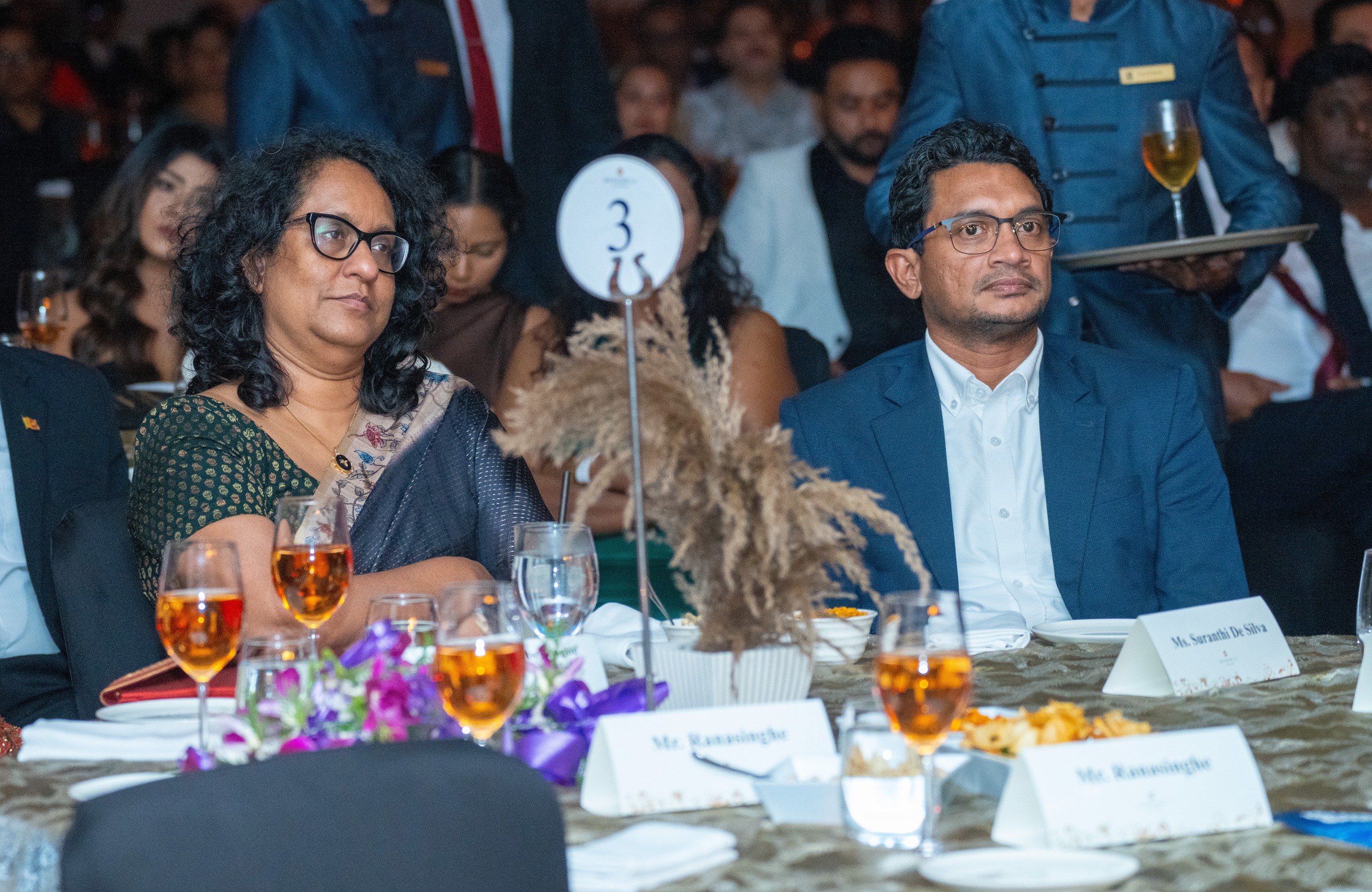
Prime Minister Dr. Harini Amarasuriya stated that the use of local organic agricultural products in bakery production would provide significant support to both local farmers and the growth of the tourism industry.
The Prime Minister made these remarks while addressing the Annual meeting of the All Ceylon Bakery Owners’ Association, held at the Shangri-La Hotel, Colombo, on Friday (12 June).
The Prime Minister stated,
“At a decisive moment when the country is moving towards a new phase of economic transformation, I believe that the bakery industry has the potential to become a key driver of the national economy, rather than remaining limited to flour-based products alone.
The food production must be mainly considered the quality and safety of food. Therefore, instead of focusing solely on taste, we should introduce nutritious and healthy products to the market that are free from artificial flavourings and colourings.
By using ingredients such as rice flour, finger millet, foxtail millet, green gram, and indigenous tubers to create value-added products, the bakery industry has the opportunity to capitalize on the growing global trend towards health-conscious diets.
The use of local organic agricultural products in food prepared for foreign tourists will provide substantial benefits to local farmers while also contributing to the growth of the tourism industry. At the same time, the government remains committed to strengthening local entrepreneurs by reducing challenges related to the importation of raw materials, providing concessionary loans for new technologies, and offering the technical assistance required to meet international standards.
The government has already launched programmes through the Ministry of Industries to provide the necessary training and market linkages to help small and medium-scale bakery owners develop and expand their businesses”.
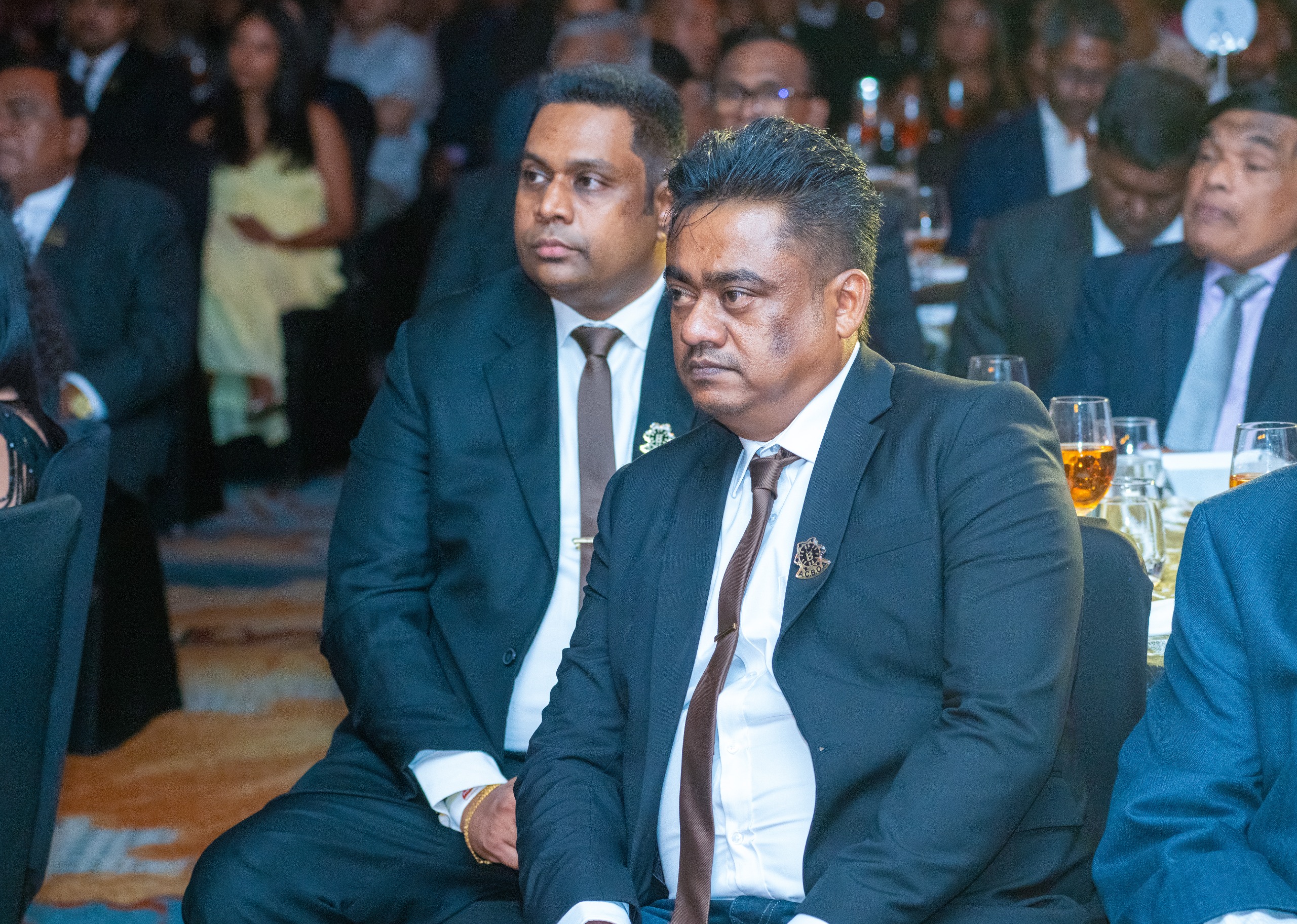
The occasion was attended by the Deputy Minister of Industries Chathuranga Abeysinghe, President of the All Ceylon Bakery Owners’ Association N.K. Jayawardana, and a number of members of the Association were also present at the event.


Prime Minister’s Media Division

Prime Minister Dr. Harini Amarasuriya met with a delegation from the UNICEF on Friday (June 12) at Temple Trees to discuss ongoing efforts to support the recovery of the education sector following the impact of Cyclone Ditwah.
Discussions focused on the implementation of activities outlined in the report titled “Cyclone Ditwah Education Emergency Response Plan: Phase 1 Progress Updates (January–April 2026).” The meeting provided an opportunity to review the progress achieved during the initial phase of the response and to discuss future interventions aimed at supporting children and schools affected by the disaster.
The Prime Minister and the UNICEF delegation also exchanged views on strengthening collaboration to ensure the continuity of education and the well-being of affected children.
The UNICEF delegation included Emma Brigham, UNICEF Representative, Begona Arellano, Deputy Representative, and other UNICEF officials.

(Prime Minister’s Media Division)

Can a country put a fixed limit on its population? That is the question Switzerland will be answering on Sunday when voters go the polls to decide on a proposal to cap their population at 10 million, a move that has exposed divisions about immigration in the Alpine nation.
The move is backed by the right-wing Swiss People’s Party, which describes it as a “sustainability initiative” aimed at easing pressure on housing, public services and the environment. However some voters see this as the party’s latest anti-immigration move.
Dubbing it a “chaos initiative”, the government, other political parties, business leaders and trade unions argue it will deprive hospitals and hotels of much needed staff, and damage hard-won relations with the European Union, leaving non-EU member Switzerland isolated in a very risky world.
Switzerland’s population has grown rapidly since 2002, when it stood at 7.3 million. Now it is 9.1 million, 27% of whom are Swiss residents who were born abroad.
Switzerland’s system of direct democracy means all major decisions are taken via the ballot box. Campaigners simply have to gather 100,000 signatures to ensure a nationwide vote.
Many voters are concerned by overcrowded trains, expensive apartments and rising health costs.
The latest opinion polls indicate this could be a very close vote.
They suggest voters are inching towards a no vote by a wafer thin margin, with 52% opposed – but polls remain divided, with 45% saying they are in favour of the proposal and a significant number of voters still undecided.
[BBC]

The use of local organic Agricultural products in the Bakery Industry will strengthen both local farmers and the tourism industry – PM

Prime Minister meets with UNICEF delegation

Qatar net late against Switzerland to secure historic first World Cup point

Australia stun Turkiye 2-0 in counterattacking masterclass

Five Indian air force staff killed as transport plane crashes in Assam

New York Knicks win NBA championship for first time in over 50 years

‘Dates have the highest sugar content to fight Coronavirus’

Sunday Island 27 December – Headlines

#SundayIsland 17th December – Headlines

Sunday Island – 28th March

Sunday Island Headlines – 21 March

Sunday Island – 21st February – Headlines
-

 Editorial7 days ago
Probe Sallay’s complaint
-
 News3 days ago
CIABOC summons Yoshitha over his participation in British Navy training programme
-
 News5 days ago
Local firms move millions of dollars overseas for phantom imports: Govt.
-
 Midweek Review5 days ago
July 09: An inexcusable overall security failure and exceptional contingency plan
-

 Opinion6 days ago
Could Sri Lanka once again face an economic crisis similar to 2022?
-

 News5 days ago
AI raises concerns over arrest of Sallay and rapper under PTA
-
 News6 days ago
Sallay refuses to end hunger strike unless probe is taken out of CID led by Shani
-
 Latest News6 days ago
Iran and Israel say they will pause strikes but warn of retaliation if ceasefire breached again