
News
FAO appeals for USD 16.5 Mn to restore livelihoods after Cyclone Ditwah devastates Lanka’s agrifood sector


The Food and Agriculture Organization of the United Nations (FAO) Headquarters in Rome issued an appeal calling for international assistance of USD 16.5 million to support the early recovery of livelihoods and food security for farming, livestock-keeping and fishing communities affected by Cyclone Ditwah in Sri Lanka.
Cyclone Ditwah represents one of the most severe climate shocks the country has faced in decades, affecting all 25 districts and disrupting the lives and livelihoods of more than 2.2 million people. Over 1.1 million people are now in urgent need of food security, agricultural and nutrition assistance, at a time when vulnerabilities were already heightened by prolonged economic pressures.
The cyclone struck at the onset of the critical Maha 2025/26 cultivation season, causing widespread damage to agriculture, livestock and fisheries. Floods inundated more than 129 000 hectares of agricultural land, affecting over 227 000 farming households. Standing water, debris, siltation and damaged irrigation systems are delaying replanting, while shortages of seeds, fertilizers and access to machinery threaten to result in irreversible production losses if immediate support is not provided.
Livestock and fisheries losses have further compounded the crisis. More than 37 000 cattle and buffaloes, nearly 16 000 goats and sheep, and 475 000 poultry have been lost, while damage to fisheries and aquaculture is estimated at USD 66–69 million, undermining both food availability and household incomes.
“This appeal focuses on early recovery interventions that are urgently needed to stabilize livelihoods and safeguard food production.,” said Vimlendra Sharan, FAO Representative for Sri Lanka and the Maldives. “While the overall requirements for the agrifood sector to fully rebound are substantially higher, immediate early recovery support is critical to prevent long-term losses, deeper food insecurity and increased reliance on food assistance.”
Issued by FAO Headquarters in Rome, the appeal targets 256 000 households (approximately 1.03 million people) across the Central, Eastern, North Central, North Western, Northern, Uva and Western Provinces. The USD 16.5 million requirement reflects priority early recovery actions, designed to rapidly restore productive capacity and protect livelihoods.
FAO’s planned interventions include:
Restoring crop production by providing seeds, fertilizers and essential agricultural inputs to smallholder farmers;
Safeguarding livestock assets through emergency animal health services, vaccines, veterinary kits and poultry restocking;
Supporting fisheries and aquaculture livelihoods through the repair or replacement of damaged boats and fishing gear; and
Providing cash-based assistance, including cash-for-work, to meet immediate needs, support livelihood restoration and enable debris clearance where markets are functioning.
FAO is working closely with the Government of Sri Lanka, particularly the Ministry of Agriculture, Livestock, Land and Irrigation and the Ministry of Fisheries, Aquatic and Ocean Resources. FAO also co-leads the Food Security and Livelihoods Sector alongside the World Food Programme and coordinates its response with the Sri Lanka Humanitarian Priorities Plan – Cyclone Ditwah.
To date, USD 400 000 has been received, leaving a 97.6 percent funding gap. Without urgent donor support, hundreds of thousands of households risk missing an entire cultivation season, with lasting consequences for food security, nutrition and rural resilience.


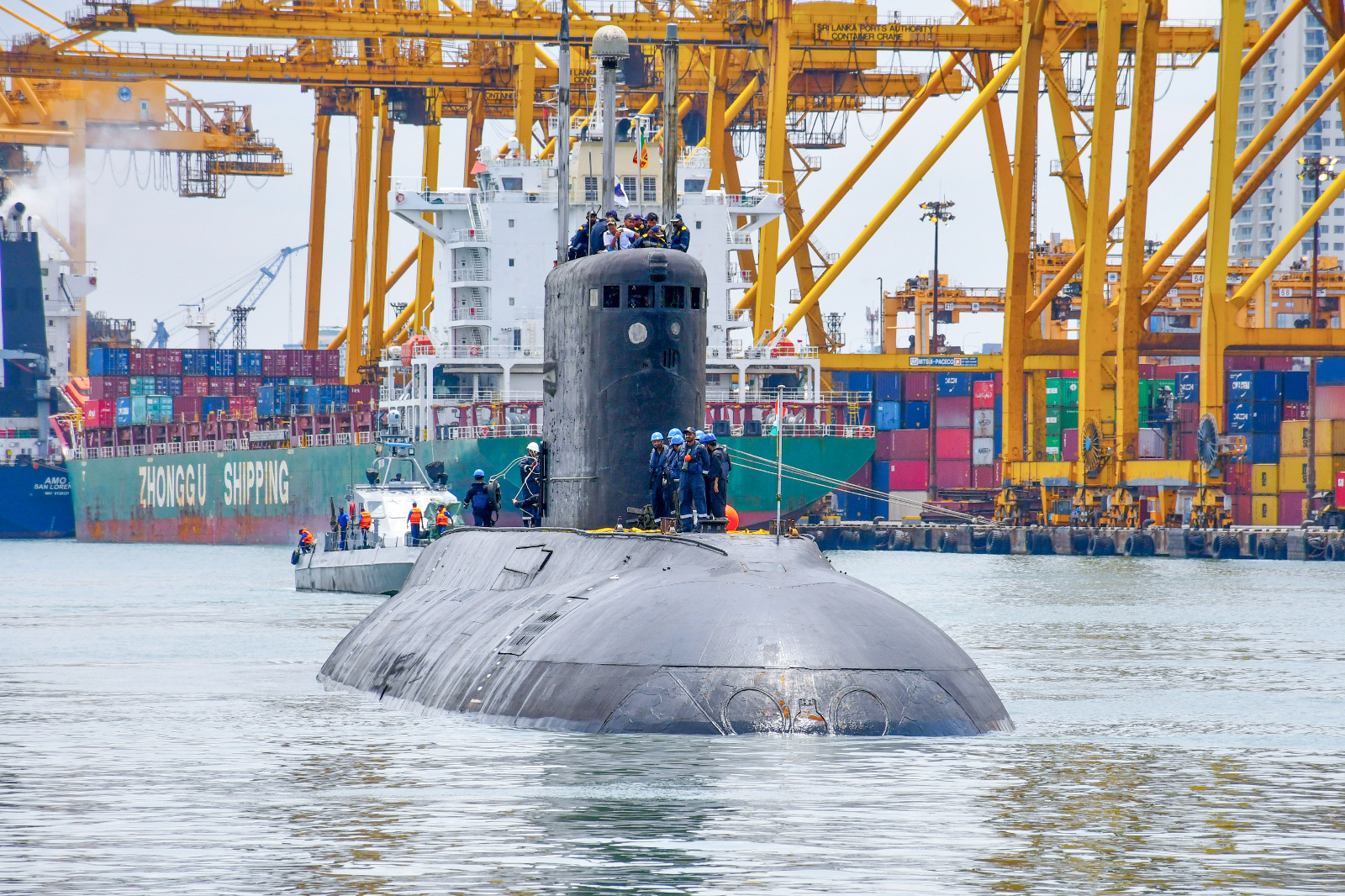
INS Sindhukesari, a submarine serving in the Indian Navy, arrived at the port of Colombo on 03 May 26 to undertake Operational Turnarounds.
The visiting submarine was welcomed by the Sri Lanka Navy in precision with naval traditions.
Throughout its stay in the island, the submarine’s crew is scheduled to participate in a variety of programmes organized by the Sri Lanka Navy, including visits to several tourist attractions in Sri Lanka.
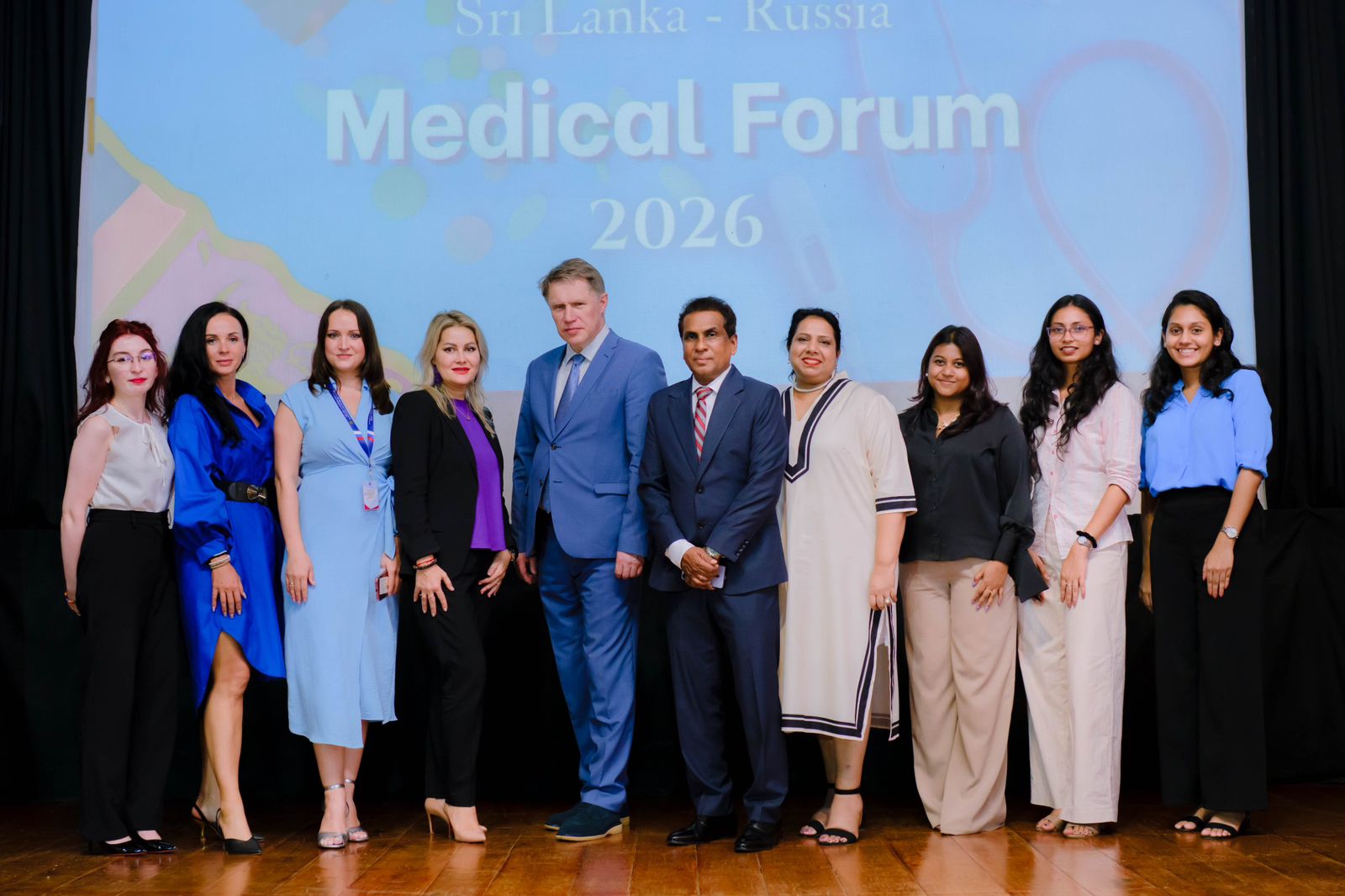
Mikhail Murashko, Minister of Health of the Russian Federation, officially visited the Russian House in Colombo to attend the Sri Lanka–Russia Medical Forum, where members of the Sri Lanka Russia Business Council and graduates from the Association of Sri Lankan Graduates from Socialist countries (ASLGSC) attended.
This historic gathering was graced by rectors and representatives from several world-class Russian medical institutions, including Kursk State Medical University, Sechenov First Moscow State Medical University, and Tver State Medical University, among others.
The forum commenced with an address by Minister Murashko, during which Russian medical graduates in attendance raised pertinent questions regarding medical and pharmaceutical sector opportunities in Sri Lanka.
Levan Dzhagaryan, Ambassador of the Russian Federation to Sri Lanka and the Maldives, together with Madam Maria L. Popova, Counsellor of the Embassy of the Russian Federation in Sri Lanka & the Maldives and Director of the Russian House in Colombo, graced the occasion. Both officials expressed strong support for continued collaboration and future initiatives between the two nations.
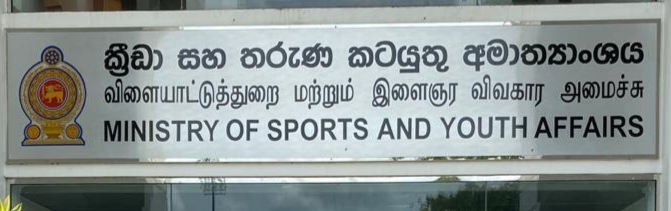
The official appointment letters for the members of the newly established “Cricket Transformation Committee” (CTC) were handed over on Monday (04) by the Minister of Youth Affairs and Sports, Sunil Kumara Gamage.
The following members received their letters of appointment at the Ministry premises:
Sidath Wettimuny
Thushira Radella
Prakash Schaffter
Ms. Avanthi Colombage
The Ministry also noted that veteran cricketers Roshan Mahanama and Kumar Sangakkara, who are key members of the committee, are currently overseas. Their official appointments will be formalised immediately upon their arrival in Sri Lanka.
The Cricket Transformation Committee has been mandated to oversee the administration and drive structural reforms within Sri Lanka Cricket (SLC) in accordance with the powers vested in the Minister under the Sports Act No. 25 of 1973.

INS Sindhukesari arrives in Colombo

Minister of Health of the Russian Federation attends the Sri Lanka–Russia Medical Forum

Members of Sri Lanka Cricket Transformation Committee Officially Appointed

Three prison guards arrested following the death of an inmate

Showers or thundershowers will occur at most places of the island after 1.00 pm.

CJ urged to inquire into AKD’s remarks on May 25 court verdict

‘Dates have the highest sugar content to fight Coronavirus’

Sunday Island 27 December – Headlines

#SundayIsland 17th December – Headlines

Sunday Island – 28th March

Sunday Island Headlines – 21 March

Sunday Island – 21st February – Headlines
-

 News7 days ago
Treasury chief’s citizenship details sought from Australia
-

 News6 days ago
Rooftop Solar at Crossroads as Sri Lanka Shifts to Distributed Energy Future
-
 News5 days ago
“Three-in-one blood pressure pill can significantly reduce risk of recurrent strokes”
-

 News7 days ago
Central Province one before last in AL results
-

 Sports7 days ago
Well done AKD!
-

 News2 days ago
USD 3.7 bn H’tota refinery: China won’t launch project without bigger local market share
-
 News20 hours ago
CJ urged to inquire into AKD’s remarks on May 25 court verdict
-

 News5 days ago
Alarm raised over plan to share Lanka’s biometric data with blacklisted Indian firm