
News
Lanka’s traditional Kithul tapping added to UNESCO’s Intangible Cultural Heritage list

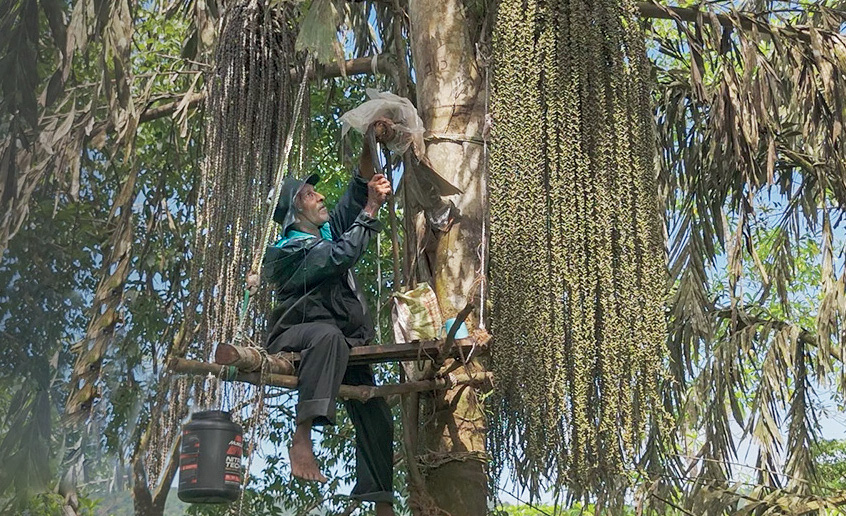
Sri Lanka’s traditional practice of Kithul Madeema/Kithul Kapeema, an ancient indigenous technology for extracting sap from the Kithul (Caryota urens), has been inscribed on the UNESCO Representative List of the Intangible Cultural Heritage of Humanity.
The announcement was made on 11 December, 2025, during the 20th Session of the Intergovernmental Committee for the Safeguarding of the Intangible Cultural Heritage (ICH) held in New Delhi, India.
Kithul Madeema, practiced for centuries by rural communities, is a highly skilled knowledge system involving the identification of mature Kithul palms, climbing tall trees, preparing and wrapping the inflorescence, and tapping it with a sacred knife to extract sap daily which is then filtered and boiled to produce Kithul treacle (pani), jaggery (hakuru) and various other food products central to Sri Lankan cultural and culinary life.
This living tradition spans over 13 districts across the Southern, Central, Sabaragamuwa, and Uva Provinces of Sri Lanka, flourishing in forests, home gardens, and natural landscapes.
Its inscription would enhance visibility, strengthen community livelihoods, inspire youth engagement, and reinforce sustainable cultural practices.
Minister Counsellor of the High Commission of Sri Lanka in New Delhi,Wathsala Amarasinghe, in her statement following the adoption, conveyed Sri Lanka’s profound appreciation to the Evaluation Body for recommending the inscription and thanked the UNESCO Secretariat for its support throughout the process. She emphasised the deep significance of this recognition for the rural communities and traditional tappers who have safeguarded this knowledge system.
This inscription marks a significant milestone in strengthening Sri Lanka’s commitment in preserving its living heritage and celebrates the creativity, resilience, and ecological wisdom of the Kithul tapping communities.


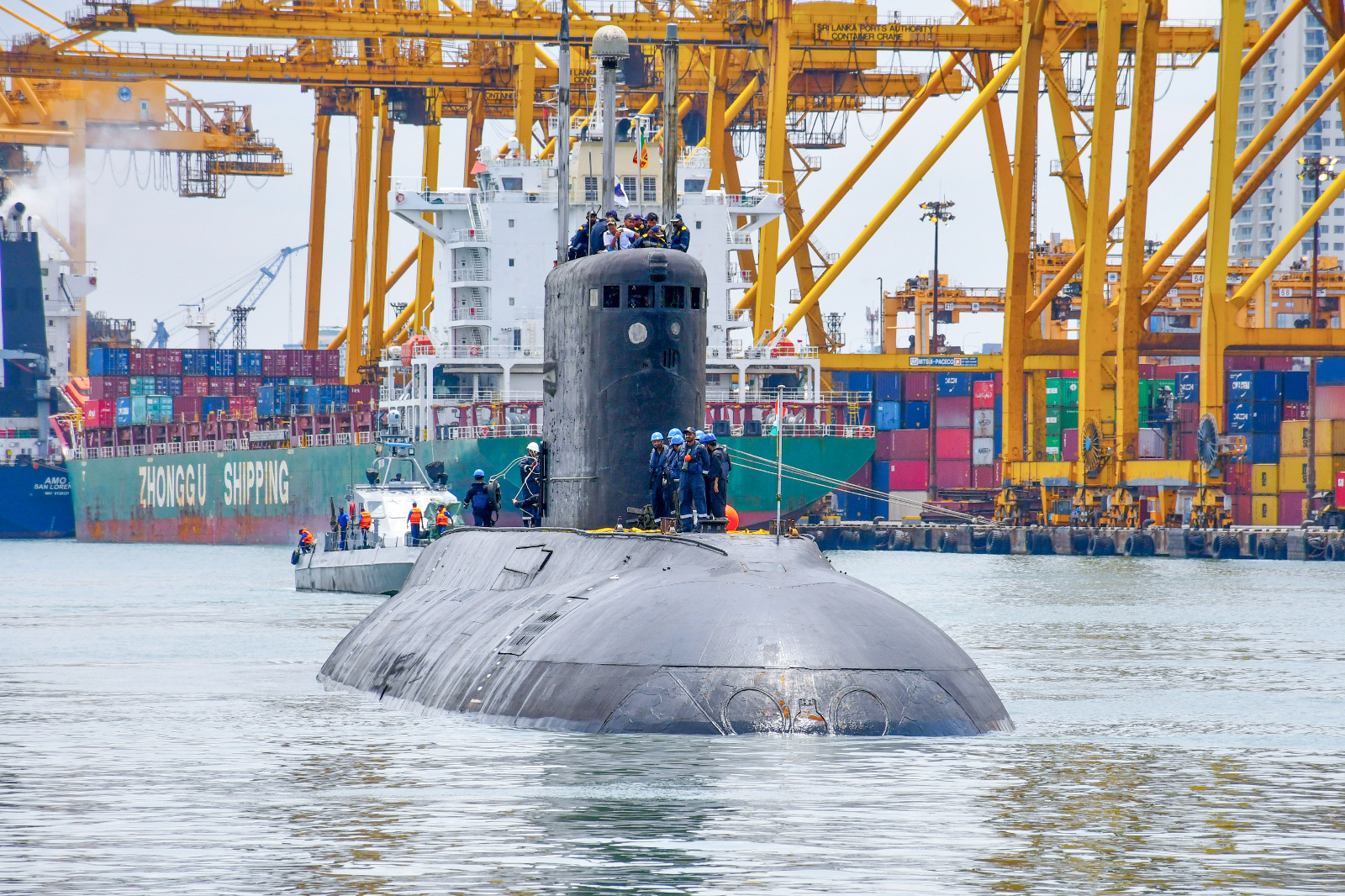
INS Sindhukesari, a submarine serving in the Indian Navy, arrived at the port of Colombo on 03 May 26 to undertake Operational Turnarounds.
The visiting submarine was welcomed by the Sri Lanka Navy in precision with naval traditions.
Throughout its stay in the island, the submarine’s crew is scheduled to participate in a variety of programmes organized by the Sri Lanka Navy, including visits to several tourist attractions in Sri Lanka.
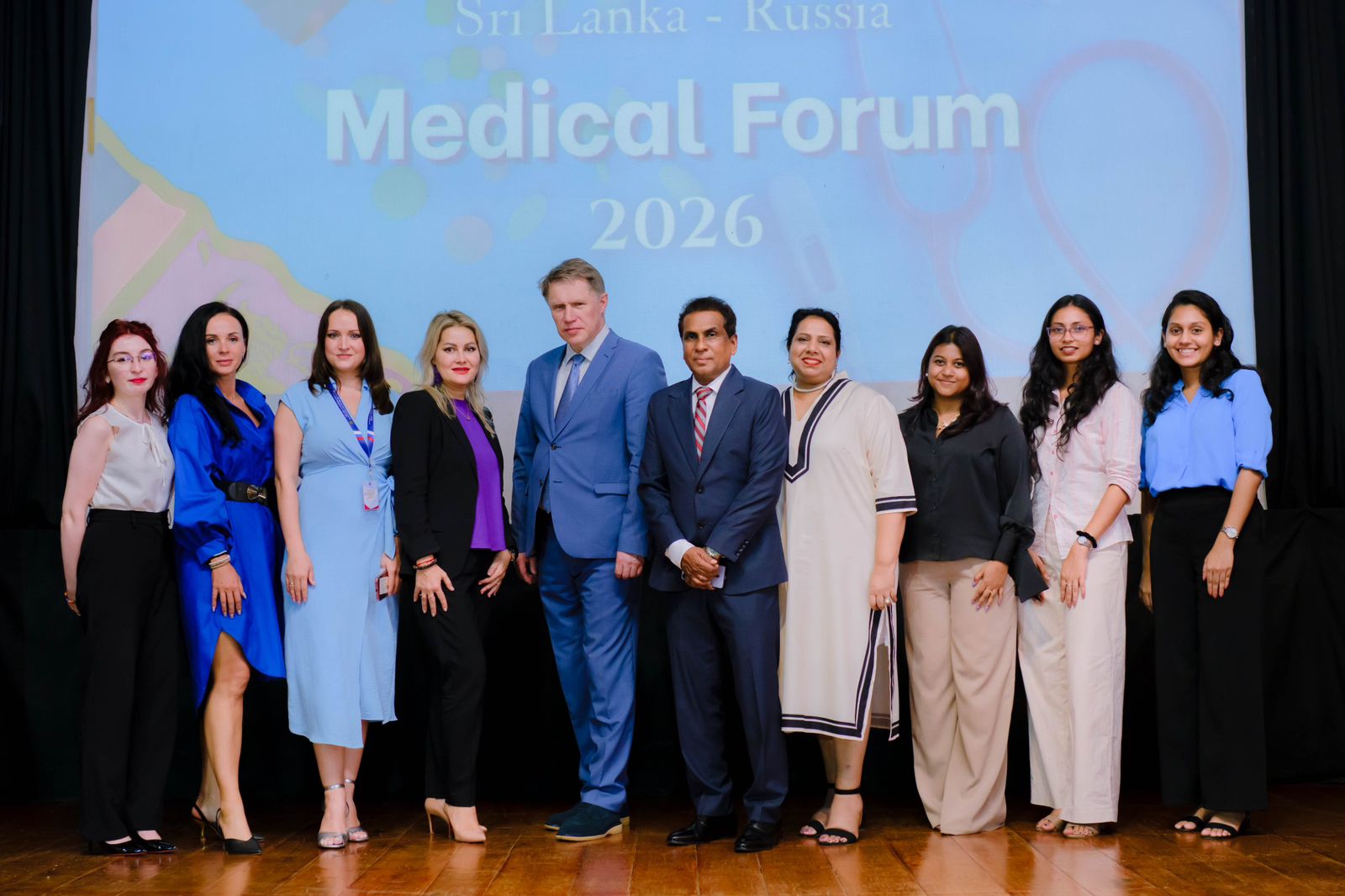
Mikhail Murashko, Minister of Health of the Russian Federation, officially visited the Russian House in Colombo to attend the Sri Lanka–Russia Medical Forum, where members of the Sri Lanka Russia Business Council and graduates from the Association of Sri Lankan Graduates from Socialist countries (ASLGSC) attended.
This historic gathering was graced by rectors and representatives from several world-class Russian medical institutions, including Kursk State Medical University, Sechenov First Moscow State Medical University, and Tver State Medical University, among others.
The forum commenced with an address by Minister Murashko, during which Russian medical graduates in attendance raised pertinent questions regarding medical and pharmaceutical sector opportunities in Sri Lanka.
Levan Dzhagaryan, Ambassador of the Russian Federation to Sri Lanka and the Maldives, together with Madam Maria L. Popova, Counsellor of the Embassy of the Russian Federation in Sri Lanka & the Maldives and Director of the Russian House in Colombo, graced the occasion. Both officials expressed strong support for continued collaboration and future initiatives between the two nations.
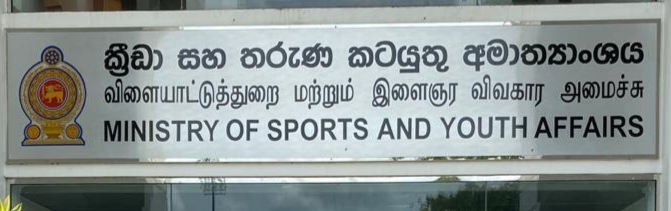
The official appointment letters for the members of the newly established “Cricket Transformation Committee” (CTC) were handed over on Monday (04) by the Minister of Youth Affairs and Sports, Sunil Kumara Gamage.
The following members received their letters of appointment at the Ministry premises:
Sidath Wettimuny
Thushira Radella
Prakash Schaffter
Ms. Avanthi Colombage
The Ministry also noted that veteran cricketers Roshan Mahanama and Kumar Sangakkara, who are key members of the committee, are currently overseas. Their official appointments will be formalised immediately upon their arrival in Sri Lanka.
The Cricket Transformation Committee has been mandated to oversee the administration and drive structural reforms within Sri Lanka Cricket (SLC) in accordance with the powers vested in the Minister under the Sports Act No. 25 of 1973.

INS Sindhukesari arrives in Colombo

Minister of Health of the Russian Federation attends the Sri Lanka–Russia Medical Forum

Members of Sri Lanka Cricket Transformation Committee Officially Appointed

Three prison guards arrested following the death of an inmate

Showers or thundershowers will occur at most places of the island after 1.00 pm.

CJ urged to inquire into AKD’s remarks on May 25 court verdict

‘Dates have the highest sugar content to fight Coronavirus’

Sunday Island 27 December – Headlines

#SundayIsland 17th December – Headlines

Sunday Island – 28th March

Sunday Island Headlines – 21 March

Sunday Island – 21st February – Headlines
-
 News7 days ago
Treasury chief’s citizenship details sought from Australia
-

 News6 days ago
Rooftop Solar at Crossroads as Sri Lanka Shifts to Distributed Energy Future
-
 News5 days ago
“Three-in-one blood pressure pill can significantly reduce risk of recurrent strokes”
-

 News7 days ago
Central Province one before last in AL results
-

 Sports7 days ago
Well done AKD!
-
 News23 hours ago
CJ urged to inquire into AKD’s remarks on May 25 court verdict
-
 News2 days ago
USD 3.7 bn H’tota refinery: China won’t launch project without bigger local market share
-

 News5 days ago
Alarm raised over plan to share Lanka’s biometric data with blacklisted Indian firm