
News
Former SAARC SG Esala Weerakoon calls for ‘South Asian Climate Compact’

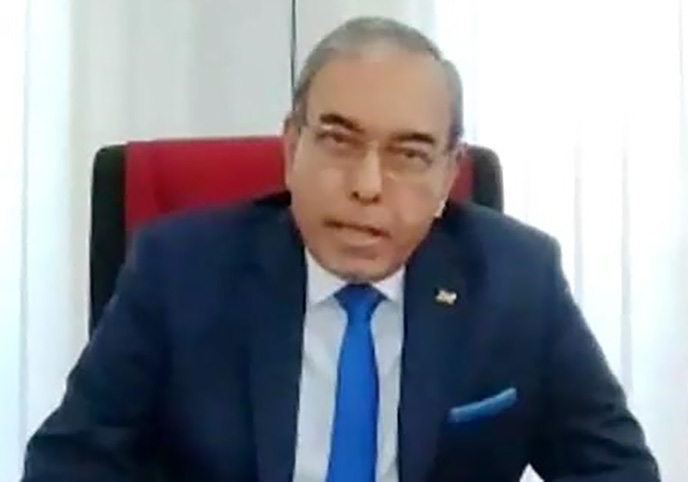
Ambassador (Retd.) Esala Weerakoon has observed that “it is time for us to consider a ‘South Asian Climate Compact’—a renewed, collective commitment to safeguard our environment, protect our people, and uphold climate justice. Such a compact would reflect our shared vulnerabilities, our shared responsibilities, and our shared aspirations”.
Ambassador Weerakoon, a former – Secretary General of the South Asian Association for Regional Cooperation (SAARC) and Foreign Secretary of Sri Lanka made this observation when he delivered Valedictory Remarks from the Regional Centre for Strategic Studies (RCSS) in Colombo, at the conclusion of the 9 day zoom based ‘The Southasia Lectures’ (SAL) series on the theme “Climate Policy and Climate Justice” which featured experts presenting the status of climate mitigation and adaptation in their respective country. An overview of the overall South Asian situation was held on the last day, 8 December 2025 – which fell on ‘SAARC Charter Day’ – the 40th Anniversary of the adoption of the SAARC Charter. The series was curated by Dr. Swarna Rajagopalan of Chiaitanya, the RCSS, with Himal Southasian and Sansristi, as outreach partners.
Ambassador Weerakoon observed that “While it is a day of pride, it is also a day to reflect on the journey of SAARC, the achievements made and the challenges faced. It is also a meaningful occasion, to reflect on our shared regional identity and the collective future we must shape together. Noting that “climate change was not merely an environmental issue—it is a human issue, a justice issue, and ultimately a regional peace and security issue”, he said “the future of South Asia depends on our ability to act together, to imagine boldly, and to uphold the principles of solidarity that define our region. Amb. Weerakoon emphasised the continuing relevance of SAARC as “South Asia depends on our ability to act together, to imagine boldly, and to uphold the principles of solidarity that define our region”. He said, “SAARC must continue to strengthen its institutions and ensure that its activities yield tangible benefits for the people of South Asia.”
Dr. Rajagopalan addressing the concluding session said the series was intended to create a learning opportunity for fellow Southasians to learn about each other. As a part of RCSS’s alumni community she was also sensitive to the need for greater connectivity among Southasians. It was noted that the series fostered holistic learning among Southasians, about the intersectional impacts of climate change, on gender, livelihoods, community, ecology, governance, economy and politics. The speakers highlighted local and regional challenges, especially transboundary impacts of disasters, water and food insecurity due to depleting resources, and widespread health impacts. Also recognised was the need for knowledge sharing, advocating for a “borderless conversation”, sharing success stories, and presenting a united front at global forums like COP.
The RCSS Coordinator for the series, Ms. Chamika Wijesuriya, pressed the need for community empowerment at the intersections of climate mitigation, adaptation and disaster risk reduction. “Giving the community the necessary knowledge, skills and equipment can help them strengthen their homes and livelihoods”. She also impressed that just, equitable solutions, strong policy interventions and regional alliances with knowledge and technology transfer are the needs of the hour, and should be a key focus areas of mitigation and adaptation.
Executive Director of RCSS Amb (Retd.) Ravinatha Aryasinha in closing comments reiterated the importance of this collective effort, taking place at a time Southasians are witnessing – as Sri Lankans did last week, impacts of cataclysmic disasters, and ecosystem collapse in real time, with people losing their lives, livelihoods and on property. Appreciating the support Sri Lanka received particularly from countries within the region, he stressed the need for regional cooperation within the ‘Global South’ for more long term solutions, given that ‘multilateralism’ was failing to deliver redress. Referring to SAARC, he observed that the evaluation of its success must be assessed not as a snapshot but over the longue durée, and also whether one sees its purpose as having been to serve as a ‘engine’ or a ‘catalyst’. He argued that while it may be failing in the former sense, it had served its purpose in the latter – bringing the people of South Asia closer. He encouraged greater track 1.5 dialogue to bridge the present impasse, noting that since its inception in 1992 the RCSS had been committed to this task.
https://www.youtube.com/playlist?list=PLLo1zdUkwXKDbLkkuCWaUmiLNfAeoyZAz

Business
“We Are Building a Stable, Transparent and Resilient Sri Lanka Ready for Sustainable Investment Partnerships” – PM

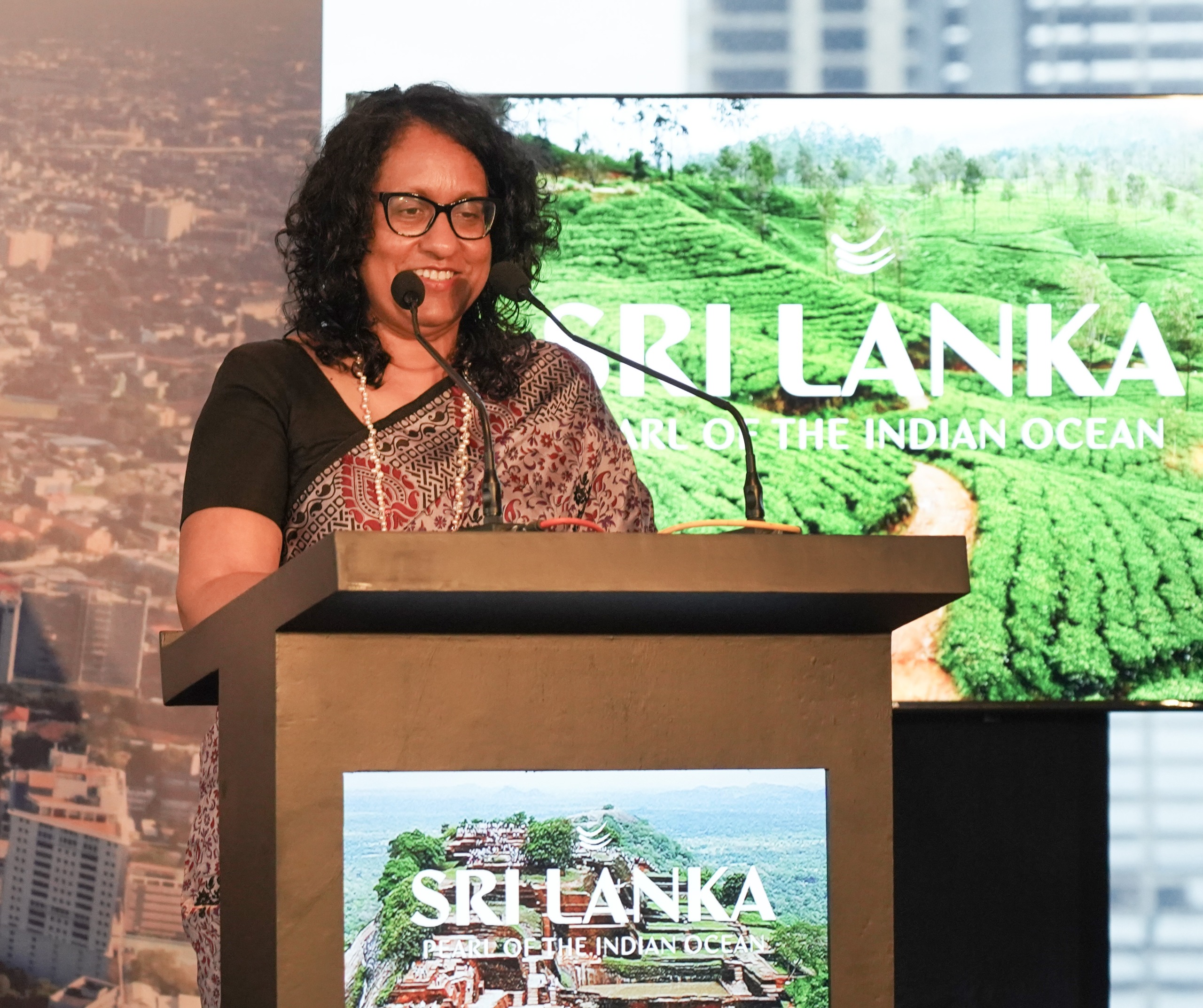
Prime Minister Dr. Harini Amarasuriya addressed members of the Chief Executives Organization (CEO) during a session held on Thursday [3 February 2026] at the Shangri-La Hotel, Colombo, as part of CEO’s Pearl of the Indian Ocean: Sri Lanka programme.
The Chief Executives Organization is a global network of business leaders representing diverse industries across more than 60 countries. The visiting delegation comprised leading entrepreneurs and executives exploring Sri Lanka’s economic prospects, investment climate, and development trajectory.
Addressing the gathering, the Prime Minister emphasized that Sri Lanka’s reform agenda is anchored in structural transformation, transparency, and inclusive growth.
“We are committed not only to ensuring equitable access to education, but equitable access to quality education. Our reforms are designed to create flexible pathways for young people beyond general education and to build a skilled and adaptable workforce for the future.”
She highlighted that the Government is undertaking a fundamental pedagogical shift towards a more student-focused, less examination-driven system as part of a broader national transformation.
Reflecting on Sri Lanka’s recent political transition, the Prime Minister stated:
“The people gave us a mandate to restore accountability, strengthen democratic governance, and ensure that opportunity is not determined by patronage or privilege, but by fairness and merit. Sri Lanka is stabilizing. We have recorded positive growth, restored confidence in key sectors, and are committed to sustaining this momentum. But our objective is not short-term recovery it is long-term resilience.”
Addressing governance reforms aimed at improving the investment climate, she said:
“We are aligning our legislative and regulatory frameworks with international standards to provide predictability, investor protection, and institutional transparency. Sustainable investment requires trust, and trust requires reform.”
Turning to the recent impact of Cyclone Ditwa, which affected all 25 districts of the country, the Prime Minister underscored the urgency of climate resilience.
“Climate change is not a distant threat. It is a lived reality for our people. We are rebuilding not simply to recover, but to build resilience, strengthen disaster mitigation systems, and protect vulnerable communities.”
Inviting CEO members to consider Sri Lanka as a strategic partner in the Indo-Pacific region, she highlighted opportunities in value-added mineral exports, logistics and shipping, agro-processing, renewable energy, pharmaceuticals, and innovation-driven sectors.
“We are not looking for speculative gains. We are seeking long-term partners who share our commitment to transparency, sustainability, and inclusive development.”
She further emphasized collaboration in education, research, vocational training, and innovation as essential pillars for sustained economic growth.
Concluding her address, the Prime Minister expressed appreciation to the Chief Executives Organization for selecting Sri Lanka as part of its 2026 programme and reaffirmed the Government’s readiness to engage constructively with responsible global investors.
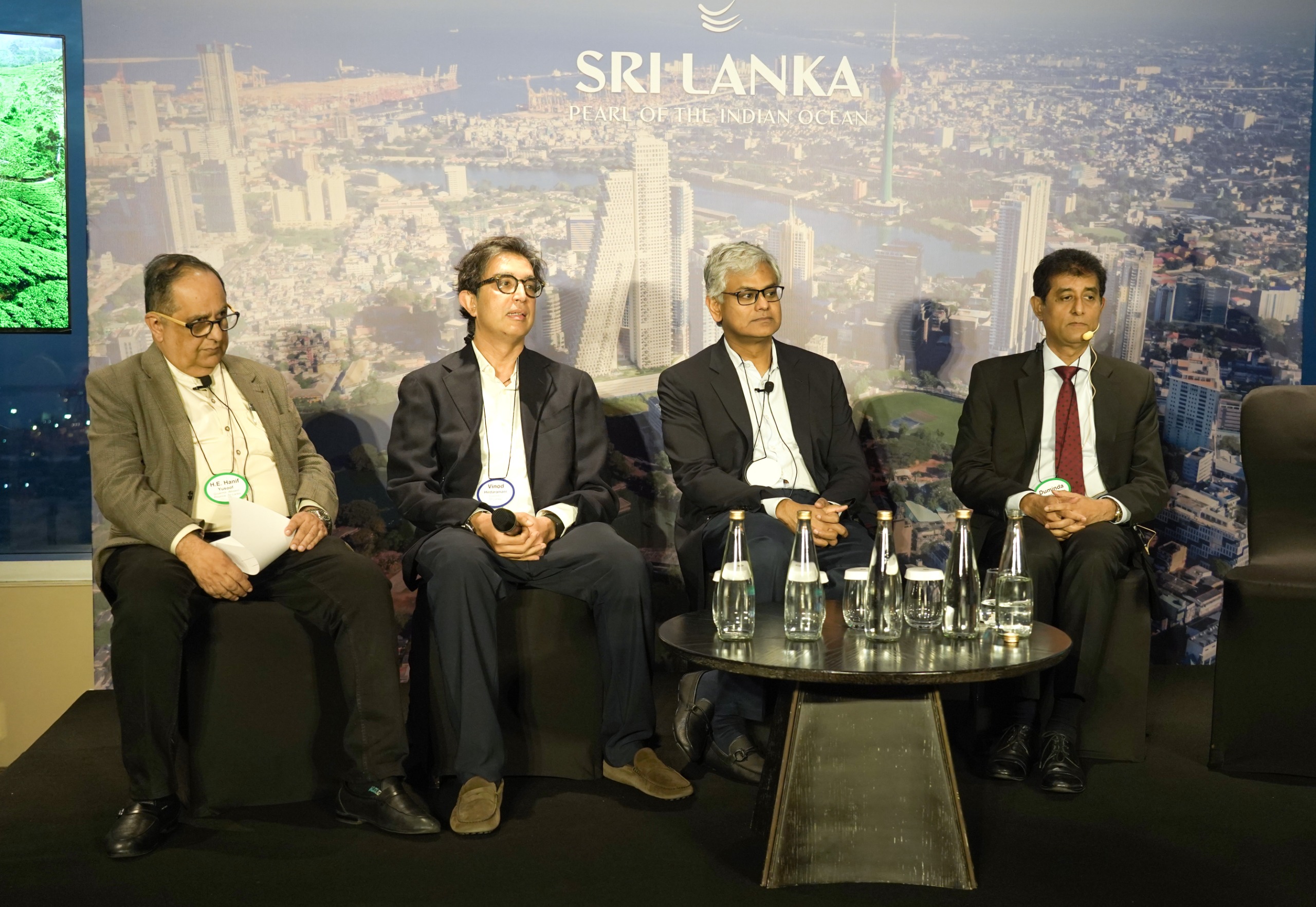
The event was attended by the Governor of the Western Province, Hanif Yusoof, and other distinguished guests.

[Prime Minister’s Media Division]
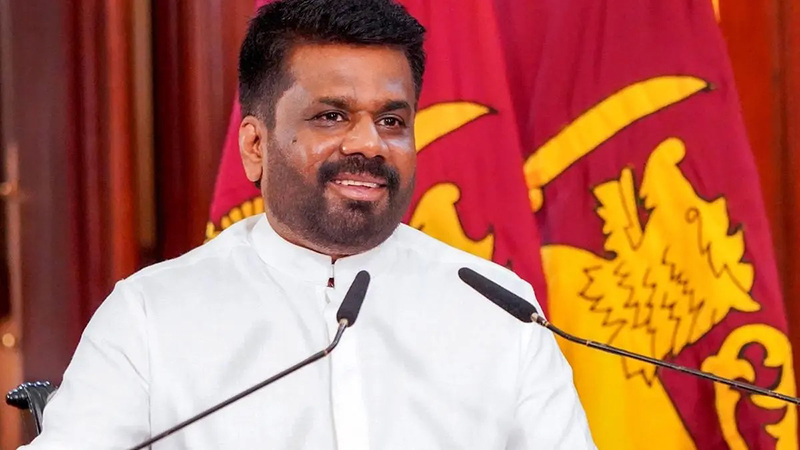
President Anura Kumara Dissanayake has extended his congratulations to the Bangladesh Nationalist Party (BNP) and its leader, Tarique Rahman, following their landslide victory in Bangladesh’s parliamentary elections.
“Best wishes to the people of Bangladesh for reaffirming their faith in democracy, and congratulations to Mr. Tarique Rahman on leading the BNP in these elections. The results reflect the trust placed in him. I look forward to strengthening ties between our two nations,” President Dissanayake said, in a post on ‘X’.
The Bangladesh Nationalist Party won a landslide parliamentary election on Friday, securing a resounding mandate in a pivotal vote that is expected to restore political stability in the South Asian nation.
The parliamentary election held on Thursday was Bangladesh’s first vote since the 2024 Gen Z-driven uprising that toppled long-time premier Sheikh Hasina.
Opinion polls had given BNP an edge, and the party lived up to the forecasts, with the coalition it dominates winning 209 seats to secure an overwhelming two-thirds majority in the 300-member Jatiya Sangsad, or House of the Nation, Jamuna TV showed.
Soon after it won a majority in the overnight vote-count, the party thanked and congratulated the people and called for special prayers on Friday for the welfare of the country and its people.
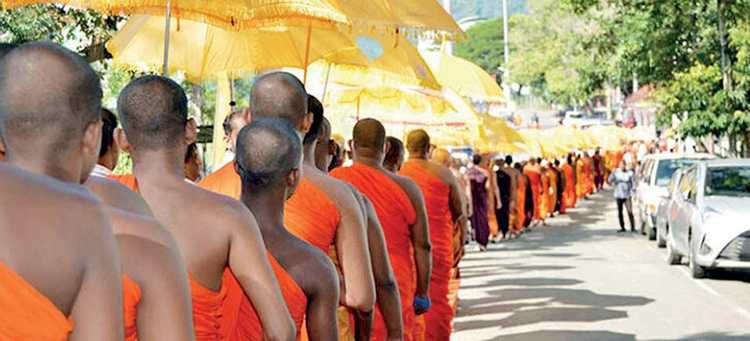
A major Sangha conference will be held on February 20 at 2 PM at the All Ceylon Buddhist Congress (ACBC) Headquarters in Colombo, bringing together both monastic and lay communities to discuss concerns over alleged injustices against Buddhist monks, the Buddha Sasana, and the nation.
Speaking at a press conference in Colombo on Thursday (12), Roshan Maddumage, Deputy Chairman of the ACBC, said the primary aim of the conference is to highlight misconduct and draw government attention to these matters.
ACBC Chairman Chandra Nimal Wakishta emphasized that the country’s legal system appears to operate inconsistently. He noted that while police officers involved in the assault of a Catholic priest were prosecuted and jailed, no investigation has been conducted into police officers accused of assaulting Buddhist monks in Trincomalee.
Wakishta stressed that the Sinhala Buddhist community has historically not engaged in violence or promoted hatred. He added that the Maha Sangha play a central role in guiding and protecting the country and the state, and that harassment or attacks on monks indirectly harm the nation as a whole.
He explained that the decision to convene the Sangha conference stems from the urgency of addressing these serious concerns, with the event expected to serve as a platform for dialogue between the clergy, lay followers, and government representatives.

Fairly heavy showers are likely at some places in the Rathnapura, Kalutara, Galle and Matara districts

India vs Pakistan is finally here. Over to cricket now

“We Are Building a Stable, Transparent and Resilient Sri Lanka Ready for Sustainable Investment Partnerships” – PM

US military kills 3 in latest attack on boat in the Caribbean

Prez AKD congratulates BNP’s Tarique Rahman on B’desh election win

Massive Sangha confab to address alleged injustices against monks

‘Dates have the highest sugar content to fight Coronavirus’

Sunday Island 27 December – Headlines

#SundayIsland 17th December – Headlines

Sunday Island – 28th March

Sunday Island Headlines – 21 March

Sunday Island – 21st February – Headlines
-

 Business4 days ago
Autodoc 360 relocates to reinforce commitment to premium auto care
-
 Midweek Review4 days ago
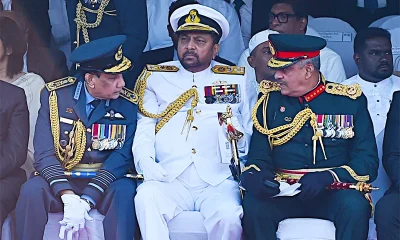
A question of national pride
-

 Opinion3 days ago
Will computers ever be intelligent?
-
 Midweek Review4 days ago
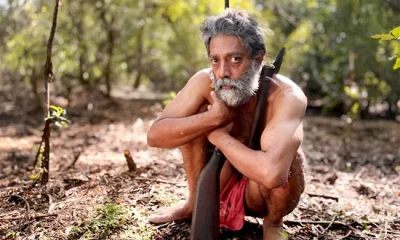
Theatre and Anthropocentrism in the age of Climate Emergency
-

 Editorial6 days ago
The JRJ syndrome
-
 Opinion4 days ago
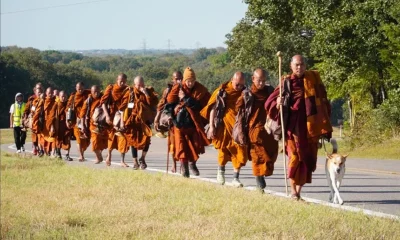
The Walk for Peace in America a Sri Lankan initiative: A startling truth hidden by govt.
-

 Foreign News6 days ago
Portugal elects Socialist Party’s Seguro as president in landslide
-
 Opinion5 days ago
Beyond 4–5% recovery: Why Sri Lanka needs a real growth strategy