
News
The aim of the Government is to ensure a safe life for every citizen -President

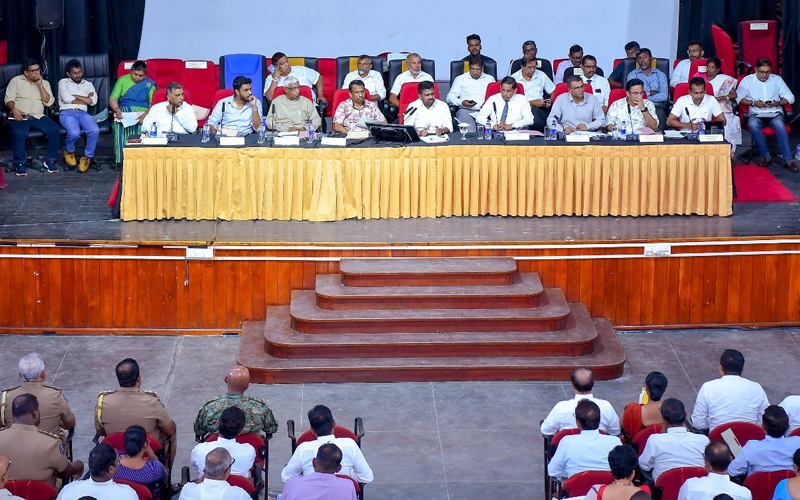
President Anura Kumara Dissanayake stressed that the aim of the Government is to ensure a safe life for every citizen and that it is everyone’s responsibility to act with proper supervision during the resettlement of the people.
The President instructed the relevant sectors to complete all necessary repairs before 31 December by utilising the allocations given by the Government for infrastructure development for this year and not to return any part of those allocations under any circumstances.
The President said that there is no shortage of funds required for relief to the people and for restoring normal life and that what is necessary in this emergency situation is for all institutions to fulfil their responsibilities through proper coordination without limitations.
President Anura Kumara Dissanayake made these remarks while participating on Monday (08) afternoon at the District Coordinating Committee meeting held at the Uva Province Library Auditoriam to review the programme being carried out to restore normalcy in the lives of the affected people in the Badulla District and to develop essential infrastructure. Due to the disaster situation, 64,140 individuals belonging to 19,133 families in the Badulla District have been affected. A total of 418 houses have been completely damaged and 7,703 houses have been partially damaged.
The President inquired separately into the programmes being carried out to restore essential infrastructure such as repairing damaged roads, electricity, water supply, communication, irrigation, restarting agriculture, the livestock sector, inland fisheries and restoring the health and education sectors, among others.
The President pointed out the need to carry out all road repairs simultaneously without dividing them as roads under the Road Development Authority, provincial roads, or local authority roads. He informed officials that if the funds allocated for this purpose are insufficient, they should request the required additional allocations.
The President also instructed that an estimate be prepared and submitted for all roads in the district requiring permanent repairs and noted that funds can be provided to commence this work by January.
Officials stated that, 90% of the district’s damaged electricity supply due to the disaster situation has already been restored and the remaining supply is also being restored swiftly. They further pointed out that steps have been taken to ensure the district’s water supply is provided as required.
The reopening of schools was also discussed and the President instructed that the Government’s allowance of Rs. 15,000 granted to affected schoolchildren be paid promptly through the intervention of Divisional Secretaries.
Due to the disaster situation, 6,711 acres of agricultural land in the Badulla District have been damaged. The President instructed that the relevant farmers and the extent of damaged land be identified, compensation be provided swiftly and they be directed back into cultivation.
He further instructed officials of the Irrigation Department to provide water to agricultural lands at least temporarily, so that the farmers will be able to harvest the Maha season. The President stated that the allowance of Rs. 25,000 provided for the cleansing and restoration of damaged temples and religious sites will be granted through the Department of Cultural Affairs and that a Cabinet decision regarding this matter is expected this week.
Lengthy discussions were held on providing compensation to destroyed and damaged houses and on the resettlement of the affected people. The President also highlighted the need to implement programmes aimed at improving the mental health of people living in camps.
President Dissanayake expressed his gratitude to the Tri-forces, Government officials and the public who are working with immense dedication in all these activities.
Participating in this occasion were the Chairman of the Badulla District Coordinating Committee and Minister of Agriculture and Rural Infrastructure, Samantha Vidyaratne; Chairman of the Badulla District Coordinating Committee and Governor of Uva Province, Attorney-at-Law Kapila Jayasekara; Deputy Minister of Trade, Commerce and Food Security, R. M. Jayawardena; Deputy Minister of Power and Energy, Arkam Iliyas; Deputy Minister of Youth Affairs, H. M. Dinindu Sampath Hennayake; Deputy Minister of Tourism, Professor Ruwan Ranasinghe; Members of Parliament Sarath Kumara, Ravindra Bandara, Sudath Balagalla, Kittnan Selvaraj, Ambika Samuel, Ajantha Gammaddege and Chamara Sampath Dasanayake, along with other ruling and opposition MPs; Chief Secretary of Uva Province, Ms. Anusha Gokula and representatives of Provincial Councils; Secretary to the Ministry of Finance, Dr. Harshana Suriyapperuma, together with senior officials of the Ministry of Finance; Badulla District Secretary Panduka Sri Prabath Abeywardena and other Government officials of the district, as well as representatives of the security services

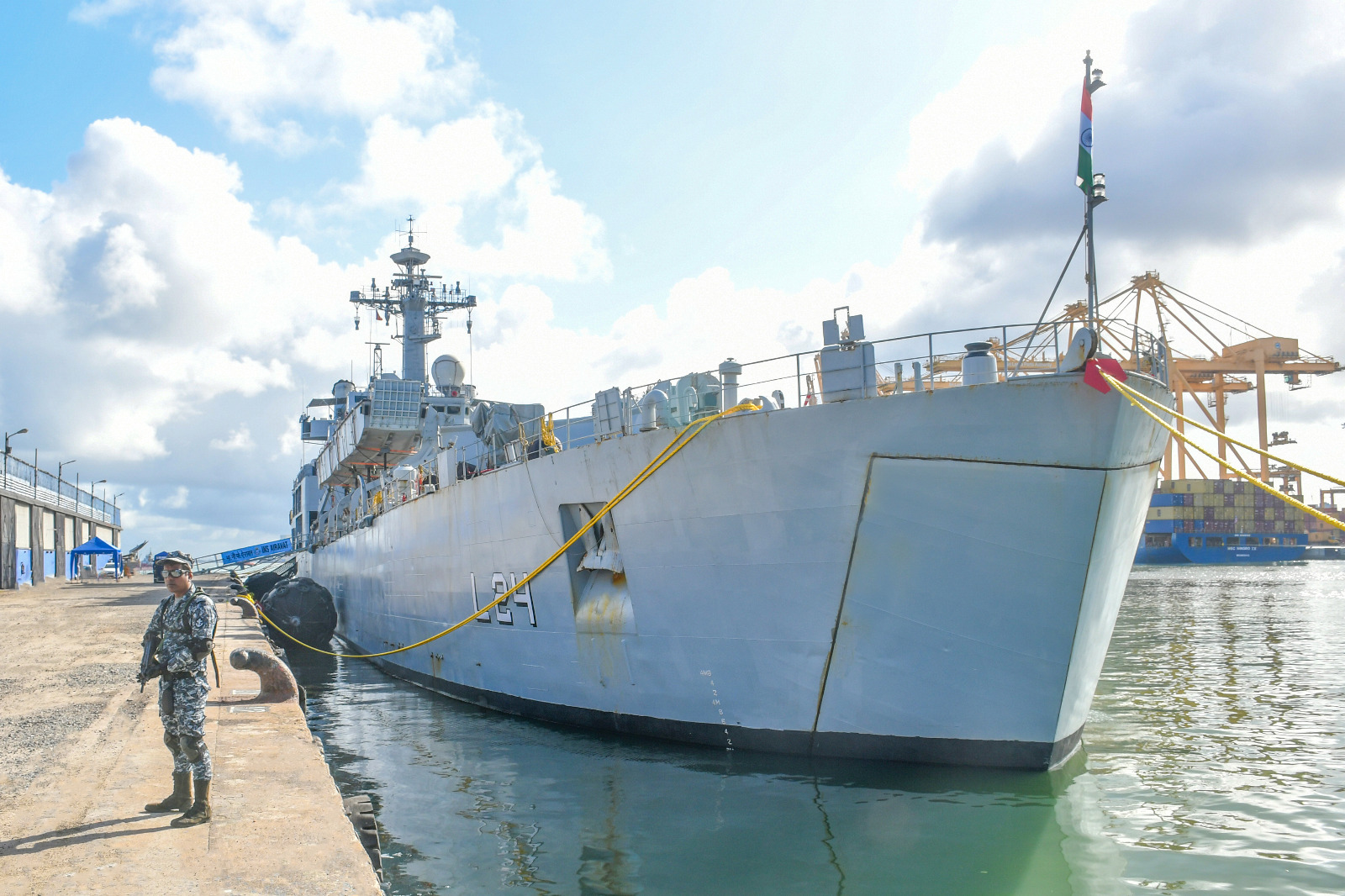
The Indian Naval Ship (INS) Airavat arrived at the Port of Colombo for Operational Turnaround on 01 Jun 26. The visiting ship was welcomed by the Sri Lanka Navy (SLN) in compliance with time-noured naval traditions.
INS Airavat is a Landing Ship Tank, commanded by Commander IP Patil.
During their stay in the island, the ship’s crew is scheduled to take part in a series of professionally enriching events and camaraderie-building programmes organised by the Sri Lanka Navy.
The Indian naval personnel will also tour several historic and prominent tourist attractions across the country before the ship concludes her deployment.


… tells Prez such arbitrary change neither necessary nor desirable
The Bar Association of Sri Lanka (BASL) has urged President Anura Kumara Dissanayake to abandon the controversial plan to increase the retirement age of the judiciary, including the Court of Appeal and the Supreme Court.
In a statement issued by the BASL President Rajeev Amarasuriya and its Secretary Nalin de Silva, the BASL pointed out that the proposed increase of the retirement age of the judiciary would undermine the independence, integrity, dignity, and public confidence in the Judiciary, which is essential for the maintenance of the Rule of Law and democratic governance in Sri Lanka.
The text of the BASL statement: “The Bar Association of Sri Lanka (hereinafter referred to as “BASL”) notes with grave concern reports in the public domain that the Government is considering the introduction of an amendment to the Constitution to increase the age of retirement of Judges of the Court of Appeal and the Supreme Court.
It is the considered view of the BASL that the age of retirement of the judges of the Court of Appeal and the Supreme Court which has stood at 63 years and 65 years respectively from the promulgation of the 1978 Constitution, should not be changed arbitrarily and that such a change is neither necessary nor desirable.
To do so will result in the loss of public confidence in the integrity of the legal system and of the Government’s commitment to preserve and protect the rule of law and the independence of the judiciary. Members of the public are likely to question the motives of the Government in bringing in a Constitutional amendment solely for this purpose.
Your Excellency is no doubt aware that the cadre of the Judges of the Court of Appeal was increased from 12 to 20 Judges (including the President of the Court of Appeal) and that of the Supreme Court from 11 to 17 Judges (including the Chief Justice) by the 20th Amendment to the constitution certified on 29th of October 2020. With such enhancement, workwise, there cannot be a real requirement to extend the retirement ages of these judges.
Your Excellency is aware that altering the retirement age of judges of the apex courts would have to be done through a Constitutional amendment. For many years Sri Lanka’s Constitution has been subject to ad hoc amendments, sometimes in order to cater to the political needs of the government in power and often contrary to the interests of the rule of law, the independence of the judiciary and the judiciary.
Extending the retirement age of the sitting Judges of these Courts at this point of time is likely to be viewed by the public as a blatant attempt to interfere with the judiciary. We believe that to go ahead with such an ad hoc move will also be an affront to the Honourable Judges of those courts.
If the Government goes ahead with such a move it will set a dangerous precedent for future Governments too to introduce ad hoc amendments to the Constitution in respect of the functions of the Judiciary.
The independence of the Judiciary and the public confidence reposed in it, are indispensable pillars of the Rule of Law and the democratic framework of our Republic. In that regard, it is of paramount importance that the Judiciary must not only remain independent in fact, but must also be seen by the public to be wholly independent, impartial, and free from even the slightest perception of influence, favour, accommodation, or impropriety.
The Bar Association of Sri Lanka is therefore constrained, in the discharge of its duty to uphold and safeguard the Rule of Law and the independence of the Judiciary, to respectfully express its serious concern regarding any such proposed amendment, which is neither in the interests of the Judiciary and nor of the people.
In the circumstances, the BASL respectfully urges Your Excellency not to proceed with any proposed constitutional amendment seeking to increase the retirement age of the members of the Judiciary including Judges of the Court of Appeal and the Supreme Court.
We remain confident that Your Excellency will give due consideration to the importance of preserving and protecting the independence, integrity, dignity, and public confidence in the Judiciary, which is essential to the maintenance of the Rule of Law and democratic governance in Sri Lanka.”
Govt. declines to respond
A member of the Cabinet yesterday declined to comment on the BASL’s letter to President Anura Kumara Dissanayake. The Minister said that he wouldn’t comment for the time being.
12.5% additional duties on goods imported from Colombo
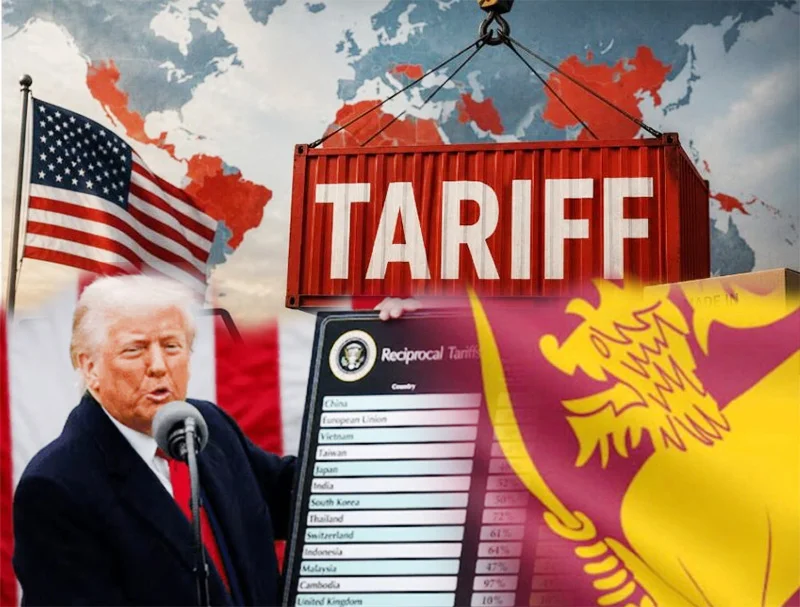
The US has proposed additional duties of 10% or 12.5% on imports from 60 economies, including Sri Lanka, over their alleged failure to curb trade in goods made with forced labour.
The proposal made by US Trade Representative’s (USTR) office in terms of Section 301 unfair trade practices investigation to be released, news agencies reported, pointing out that the Trump administration was seeking to rebuild its emergency tariffs, which were struck down by a US Supreme Court decision in February.
The USTR said it determined that it would impose 10% duties related to the forced labour investigation on imports from Canada, Ecuador, the European Union, Indonesia, Mexico, Pakistan, Argentina, Bangladesh, Cambodia, El Salvador, Guatemala, Indonesia, Malaysia, Taiwan and Britain.
The trade agency said it would impose additional duties of 12.5% on the remaining 45 countries that were investigated.
“The failure of our most important trading partners to address the importation of goods made with forced labour is unacceptable,” US Trade Representative Jamieson Greer said in a statement. “This creates a dynamic where American workers are forced to compete globally on an unlevel playing field.”
According to the trade agency, the USTR found that Sri Lanka has failed to impose and effectively enforce a forced labour import prohibition.
The USTR noted that the results of its investigation indicate that the acts, policies and practices of Sri Lanka related to the failure to impose and effectively enforce a forced labour import prohibition are unreasonable and burden or restrict US commerce.
Accordingly, it has proposed to impose 12.5% additional duties on goods imported from Sri Lanka.
The USTR said it also was proposing a textile mechanism that would allow for a certain volume of apparel and textile imports to enter the US at a reduced tariff rate, though the duties and volumes were not disclosed.
The announcement comes ahead of the July 24 expiration of a 10% temporary tariff imposed by the Trump administration on February 20, the day the Supreme Court struck down US President Donald Trump’s tariffs under the International Emergency Economic Powers Act.
On Monday, the USTR proposed a 25% duty on many Brazilian goods as a result of a Section 301 investigation into the country’s digital trade practices and preferential tariffs. The trade agency is also expected to soon unveil the findings of another major Section 301 probe into the buildup of excess industrial capacity in 16 trading partners, including China.
In the forced labour findings, the USTR said it would exempt from the tariffs a number of products, including energy, rare earths and certain other metals, beef, coffee, certain fruits and vegetables, pharmaceuticals, organic chemicals and aircraft parts.
The USTR said it would accept public comments on the proposed tariffs and other remedies through July 6, with a public hearing scheduled for July 7.

SLC name squads for Tri-Nation ‘A’ series and Four-Day series
SLC name squads for West Indies Emerging Tour of Sri Lanka 2026

ICC delegation visits Bangladesh to ‘review developments linked to the BCB’

Indonesia’s rupiah falls to record low against US dollar

INS Airavat makes port call in Colombo

Netanyahu downplays US-Israel rift after Trump confirms criticism

‘Dates have the highest sugar content to fight Coronavirus’

Sunday Island 27 December – Headlines

#SundayIsland 17th December – Headlines

Sunday Island – 28th March

Sunday Island Headlines – 21 March

Sunday Island – 21st February – Headlines
-
 News6 days ago
IMF urges Lanka not to meddle with exchange rate
-

 News3 days ago
Lankan duo emerge winners in Latin dance championship held in Blackpool, UK
-
 Business7 days ago
Sri Lanka’s construction industry losing ground while no one watches
-

 Business4 days ago
IMF’s unstated rate:Sri Lanka’s $695m loan costs about 5.33% per annum
-
 News6 days ago
State of emergency extended
-

 Features7 days ago
The Division Bell Mystery
-

 Features5 days ago
Are threats to Buddha Sasana external or from within?
-
 News4 days ago
UNP challenges NPP move to amend Vihara – Devalagam Act