
News
China and US fund ambitious Ambuluwawa Cable Car Project


By Samanthi Weerasekera
China and the United States are jointly funding the ambitious Ambuluwawa Cable Car Project, which, once completed, will offer an unparalleled experience, with cable cars operating over a kilometer between two mountains without any support structures.
During a visit to the project site on Saturday (23), Chinese Ambassador Qi Zhenhong said that this project is another symbol of the strengthening bond between Sri Lanka and China. “It is a pleasure to have a Chinese investor involved in such a project that further strengthens the bond between Sri Lanka and China,” the Ambassador said, reflecting on the significant international collaboration.
NDF Kandy District MP Anuradha Jayaratne, Chairman of the Ambuluwawa Board of Trustees, stated that the feasibility study for this project was first conducted 18 years ago. He credited the success of the project to the joint investments from China and the United States. “I would like to gratefully recall that it was possible to turn this dream into a reality because of the investors from China and America,” Jayaratne said.
He said that the first phase of the Ambuluwawa Cable Car Project, scheduled for completion later this year, is expected to provide a unique travel experience for visitors. Passengers will embark on a 600-meter cable car journey from the entrance gate of the Ambuluwawa Religious and Biodiversity Complex to the summit of Ambaluwawa Mountain. From there, a thrilling 1.2-kilometer ride will take them unsupported to the Ambuluwawa Tower, offering breathtaking views and a glimpse into Sri Lanka’s natural beauty.
Jayaratne noted that the second phase of the project will extend the cable car line to the Gampola Railway Station. This addition will provide a seamless connection for foreign tourists travelling by the Badulla train and those heading to Nuwara Eliya, allowing them to experience Sri Lanka’s first-ever cable car ride. The second phase will not only enhance tourism but is also expected to transform Gampola into a world-class tourist and commercial hub.







More than 108,000 complaints of child abuse had been received by the National Child Protection Authority (NCPA) between 2015 and 2025, Women and Child Affairs Minister Saroja Savithri Paulraj told Parliament yesterday.
Responding to a question raised by Opposition Leader Sajith Premadasa under Standing Order 27/2, the Minister said 4,421 child abuse cases were pending before High Courts as of April 30 this year, with indictments already filed against the accused.
She said the NCPA was working with 47 Police Child and Women Protection Bureaus under the Police Children and Women Abuse Prevention Division to expedite the hearing and conclusion of these cases.
The Minister said measures were also being taken to protect child victims during legal proceedings by introducing a system to record their evidence through video in a safe and child-friendly environment, thereby reducing the need for them to appear in court.
She said discussions were underway with the Ministries of Health and Mass Media and other relevant institutions to establish nine provincial video evidence recording units.
by Saman Indrajith ✍️
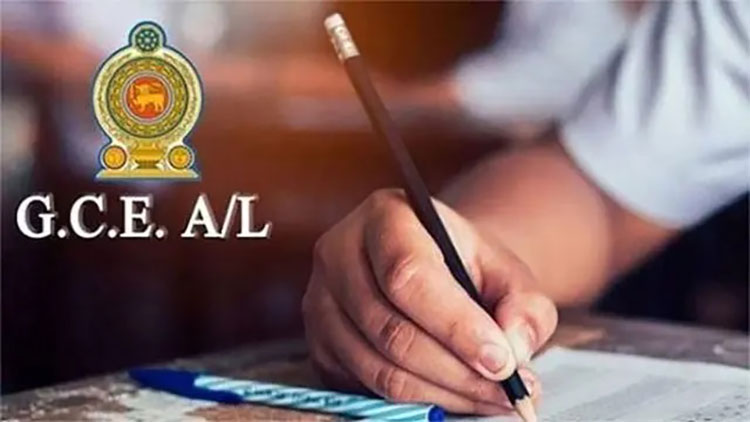
The Court of Appeal yesterday dismissed a writ petition seeking to postpone the 2026 G.C.E. A/L Examination by two months.
The petition, filed by a group of students due to sit the examination for the first and second time, sought an order delaying the examination, which is scheduled to commence next month.
The Court announced its decision after considering submissions made in support of the application and declined to grant leave to proceed with the petition.
As a result, the 2026 G.C.E. Advanced Level Examination will be held as scheduled in August.
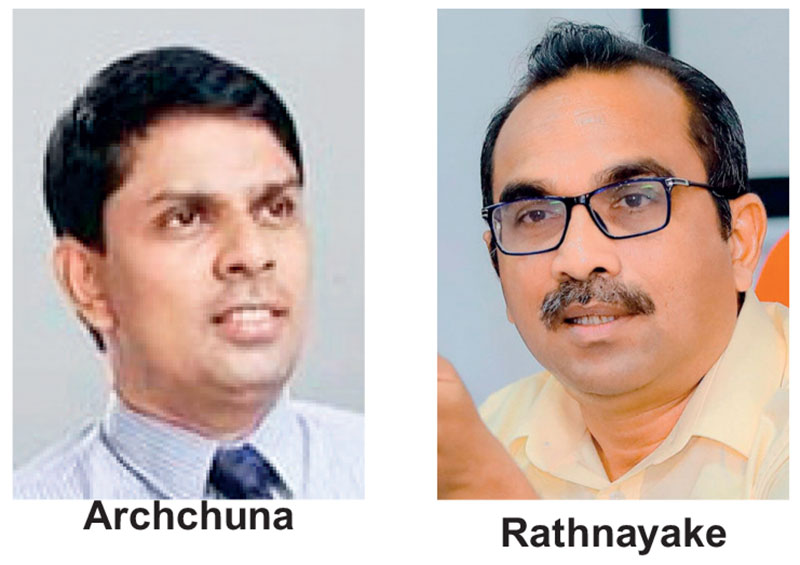
Leader of the House and Minister Bimal Rathnayake yesterday criticised the conduct of MP Archchuna Ramanathan in Parliament, describing the behaviour of certain lawmakers as “uncivilised, disgraceful and indecent”, while a heated exchange followed between government and opposition members.
Rathnayake made the remarks when Ramanathan attempted to raise a point of order during parliamentary proceedings.
“This parliament has one or two members who behave in a very uncivilised, disgraceful manner. We tolerate them because one of them is mentally ill,” Rathnayake said.
He alleged that Ramanathan had insulted even members of the Tamil community.
“The things he says may not be heard through the microphone, but the four walls of this Parliament are witnesses,” Rathnayake said, adding that Ramanathan’s conduct was not limited to Parliament.
He claimed that the Jaffna District Coordinating Committee meeting could not be held due to Ramanathan’s behaviour and said MP Gajendrakumar Ponnambalam had written to the Speaker stating that he could not sit near him.
The Speaker intervened during the exchange, warning Ramanathan not to behave in a manner that would turn Parliament into “a joke”. He also said the MP had previously addressed him in an insulting manner.
Opposition Leader Sajith Premadasa criticised the manner in which Rathnayake and the Speaker had addressed the matter, saying MPs should not be spoken to improperly and urging members to follow parliamentary Standing Orders.
Ramanathan, responding to the remarks, said: “I may be a psycho, but I am not a homosexual.”
by Saman Indrajith ✍️

Sheikh Hasina ally resigns as Bangladesh’s president

Oil prices hit $100 for the first time since May

US hits dozens of trading partners with new wave of tariffs

Arachchige, Rathnayake and Malinga pump Jaffna

Hermann, Liyanage and Mujeeb steer Colombo Kaps to a 23 run win

Showers expected in the Western and North-western provinces and in Galle and Matara districts

‘Dates have the highest sugar content to fight Coronavirus’

Sunday Island 27 December – Headlines

#SundayIsland 17th December – Headlines

Sunday Island – 28th March

Sunday Island Headlines – 21 March

Sunday Island – 21st February – Headlines
-
 Features6 days ago
Two memorable excerpts from a former SLAF commander’s memoir
-
 Business6 days ago
‘Giving up was never an option’: The fisherman who fought back after losing millions in SL
-
 Latest News6 days ago
Davis cup Asia/Oceania Group IV 2026 to be held in Colombo from 20th to 25th July
-
 Life style6 days ago
Taste of the Swiss Alps comes to Colombo
-

 Features6 days ago
Erdoğan’s New Republic
-
 Midweek Review3 days ago
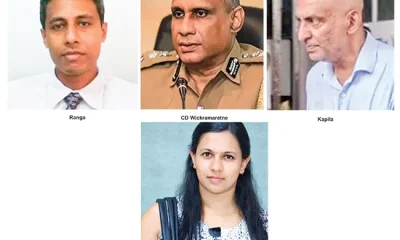
Three high-profile alleged suicides shaping key investigations
-
 News7 days ago
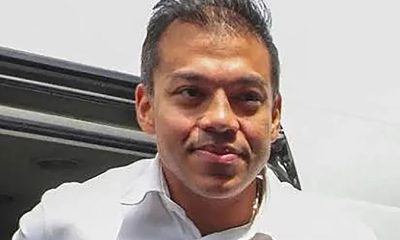
Evidence recorded in money laundering case against Yoshitha Rajapaksa
-
 News7 days ago
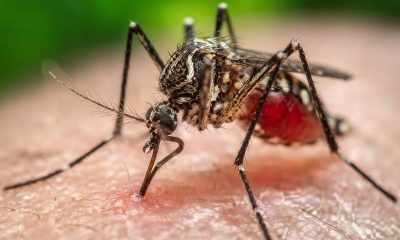
Dengue outbreak gallops ahead: Infections surpasses 73,455, leaving 50 dead