
Life style
Human – Elephant Conflict Is Rising in Sri Lanka

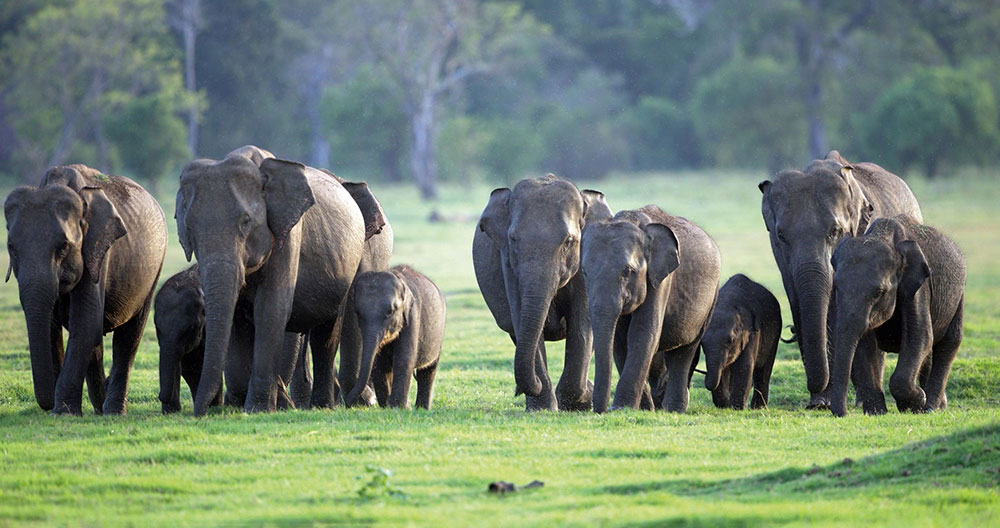
Driven from their original habitats, the animals are raiding crops and being killed by frightened farmers, but conservationists are piloting better ways to coexist
In Makulpotha village, 89 miles northwest of Colombo, Punchibanda woke up to the trumpet of an elephant while he was sleeping in a small wooden hut built on a tree beside his vegetable farm. Fearing that the elephant could destroy his harvest of pumpkins, melons and eggplants, Punchibanda rushed to chase it away. But he could not guard his produce, and instead lost his life.
The large bull elephant charged toward the 62-year-old, who fainted out of fear; the animal crushed him to death. Over a year later, villagers still live in fear as they struggle to protect their crops from wild elephants.
Historically, elephants and humans lived in harmony in Sri Lanka. When the farmers were done harvesting their fields, they would allow elephants to feed on the stubble. But deforestation, haphazard cultivation methods and massive development projects have led to increasing human-elephant conflict in the country. Sri Lanka has the highest number of elephant deaths caused by conflict with humans, and second-highest number of human deaths caused by elephants. In 2022 and 2023, over 800 elephants in Sri Lanka died.
In a bid to balance population density across the country, people have been relocated to areas with a high density of elephants. The animals are forced to live in protected wildlife parks that have limited resources. They venture into nearby villages looking for food and water, which leads to the destruction of crops, causing the farmers to employ violent methods to get rid of them.
In other instances, elephants would get aggressive and attack farmers. If you pluck someone who lives in a town and tell them to live in a village, they would not know how to coexist with the wildlife; they would carry the fear and treat them with aggression, said Zaineb Akbarally, vice president of the Wildlife and Nature Protection Society.
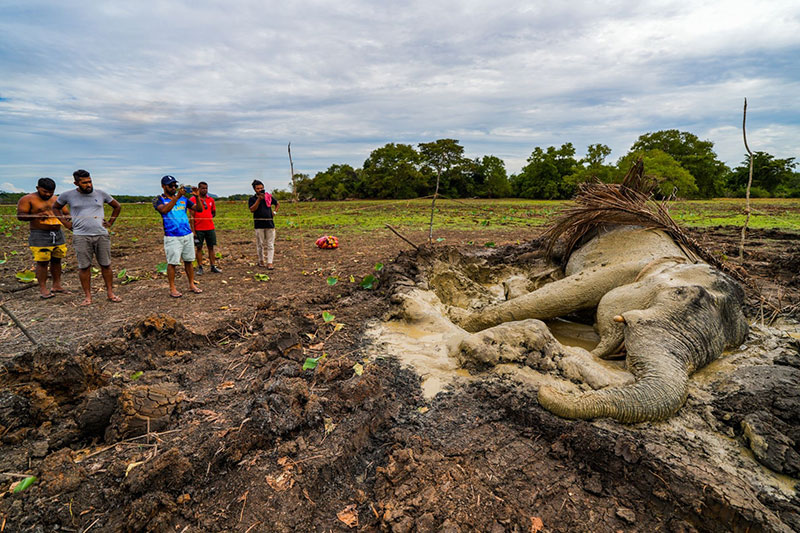
People visit a sick wild elephant in Thirappane, Anuradhapura, Sri Lanka
Sri Lanka is home to a subspecies of endangered Asian elephants and had a population of over 5,000 elephants in 2011, according to a government survey. But Akbarally doesn’t think that s an accurate number since it is difficult to count elephants in the wild, and numbers appear to have been in decline. “We’ve pretty much lost all the elephants in the central highlands,” she said, adding that only one herd remained in the Peak Wilderness nature reserve and two elephants in Sinhraja, the country s last primary rain forest, that had previously belonged to bigger herds.
Elephants have been sacred to both Hindus and Buddhists in Sri Lanka and were considered a symbol of pride to ancient rulers, who employed them in battles. To this day, domesticated elephants play a key role in Esala Perahera, an annual Buddhist cultural and religious procession, where they carry a replica of Buddha s tooth relic (the holiest religious relic for Sri Lankan Buddhists) in a casket, caprisoned in extravagant sequin-embroidered outfits accompanied by fire performers, drummers and dancers in Kandy. However, wildlife activists allege that elephants are tortured by mahouts to perform during the procession.
Elephant populations in Sri Lanka started to fall during colonial rule as the Portuguese, Dutch and then the British captured them for export. Historical records also suggest that the British killed over 5,000 elephants in 15 years as they hunted them for sport. But after independence in 1948, as infrastructure projects started getting built in the country to provide land to the landless and reduce population density, forest cover was cleared and new farmlands were created next to the elephant habitats, which laid the ground for the current conflict.
In response, local authorities started fencing elephants inside protected wildlife parks. But two-thirds of the home ranges of wild elephants, which included their feeding, watering, mating and resting sites, lay outside these parks. This also led to overcrowding, and elephants ventured into villages. Many died of starvation or became malnourished.
Currently, there are 26 national parks in Sri Lanka, and most elephants live in the large ones such as Yala, Wilpattu, Udawalawe and Minneriya. But in a 2019 survey, conservationists found out that while humans lived in 70% of these elephant ranges, only 18.4% of the elephant ranges were in those protected parks.
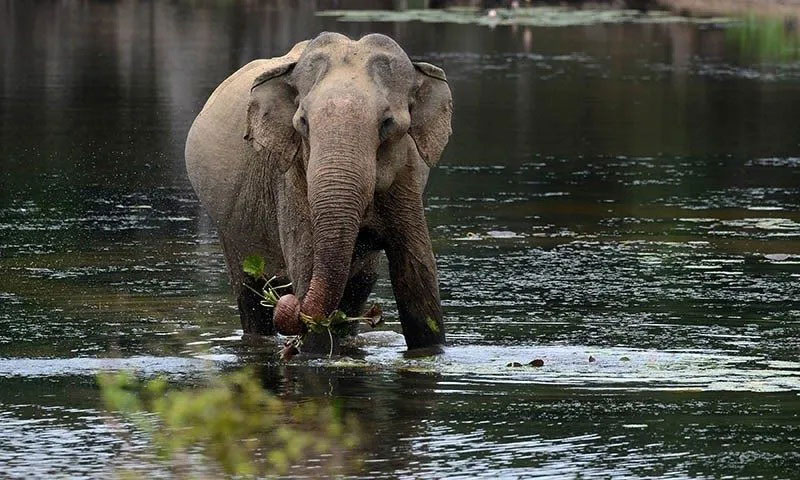
Meanwhile, farmers were growing crops like sugarcane, rice and vegetables that elephants loved to eat, so they would raid and destroy the crops and knock down houses in the process. Farmers, who are often impoverished and vulnerable, tended to retaliate by shooting at them or bursting firecrackers. Between January and April of 2023, 38 elephants were shot dead in Sri Lanka, according to the Department of Wildlife Conservation.
Villagers also use jaw bombs to drive elephants away. To make these, they pack gunpowder and metal scraps with fodder and hide them inside watermelons and pumpkins, which detonate when bitten. While these instantly kill smaller animals, they end up wounding large animals like elephants or shattering their jawbone so they can no longer eat or drink and suffer a slow, painful death with injuries. In 2022, as many as 55 wild elephants died due to this explosive bait.
Christy Nikson, 36, a farmer in Thikkodai village in eastern Sri Lanka, uses a small, low-voltage electric fence to guard his farm, but it offers little to no help now. Elephants are smart. When they see the fence, they cover it with dry wood, step on it, and come to our paddy fields, he said. For six to eight months every year, when water is scarce, Nikson and the villagers have to battle with elephants every single day. Elephants also know the smell of wheat flour. And they love it, Nikson said. When we have flour or roti in our kitchens, they try to enter from our backyards, try to break into our homes, and take the food using their trunks.
It is a very painful situation for low-income rural communities at the heart of this conflict, according to Akbarally. The crops are their bread and butter, it s their livelihood. Suddenly, animals come and destroy your livelihood. We haven’t given people a sense of security either, she said. If there s some sort of compensation when farmers lose their crops, it can at least mitigate the animals being shot and killed.
While the government did introduce an insurance scheme in 2013 to cover elephant damage to crops, farmers complained it was difficult to claim the funds or that the coverage was limited. Pritiviraj Fernando, chairman of the Centre for Conservation and Research, explained that it s challenging to verify crop loss caused by elephants. If a farmer is not happy with the compensation, they can even encourage elephants to come and eat the crops. So these programs are very difficult to implement, he said, adding that the situation leads to distrust between farmers and local authorities.
Sri Lanka s three decades of civil war also had an impact on conflict between humans and elephants. When the war was underway in the northern and eastern regions, it forced people to flee their homes and abandon their farmlands. With limited human activity, wild elephants started venturing into these areas again. However, as many people started resettling in their villages after the war ended in 2009, it worsened conflict with the elephants.
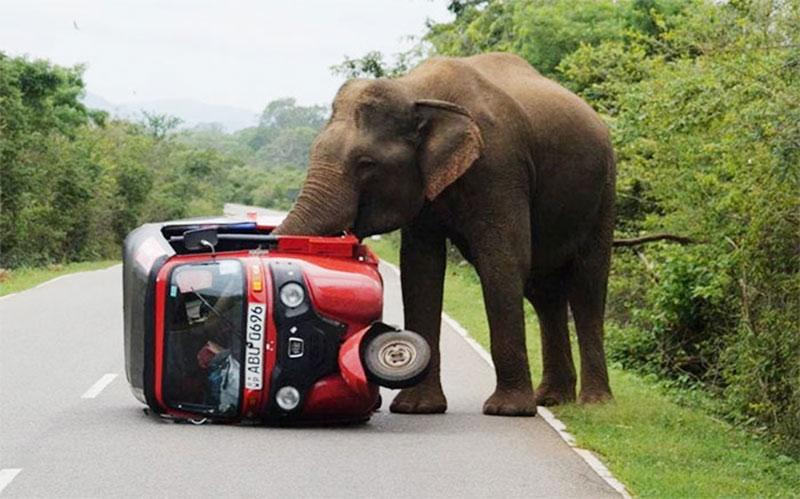
Meanwhile, over the last few decades the government’s response has been a repeat of the past, as they have forced more elephants into smaller pockets of forest cover creating unsustainable conditions. They do this through elephant drives, which involve hundreds of people walking through the forest and chasing elephants away by making different kinds of noises, firing thousands of firecrackers or shooting at the sky. Electric fences are also erected on the boundaries of these protected areas so that elephants cannot return.
Yet often these elephants do end up returning to the villages. For instance, when shrublands were cleared for the Mahaweli Development Project a program that began in the 1960s, covering 39% of the country s area, aiming to develop agricultural land and create hydroelectric power facilities the wildlife department conducted a large elephant drive to move 130 elephants into the Wilpattu National Park, but about 50 of them returned.
Over 100 ended up returning after 150 elephants were driven into the Maduru Oya National Park in 1988. While the authorities haven’t done any major drives since 2006, they conduct smaller ones when people complain. But these kinds of drives only increase the aggressiveness of elephants and subject them to severe stress, said Fernando.
While young calves and adult females live in herds, adult males lead a solitary life. And it s often these bull elephants that raid crops and cause human deaths, injuries and damage to property. Over the years, researchers have found that while elephant drives chase away some of the herds they do not drive away the aggressive, solitary males.
Later on, when the Sri Lankan government realized they could not fence wild elephants, they started building holding grounds to retain and rehabilitate them. But conservationists believe that these grounds do not hold enough food for elephants. Audit reports have also revealed mismanagement of funds allocated for feeding elephants. Out of the 65 elephants that were housed at the first holding ground in Horowpathana National Park, 16 of them died in the first six years due to malnutrition. A few were shot dead while trying to escape the grounds. Irrespective of these concerns, the government is planning to build another holding ground in southern Sri Lanka.
“Almost half of the country is now shared by elephants and humans. So it shows that the attempt to limit elephants to protected areas has completely failed and it s not an option,” said Fernando.
Looking for ways to mitigate the conflict, Fernando and his team have been testing community fencing initiatives across villages in the country. They’ve been experimenting with different kinds of electric fences to be placed around farmland to protect human habitats, as opposed to national parks which limit elephants access to sites of food and water. These fences were removed after cultivation and animals were allowed to pass through the farmlands, which, Fernando said, reduced conflict and safeguarded crops.
But small organizations can only show the way, said Fernando. Initiatives have to be planned and implemented by the government. The government has always announced plans and appointed committees but no action has been taken on the ground. Just last year, Pavithradevi Wanniarachchi, the Minister of Wildlife and Forest Resources Conservation, said that a new policy would be formed to address the conflict, but there has been no follow-up to that statement since then.
“We need to make the right policy and governance decisions,” Akbarally said. “Instead, we are creating more conflict by setting up more and more infrastructure developments, constantly cutting down forests and putting more pressure on these animals. It s not like the elephants come out and decide one day , ‘let s go to war with humans.’”
By Zinara Rathnayake
(New Lines Magazine)

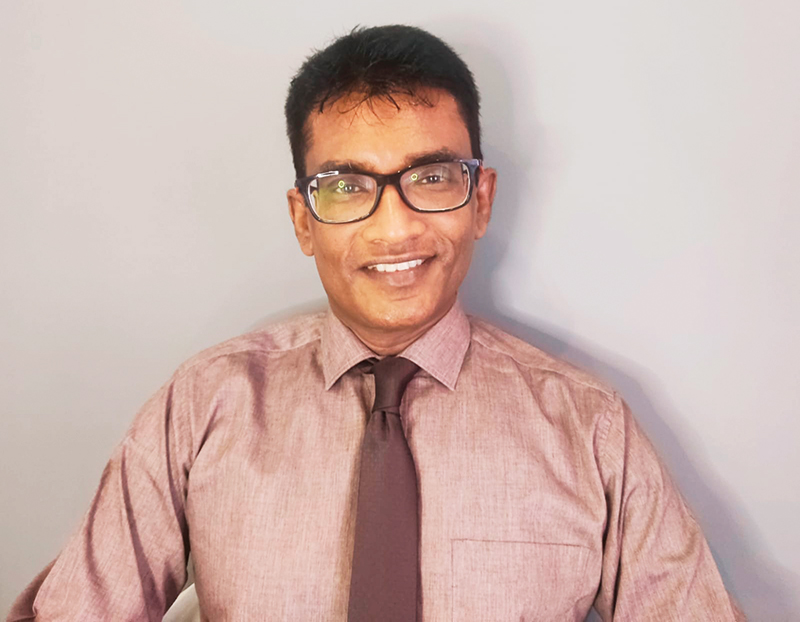
Senior Consultant Cancer Surgeon Dr Anuruddha Thewarapperuma on…
 In a timely and though-provoking session held at Apeksha Hospital, Senior Consultant Cancer Surgeon Dr. Anuruddha Thewarapperuma addressed one of the most pressing health concerns facing modern society, the growing prevalence of cancers and the importance of early detection.
Speaking to the ‘ Sunday Island,’ Dr Anuruddha stressed that awareness and timely medical intervention continue to be the strongest weapon in the fight against cancer. In Sri Lanka many cancer patients still arrive at hospitals during the advanced stages of illness, but the role of awareness, early detection and compassionate medical care has never been more vital to most patients.
Speaking on the growing burden of cancer in Sr Lanka, Dr Anuruddha stressed that one of the biggest challenges we face is delayed diagnosis. Many patients first seek treatment from family doctors, or attempt to ignore symptoms, often believing they are a minor health issue. By the time they meet a specialist, the disease may already be in an advanced stage
Cancer is no longer a disease affecting the old, he explained. Today we see younger patients, as well, especially with breast cancer, colorectal cancer, and lung and oral cancer
Dr Thewarapperuma, who specialises in complex cancer surgeries, including breast, colorectal, pancreatic and lung cancers, highlighted that breast cancer remains one of the most common cancer among women in Sri Lanka. He urged women to undergo regular screenings and immediately seek medical advice if they notice unusual lumps, skin changes or discharges. Colorectal cancer, another rapidly rising concern, often begins with silent symptoms. He pointed out that warnings signs, such as changes in bowel habits, rectal bleeding, unexplained weight loss and persistent abdominal discomfort, should never be ignored. Lifestyle changes, unhealthy diets, and lack of excercise, are among the contributing factors behind the increasing numbers.
With Sri Lanka witnessing a steady rise in cases of breast cancer, colorectal lung and oral cancers, he noted many lives could be saved through routine screenings and greater public education. He said that we must not only be aware of medical facts but also on changing attitudes towards cancer.
He explained that fear, stigma and misinformation often prevent patients from seeking treatment early.
Cancer, detected early, can often be treated successfully, he emphasised, encouraging the public to pay attention to warning signs and prioritise regular health check-ups.
According to the veteran surgeon, the impact of modern lifestyles specially fast foods, smoking, dietary habits and environment influences are contributory factors. Many patients walk into my room frightened, not knowing what the future holds. Dr Thewarapperuma explained, some men and women worry about their children, some fear of losing thier identity, while others are terrified simply because of the word cancer itself. He stressed the emotional healing is just as important as medical treatment. Dr Thewarapperuma noted that not only the patient even families also experience emotional strain .
He said different cancers affect patients emotionally in different ways, yet fear and uncertainty remains common to all.
Speaking further on breast cancer, he said it remains one of the most common cancers affecting women worldwide and in Sri Lanka. Many women initially struggle with shock and insecurity. They are emotinally shattered, He maintained with early diagnosis and medical treatment many cancer patients go on to lead healthy and confident lives.
He always focussed on the fact that early detection and timely treatment are crucial in improving survival rates and ensuring better quality of life for the patient. Breast cancer can often be treated successfully if detected early, he noted. Women should never ignore changes in their breasts, even if there is no pain
He encouraged women to become familiar with their own bodies, through regular self examinations. Common warning signs are a lump, changes in breast shape or size,,nipple discharge, a lump under the arm are a few symptoms women should be aware of.
He noted awareness, education and regular screenings and mammograms continue to play a vital role in reducing risks and improving survival rates.
Dr Thewarapperum also highlighted the growing incidence of colon cancer which is becoming increasingly common in Sri Lanka, yet many people are unaware of its early warning signs. This cancer is common among middle aged and older adults.
Symptoms such as persistent abnominal pain, changes in bowel habits, unexplained weight loss, blood in stools and ongoing fatigue should never be ignored
According to the Senior Consultant, many patients delay in seeking medical attention; they panic only after the disease reaches an advanced stage.
Talking about oral cancers, it continues to be one of the most common cancers in Sri Lanka, largely due to lifestyle habits, such as smoking, betel chewing and excessive alcohol consumption.
Colon cancer, is more frequently diagnosed in individuals above the age of 50.
Nevertheless youngest individuals, with unhealthy lifestyle habits, are also increasingly at risk
Also speaking about lung cancers Dr Thewarapperuma said this cancer affects both men and women and remains one of the leading causes of cancer-related deaths.
He warned that even non-smokers are now at risk due to increasing exposure to harmful pollution.
According to him, many cancer patients seek medical attention, only at the advanced stage, because early symptoms are often overlooked by most people.
Despite these challenges, he expressed confidence in the advances made in cancer treatment in Sri lanka. Modern technology, improved surgical techniques,and multi disciplinary care have significantly improved patient outcomes and survival rates
However, delayed diagnosis among patients in Sr Lanka continues to remain one of the biggest challenges in cancer management.
Dr Anuruddha highlighted throughout our discussion the importance of early diagnosis significantly have higher success rates and better quality of life, after treatment.
Apeksha Hospital’s multi disciplinary approval to cancer management combining experienced consultants, advanced surgical procedures, diagnostic facilities and personalised patient care, has contributed positive treatment outcome across several common cancers including breast, colon, oral, lung and other cancers.
Dr Thewarapperuma explained that modern cancer care are not limited to surgery alone.
Timely screening, accurate diagnosis, coordinated specialist care and emotional support, all play a major role in successfull recovery.
“We at Apeksha Hospital continues to focus on patient centred treatments while creating awareness on prevention and early detection through educational programmes and medical discussions.
We remain committed to offer hope, confidence and quality healthcare to patients facing cancer diagnosis.
His message to the public was clear – awareness, early screening, and timely medical attention remains the strongest weapons in the fight against all kinds of cancer. He says cancer, when detected early, is no longer a battle that must be faced without hope and this disease is not the end of life either. Early detection saves lives and emotional strength gives patients the courage to continue their journey, said this well known Senior Consultant Cancer Surgeon. He is attached to several leading hospitals, including the istitute at Maharagama (Apeksha Hospital) and also Hemas and Asiri Surgical hospitals.
By Zanita Careem
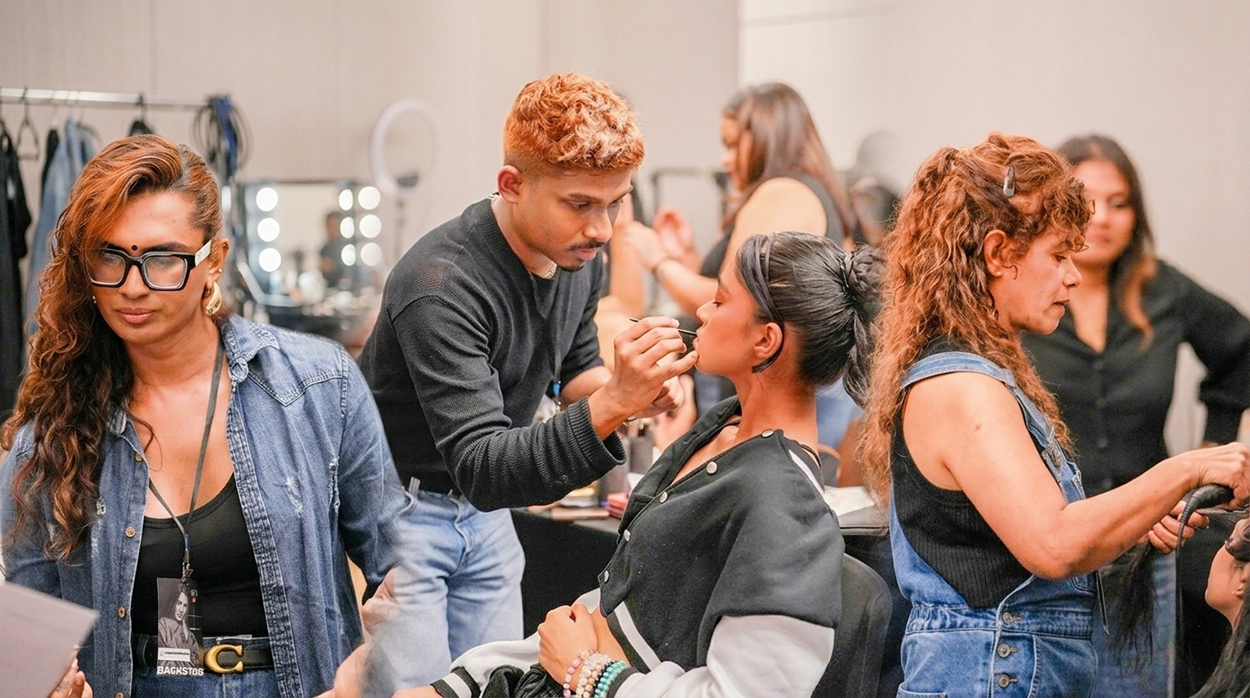
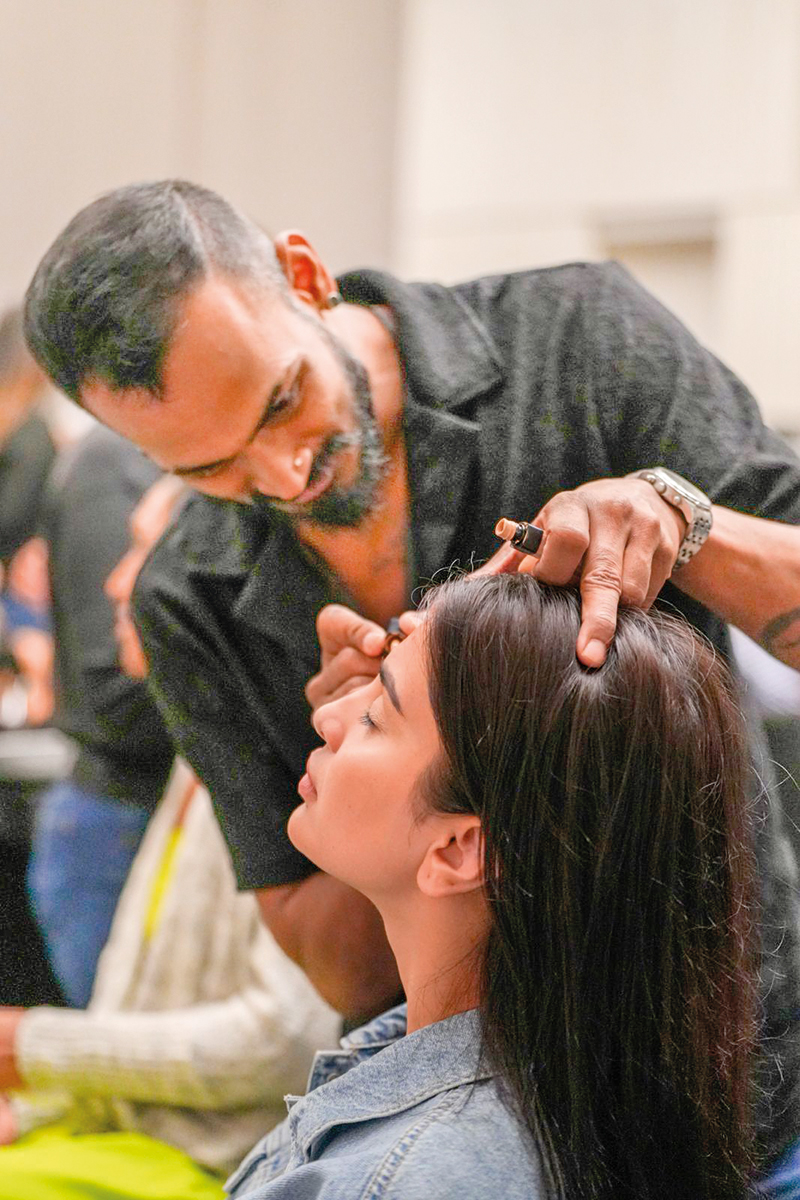
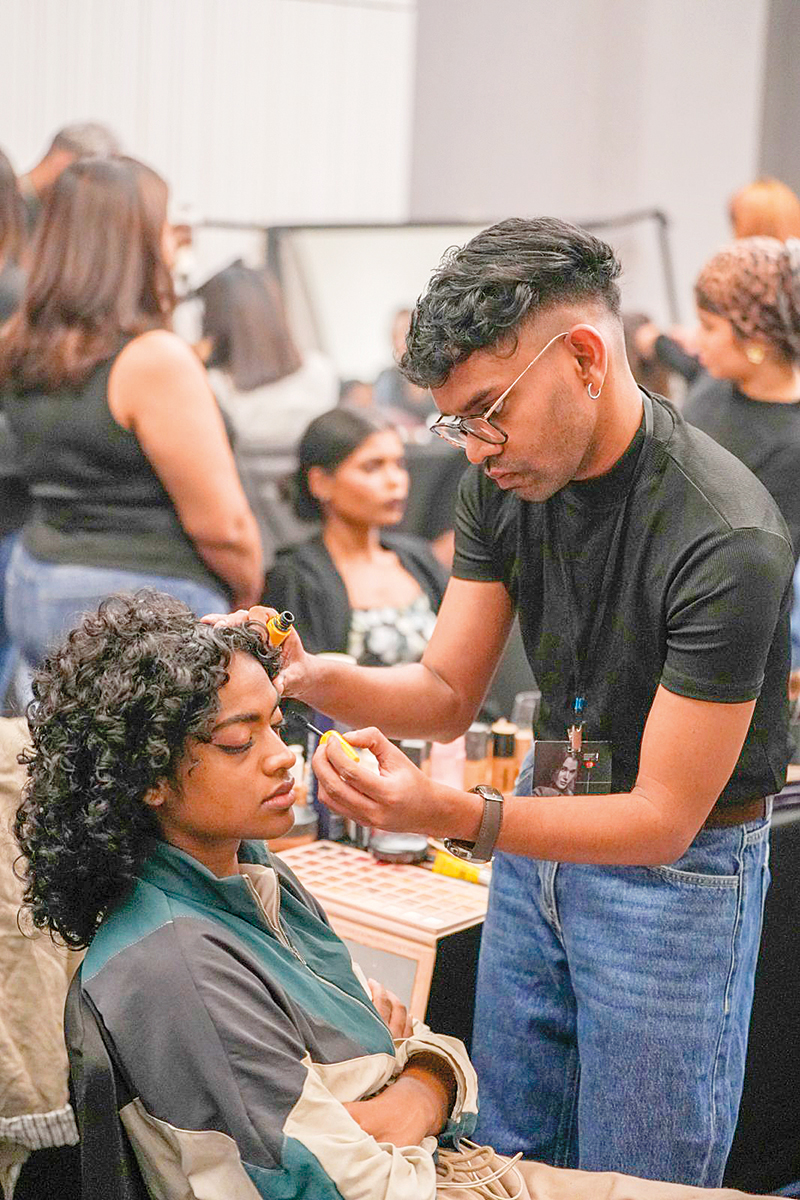
While the spotlight at Colombo Fashion Week shines brightly, dazzling couture and celebrated designers, the true heartbeat of the event often lies behind the curtains. Backstage is where creativity meets pressure, precision and passion, a world powered by hairstylists, makeup artists, dress designers, choroegraphers and production teams work tirelessly against the clock.
At Colombo Fashion Week, the spotlight may belong to designers, but just behind the runway lights, another story unfolds – one of precession, pace and transformative artistry.
At the heart of it all stands Ramani Fernando, the quiet force who has shaped the face of fashion in Sri Lanka for decades. Long before the first model takes her stride, Ramani Fernando and her team are already at work. Backstage is a flurry of motion, hair dryers humming, brushes sweeping, palettes opening and closing in rhythm. Yet amid the chaos there is a remarkable sense of order. That order is Ramani. For years, she has been the official hair and beauty partner of Colombo Fashion Week, curating looks that not only complement but elevate each designer’s vision. Whether it is sleek, pulled back aesthetic for a structured collection or wild textured volume for a more experimental line her work ensures that beauty becomes an extension of fashion.
The crew of CFW is more than a just a team comprising some of the country’s most skilled stylists and make up artistry. Many of them trained in her own academy, the crew operates under intense pressure with seamless co-ordination.
“A single show can demand dozens of looks in a matter of hours. Multiple designers each with a distinct creative direction, rely on the team to interpret and excute their vision and precision. Timing is everything. There are no second takes. Every strand of hour, every stroke of make up must be fearless before the model steps onto the runway. And yet what stands out is not finish , nor the speed, but the consistency said Ramani. Colombo Fashion Week has increasingly positioned itself on the global fashion map, and beauty plays a crucial role in that evolution. Each season, Ramani Fernando’s team introduces looks that are not only trends driven but often trend-setting within the local industry.
In the end, the curtain does not just hide preparation,it protects the chaos,creativity,and colloboration that make the final moment possible.
-
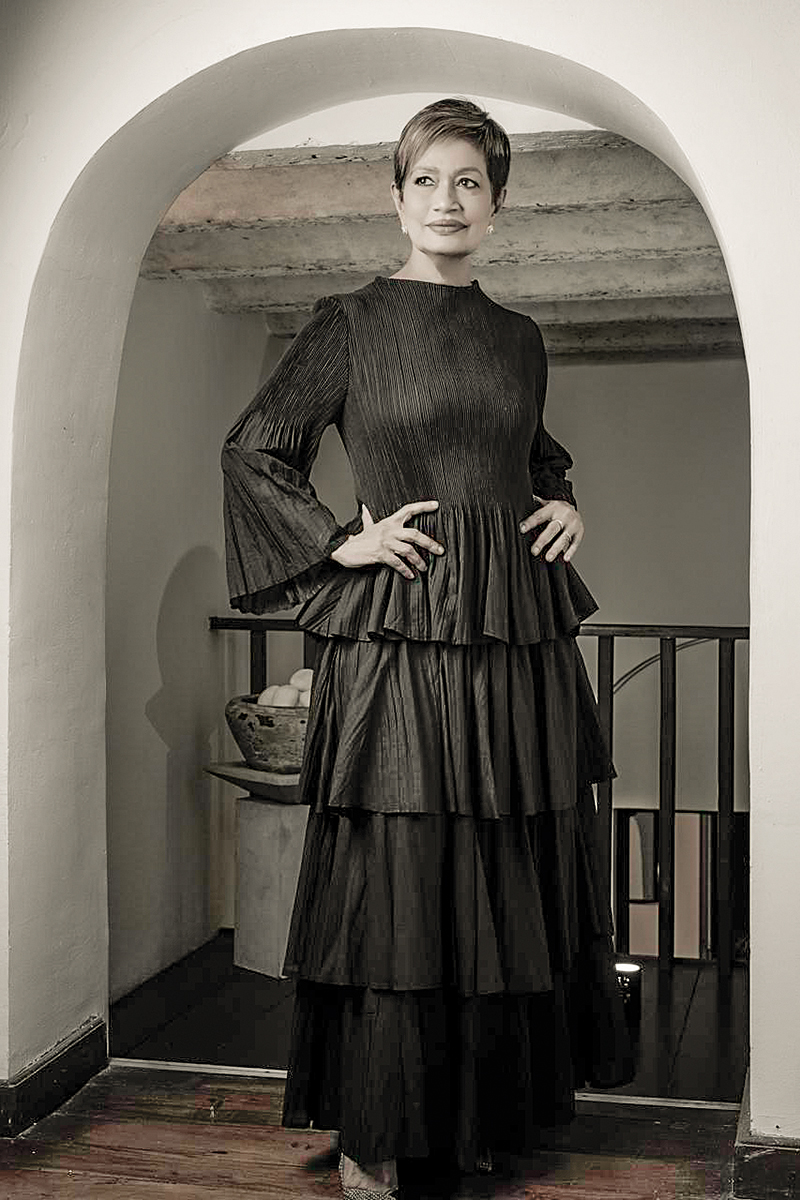
- Crafting confidence behind the curtain
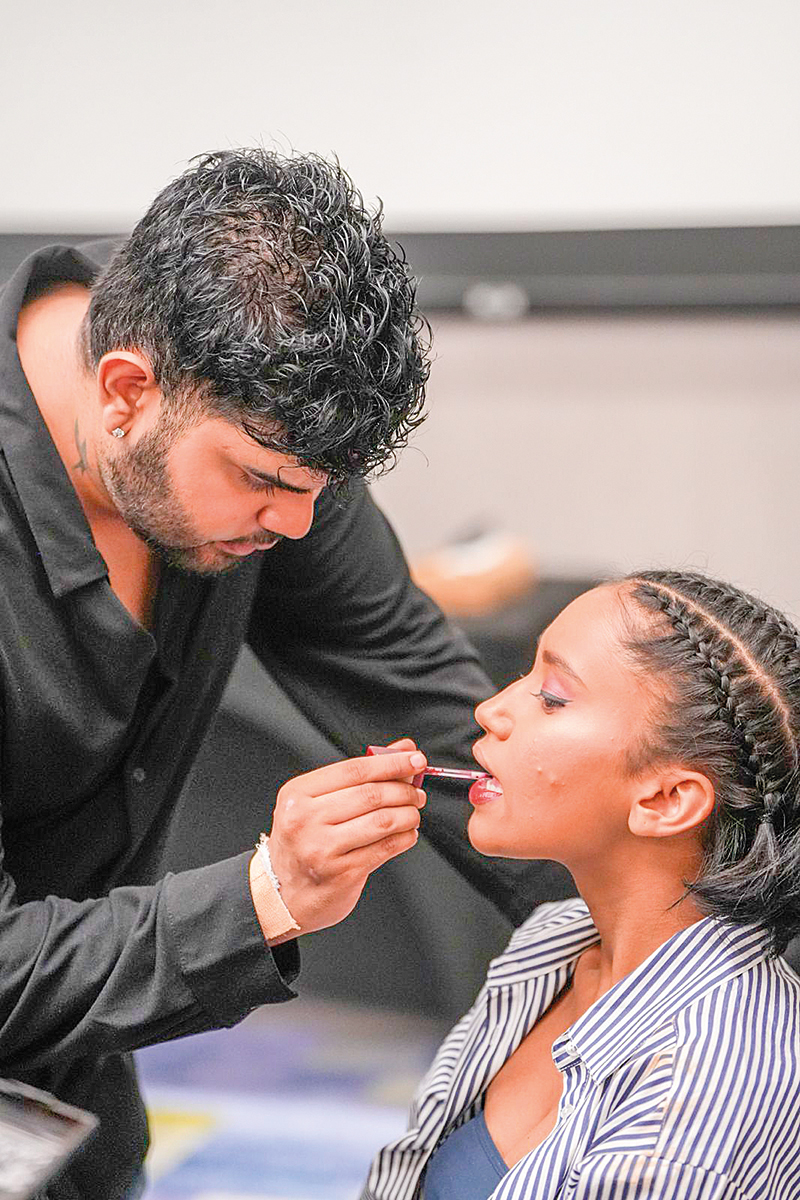
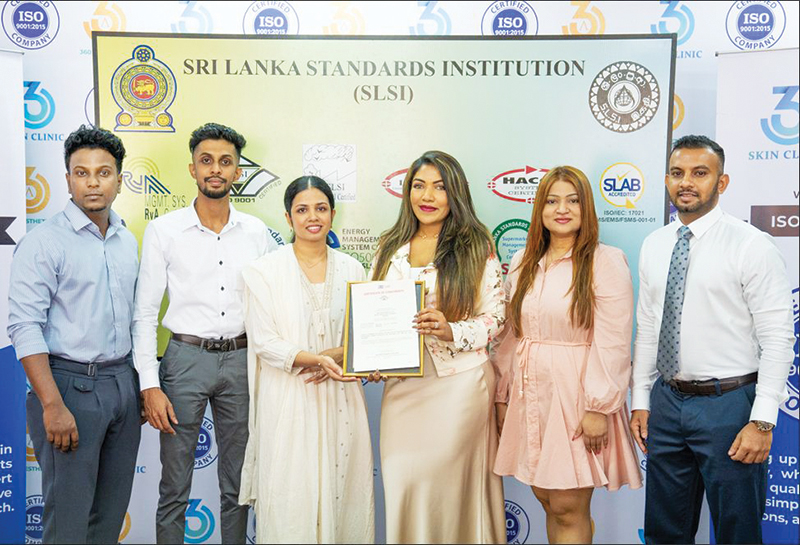
Dr Sarah Fazy, also known as Dr Cherry, recently marked a major professional milestone by recieving the ISO certification. It is more than a professional achievement – it is a statement of discipline, vision and modern excellence in aesthetic medicine.
360 Skin Clinic & 360 Aesthetics has achieved a significant milestone in its journey of clinical excellence and service innovation after being awarded the prestigious ISO 9001:2015 / SLS ISO 9001:2015 certification, reinforcing its position as one of Sri Lanka’s leading providers of cosmetic, aesthetic and wellness care.
Issued by the Sri Lanka Standards Institution (SLSI), the certificate of conformity recognises that 360 Wellness Centre (Pvt) Ltd., has successfully implemented a Quality Management System that meets the rigorous international standards of ISO 9001:2015, one of the world’s most respected benchmarks for quality assurance and continual improvement.
Founded by renowned cosmetic and aesthetic physician Dr Sarah Fazy, widely known as Dr Cherry, the 360 brand has built a reputation for combining medical expertise with personalised care, advanced technology and a strong commitment to client wellbeing. Over the years, the clinic has expanded its services while maintaining a steadfast focus on ethical practice, innovation and trusted results.
Commenting on the certification, Dr. Sarah Fazy, Founder of 360 Skin Clinic & 360 Aesthetics, said “This certification is a proud moment for our entire team and a reflection of the standards we strive to uphold every day. Quality care, patient safety and professional excellence have always been at the heart of our vision. Achieving ISO 9001:2015 recognition validates our commitment to delivering world-class services to every client who places their trust in us.”
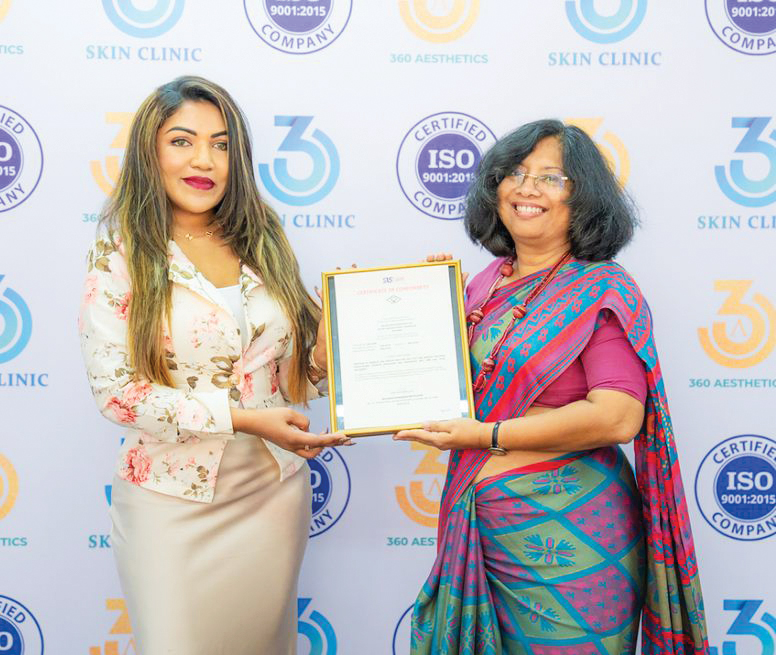
Dr. Sarah Fazy receiving the ISO 9001:2015 certification
The achievement marks a new chapter for 360 Skin Clinic & 360 Aesthetics, ensuring that every treatment, consultation and customer interaction is guided by internationally recognised processes focused on consistency, safety, efficiency and patient satisfaction.
ISO 9001:2015 is a globally recognised framework developed by the International Organisation for Standardisation (ISO). It provides organisations with a structured model to enhance operational efficiency, maintain consistent service quality and continually improve customer experiences.
Dr. Sarah further stated, “At 360 Skin Clinic & 360 Aesthetics, we believe beauty and wellness should be approached with responsibility, precision and compassion. This milestone motivates us to continue raising the bar in aesthetic medicine and wellness care in Sri Lanka.”
For 360 Skin Clinic & 360 Aesthetics, the certification demonstrates its commitment to delivering dependable, high-quality services, maintaining robust quality control systems, continuously improving internal processes, ensuring transparency, accountability and professionalism, and prioritising patient safety and satisfaction.
The certification scope covers a broad portfolio of services, including medical and cosmetic skincare, haircare solutions, aesthetic consultations, facial treatments, cosmetic procedures, nail care, surgical enhancements and hair transplantation services.
This recognition provides customers with added confidence that they are receiving care aligned with internationally accepted standards, delivered by trained professionals using advanced techniques and modern technology.
Since its inception, 360 Skin Clinic has been driven by a mission to redefine beauty, wellness and self-care in Sri Lanka. What began as a visionary concept has evolved into a trusted brand supported by a multidisciplinary team of specialists dedicated to helping clients look and feel their best.
The clinic is known for conducting detailed consultations and personalised assessments to create bespoke treatment plans tailored to individual skincare and wellness goals. Its medical aesthetic team continues to invest in state-of-the-art technology and evidence-based treatments to remain at the forefront of the industry.
With the attainment of ISO 9001:2015 / SLS ISO 9001:2015 certification, 360 Skin Clinic & 360 Aesthetics strengthens its promise to deliver elevated care, trusted results and a standard of excellence clients can feel confident in.
-
 News5 days ago
Ex-SriLankan CEO’s death: Controversy surrounds execution of bail bond
-

 Features1 day ago
Sri Lankan Airlines Airbus Scandal and the Death of Kapila Chandrasena and my Brother Rajeewa
-
Features6 days ago
High Stakes in Pursuing corruption cases
-

 Features6 days ago
When University systems fail:Supreme Court’s landmark intervention in sexual harassment case
-

 News2 days ago
Lanka’s eligibility to draw next IMF tranche of USD 700 mn hinges on ‘restoration of cost-recovery pricing for electricity and fuel’
-
 Midweek Review5 days ago
A victory that can never be forgotten
-
 Features3 days ago
Mysterious Death of United Nations Secretary General Hammarskjöld
-

 Opinion4 days ago
Electricity tariffs have skyrocketed: Can further increases be prevented?