
Latest News
SpaceX rocket launches private missions to Moon

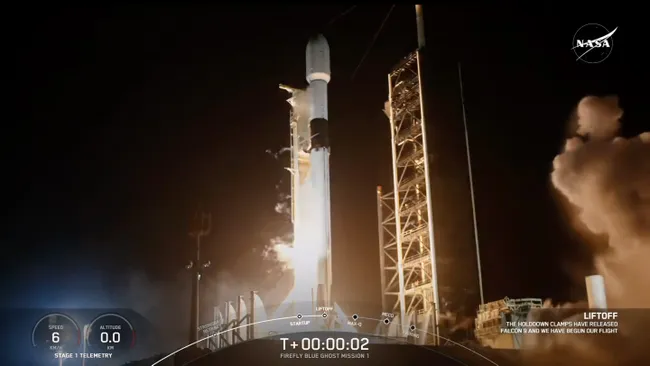
Two lunar landers built by private companies in the US and Japan have left Earth aboard a SpaceX rocket as part of a ride share to the Moon.
The Falcon 9 took off from the Kennedy Space Center in Florida at 01:09 local time (06:09 GMT) on Wednesday, carrying landers belonging to America’s Firefly Aerospace and Japan’s ispace.
The landers will eventually separate once they reach the Moon’s orbit and conduct independent explorations.
They are the latest in a growing number of commercial missions to the Moon.
Firefly’s rover, Blue Ghost, is expected to take about 45 days to reach the Moon, once it has separated from the SpaceX rocket.
It will then drill, collect samples and also take X-ray images of the Earth’s magnetic field to “advance research for future human missions on the Moon and provide insights into how space weather impacts the planet”, according to SpaceX.
Meanwhile, ispace’s Resilence lander will take up to five months to reach the Moon’s surface, where it will deploy a rover for exploration and attempt to scoop up loose surface material known as regolith.
Nasa is backing the endeavour, which, if successful, will be its biggest commercial delivery to the Moon so far.
Intuitive Machines last year became the first commercial outfit to put a lander on the Moon, a feat only previously accomplished by the US, the Soviet Union, China, India and Japan.
Separately, SpaceX is also conducting its seventh orbital flight test of its Starship rocket, which is due to take off from Texas at 16:00 local time (22:00 GMT).
[BBC]

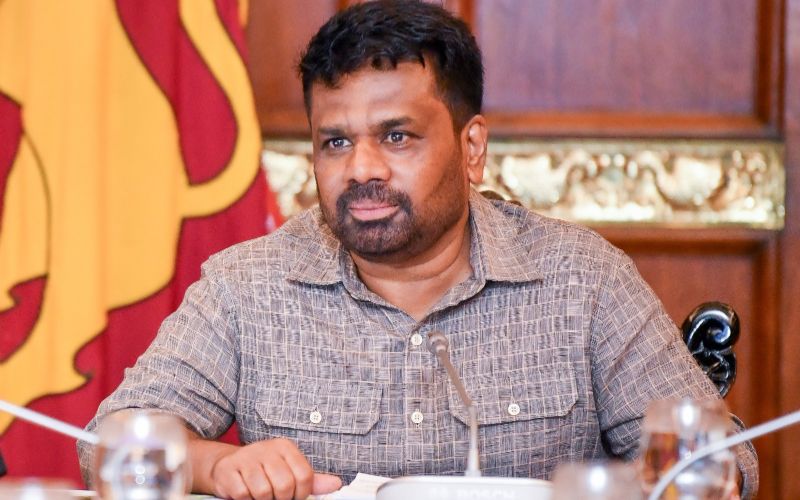
A discussion between President Anura Kumara Dissanayake and senior officials of the Urban Development Authority (UDA) was held this afternoon (18) at the Presidential Secretariat.
The meeting focused extensively on new development projects planned by the Urban Development Authority. The President emphasised the need to ensure that the budgetary allocations made for these projects in the current year are utilised effectively within the same financial year.
Detailed discussions were also held on projects planned to be implemented jointly by multiple institutions, including the importance of holding consultations with all relevant agencies to reach final decisions and the need to clearly define responsibilities for each institution in both implementation and maintenance phases of the projects.
Attention was drawn to key initiatives such as the Kelani River flood control project, water management projects in Colombo city and the Beira Lake restoration project. The need for a dedicated programme for low-income housing in areas such as Ratmalana and Moratuwa was also highlighted. During the discussion, Minister of Transport, Highways and Urban Development Bimal Rathnayake underscored the importance of introducing a structured management framework for the effective coordination of certain projects.
Deputy Minister of Urban Development, Eranga Gunasekara, Secretary to the Ministry of Transport, Highways and Urban Development, Senior Professor Kapila C.K. Perera, Chairman of the Urban Development Authority (UDA), M.G. Hemachandra and the Heads representing the Urban Settlement Development Authority (USDA), Sri Lanka Land Development Corporation (SLLDC), National Physical Planning Department (NPPD) and the Condominium Management Authority (CMA) were also present at the meeting.
(PMD)
Latest News
Prime Minister off to the United Kingdom to participate in the 22nd Annual Commonwealth Education Forum
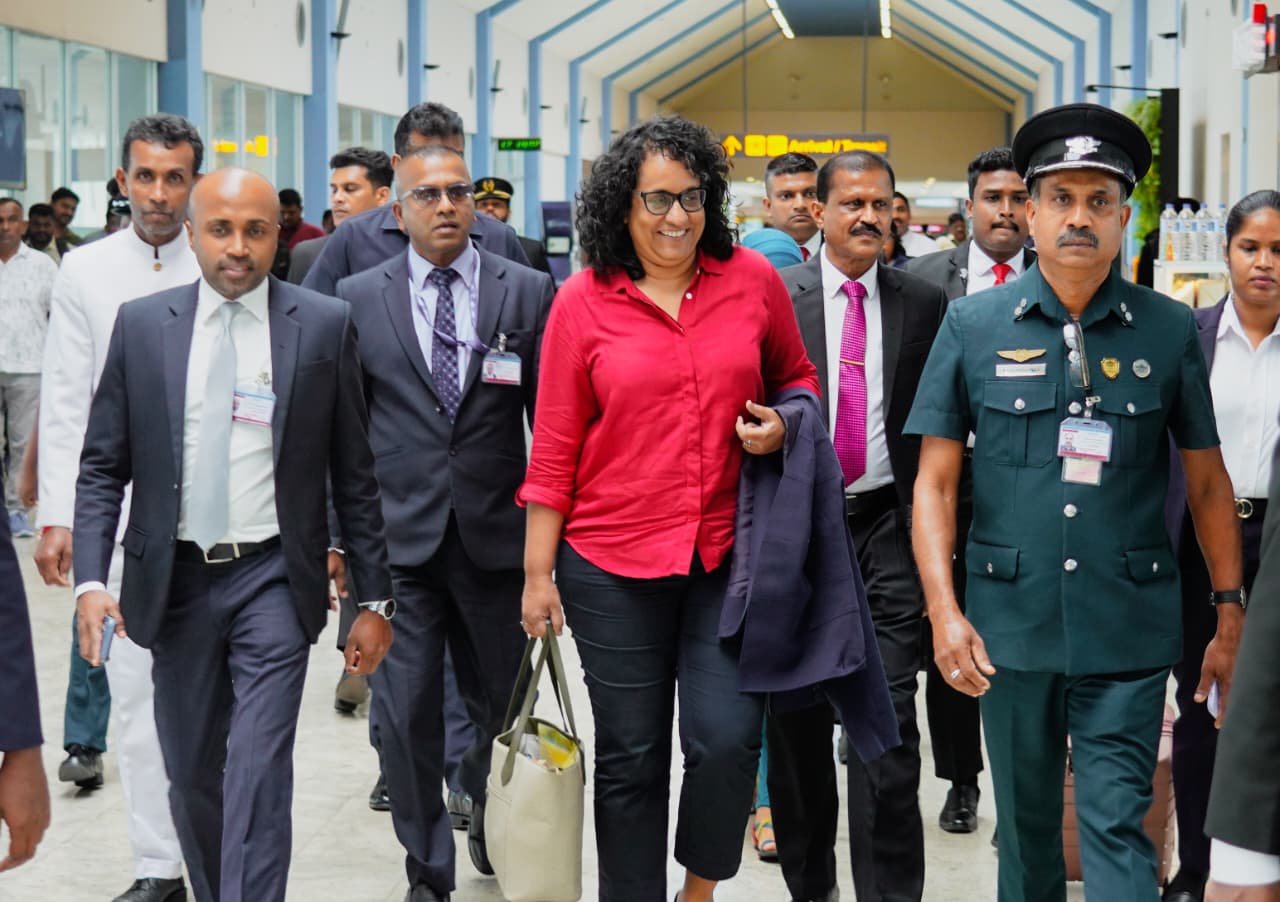
Prime Minister Dr. Harini Amarasuriya departed on an official visit to the United Kingdom to participate in the 22nd Annual Commonwealth Education Forum and the Commonwealth of Learning (COL) 2026 Board of Governors Meeting.
During the visit, the Prime Minister is scheduled to participate in several high-level academic and diplomatic engagements aimed at strengthening cooperation in the fields of education, development studies, research collaboration, and international partnerships.
As part of the visit, the Prime Minister will meet with Ms.Bridget Phillipson, Secretary of State for Education of the United Kingdom, at the UK Department for Education, to discuss areas of cooperation in education and related sectors. She is also expected to meet Ms.Yvette Cooper, Foreign Secretary of the United Kingdom, for discussions on matters of bilateral interest and cooperation between Sri Lanka and the United Kingdom.
In addition, the Prime Minister is expected to meet Ms.Shirley Ayorkor Botchwey, Secretary-General of the Commonwealth, on the sidelines of the 22nd Annual Commonwealth Education Forum and the Commonwealth of Learning (COL) 2026 Board of Governors Meeting.
During the visit, the Prime Minister will attend a public event at the Institute of Development Studies at the University of Sussex and she will also take part in the ceremony marking the 60th Anniversary of the Institute of Development Studies. The Prime Minister is also scheduled to address a session at the Oxford School of Global and Area Studies at the University of Oxford, followed by a question-and-answer session with scholars and students.
The visit is expected to strengthen Sri Lanka’s engagement with academic institutions, international development partners, and Commonwealth member states, particularly in the areas of education, research, policy dialogue, and capacity building.
[Prime Minister’s Media Division]
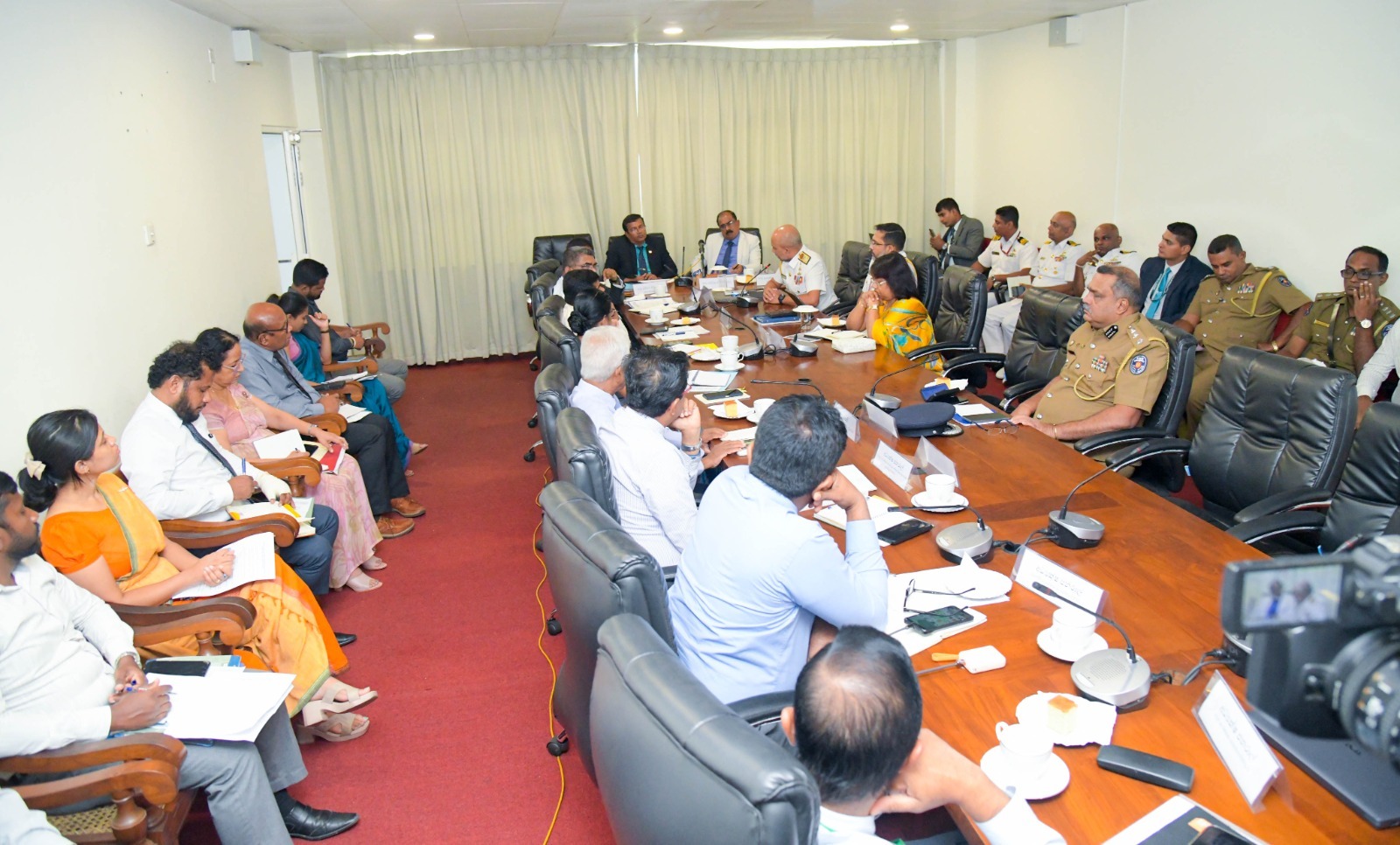
Taking a decisive step towards safeguarding Sri Lanka’s maritime heritage, a high-level discussion was held today (18) at the Ministry of Environment.
Jointly chaired by the Deputy Minister of Environment Anton Jayakody and Deputy Minister of Defence Aruna Jayasekara, the meeting focused on the urgent need to prevent environmental pollution and protect the coastal waters around the northern seas and their adjacent islands.
The discussion was attended by senior naval officers, Secretary to the Ministry of Environment K.R. Uduwawala, Chairman of the Marine Environment Protection Authority (MEPA) Samantha Gunasekara, Director General of the Coast Conservation and Coastal Resource Management Department Prof. Turny Pradeep Kumara, and Conservator General of Forests along with several other officials from the Department of Wildlife Conservation and the Ministry of Environment, and the senior ecologists from IUCN.
The discussion placed a strong emphasis on enhancing environmental threats and accelerating the declaration of new Marine Protected Areas (MPAs) in the northern region. Officials emphasized that protecting this marine zone is crucial for conserving biodiversity, securing the livelihoods of local fishing communities, and enhancing Sri Lanka’s strategic maritime profile on the global stage.
Primary attention was drawn to the severe ecological destruction caused by Illegal, Unreported, and Unregulated (IUU) fishing. The Ministers highlighted the grave threats these unlawful activities pose to both marine biodiversity and the economic stability of local fishermen, stressing the immediate need for comprehensive surveillance and stricter enforcement mechanisms. Furthermore, extensive discussions took place on how to divest a strategic destructive fishing practices—such as dynamite fishing, unauthorized spearfishing, and the use of banned fishing gear—which inflict irreversible damage on fragile coral reef systems and endangered fish species.
The meeting also addressed infrastructure and governance gaps within fishing harbors, identifying the lack of proper management and formal regulatory mechanisms as key vulnerabilities. As a progressive step forward, suitable islands and surrounding marine zones in the Northern Province have been identified for official declaration as Marine Protected Areas. It was clarified that establishing these MPAs will not restrict the livelihoods of local communities; instead, they are designed to protect and promote sustainable fishing and eco-tourism. Moving forward, these protected zones will be developed into premier eco-tourism destinations, creating new economic opportunities for the region. Ultimately, declaring these Marine Protected Areas will bring international recognition and strategic importance to Sri Lanka’s northern islands. By establishing these zones, Sri Lanka aligns itself strongly with global biodiversity commitments, showcasing its role on the international stage as a responsible custodian of the Indian Ocean’s rich marine resources.
During this discussion, it was proposed to establish a working group comprising experts from the Ministry of Tourism, the Ministry of Fisheries, the Ministry of Defence, the Ministry of Environment, and the Ministry of Justice to implement a joint mechanism for protecting the country’s coastal and marine resources, with the Ministry of Environment taking the lead in this initiative.
This conservation initiative marks yet another milestone in the country’s ongoing journey toward achieving a sustainable biosphere and an evergreen future.

President meets senior officials of the Urban Development Authority

CEAT Kelani Branch Inter-Company Employees’ Union makes donation to the ‘Rebuilding Sri Lanka’ Fund

Escaped tiger shot by German police after attacking man

Prime Minister off to the United Kingdom to participate in the 22nd Annual Commonwealth Education Forum

Steps initiated to safeguard Sri Lanka’s Maritime Heritage

Fighter jet crews parachute safely after collision at US air show

‘Dates have the highest sugar content to fight Coronavirus’

Sunday Island 27 December – Headlines

#SundayIsland 17th December – Headlines

Sunday Island – 28th March

Sunday Island Headlines – 21 March

Sunday Island – 21st February – Headlines
-

 News6 days ago
Ex-SriLankan CEO’s death: Controversy surrounds execution of bail bond
-

 Features2 days ago
Sri Lankan Airlines Airbus Scandal and the Death of Kapila Chandrasena and my Brother Rajeewa
-
Features7 days ago
High Stakes in Pursuing corruption cases
-
 News3 days ago
Lanka’s eligibility to draw next IMF tranche of USD 700 mn hinges on ‘restoration of cost-recovery pricing for electricity and fuel’
-
 Features7 days ago
When University systems fail:Supreme Court’s landmark intervention in sexual harassment case
-
 Midweek Review6 days ago
A victory that can never be forgotten
-

 News2 days ago
Kapila Chandrasena case: GN phone records under court scrutiny
-
 Features4 days ago
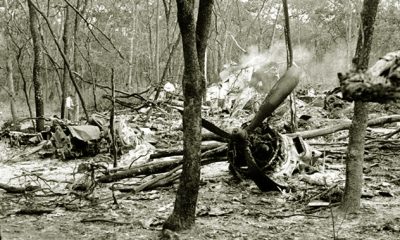
Mysterious Death of United Nations Secretary General Hammarskjöld